 Where were you when I laid the foundations of the earth?4 min · ▶ clip · Suffering
 What are the 99 Names? (Easy Read)Who is God? · 2 min
 Why are there no pictures of God? (Easy Read)Who is God? · 2 min · ▶
 What was before the first? (children)Who is God? · 3 min · ▶
 Is anything perfectly clean? (children)Who is God? · 3 min · ▶
 Who is waiting? (children, ar-Rahman)Who is God? · 4 min · ▶
 How do the 99 Names group together?Who is God? · 2 min
 What are the 99 Names of Allah?Who is God? · 11 min
 Which of the 99 Names share an Arabic root?Who is God? · 15 min · ▶
 Is God a man?Who is God? · 9 min
 What would infinite power really mean?Who is God? · 4 min · ▶
 Does love cross time and space?Who is God? · 7 min · ▶
 Does language shape how we see God?Who is God? · 4 min · ▶
 Was “Allah” used before Islam?Who is God? · 11 min · ▶
 Where does the word “Allah” come from?Who is God? · 5 min · ▶
 What does the word “Allah” mean, and who says it?Who is God? · 10 min · ▶
 Who is Allah in Islam?Who is God? · 5 min · ▶
 Is Allah a moon god? Myths about the word, checkedWho is God? · 4 min
 What does it mean to say God is One?Who is God? · 5 min · ▶
 Where are the kings of the earth?Who is God? · 12 min · ▶
 Who will buy this servant?Who is God? · 11 min · ▶
 Did you open his heart?Who is God? · 8 min · ▶
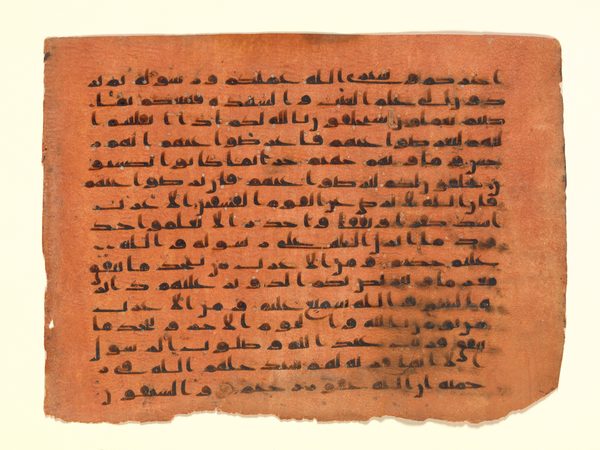 What does “Allah” mean?Who is God? · 5 min · ▶
 So where do you look?Who is God? · 5 min · ▶
 Why Arabic?Who is God? · 4 min
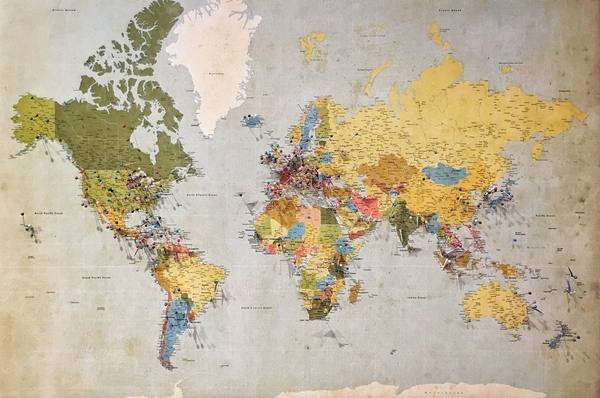
 Where in the world do people say “Allah”?Three faiths? · 4 min
 Who else says “Allah” besides Muslims?Three faiths? · 11 min · ▶
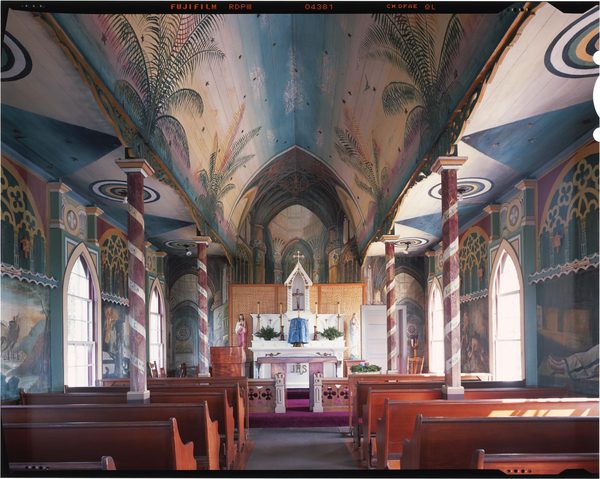 Who is God in Christianity?Three faiths? · 5 min · ▶
 Do Christians and Jews say “Allah”?Three faiths? · 4 min · ▶
 Have all Christians believed in the Trinity?Three faiths? · 11 min · ▶
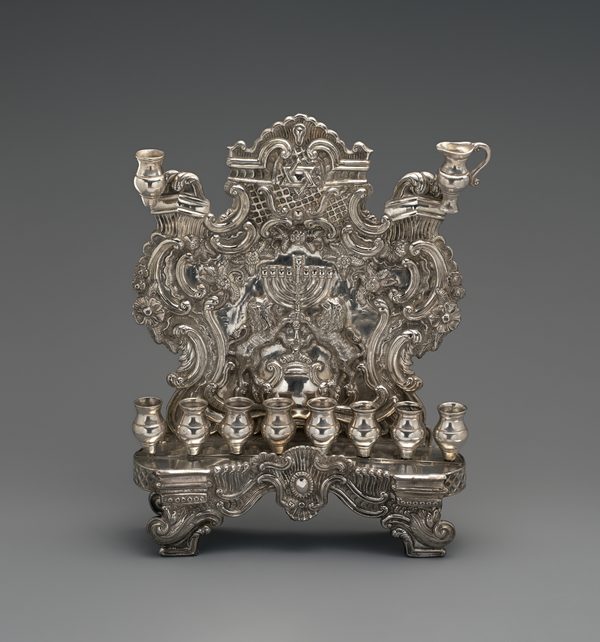 Who is God in Judaism?Three faiths? · 5 min · ▶
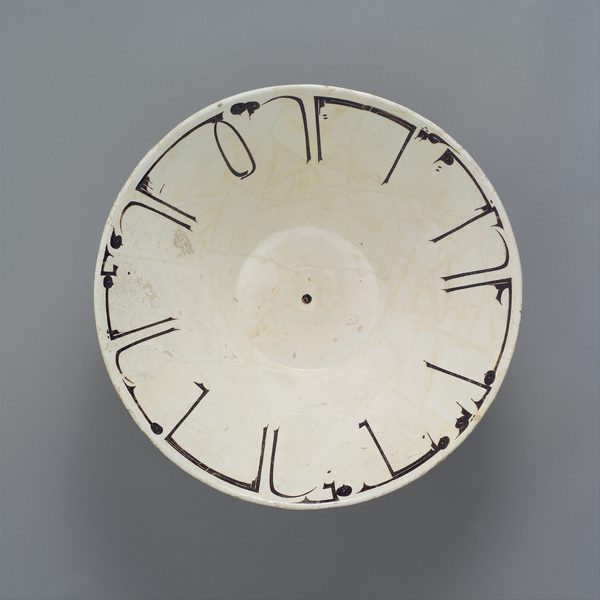 Do Hebrew, Christian and Arabic names for God overlap?Three faiths? · 2 min · ▶
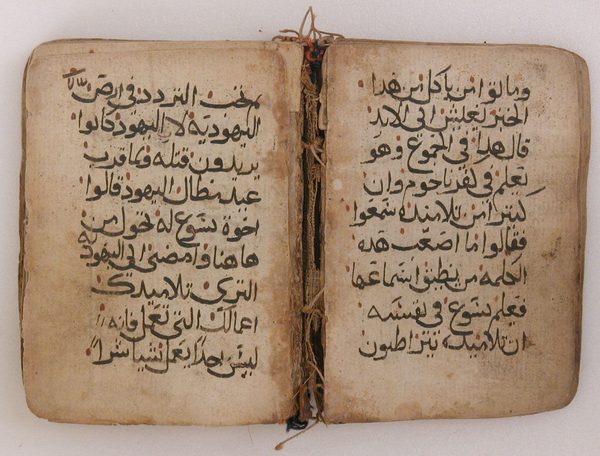 What is the oldest dated Arabic Bible?Three faiths? · 12 min · ▶
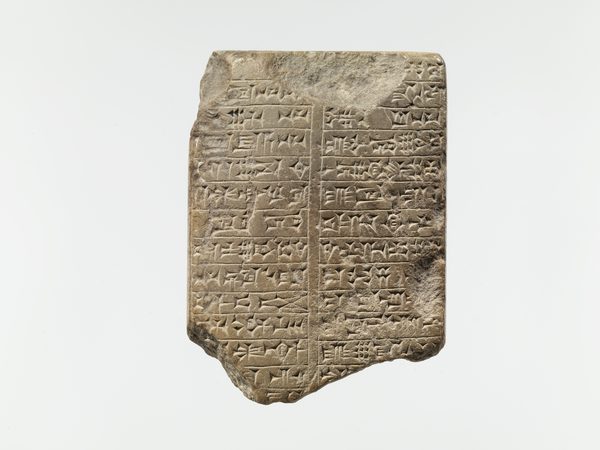 What is the oldest dated Arabic inscription naming God?Three faiths? · 5 min
 Who is God to each of us?Three faiths? · 15 min · ▶
 Same God?Three faiths? · 4 min · ▶
 Does belief come naturally?Is there a God? · 12 min · ▶
 Where does consciousness come from?Is there a God? · 13 min · ▶
 Is the universe fine-tuned for life?Is there a God? · 13 min · ▶
 If God exists, why doesn't He show Himself?Is there a God? · 10 min
 Didn't humans just invent God?Is there a God? · 10 min · ▶
 Why do people leave belief, and why do others stay?Is there a God? · 14 min · ▶
 How did life begin, and does it need a Creator?Is there a God? · 13 min · ▶
 Does science rule out God?Is there a God? · 12 min · ▶
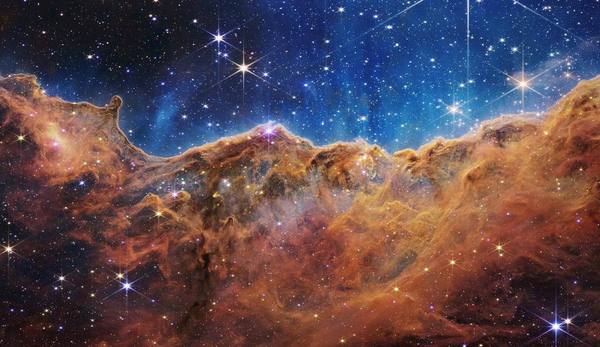 Why is there something rather than nothing?Is there a God? · 12 min · ▶
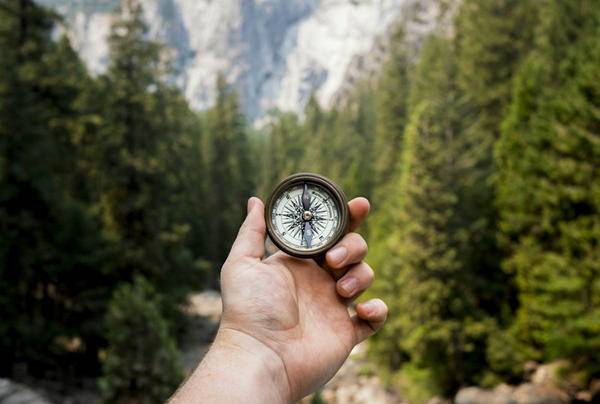 What if we're wrong?Is there a God? · 13 min · ▶
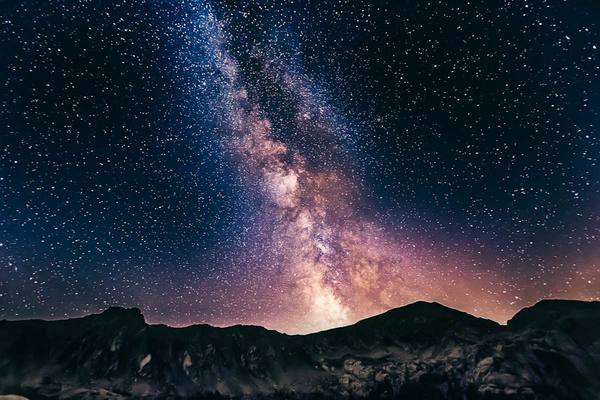 Who made God?Is there a God? · 11 min · ▶
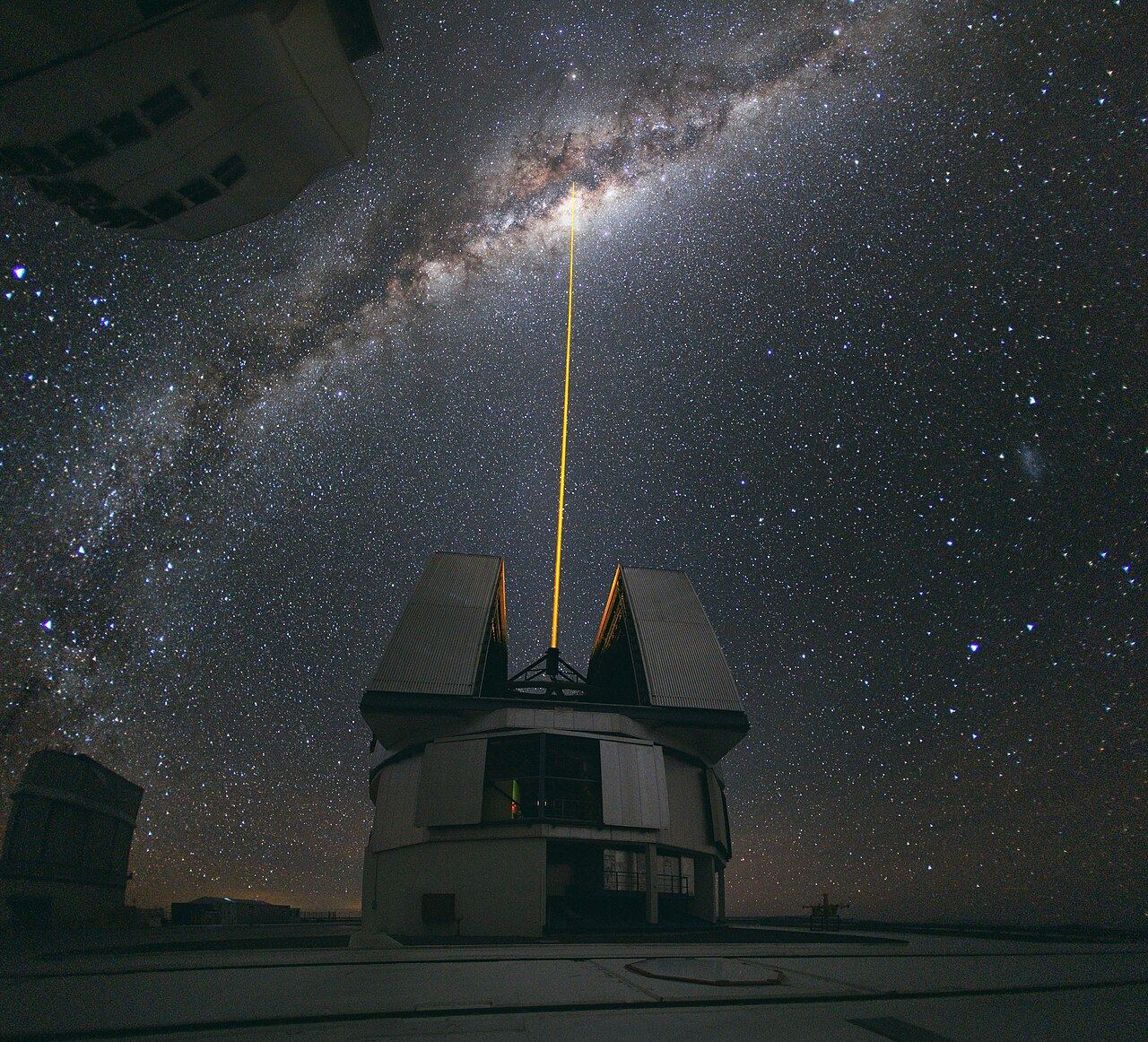 Why do people not believe in God?Is there a God? · 11 min · ▶
 How do people recognise a Creator?Is there a God? · 5 min · ▶
 Do other traditions speak of one Creator?Is there a God? · 15 min · ▶
 Do peoples beyond the Abrahamic faiths speak of one High God?Is there a God? · 15 min · ▶
 Is belief in God an instinct?Is there a God? · 14 min · ▶
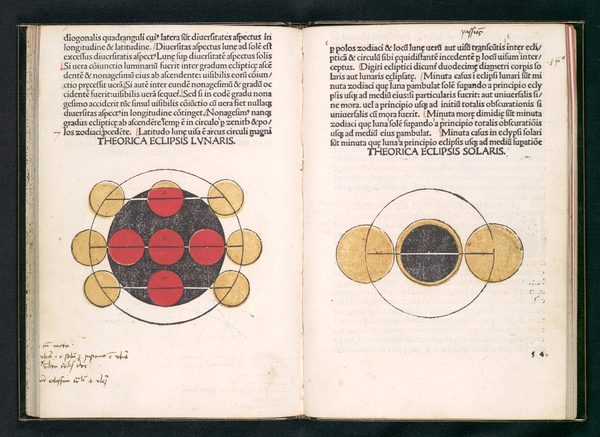 Can reason alone lead to God?Is there a God? · 13 min · ▶
 What if God came to another world?Is there a God? · 13 min · ▶
 What would count as evidence?Is there a God? · 10 min
 What can we actually make?Is there a God? · 14 min · ▶
 Why a desert?Is there a God? · 5 min · ▶
 How do we grieve when the news breaks our hearts?Suffering · 12 min
 When people blame GodSuffering · 8 min · ▶
 Why do children suffer?Suffering · 12 min · ▶
 What about the evil done in God's name?Suffering · 12 min
 If God knows everything, are we free?Suffering · 10 min · ▶
 Why did God take someone I love?Suffering · 10 min · ▶
 How can a loving God punish anyone?Suffering · 10 min
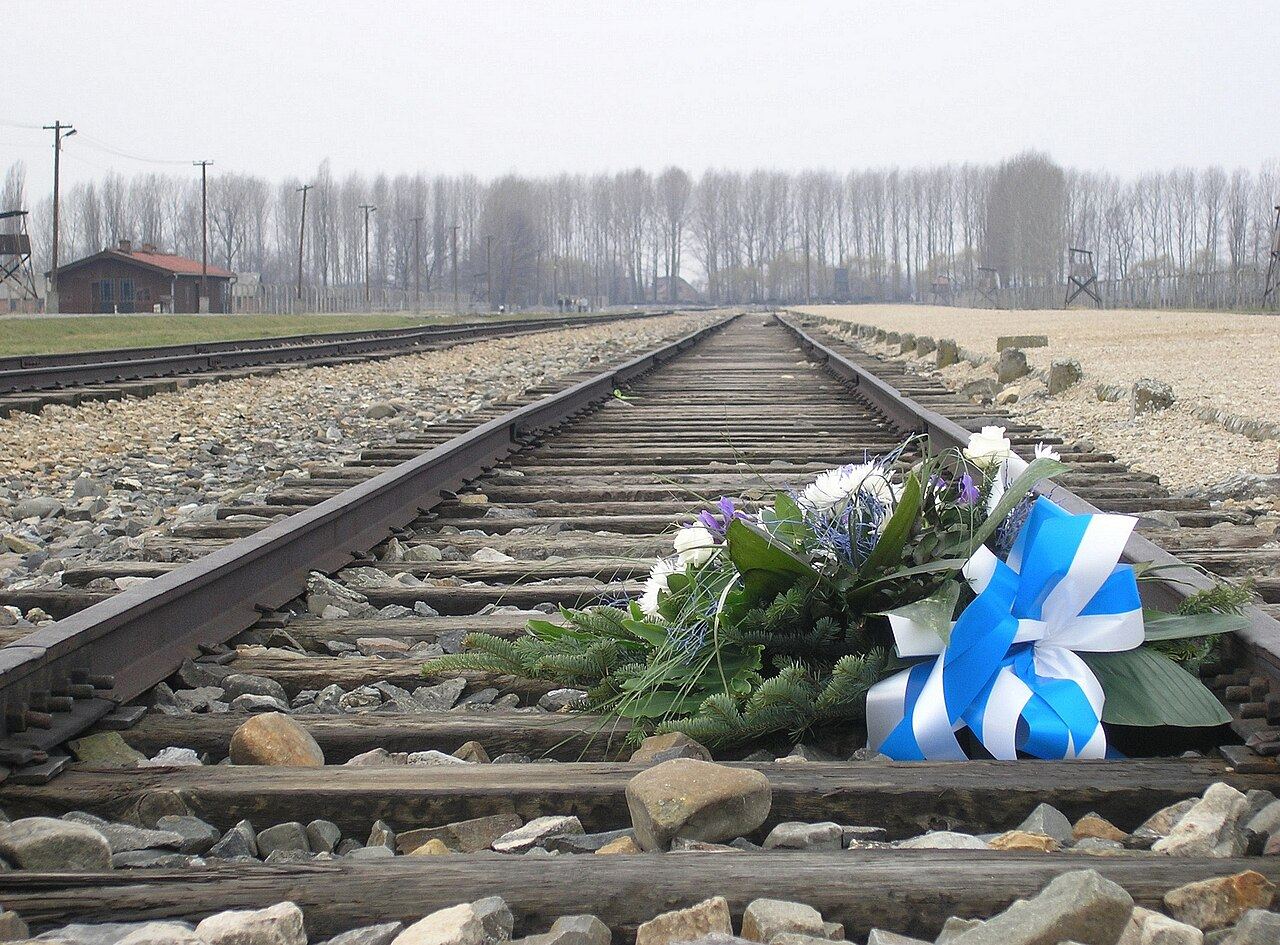 Can anyone believe in God after the Holocaust?Suffering · 12 min · ▶
 Is God cruel? The hard passages in scriptureSuffering · 12 min
 Does religion cause war?Suffering · 13 min · ▶
 Why is there suffering?Suffering · 13 min · ▶
 Why doesn't God answer my prayer?Suffering · 11 min
 Why do earthquakes and floods happen?Suffering · 12 min · ▶
 Why is there disease?Suffering · 12 min · ▶
 Why would God put us here to be tested?Suffering · 10 min · ▶
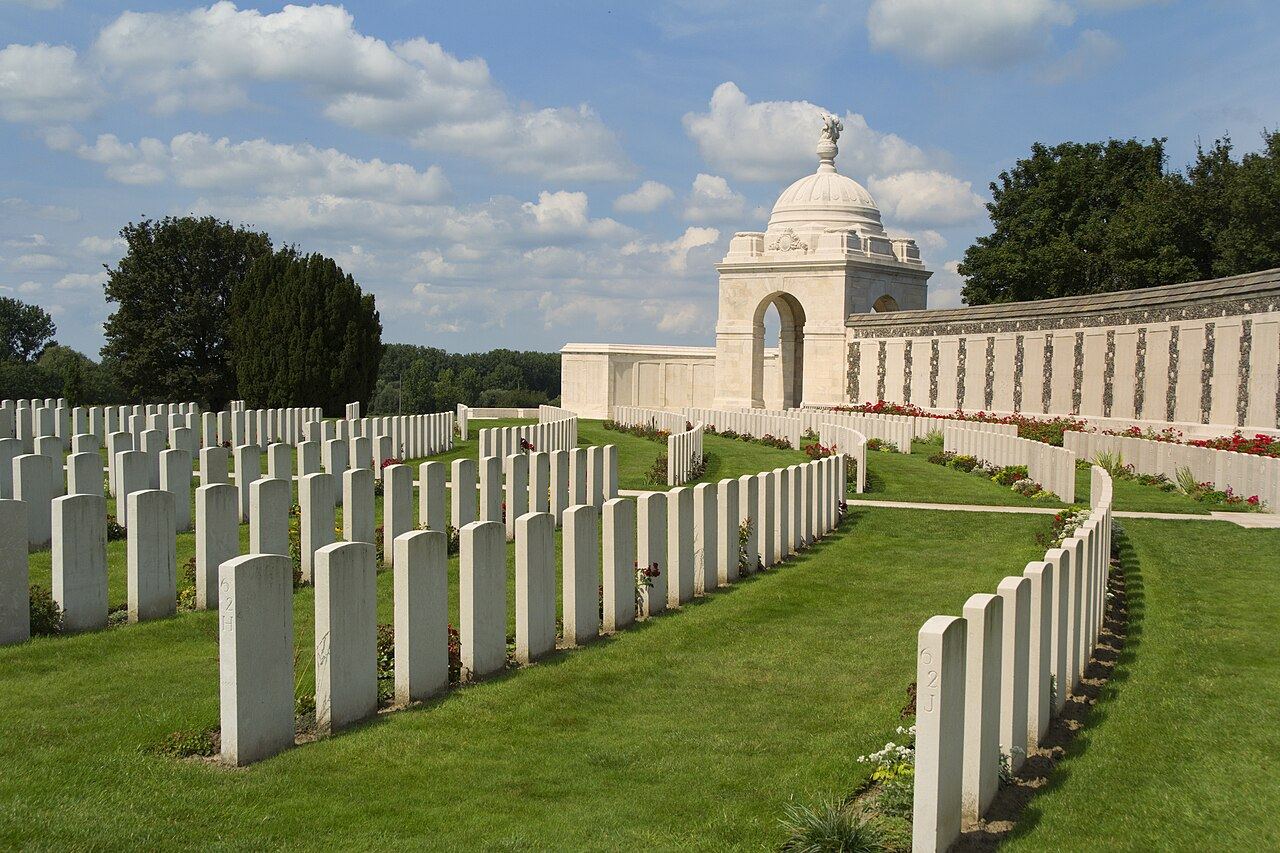 If there is a God, why are there wars?Suffering · 13 min
 How does Job keep faith through loss?Suffering · 11 min · ▶
 Why do good people meet hidden wisdom in hard events?Suffering · 12 min · ▶
 Why do the faiths fast?Worship and thanks · 10 min · ▶
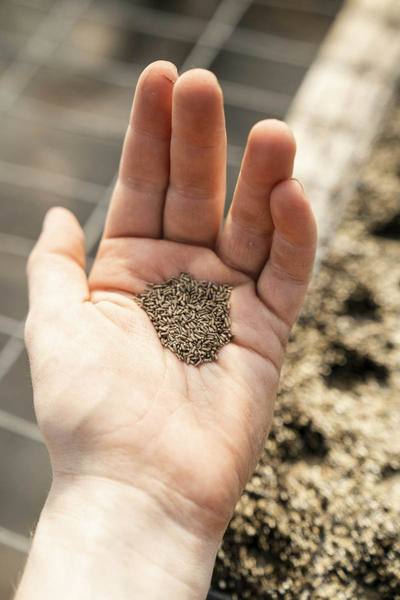 How and why do the faiths give?Worship and thanks · 9 min · ▶
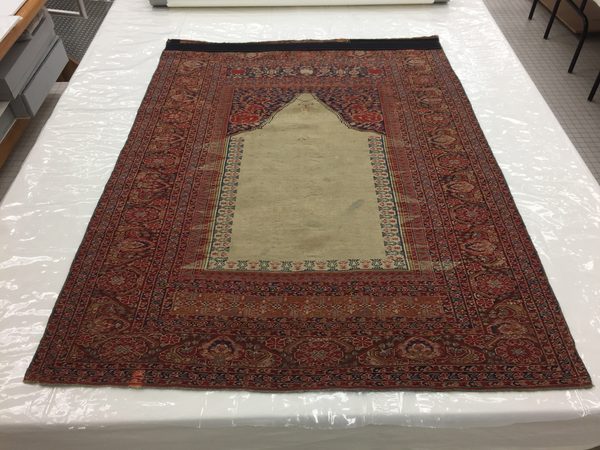 How do Jews, Christians and Muslims pray?Worship and thanks · 9 min · ▶
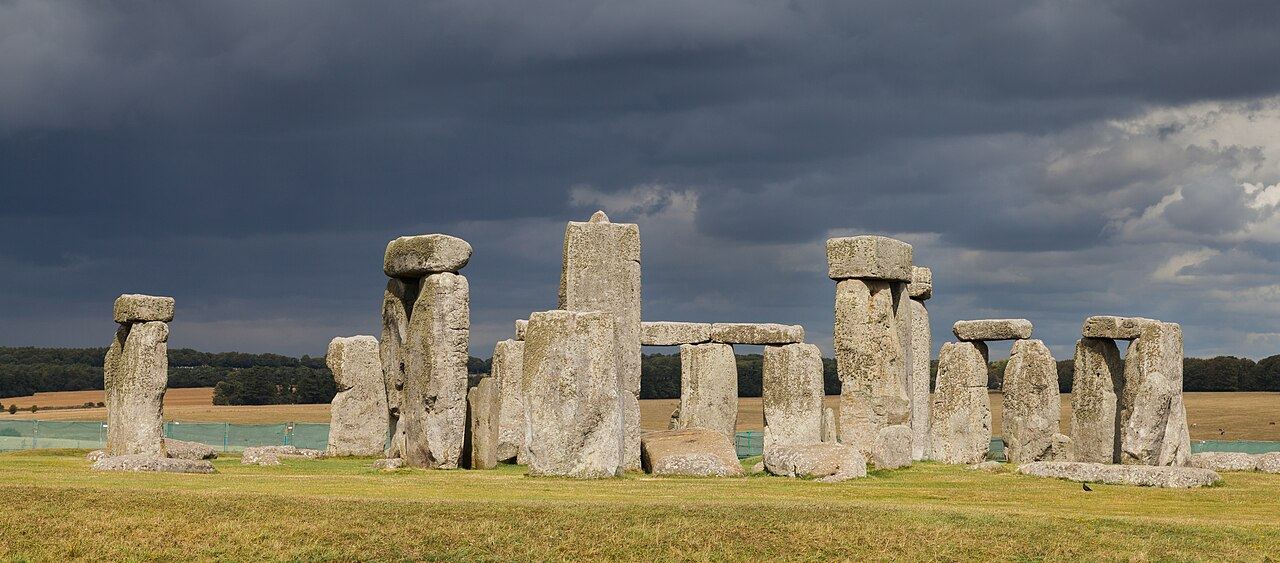 Why have people worshipped kings, the Sun and idols?Worship and thanks · 9 min · ▶
 How many gifts keep you alive while you read?Worship and thanks · 2 min
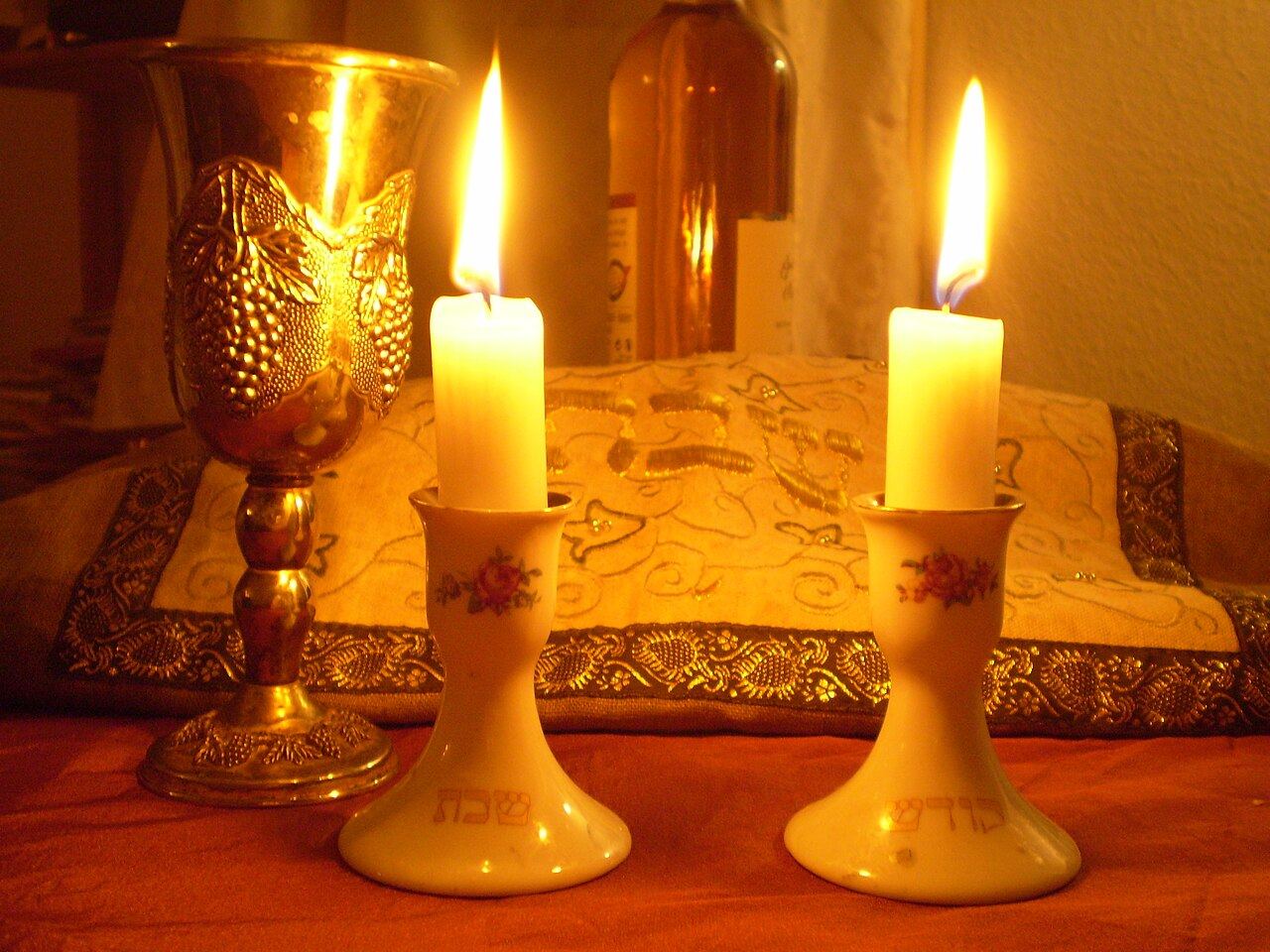 Why do faiths keep a day of rest?Worship and thanks · 9 min · ▶
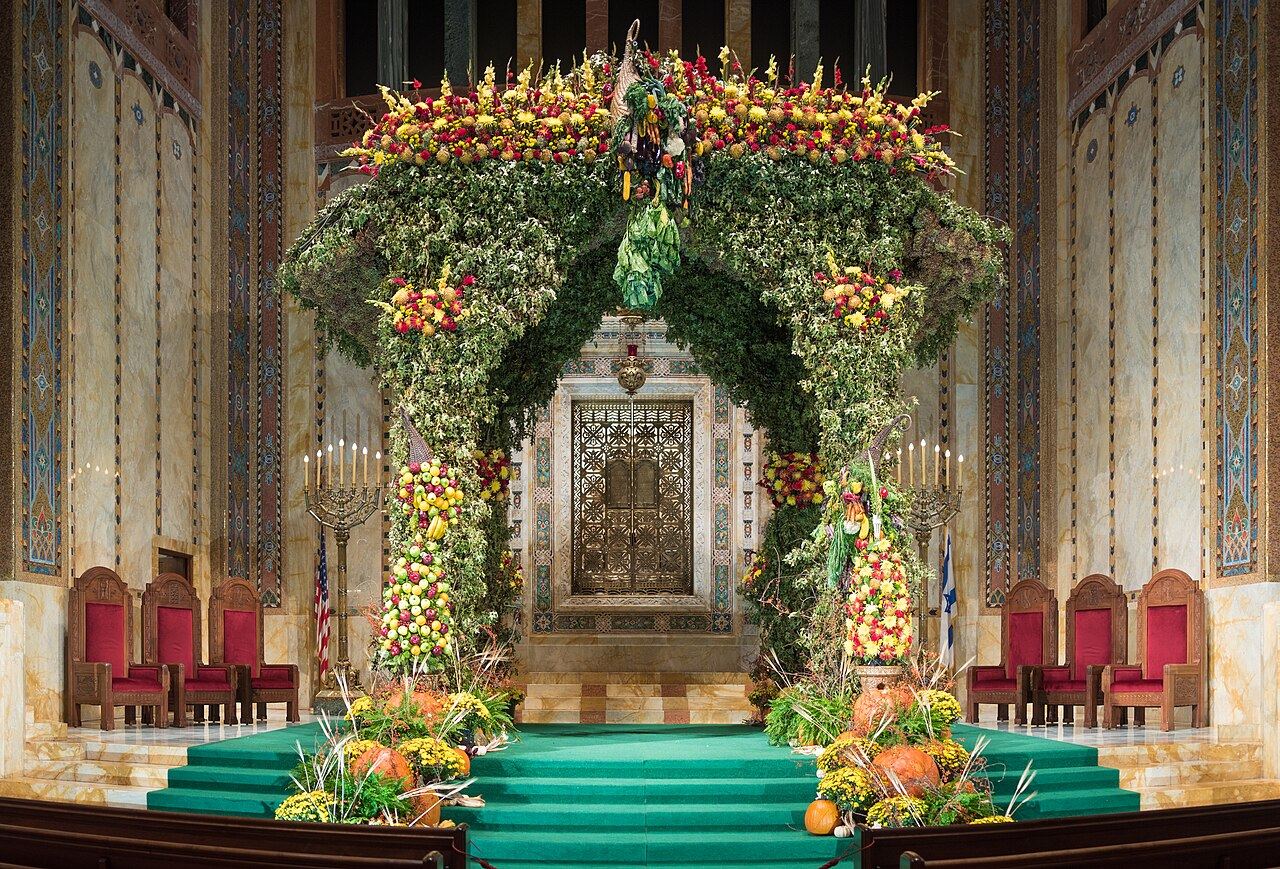 How do the faiths celebrate harvest?Worship and thanks · 9 min · ▶
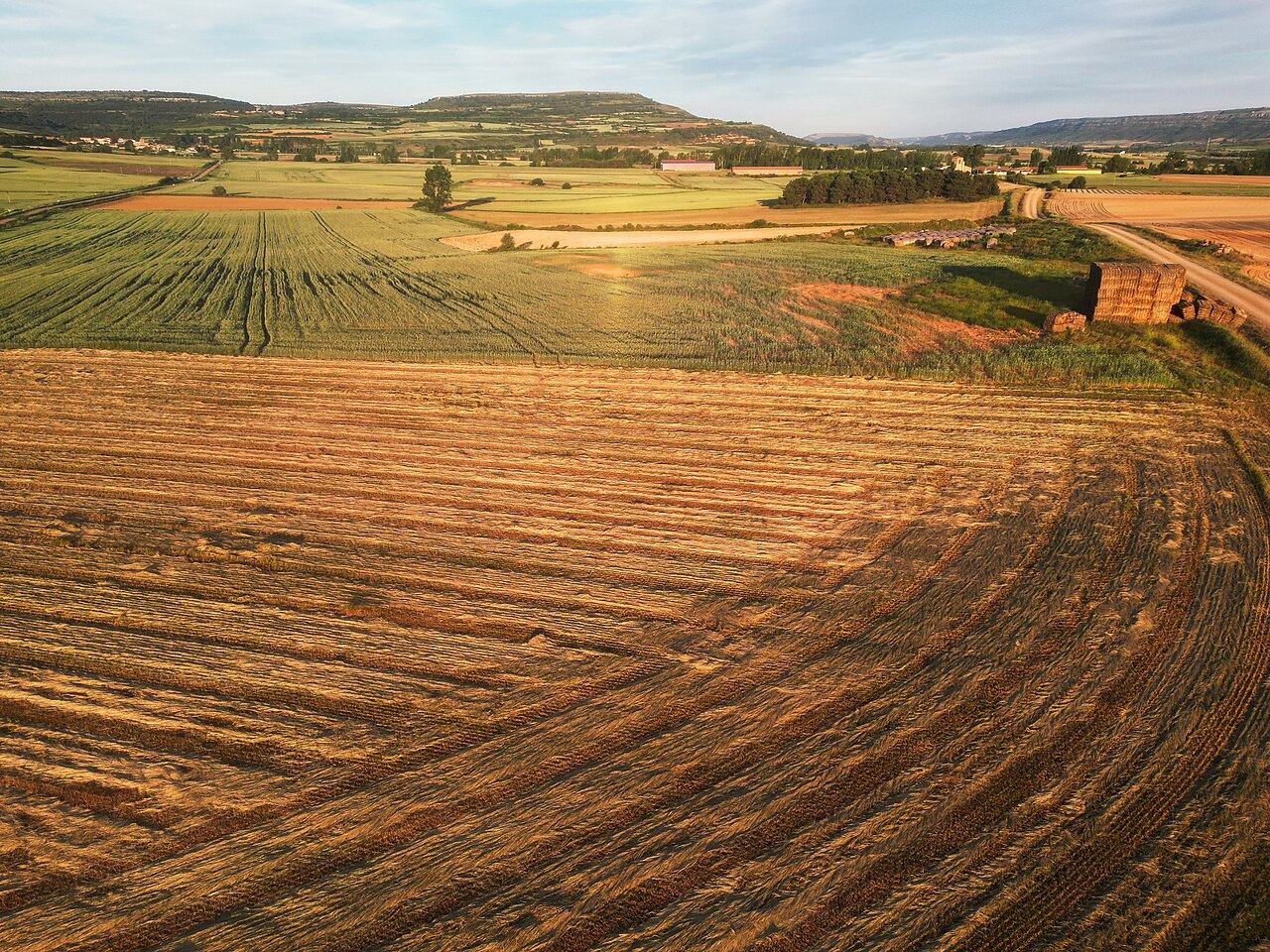 Who do we thank for eyes, ears, air and food?Worship and thanks · 8 min · ▶
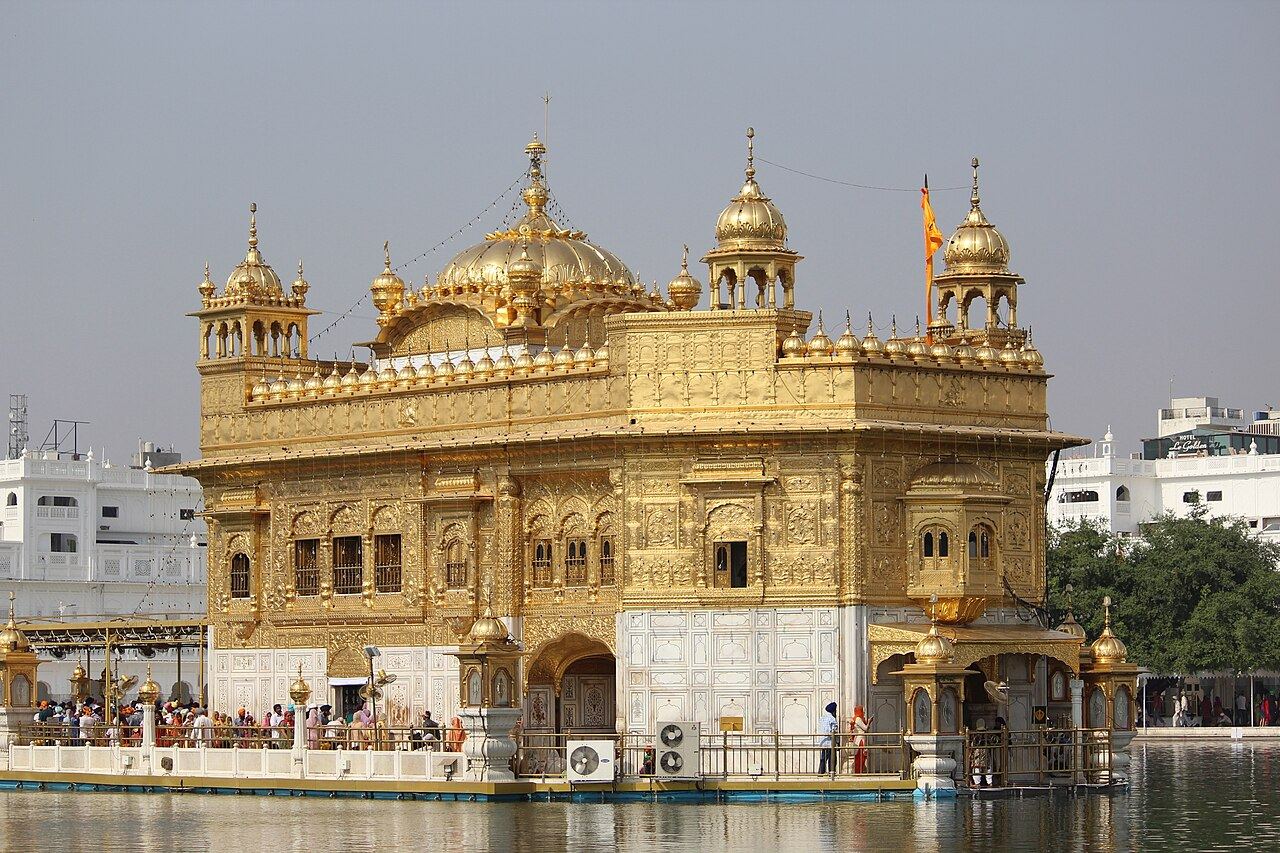 Why do people go on pilgrimage?Worship and thanks · 9 min · ▶
 What does it mean to keep God in mind?Worship and thanks · 8 min
 What does sacrifice mean in three faiths?Worship and thanks · 10 min · ▶
 Why is thanks the natural reply to being here?Worship and thanks · 9 min · ▶
 Why do the practices of the faiths look so alike?Worship and thanks · 9 min · ▶
 Why do we give thanks at all?Worship and thanks · 10 min · ▶
 What is worship?Worship and thanks · 9 min · ▶
 Who holds the birds up? (children)Creation · 4 min · ▶
 Why does the moon change shape? (children)Creation · 4 min · ▶
 Where does rain come from? (children)Creation · 4 min · ▶
 What is DNA?Creation · 12 min · ▶
 Is the universe set just so?Creation · 12 min · ▶
 What holds the sky up?Creation · 11 min · ▶
 What is light?Creation · 10 min · ▶
 How big is everything?Creation · 12 min · ▶
 Are we really made of stardust?Creation · 10 min · ▶
 How did the universe begin?Creation · 11 min · ▶
 What is the mind?Creation · 10 min · ▶
 What is a cell?Creation · 10 min · ▶
 How does the body heal itself?Creation · 11 min · ▶
 What is time?Creation · 10 min · ▶
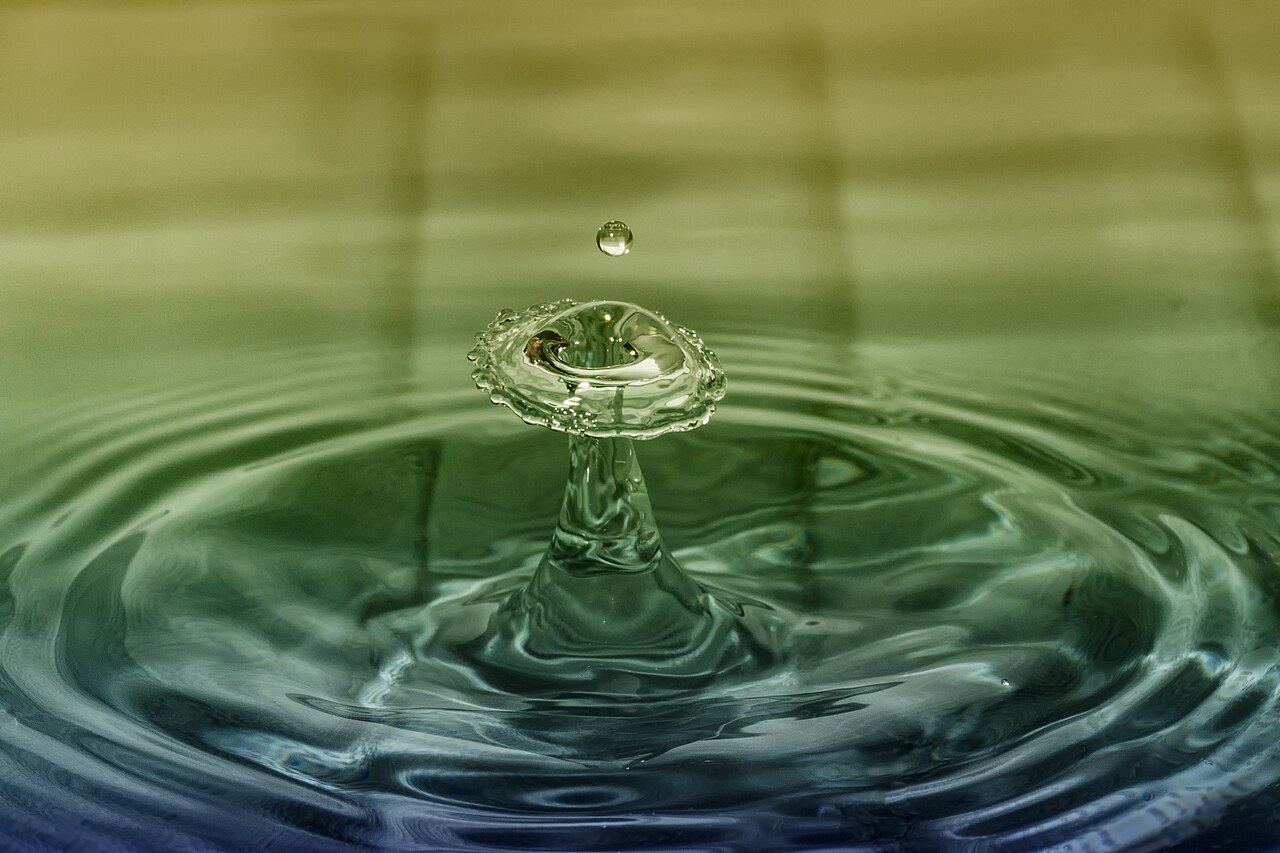 Why is water so strange?Creation · 10 min · ▶
 Who owns the Earth?Creation · 12 min · ▶
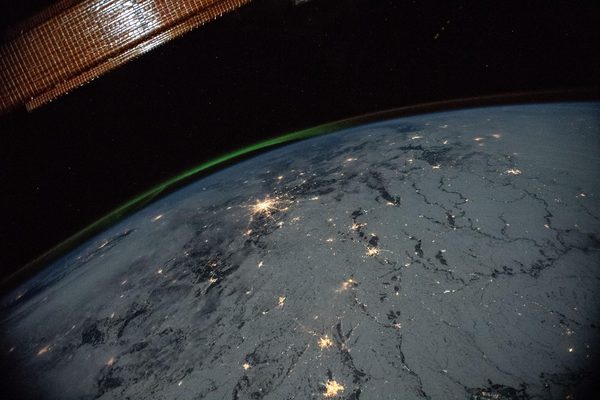 What are the signs in creation?Creation · 12 min · ▶
 Did the Qur'an predict science?Creation · 2 min
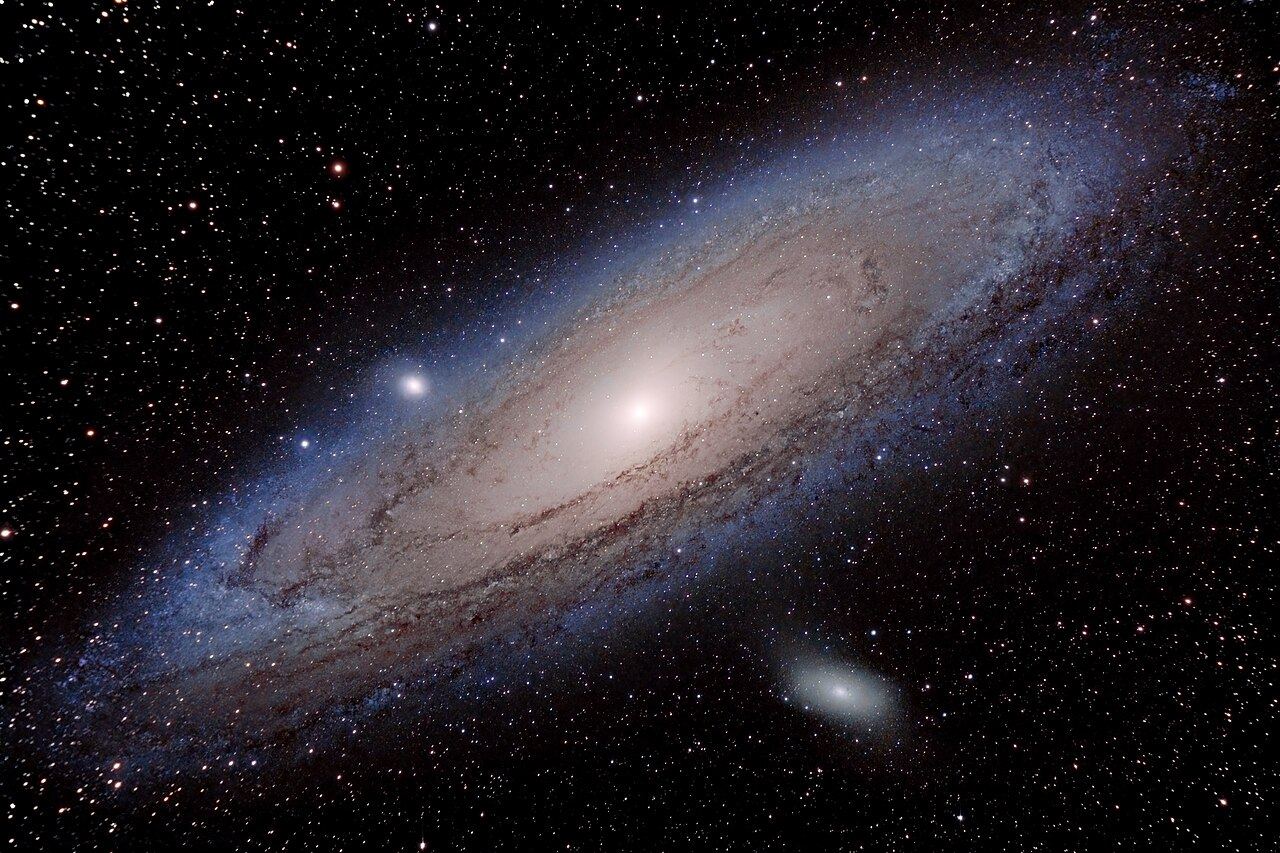 Why does one set of laws run the whole universe?Creation · 13 min · ▶
 How many things must be just right for you to be here?Creation · 2 min
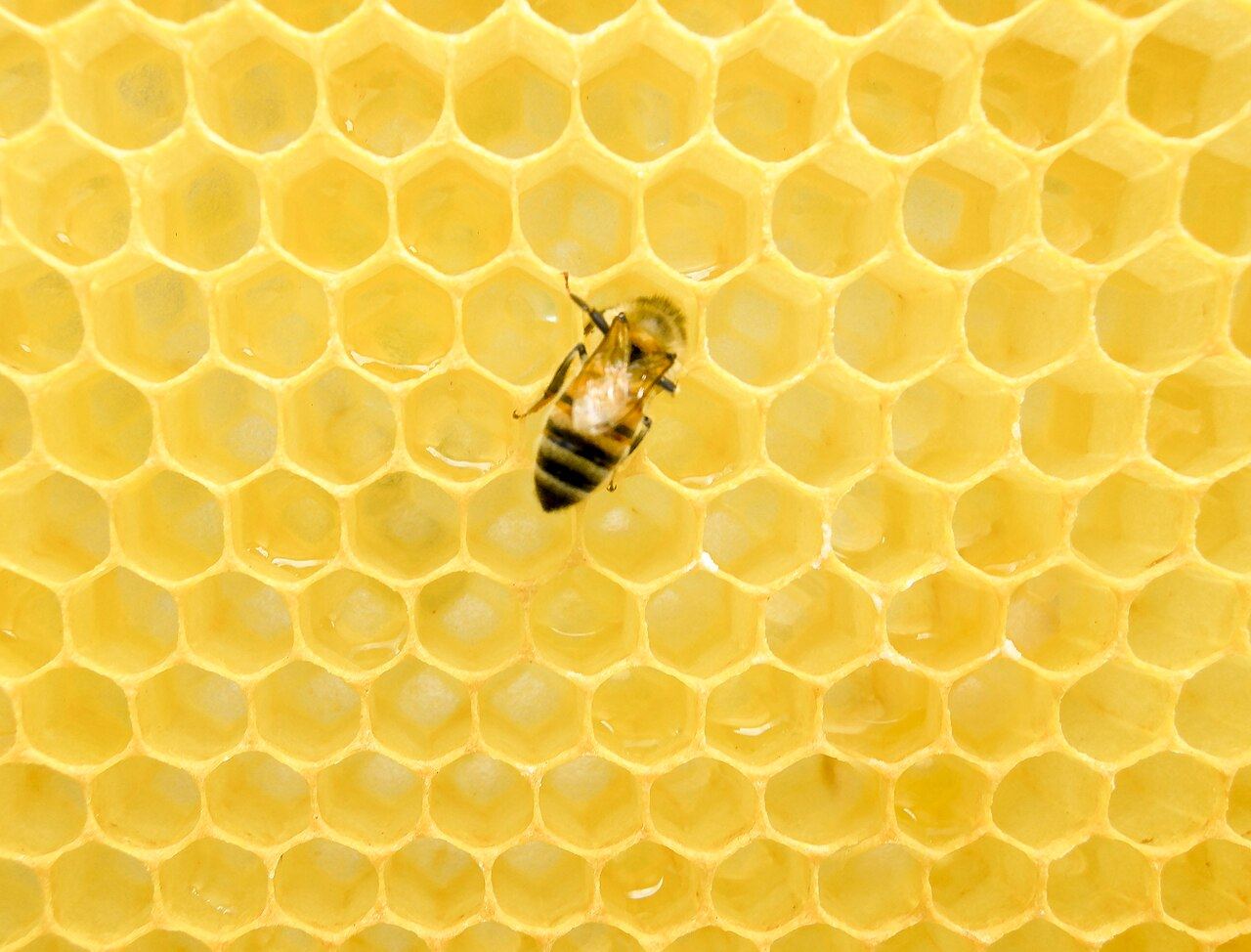 Why hexagons?Creation · 10 min · ▶
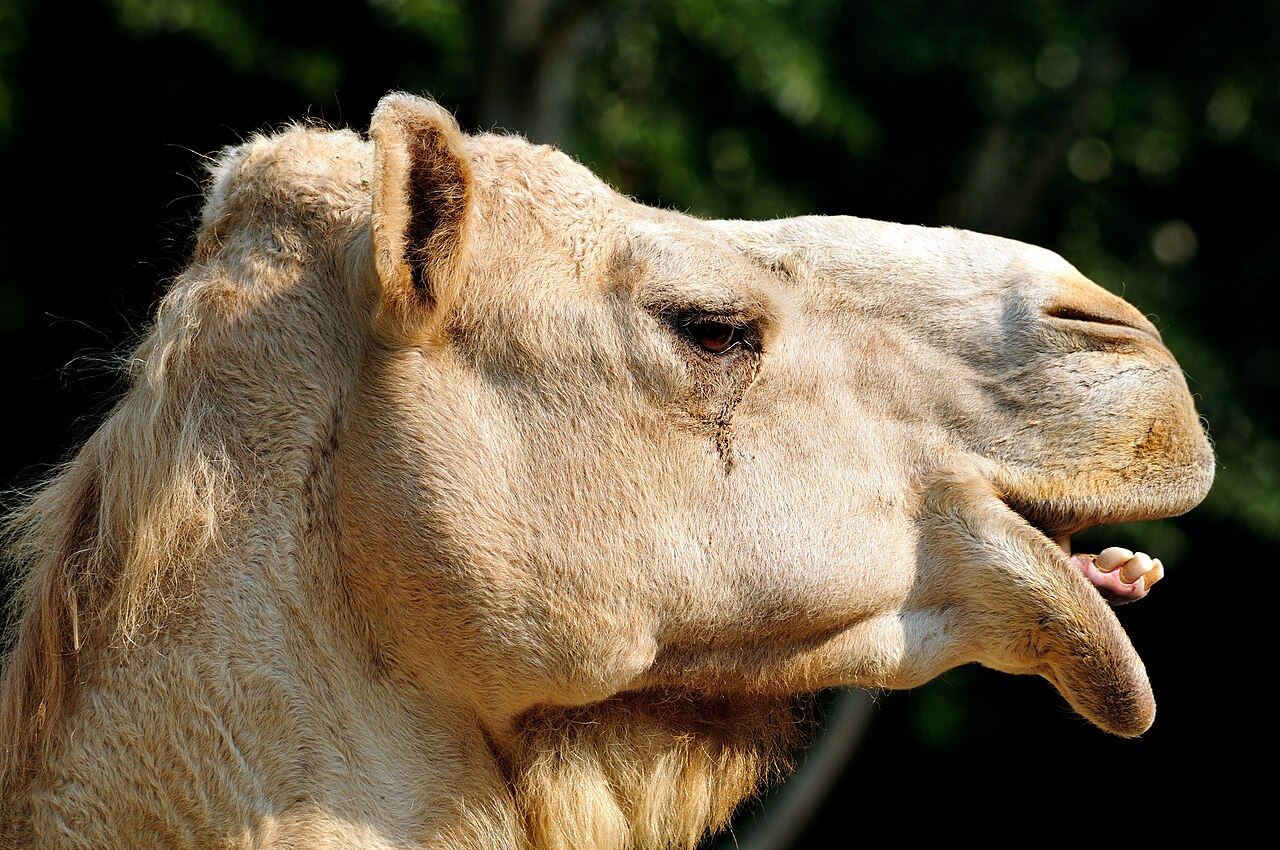 How many needle eyes make a camel?Creation · 9 min · ▶
 How far does one drop go?Creation · 9 min · ▶
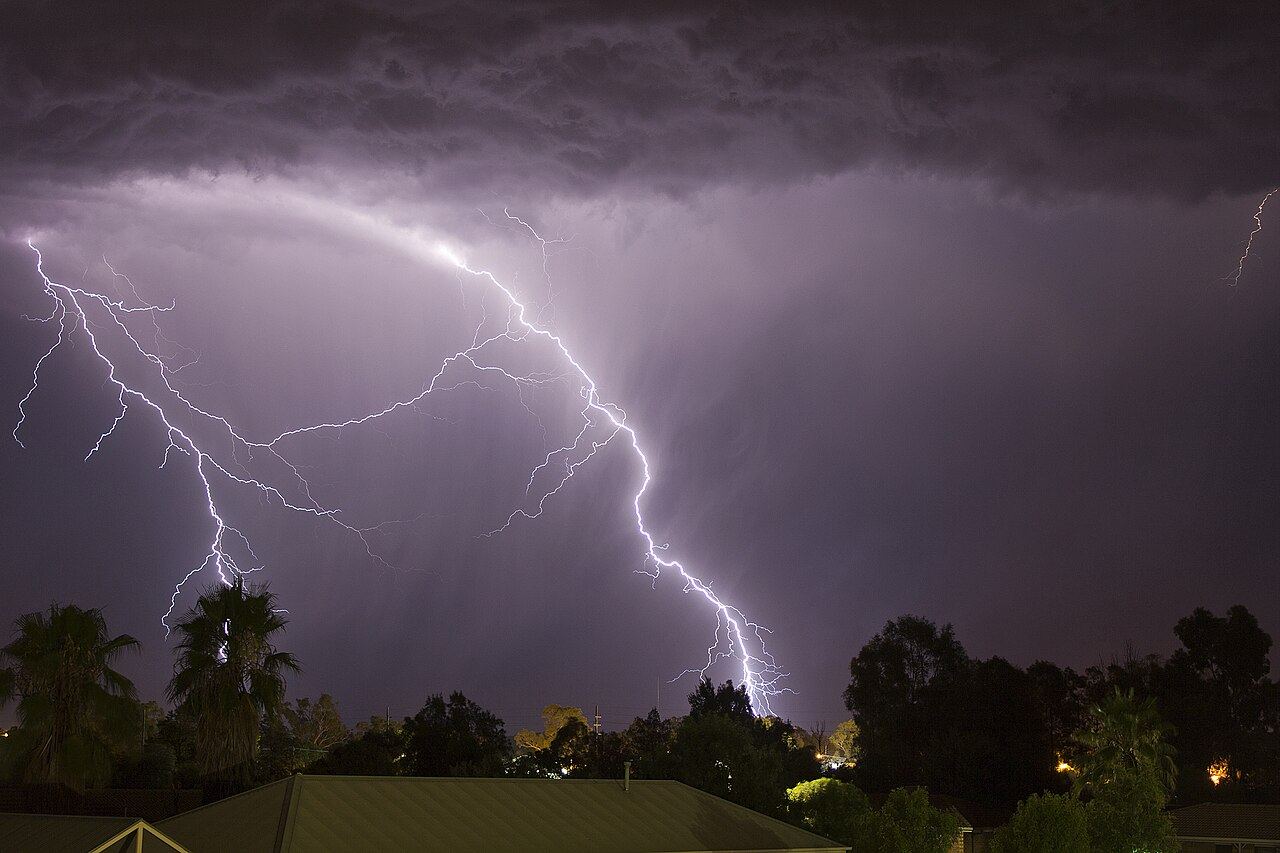 How far away is the storm?Creation · 11 min · ▶
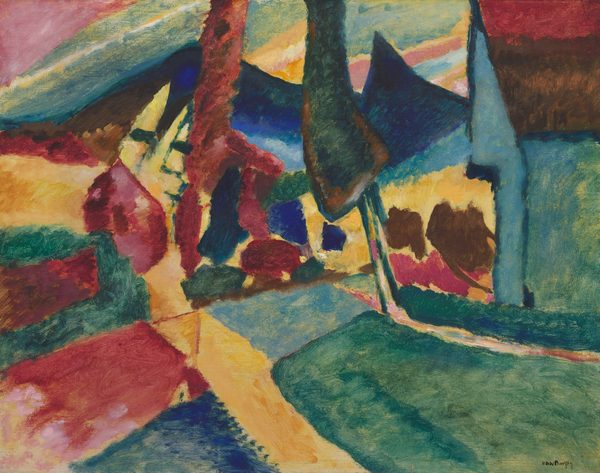 Why do the same figures appear in all three faiths?Scriptures · 8 min · ▶
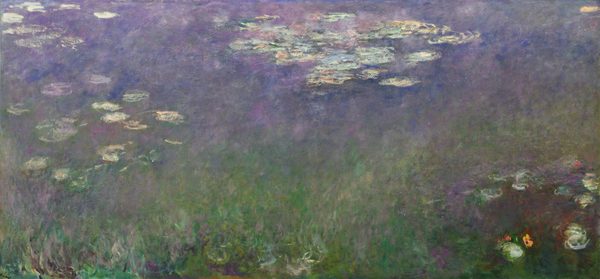 Which women in scripture spoke to God?Scriptures · 9 min · ▶
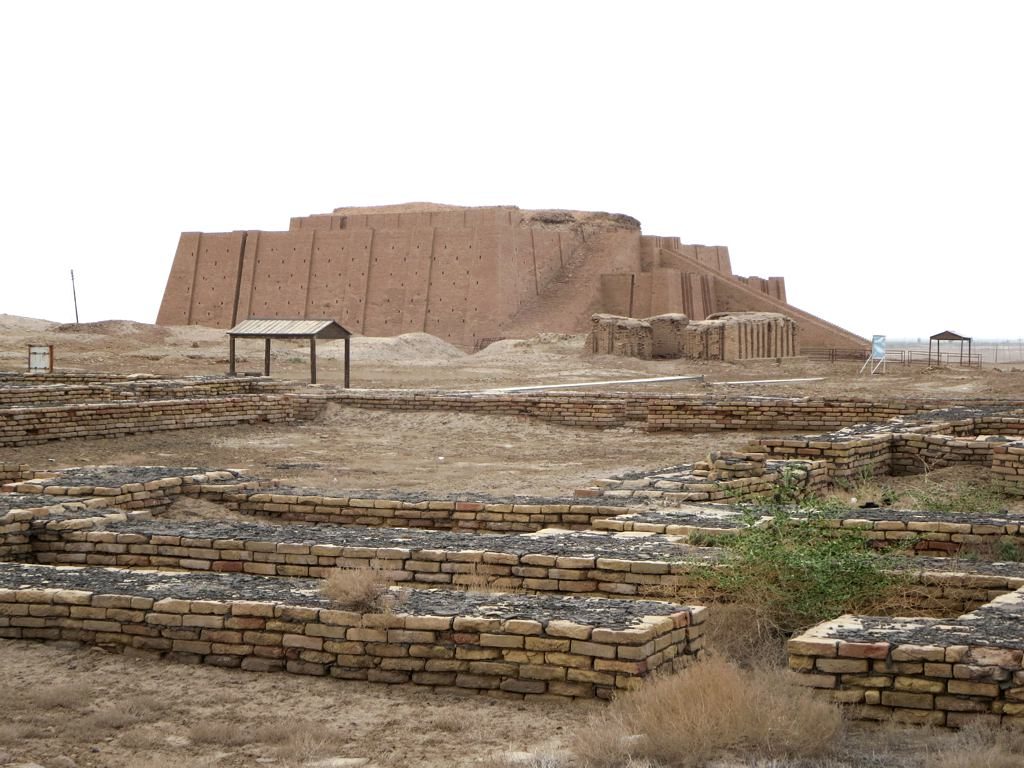 How do the three traditions tell the story of Abraham?Scriptures · 15 min · ▶
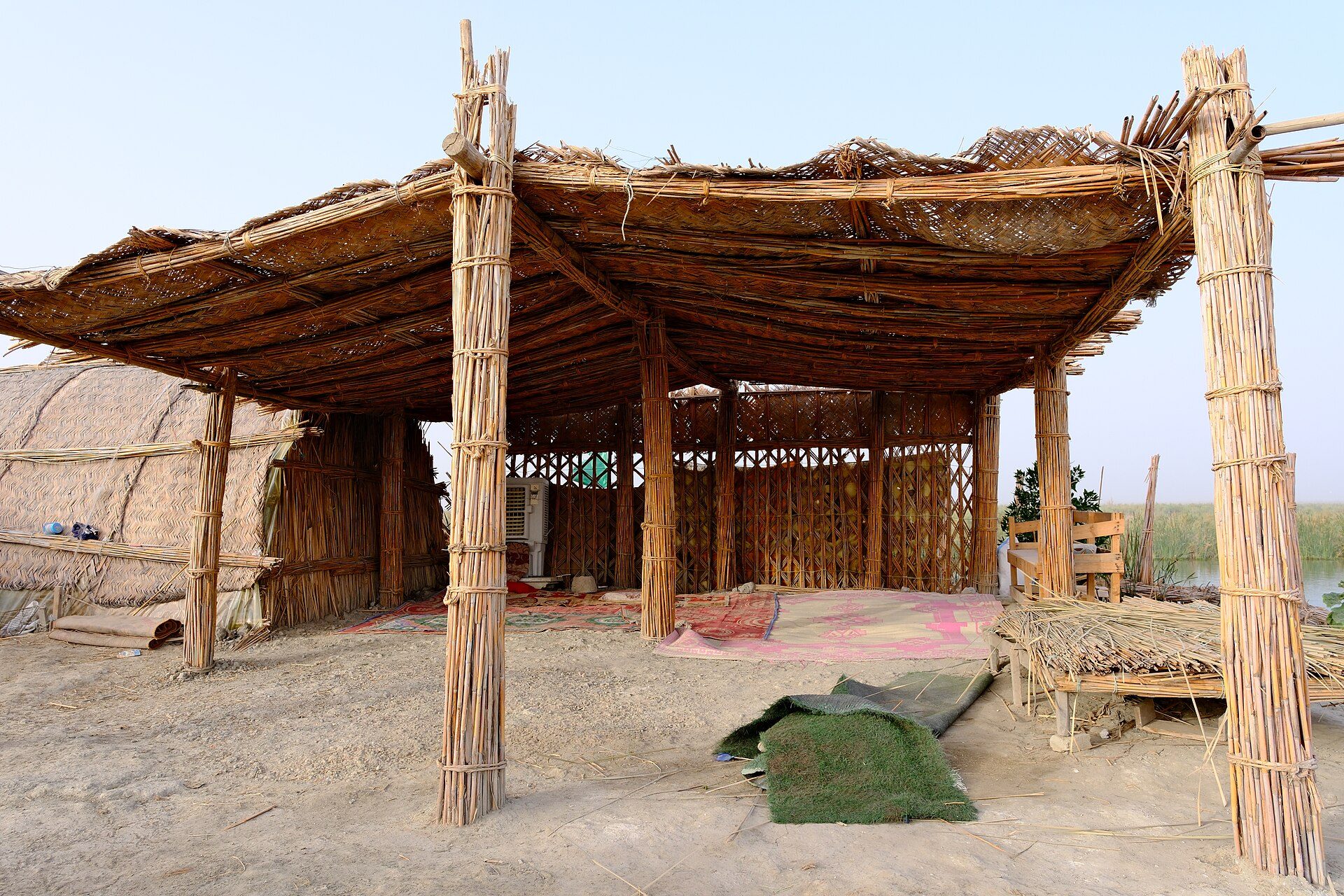 How do the three traditions tell the story of Adam?Scriptures · 15 min · ▶
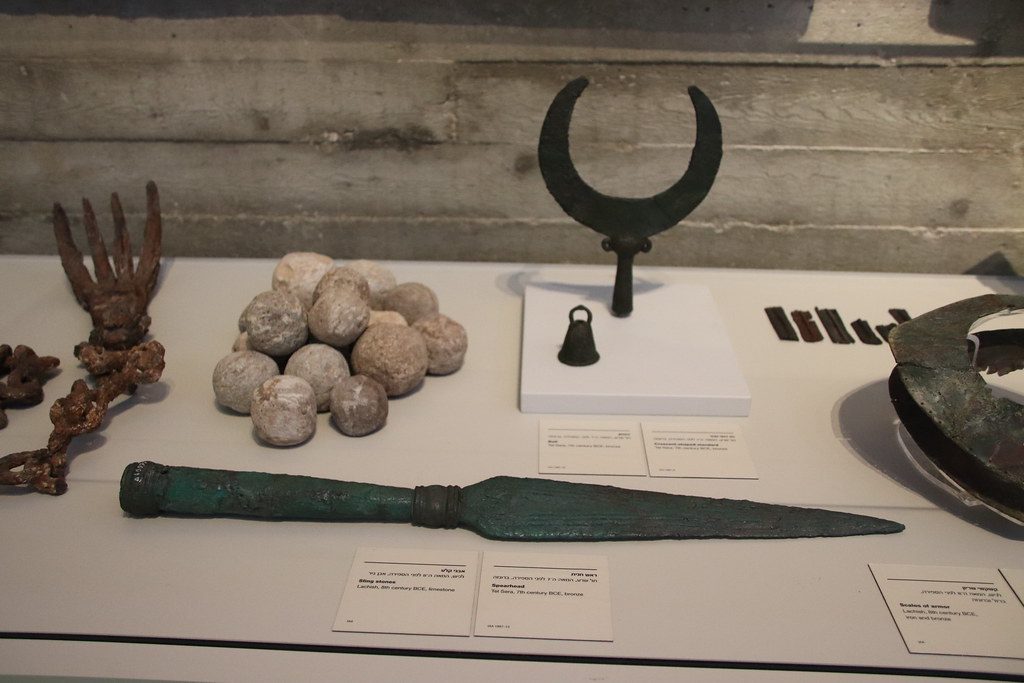 How do the three traditions tell the story of David?Scriptures · 14 min · ▶
 Who are the prophets the three faiths share?Scriptures · 10 min · ▶
 How do the three traditions tell the story of Jesus?Scriptures · 15 min · ▶
 How do the three traditions tell the story of Joseph?Scriptures · 10 min · ▶
 How do the three traditions tell the story of Mary?Scriptures · 15 min · ▶
 How do the three traditions tell the story of Moses?Scriptures · 15 min · ▶
 How do the three traditions tell the story of Noah?Scriptures · 15 min · ▶
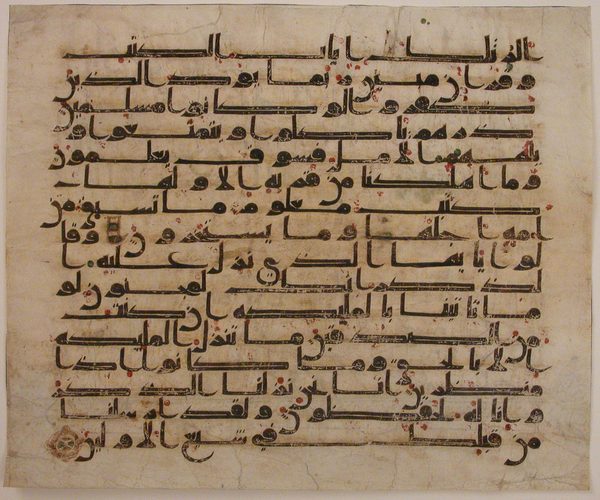 How do we know what scripture says?Scriptures · 5 min
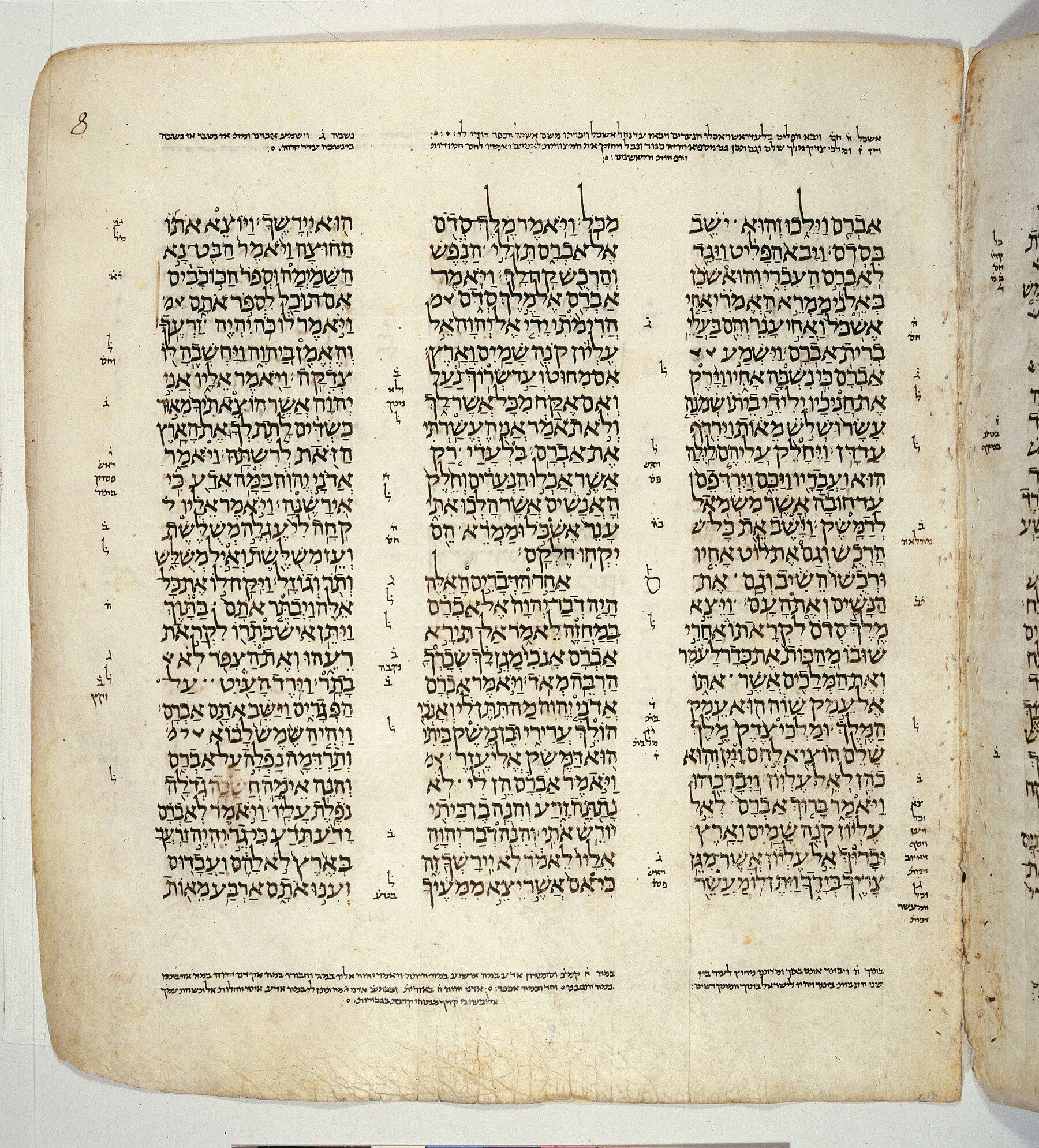 What are the Torah, the Bible and the Qur'an?Scriptures · 2 min
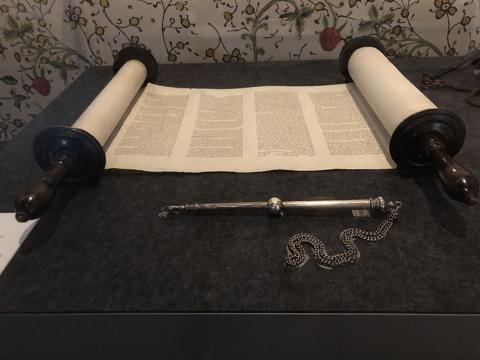 What do the Torah, the Bible and the Qur'an sound like?Scriptures · 2 min
 What is the shared story of Abraham’s sacrifice?Scriptures · 11 min · ▶
 What is the shared story of Adam and Eve?Scriptures · 11 min · ▶
 Which stories do Jews, Christians and Muslims share?Scriptures · 7 min
 What is the shared story of Jonah and the great fish?Scriptures · 11 min · ▶
 What is the shared story of Joseph?Scriptures · 11 min · ▶
 What is the shared story of Mary and the birth of Jesus?Scriptures · 12 min · ▶
 What is the shared story of Moses and Pharaoh?Scriptures · 11 min · ▶
 What are the parables of the Qur'an, Jesus and the rabbis?Scriptures · 5 min
 What is the shared story of Solomon and the ant?Scriptures · 11 min · ▶
 How is the Qur'an recited?Scriptures · 6 min · ▶
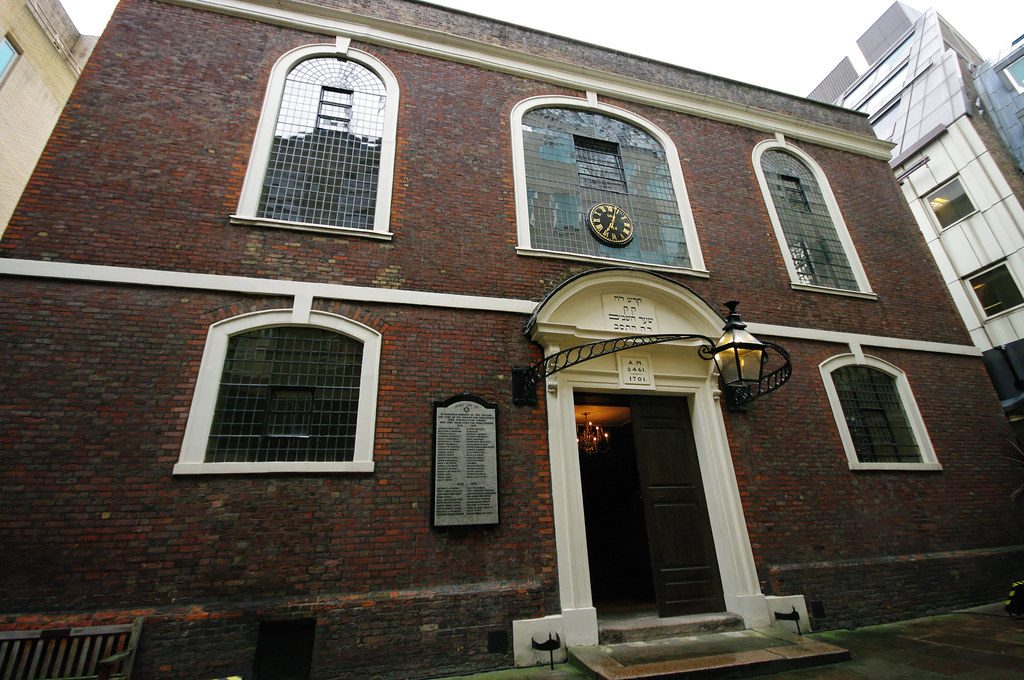 How is the Torah chanted?Scriptures · 4 min · ▶
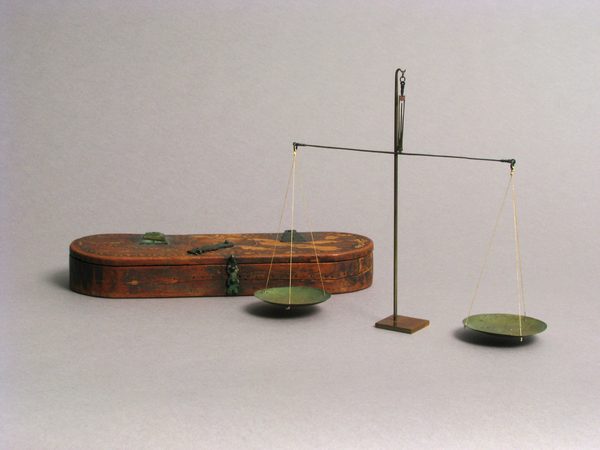 Where does fairness come from?Living together · 8 min · ▶
 What actually works against faith hate?Living together · 10 min
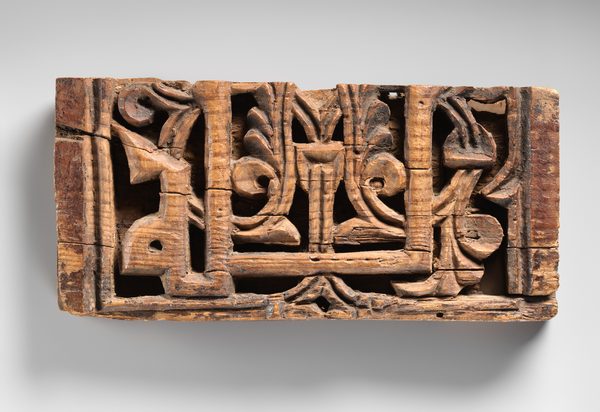 What does Alhamdulillah mean?Living together · 4 min
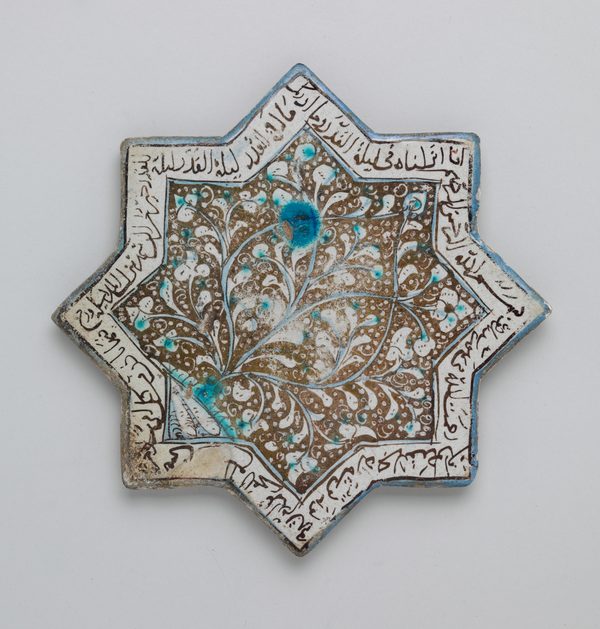 What does Allahu akbar really mean?Living together · 5 min
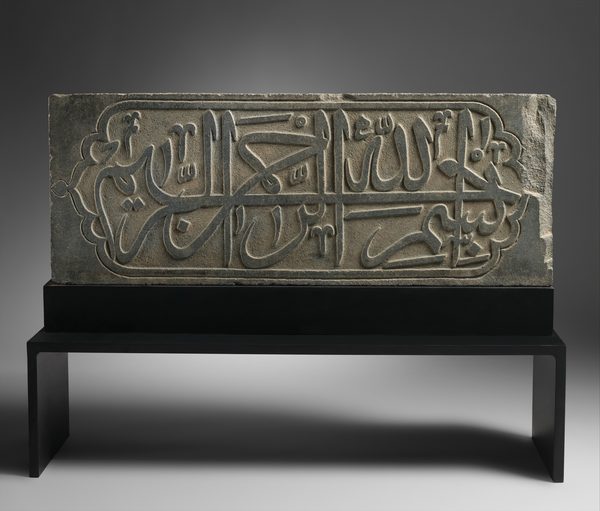 What does Bismillah mean?Living together · 5 min
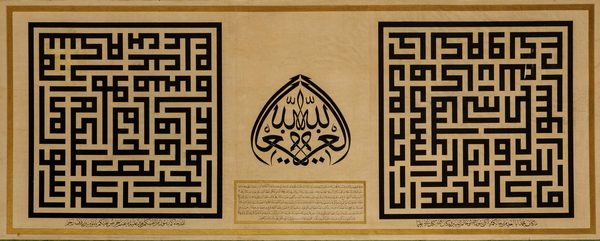 What does In sha' Allah mean?Living together · 4 min
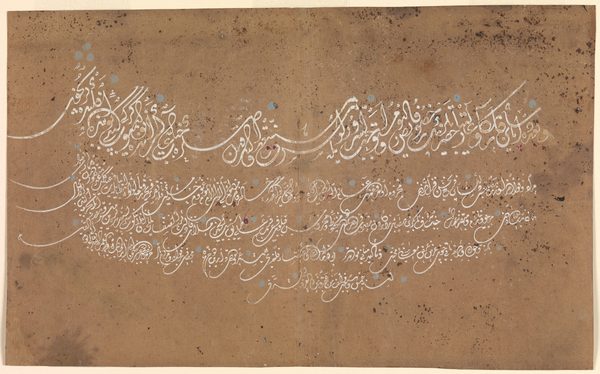 What does Jazak Allahu khayran mean?Living together · 4 min
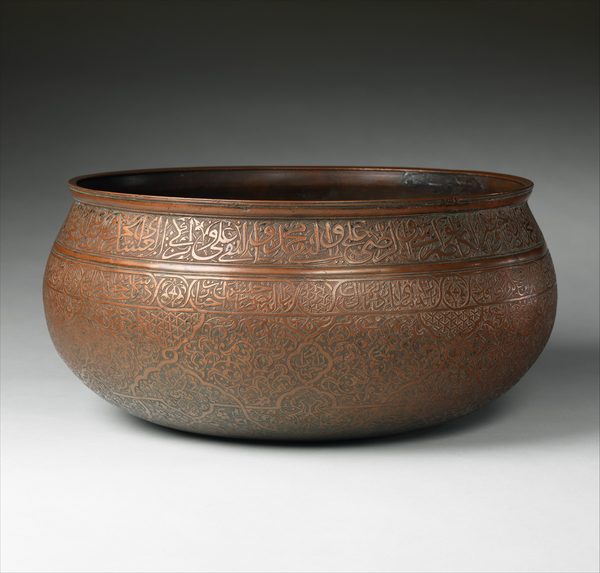 What does Ma sha' Allah mean?Living together · 4 min
 Are salam and shalom the same greeting?Living together · 6 min
 What does Subhan Allah mean?Living together · 5 min
 How do the faiths remember the dead together?Living together · 11 min · ▶
 Why is hospitality sacred in three faiths?Living together · 9 min · ▶
 What questions can we talk about together?Living together · 2 min
 Why does Ramadan move and Easter change date?Living together · 9 min · ▶
 What happened when the mosque doors opened after Grenfell?Living together · 10 min
 What do jihad, sharia and shalom really mean?Living together · 5 min
 Why do faiths warn against false messiahs?Living together · 7 min · ▶
 What does it mean to take God's Name in vain?Living together · 2 min
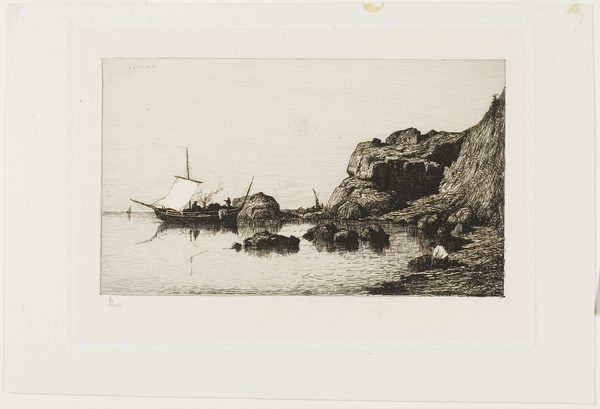
Most of us carry around a handful of very big questions. We ask them at three in the morning, at funerals, under a clear night sky, or when a child catches us off guard. Is anyone there? Why is the world like this? What if I have got it all wrong?
This section takes those questions seriously. Each page gives the best case on several sides: the believer’s, the sceptic’s, and the honest middle where the evidence runs out. Then Jews, Christians and Muslims each answer in their own words, from their own scriptures and teachers, and so do people who live without religion. We don’t pick winners. We would rather you left with a better question than a borrowed answer.
“When I behold Thy heavens, the work of Thy fingers, The moon and the stars, which Thou hast established; What is man, that Thou art mindful of him? And the son of man, that Thou thinkest of him?”
Psalms 8:4–5 · JPS 1917
Psalm 8 is a hymn of wonder attributed to David, sung in synagogues and churches for some three thousand years. It asks the question beneath all the others on this page: in a universe so large, what are we? The Qur’an asks people again and again to look up and think: “Have they not then observed the sky above them, how We have constructed it and beautified it, and how there are no rifts therein?” (50:6, Pickthall).
What Britain thinks: the numbers
Britain is one of the least religious countries in the world, and also one of the most varied. In the 2021 Census for England and Wales, 46.2% of people described themselves as Christian, 37.2% as having no religion, 6.5% as Muslim and 0.5% as Jewish. It was the first census in which fewer than half the population called themselves Christian.
Identity is not the same as belief. The British Social Attitudes survey for 2024 found that 49% of people in Great Britain said they belonged to no religion, and that only about 9% went to a religious service weekly. The social scientist Sir John Curtice summed up the latest data in December 2025: the decline in religious identity has stopped, but there is no sign of a revival.
Belief in God is harder to measure. A 2020 YouGov poll found that 27% of Britons believed in “a god” and a further 16% in “some kind of higher power”. Many people sit somewhere in between, unsure, or believing without belonging. In 2022 a study by Theos and the Faraday Institute found that 57% of British adults saw science and religion as incompatible, while 74% accepted evolution.
The questions don’t go away when belief declines. People without religion still ask why there is anything, what makes life matter, and how to live with suffering. That is why every page in this section is written for people of every faith and none alike.
What each faith says
Judaism
“What is man, that Thou art mindful of him? And the son of man, that Thou thinkest of him?”
Psalms 8:5 · JPS 1917
Judaism has a long love of questions. At the Passover meal, the youngest child asks four questions, beginning “Why is this night different from all other nights?”, and the whole evening is built around answering. The Talmud is largely a record of arguments, with the minority view kept alongside the majority.
Abraham questions God over Sodom; Job questions God over his suffering. The Psalms ask “How long?” and “Why?” Jewish tradition treats honest questioning as part of a relationship with God, not a threat to it.
Christianity
“Now faith is assurance of things hoped for, proof of things not seen.”
Hebrews 11:1 · WEB
Christian theology was described by St Anselm in the eleventh century as “faith seeking understanding”. Christians believe God gave human beings minds to use, and the tradition includes some of the most demanding thinkers in history, from Augustine and Aquinas to Pascal and Kierkegaard.
In the Gospels, Jesus answers questions with questions, tells stories that leave listeners thinking, and welcomes Thomas, who would not believe without seeing. The first letter of Peter asks believers to be ready to give a reason for their hope, “with humility and fear” (1 Peter 3:15).
Islam
“Have they not then observed the sky above them, how We have constructed it and beautified it, and how there are no rifts therein?”
Qur'an 50:6 · Pickthall (1930)
The Qur’an repeatedly asks its listeners to think: “Will they not reflect?”, “Do they not use reason?”, “Do they not look?” It praises “people of understanding” who reflect on creation (3:190–191). Muslim philosophers and theologians, from al-Kindi and Ibn Sina to al-Ghazali and Ibn Rushd, argued fiercely about reason and revelation.
The Prophet Muhammad ﷺ (peace be upon him) is reported to have said that the cure for not knowing is to ask (Abu Dawud 336, graded ḥasan by some scholars and weak by others). Muslim scholars traditionally end an answer with “God knows best”, a reminder that every human answer is provisional.
Without religion
“… in the absence of an afterlife and any discernible purpose to the universe, human beings can act to give their own lives meaning by seeking happiness in this life and helping others to do the same.”
Humanists UK, ‘What is humanism?’ · original English
More than a third of people in England and Wales ticked “No religion” in the 2021 Census. About half of British adults told the British Social Attitudes survey in 2018 that they belong to no religion. They are not one group. Some call themselves humanists, some atheists or agnostics; many would simply say they are not religious. Some grew up in a faith and left it. Many never had one.
They ask the big questions too, at the same funerals and under the same night sky, and answer them without God. In What I Believe (2024), Andrew Copson of Humanists UK gathered more than thirty humanists answering in their own words. Among them are the anatomist Alice Roberts, the classicist Natalie Haynes, the broadcaster Sandi Toksvig and the physicist Jim Al-Khalili. Their answers differ. What they share is trust in evidence, and the conviction that this life is the one to make good.
Same and different
All three faiths make room for questions, keep stories of doubt and protest in their scriptures, and have rich traditions of philosophy. They also share a conviction that some answers come by revelation, not only by reasoning. They differ in the answers they reach, and on these pages we say so plainly. Non-religious people share the questions and the love of reasoning, and often the wonder too.
A moment to reflect
- Which of the seven questions matters most to you right now? Why that one?
- Is there a question you were told not to ask? What happened when you asked it anyway?
- Who is the best person you know to talk to about big questions? What makes them good at it?
- Which big question do you think people of every faith and none ask in exactly the same words?
Watch
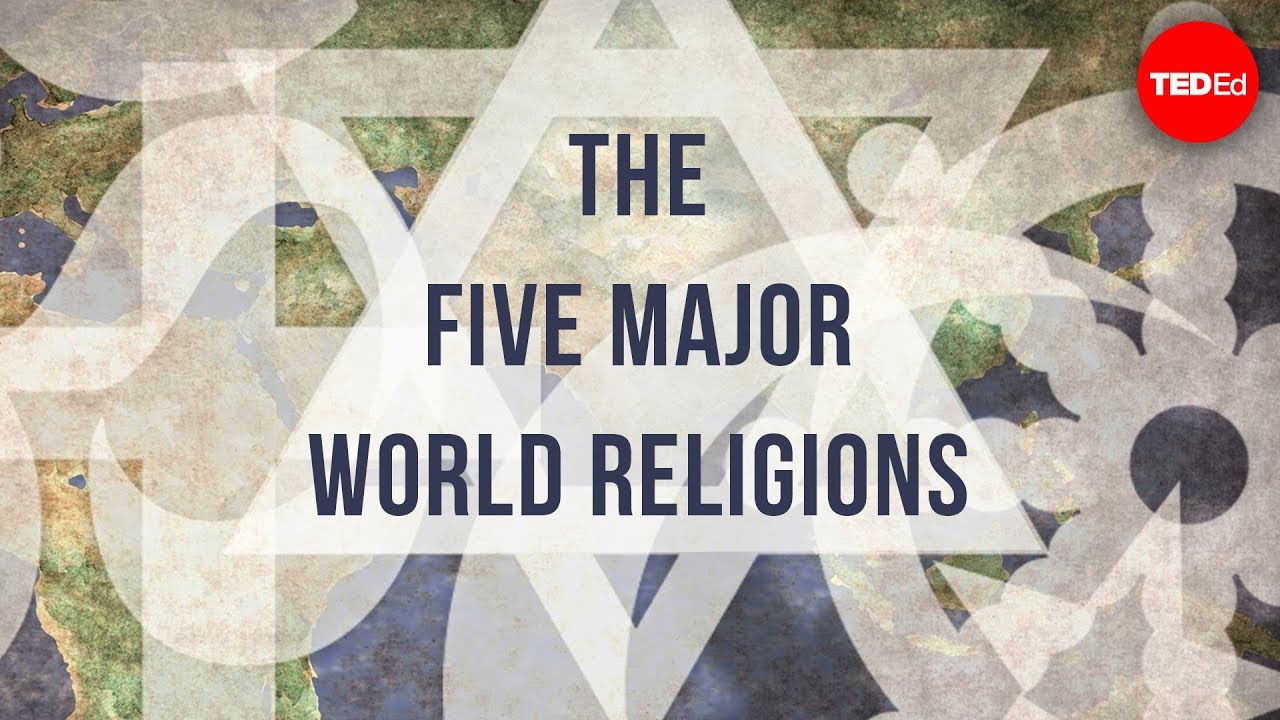
A five-minute introduction to the world’s major religions, as a starting map.
Philosophers and scientists of several views on why anyone believes in God.
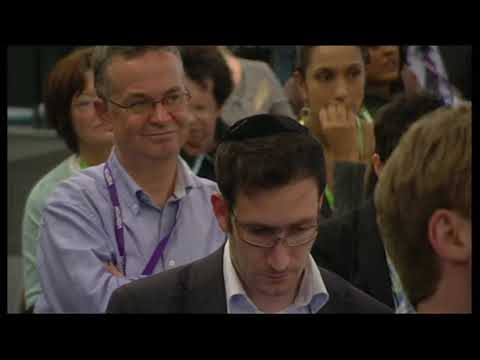 REThink - debate with Rabbi Sacks and Richard Dawkins · The Rabbi Sacks LegacyPlays on “Does science rule out God?” →
Rabbi Sacks and Richard Dawkins model how to disagree well about the biggest questions.
Do it together
Put a jar on the table for a month. Anyone can drop in a big question on a slip of paper. Once a week, pull one out over dinner or in class and talk about it, with no one obliged to answer.
Host a monthly evening in a café, library or community centre. Pick one page from this section, read the hook aloud, and discuss in small mixed tables of people with a faith and people without one.
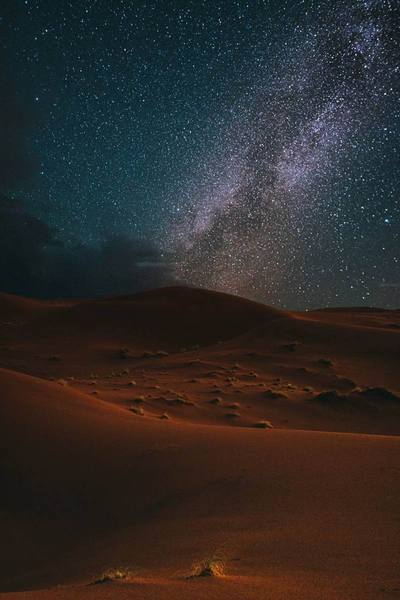
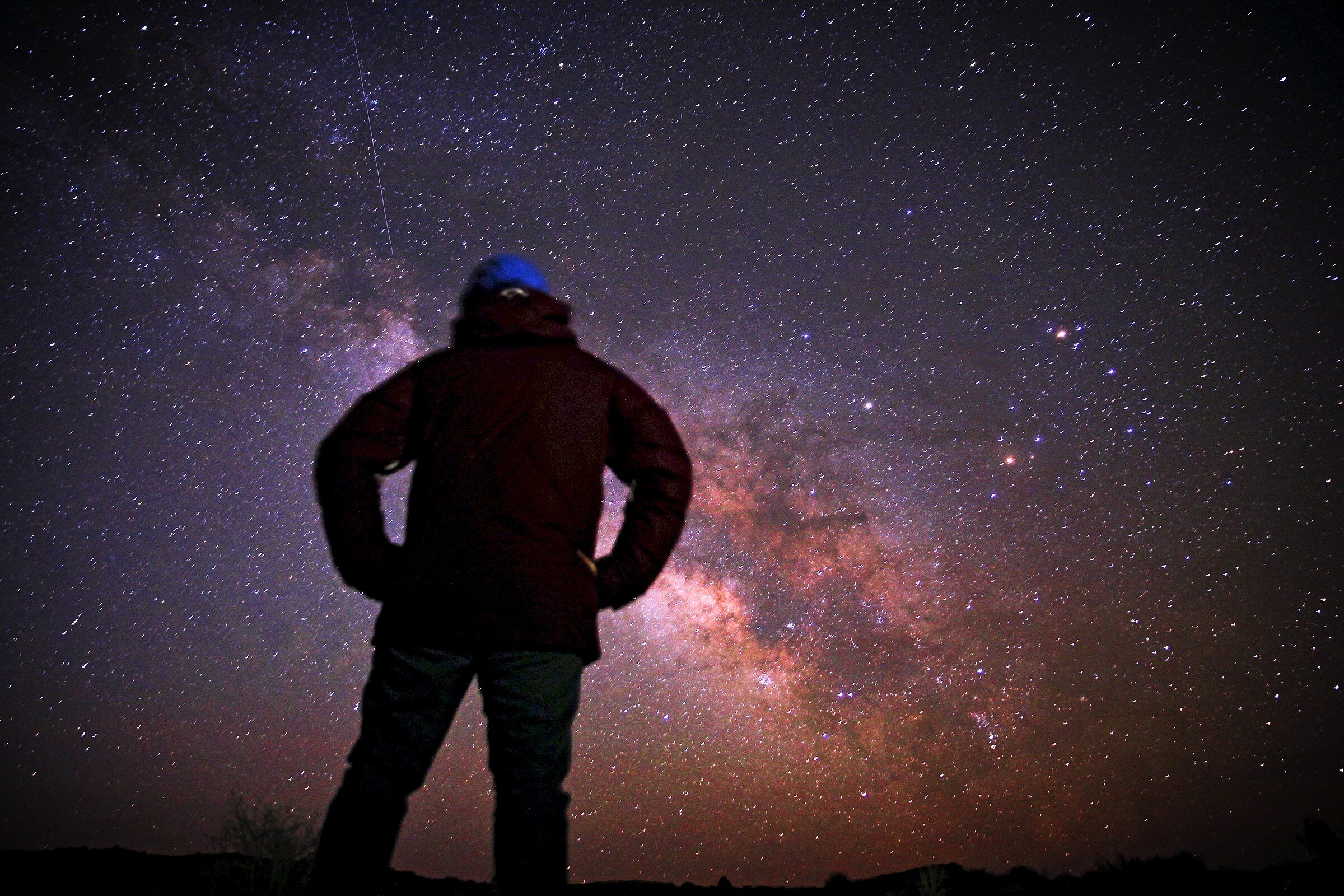
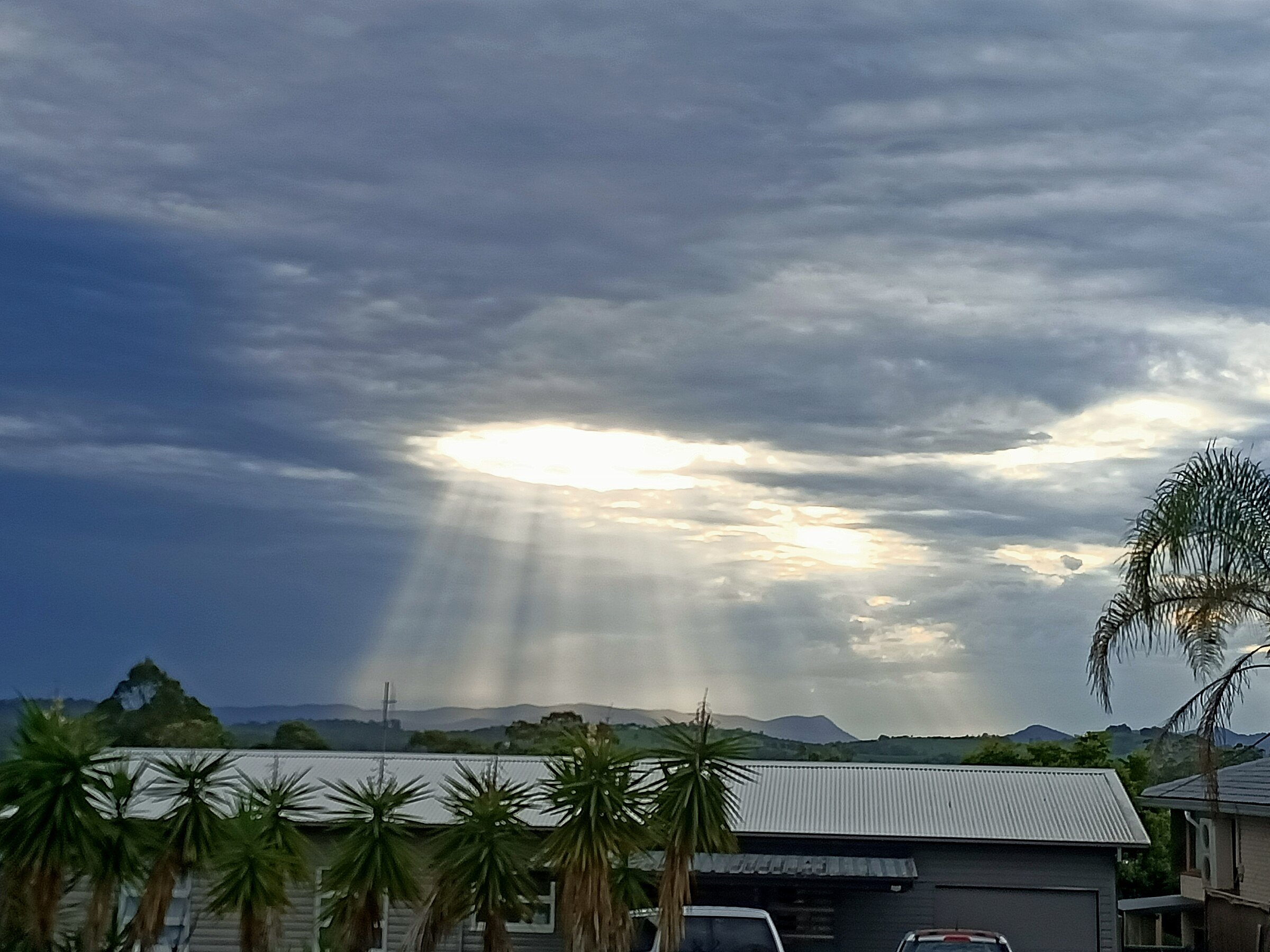
On a clear night, go somewhere dark. Read Psalm 8 and Qur’an 50:6 aloud, then spend five minutes in silence looking up. Share one word each about how it felt.
At the Passover meal, the seder, the youngest child asks four questions and the whole evening answers them. Borrow the idea: at your next family meal, let the youngest ask one big question and have everyone answer in turn, from their own faith or none.
Go together to Choral Evensong in a cathedral or college chapel: the Church of England’s evening service of psalms, readings and the Magnificat, Mary’s song of praise. It is free and open to all. Afterwards, share which words stayed with you.
Go deeper
- Religion, England and Wales: Census 2021 (ONS) · article
- British Social Attitudes: Religion (NatCen) · article
- Philosophy of Religion (Stanford Encyclopedia of Philosophy) · article
- Psalm 8 (Sefaria) · scripture
- Philosophy and ethics, GCSE RS (BBC Bitesize) · article
- The Four Questions, Passover Haggadah (Sefaria) · scripture
- Augustine, Confessions (Christian Classics Ethereal Library) · book
- Understanding Humanism: resources for schools (Humanists UK) · article
In pictures
Sources (5)
- Census 2021 religion figures: ONS, Religion, England and Wales: Census 2021
- BSA 2024: 49% no religion, ~9% weekly attendance; Curtice Dec 2025: NatCen, British Social Attitudes
- YouGov Dec 2020: 27% believe in a god, 16% higher power: YouGov, 2020
- 57% incompatible; 74% accept evolution: Theos and the Faraday Institute, 2022
- Hadith: the cure for ignorance is to ask: Sunan Abi Dawud 336, Sunnah.com