On a Friday afternoon, a Jewish family switches off their phones, lights two candles and blesses bread and wine. On Friday lunchtime, Muslim workers leave their desks and fill the mosque. On Sunday morning, church bells ring across Britain. For centuries, the shape of the British week came from a day of rest. In many ways, the weekend still does.
Stopping turns out to be one of the oldest ways of saying thank you. You did not make the world. So one day a week, you stop trying to run it, and enjoy it.
“Remember the sabbath day, to keep it holy. Six days shalt thou labour, and do all thy work; but the seventh day is a sabbath unto the LORD thy God, in it thou shalt not do any manner of work, thou, nor thy son, nor thy daughter, nor thy man-servant, nor thy maid-servant, nor thy cattle, nor thy stranger that is within thy gates; for in six days the LORD made heaven and earth, the sea, and all that in them is, and rested on the seventh day; wherefore the LORD blessed the sabbath day, and hallowed it.”
Exodus 20:8–11 · JPS 1917
In Exodus, the Sabbath remembers creation. When the commandment is repeated in Deuteronomy, it remembers freedom: “thou shalt remember that thou was a servant in the land of Egypt” (5:15). Either way, the rest is for everyone: children, workers, strangers and even animals.
Rest is not a luxury
The seven-day week is very old, and the idea of a weekly day off for everyone, servants and animals included, is one of the Hebrew Bible's great gifts to the world. In 321 CE the Roman emperor Constantine made Sunday a day of rest across his empire.
Today, health researchers treat rest as a need. In 2021 the World Health Organization and the International Labour Organization reported that working 55 hours or more a week is linked to a higher risk of stroke and heart disease. Science has not shown that a weekly day off is the only answer. But it is clear that people are not machines, and that regular rest matters.
Watch
Watch
What each faith says
Judaism
“And on the seventh day God finished His work which He had made; and He rested on the seventh day from all His work which He had made. And God blessed the seventh day, and hallowed it”
Genesis 2:2–3 · JPS 1917
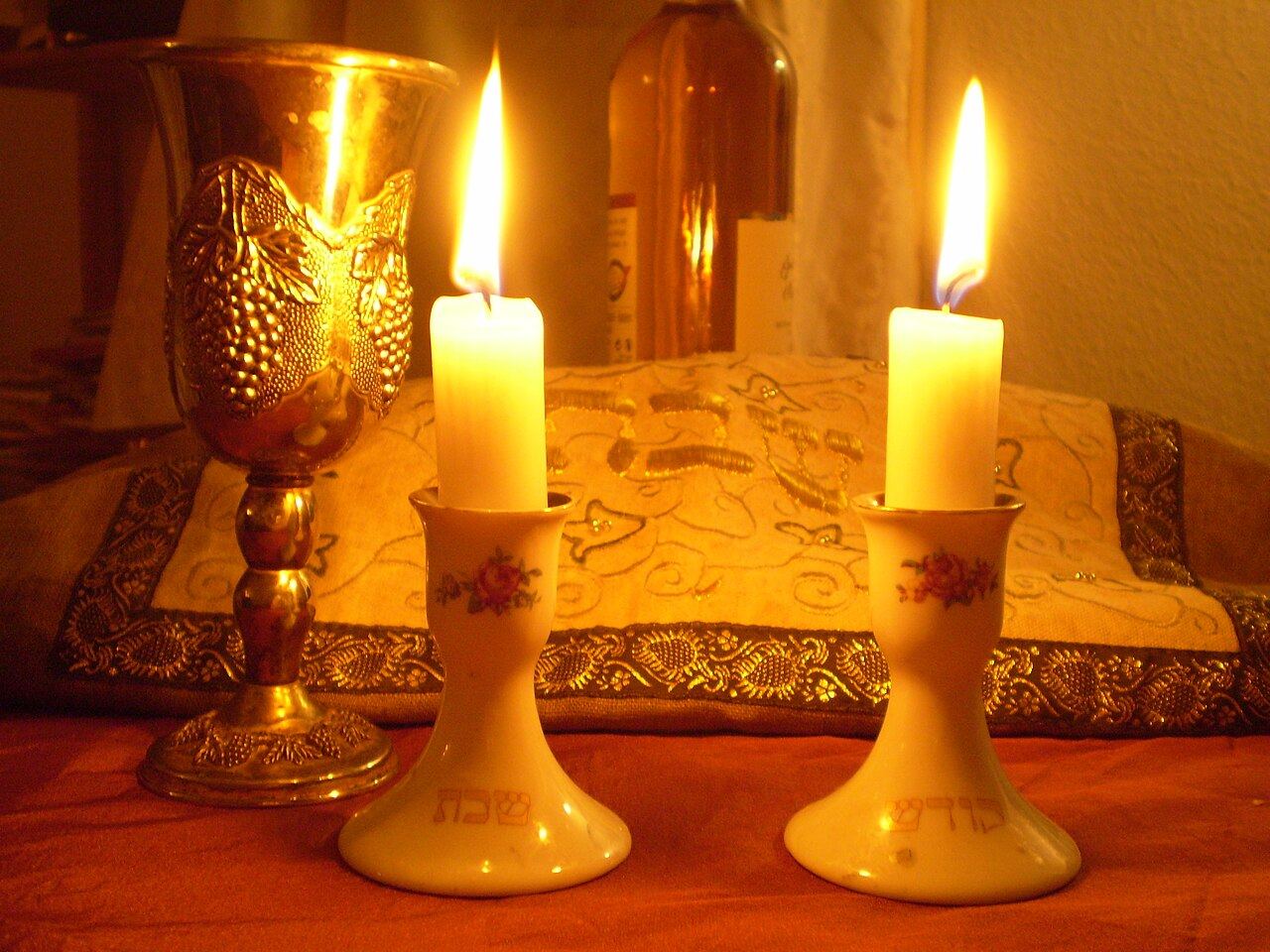
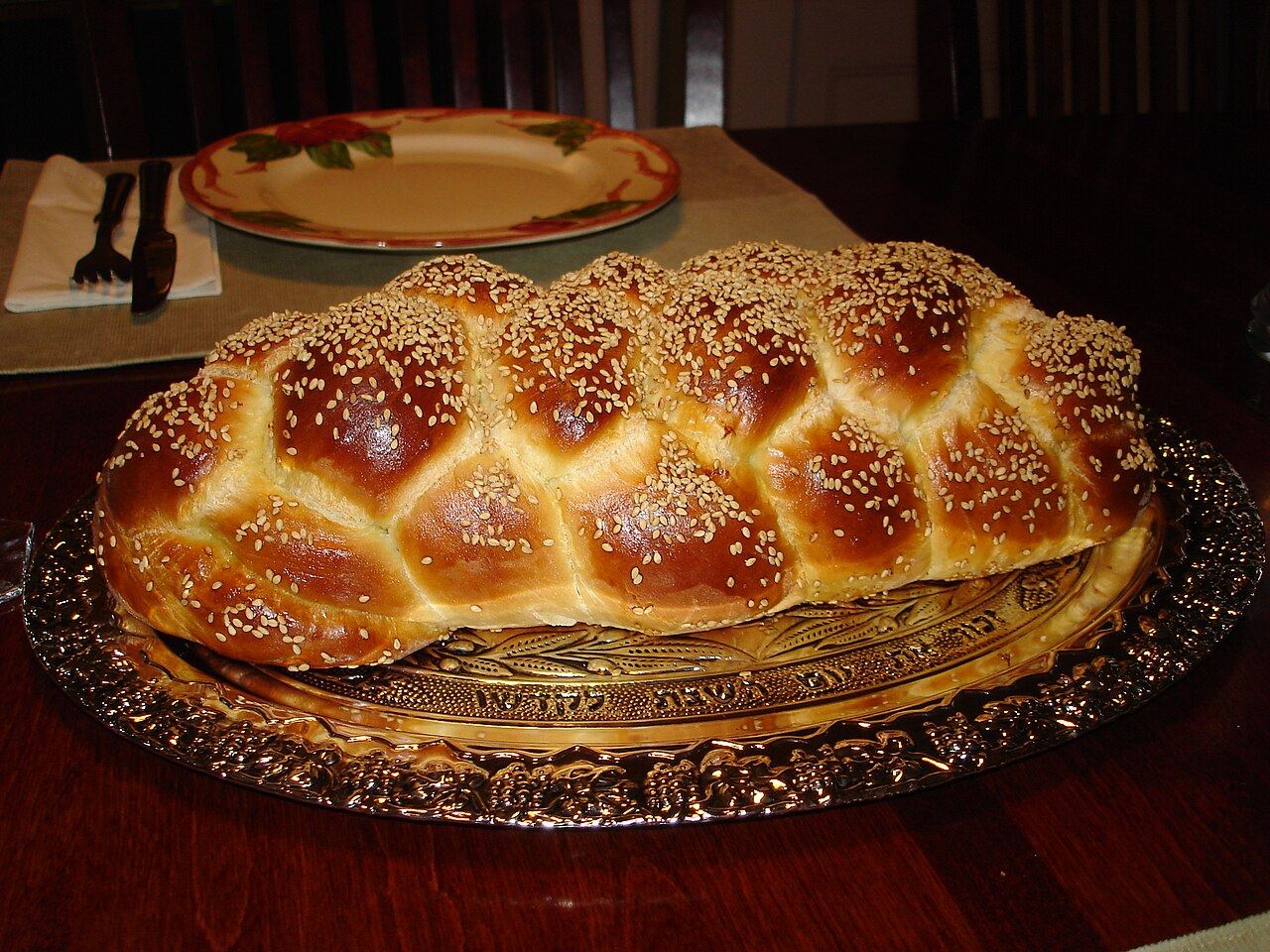
Shabbat runs from just before sunset on Friday to after dark on Saturday. Observant Jews do no work, in the detailed sense set out by the rabbis: no cooking, writing, shopping or switching on lights. In its place come family meals, synagogue, study, walks, games and sleep. Shabbat begins with Kiddush, a blessing over wine that thanks God for creation and for freedom. The rabbis called Shabbat a taste of the world to come.
Christianity
“The Sabbath was made for man, not man for the Sabbath.”
Mark 2:27 · World English Bible (British Edition), public domain
Most Christians keep Sunday, “the Lord's day” (Revelation 1:10), because they believe Jesus rose from the dead on the first day of the week. It is a day for worship and, for many, for rest and family. Seventh-day Adventists keep Saturday as their Sabbath. Jesus defended a Sabbath that serves people, and invited the tired to come to him for rest (Matthew 11:28).
Islam
“O ye who believe! When the call is heard for the prayer of the day of congregation, haste unto remembrance of Allah and leave your trading. That is better for you if ye did but know. And when the prayer is ended, then disperse in the land and seek of Allah's bounty, and remember Allah much, that ye may be successful.”
Qur'an 62:9–10 · Pickthall (1930)
Friday, Jumuʿa, is the day of gathering. Muslim men are required, and women are welcome, to join the midday congregational prayer with its sermon. Islam does not ask for a whole day without work. The Qur'an says to leave trade for the prayer, then go out again and seek God's bounty, remembering Him often. Rest in Islam is spread through every day: five prayers are five pauses.
Without religion
The weekend grew partly from the Sabbath and Sunday, and partly from trade unions' long campaigns for shorter working weeks. Many non-religious families keep a screen-free day, a Sunday walk or a long Saturday breakfast. You do not need a creed to know that people need to stop.
Sikhi
“At the ambrosial hour of morning meditate on the true Name and God's greatness.”
Guru Granth Sahib, ang 2 (Japji, pauri 4) · Max Arthur Macauliffe, The Sikh Religion (1909), public domain
Sikhs have no weekly sabbath; every day belongs to God. The daily rhythm matters more. Many rise in amrit vela, the early hours before dawn, to bathe and recite the Japji, and say further prayers in the evening and at night. In Britain, many gurdwaras hold their biggest gathering on Sunday, simply because that is when people are free.
Hindu traditions
Hinduism has no weekly day of rest either. Instead, sacred time is woven through ordinary life. Each day of the week is linked with a deity, Ekadashi comes twice a month, and festivals mark the year. Many Hindus begin the day with prayer at sunrise, and some end it with aarti at dusk. Rest and worship are mixed into everyday life rather than set apart.
Beyond the Abrahamic faiths
Buddhists keep uposatha days, linked to the phases of the Moon. Lay people may visit a temple, keep extra precepts, meditate and listen to teaching. The Bahá'í calendar also has holy days on which work is suspended.
Same and different
Jews rest on the seventh day, Muslims gather on the sixth, and most Christians keep the first. Three days in a row, three ways of stopping. Jews stop all work; Christians centre the day on worship; Muslims pause for prayer and then return to trade. Sikhs and Hindus build the pause into every day instead. The shared idea is that time belongs to God, and that stopping to enjoy what you have been given is itself a way of giving thanks. All of them might agree that rest was made for people.
A moment to reflect
- If you had one day a week with no work and no screens, what would you do with it?
- Why does the commandment include servants, strangers and animals?
- Is stopping work a kind of thank you? Why or why not?
- What would Britain lose if there were no shared day of rest at all?
Watch
Watch
A Jewish telling
 What is Shabbat? | Religious Studies - My Life, My Religion: Judaism · BBC Bitesize for TeachersPlays on “Shabbat — the seventh day” →
Do it together
Some synagogues and Jewish families welcome guests to a Friday night meal, and some mosques hold open days after Jumuʿa. Ask, go, and say thank you with something you have baked.
Pick a weekly afternoon with no screens and no chores. Light a candle at the start and the end. Afterwards, each person says one thing they noticed that they usually miss.
Make a weekly calendar showing Friday, Saturday and Sunday for Muslims, Jews and Christians. Add the daily rhythms of Sikhs and Hindus. Discuss what a shared rest day does for a country.
Go deeper
- Shabbat 101 (My Jewish Learning) · article
- Qur'an 62:9–11 (Quran.com) · scripture
- Long working hours increasing deaths from heart disease and stroke (WHO, 2021) · research
- Nitnem: Sikh daily prayers (SikhiWiki) · article
In pictures

Sources (7)
- Exodus 20:8–11, Deuteronomy 5:15, Genesis 2:2–3 text: Sefaria, JPS 1917
- Mark 2:27, Revelation 1:10, Matthew 11:28 text: World English Bible (British Edition) via bible-api.com
- Qur'an 62:9–10 meaning (rendered Pickthall (1930) where quoted): Quran.com
- Japji pauri 4 ('ambrosial hour') in Macauliffe's translation: Max Arthur Macauliffe, The Sikh Religion, vol. 1 (1909), Wikisource
- Constantine's Sunday law, 7 March 321: Wikipedia, Sabbath in Christianity
- 55+ hours a week linked to higher risk of stroke and heart disease: WHO/ILO news release, 17 May 2021
- Uposatha observance days: Wikipedia, Uposatha