A meal begins with a pause
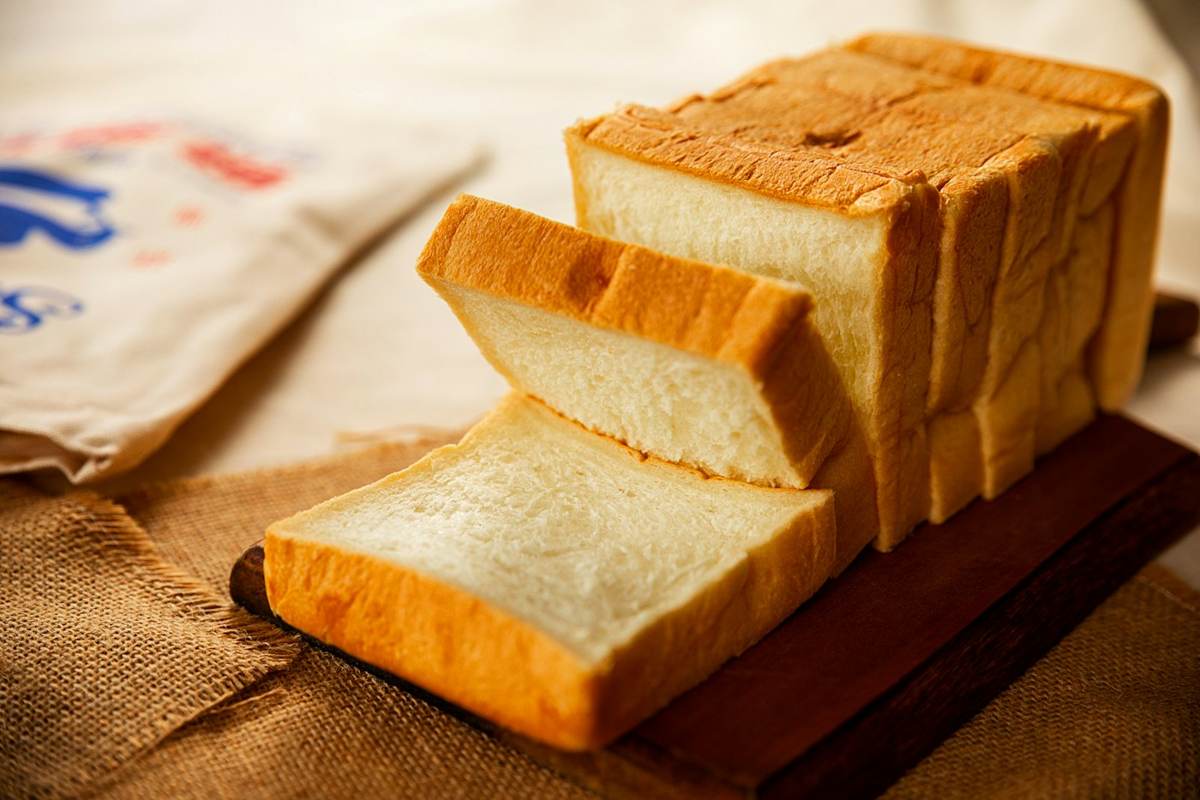
Look at a plain loaf of bread. Somebody sowed, somebody harvested, rain fell, and none of it was owed to us. All three faiths take that thought seriously. A meal is not only fuel. It is a gift, and a gift calls for thanks.
The Hebrew Bible, the Gospels and the Qur'an each say it in their own words. The Psalms say that God makes the earth bring forth:
To bring forth bread out of the earth, And wine that maketh glad the heart of man
Psalm 104:14-15 · JPS 1917
Thank the Giver
And thou shalt eat and be satisfied, and bless the LORD thy God for the good land which He hath given thee.
Deuteronomy 8:10 · JPS 1917For every creature of God is good, and nothing is to be rejected if it is received with thanksgiving. For it is sanctified through the word of God and prayer.
1 Timothy 4:4-5 · WEB (British Edition)O ye who believe! Eat of the good things wherewith We have provided you, and render thanks to Allah if it is (indeed) He Whom ye worship.
Qur'an 2:172 · PickthallIf you want the wider story of thankfulness, start with why we give thanks and the harvest and thanksgiving page. For the stories of welcome at table, see the shared table, where Abraham (peace be upon him) runs to feed three strangers.
Judaism, in its own words
Observant Jews bless before and after eating. Before bread, they say a short blessing that thanks God "who brings forth bread from the earth". The early rabbis of the Mishnah set out a different blessing for each kind of food: for wine, for fruit that grows on trees, for what grows from the ground, and a special one for bread (Mishnah Berakhot 6:1, on Sefaria).
After a meal that includes bread, the duty comes straight from Deuteronomy 8:10, "thou shalt eat and be satisfied, and bless the LORD". It is called Birkat Hamazon, the Grace after Meals. My Jewish Learning describes four blessings: for the food, for the land, for Jerusalem, and for God's goodness. When three or more have eaten together, one invites the others to say it together, which is called zimun. Who counts towards the three varies by community. After a lighter snack or drink, a shorter blessing is enough.
Many Jews wash their hands before the bread. Read more on Shabbat and the home life of Judaism.
Christianity, in its own words
Christians call the blessing before a meal "grace". Jesus (peace be upon him) is remembered giving thanks before he shared food:
he took the five loaves and the two fish, and looking up to heaven, he blessed, broke and gave the loaves to the disciples
Matthew 14:19 · WEB (British Edition)
Wording varies from church to church and from family to family. A Catholic grace begins "Bless us, O Lord, and these thy gifts, which we are about to receive from thy bounty, through Christ our Lord". A well-known Anglican one asks "For what we are about to receive, may the Lord make us truly thankful". In the Orthodox tradition the priest or the head of the table blesses the food and drink, and a thanksgiving is sung or said afterwards. Many Protestant families simply say their own words, and the Quakers (the Religious Society of Friends) often keep a moment of silence. Some Christians do not say a set grace at all.
The after-meal thanks matters too. Read about the Christian year and worship and the sacraments, where the shared meal of Holy Communion has its own place.
Islam, in its own words
A Muslim begins a meal by saying "Bismillah", "in the name of Allah". The Prophet Muhammad ﷺ (peace be upon him) taught a child who was reaching all over the dish: "Mention the Name of Allah and eat with your right hand, and eat of the dish what is nearer to you" (Sahih al-Bukhari 5376). If someone forgets at the start, he taught them to say, "In the name of Allah at the beginning and at the end of it" (Sunan Abi Dawud 3767).
When the meal is over, the Prophet ﷺ would say words of thanks. One report gives them as: "All praise is due to Allah who fed us and gave us drink, and made us Muslims" (Jami' at-Tirmidhi 3457). Another has him praising Allah with "abundant, good and blessed" praise (Sahih al-Bukhari 5458). The Qur'an says the same in its own way:
So eat of the lawful and good food which Allah hath provided for you, and thank the bounty of your Lord if it is Him ye serve.
Qur'an 16:114 · Pickthall
Read more in the Islam essentials and the page on fasting.
What they share
A pause, an acknowledgement that the food is a gift, and thanks said aloud or in silence. All three also remember the people who have no meal: giving to the poor sits close to the thanks (see giving).
Honest differences
- Judaism sets a blessing for each kind of food, and a full Grace after Meals when bread is eaten. Christians usually say grace before a meal, in set or free words, and some give thanks afterwards too. Muslims say "Bismillah" at the start and praise Allah at the end.
- Christian practice varies a great deal. Some churches use printed graces, some use free prayer, some keep silence.
- Where Jews and Muslims follow rules about which food is permitted, Christians have no single code. The next page, kosher, halal and the Christian table, explains how those differ.
At a neighbour's table
- Let the host begin. A moment of quiet while they say their blessing is a courtesy, whatever you believe.
- You do not need to say the words of someone else's prayer. A nod and "Amen" or "Ameen" is welcome, or just stay respectfully silent.
- Ask before you start: "Would you like to say a blessing first?" is kind and easy.
Keep reading
Next: Kosher, halal and the Christian table, then fasts and feasts.