Allah is the Arabic word for God, used by Muslims and by Arabic-speaking Christians and Jews. Jews, Christians and Muslims each trace their faith to Abraham (peace be upon him) and worship God in their own way. Their holy days are the times of year when that worship is easiest to see: a lit window, a fasting colleague, a hut of branches in a back garden, a church full of candles at midnight.
This set is for ordinary neighbours. It does not ask you to believe anything. It tells you what the day means to the people who keep it, in their own words, and what small things help. A greeting. A question asked kindly. A meeting moved to another day.
Four short guides
- Ramadan and Eid: the Muslim month of fasting and the feast that ends it.
- Passover and Easter: the Jewish spring festival of freedom and the Christian celebration of the resurrection of Jesus, which share a season and a name in many languages.
- Rosh Hashanah, Yom Kippur and Sukkot: the Jewish autumn, from the New Year to the Day of Atonement to the harvest hut.
- Christmas and Hanukkah: two midwinter festivals of light that are often mistaken for each other and are quite different.
How the dates are set
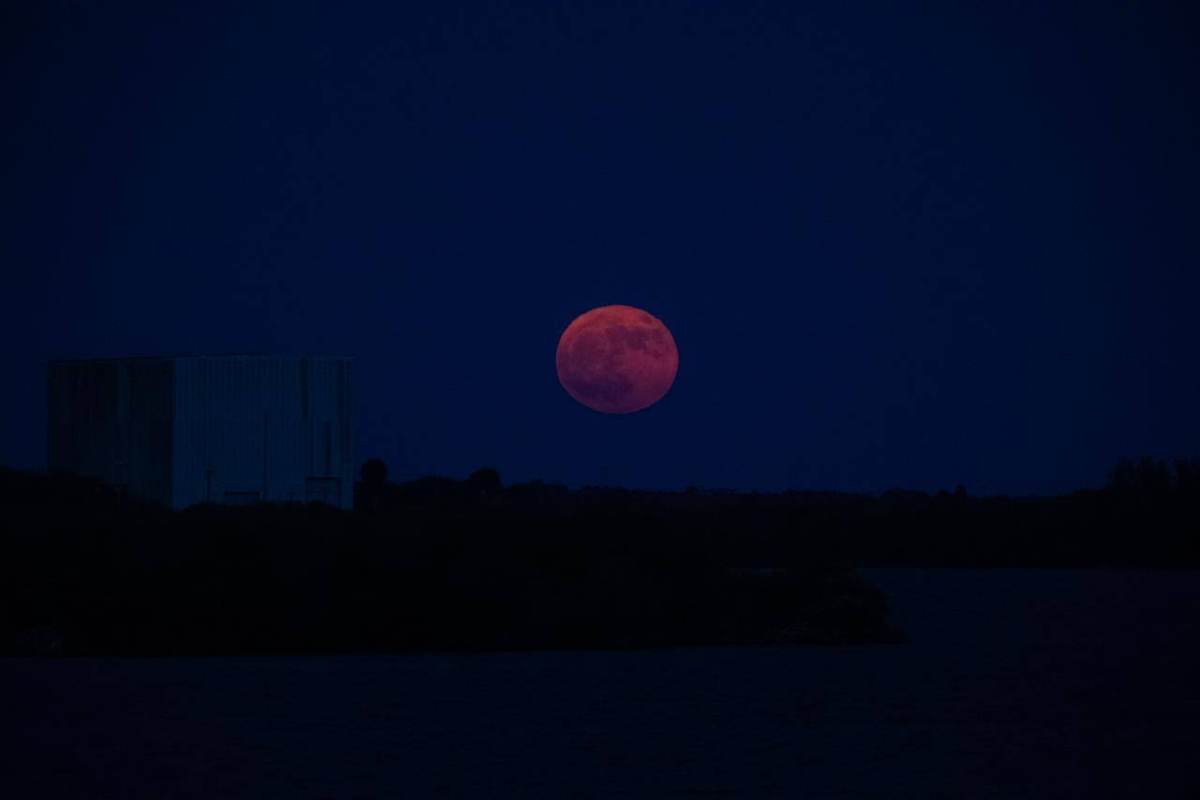
A day is a day everywhere. A year is harder, because the Sun and the Moon do not fit together neatly. Each tradition has found its own way to keep faith with the sky. Our page This month across faiths explains the astronomy. The short version is in the table.
| Festival | Who keeps it | How the date is set | What that means for you |
|---|---|---|---|
| Ramadan and Eid | Muslims | Lunar: months begin with the new crescent | Moves about eleven days earlier each year; can differ by a day between mosques |
| Passover | Jews | Lunisolar: months follow the Moon, with a leap month to stay in spring | Always in spring; the date moves on the everyday calendar |
| Easter | Christians | A rule tied to the Moon and the spring equinox | Moves within a few weeks; Western and Orthodox churches often differ |
| Rosh Hashanah, Yom Kippur, Sukkot | Jews | Lunisolar | Always early autumn; begin at sunset the evening before |
| Hanukkah | Jews | Lunisolar (25th of the month of Kislev) | Always midwinter; date moves on the everyday calendar |
| Christmas | Christians | Solar: a fixed day | 25 December in most churches; 7 January in Orthodox churches that use the Julian calendar |
Two habits are worth knowing. Jewish and Islamic days begin at sunset, so festivals begin the evening before the date you see in a diary. And because a moon sighting can be local, some Muslim communities start Ramadan or Eid a day apart from each other. Neither is "wrong". They are following different methods.
In 2026, Hanukkah begins on the evening of Friday 4 December. For every other date, check our calendar of the year ahead or a local place of worship, as the dates move.
This week across faiths
The Together page has a panel called "This week across faiths" that shows what is happening now, from Inter Faith Week to Mitzvah Day. Start at Together, or see Days out and things to do together for the year ahead.
Five habits that work for every festival
- Ask, do not assume. Practice varies a great deal within every faith. A kind question beats a confident guess.
- Learn one greeting. One word in the right language, said warmly, is remembered for years.
- Move the meeting. The best gift to a colleague on a holy day is a diary that works around it.
- Mind the food. Check halal, kosher and vegetarian needs before you cater. Never offer food or drink to a fasting person as a joke.
- Do not compare. Please do not say "it is the same as our Christmas". Each festival is its own thing, in its own words.
If you are unsure
- Ask: "Is there anything that would help you this week?"
- Check the date on a place of worship's own website. Dates can move by a day.
- Offer a lift, a dish, a quiet room or a changed deadline before a card.
- If you get it wrong, say sorry and ask again. Nearly everyone is glad you tried.
Many neighbours also keep Diwali, Vaisakhi, Vesak and other days. See the calendar for those; these five guides cover the three Abrahamic faiths this site is built around.