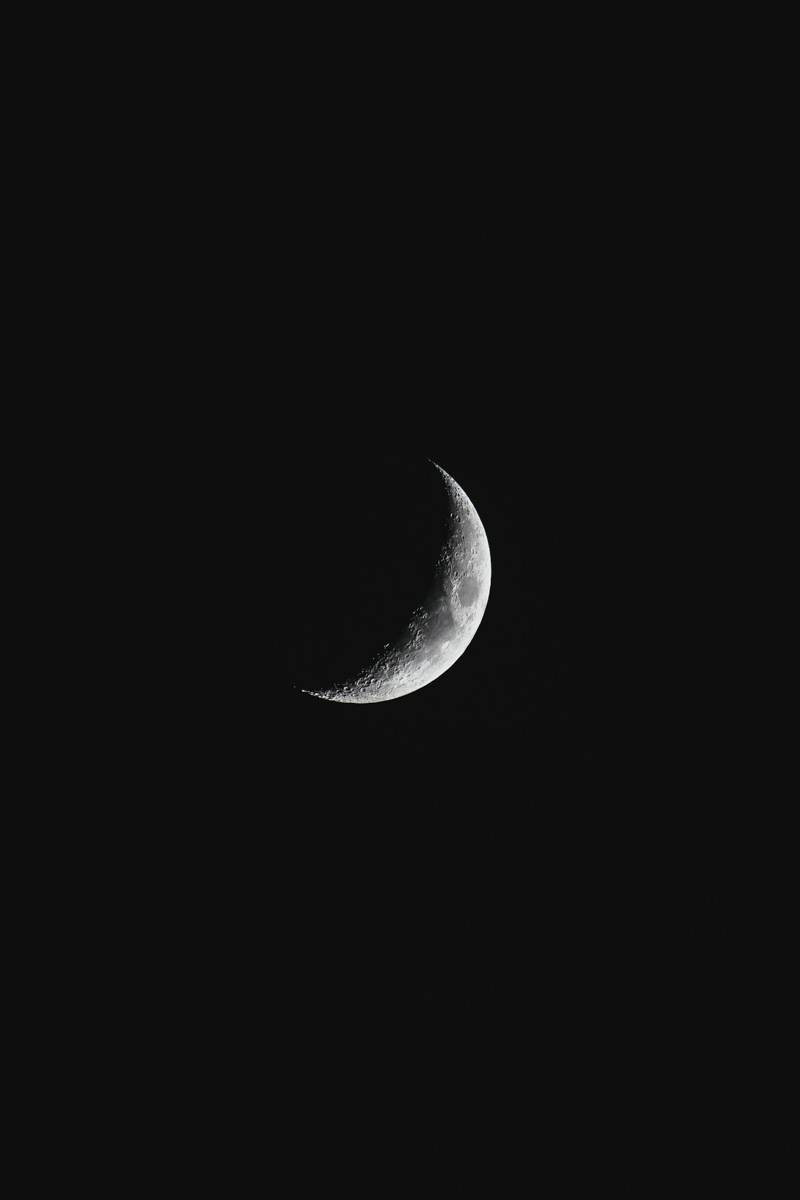
Ramadan is the ninth month of the Islamic year. Muslims believe it is the month in which the Qur'an began to be revealed to the Prophet Muhammad ﷺ (peace be upon him), in Makkah (Mecca). From first light until sunset, healthy adult Muslims do not eat, drink or take anything by mouth. They give more, pray more and try to be more patient. Then comes Eid.
What it means, in Muslim words
The Qur'an gives the fast its purpose in one line:
O ye who believe! Fasting is prescribed for you, even as it was prescribed for those before you, that ye may ward off (evil);
Qur'an 2:183 · Pickthall
It gives the month its place:
The month of Ramadan in which was revealed the Qur'an, a guidance for mankind
Qur'an 2:185 · Pickthall
And it gives a gentle rule, which neighbours should hear:
Allah desireth for you ease; He desireth not hardship for you
Qur'an 2:185 · Pickthall
The Prophet ﷺ taught that fasting is held close to God. A hadith in Sahih al-Bukhari (no. 1904) has God saying that every deed of a human being is for them "except fasting which is for Me, and I will give the reward for it." The same collection (no. 38) records: "Whoever observes fasts during the month of Ramadan out of sincere faith, and hoping to attain Allah's rewards, then all his past sins will be forgiven."
The Prophet ﷺ also taught that the month starts with the moon: "When you see the crescent (of the month of Ramadan), start fasting, and when you see the crescent (of the month of Shawwal), stop fasting" (Sahih al-Bukhari 1900).
Fasting, in three faiths
Is not this the fast that I have chosen? To loose the fetters of wickedness, To undo the bands of the yoke, And to let the oppressed go free
Isaiah 58:6 · JPS 1917But you, when you fast, anoint your head and wash your face, so that you are not seen by men to be fasting, but by your Father who is in secret
Matthew 6:17-18 · WEBFasting is prescribed for you, even as it was prescribed for those before you, that ye may ward off (evil)
Qur'an 2:183 · PickthallFor more on how Jews, Christians and Muslims fast, see Going without, Fasting across faiths and Islam: fasting (sawm).
What a neighbour sees
- Early morning. A meal before dawn, called suhur. You may see lights on at 3 or 4 am in a summer Ramadan.
- A tired, quiet day. Fasting colleagues may be slower in the afternoon, especially in the first week and when days are long.
- Sunset. The fast is broken with water and dates, often followed by the evening prayer and a family meal called iftar. Mosques put out food for anyone who comes.
- Busy nights. Many Muslims pray extra prayers in the evening (taraweeh), so car parks near mosques fill late.
- Generosity. Food parcels, collections and open iftars. Many give their annual charity (zakat) in this month. See Zakah.
Not everyone fasts. Children, the sick, travellers, the elderly, pregnant and breastfeeding women and others are excused. The Qur'an itself excuses the sick and travellers (2:184-185), and Islamic law extends this to others. Please never ask someone why they are not fasting.
Sunni and Shia
Sunni and Shia Muslims keep the same month and the same fast, with a few differences you may notice.
- Breaking the fast. Sunni Muslims break the fast at sunset. Many Shia Muslims wait a few minutes longer, until the redness has gone from the eastern sky. They read the Qur'an's "till nightfall" (2:187) differently. (al-islam.org, Shia explanation)
- The Night of Power. The Qur'an says "The Night of Power is better than a thousand months" (97:3, Pickthall). Many Sunni Muslims look for it on the odd nights of the last ten days. Many Shia Muslims keep vigil on the 19th, 21st and 23rd nights, and remember the Prophet's cousin and son-in-law Ali on the 19th to 21st.
- Moon-sighting. Some mosques follow a local sighting, some follow an announcement from another country and some use calculation. So two Muslim neighbours can start Ramadan and Eid a day apart.
Eid al-Fitr
Eid al-Fitr, "the festival of breaking the fast", begins on the first day of the month of Shawwal and lasts one to three days. It starts when the new moon is sighted, so it can be confirmed only the night before.
- Morning. Muslims dress in their best, often in new clothes, and gather for a short congregational prayer in a mosque or a field, followed by a sermon. The number of extra "takbirs" in the prayer differs between schools.
- Charity first. Before the prayer, each person pays a small charity (zakat al-fitr). A hadith in Sahih al-Bukhari (no. 1503) says the Prophet ﷺ ordered it paid "before the people went out to offer the 'Id prayer". It makes sure the poor can celebrate too.
- Then the party. Visits, sweets, family meals, and children given money or small gifts, called "Eidi".
What to say
| Say | When | Meaning |
|---|---|---|
| Ramadan Mubarak | Start of the month, any day of it | "Blessed Ramadan" |
| Ramadan Kareem | Same | "Generous Ramadan" |
| Eid Mubarak | On Eid | "Blessed Eid" |
| Happy Ramadan | Fine too | Many Muslims use it themselves |
A simple "thank you, you too" is a natural reply.
What to say and bring
- Say "Ramadan Mubarak" and ask "Is there anything that would help this month?"
- Accept an iftar invitation if you get one. Bring dates, fruit, nuts or sweets.
- If you bring a dish, ask about halal, and leave alcohol at home.
- Do not offer food or drink in daylight, joke about fasting, or comment on weight loss.
- Eating in front of a fasting colleague is usually fine. Many do not mind, but asking is kind.
At work and school
- Hours. Allow earlier finishes in winter, so people can break their fast with family. Move key meetings to the morning, when energy is high. Offer a shorter lunch break if asked.
- Prayer. Offer a quiet room for short prayers. Muslims pray five times a day, with Friday midday the weekly congregation.
- Eid leave. Eid is not a UK bank holiday, but many employers and schools allow a day. Because it depends on the moon, colleagues may only know the day the night before. Plan for flexibility and avoid exams, trips and deadlines on likely Eid days.
- School. Young children are not required to fast. Older pupils may ask for a quiet place at lunch, and a chat before sports tests.
In 2027, Ramadan is expected to begin around 8 February, subject to the moon (calculated Hijri calendar, aladhan.com). We deliberately give no date for Eid beyond "the night before". Check the calendar or a local mosque.
Honest differences
Honest differences
- Muslims, Jews and Christians all fast, but for different reasons and in different ways. Do not say "it is just like Lent" or "it is like Yom Kippur". Each has its own meaning.
- Ramadan is a whole month. Yom Kippur is one day of about twenty-five hours. Lent is about giving something up, and Christian practice varies a great deal.
- Muslims differ on moon-sighting and on some details of prayer. Each community follows the method it was taught.
Next in this set: Passover and Easter. Back to the overview.