Scripture
The Qur'an
The Word of Allah, as Muslims believe
For Muslims it is Allah's own speech, revealed in Arabic to the Prophet Muhammad ﷺ (peace be upon him). It is heard before it is read: recited aloud every day, and carried by heart by millions.
The one-minute snapshot
Muslims believe the Qur'an is the word of Allah, revealed to the Prophet Muhammad ﷺ through the angel Jibril (Gabriel) over about 23 years, from 610 to 632 CE. It began in the cave of Hira, near Mecca, with one word: Iqra, “Read!”.
ٱقْرَأْ بِٱسْمِ رَبِّكَ ٱلَّذِى خَلَقَ
“Read: In the name of thy Lord Who createth,”
Qur'an 96:1, tr. Pickthall (1930) · quran.com
The name itself means “the recitation”. It is arranged in 114 chapters, called surahs, mostly from longest to shortest, and it is meant to be heard: recited in prayer, in Ramadan, at births and at funerals, by children and by masters of the art.
- 114surahs (chapters), from 3 verses to 286Britannica
- 6,236verses, in the Kufan count used in most printed copies; other counts divide the same words differentlyBritannica
- 23 yearsof revelation, 610–632 CE, piece by piece, as Muslims hold
- 30equal parts (juzʾ), so the whole can be read in a month: many read one a day in Ramadan
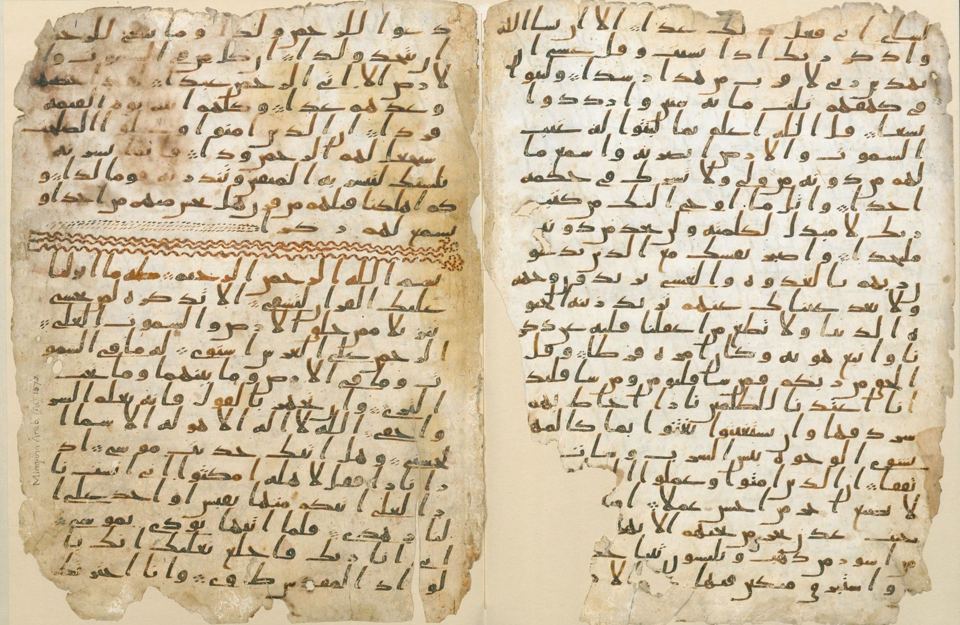
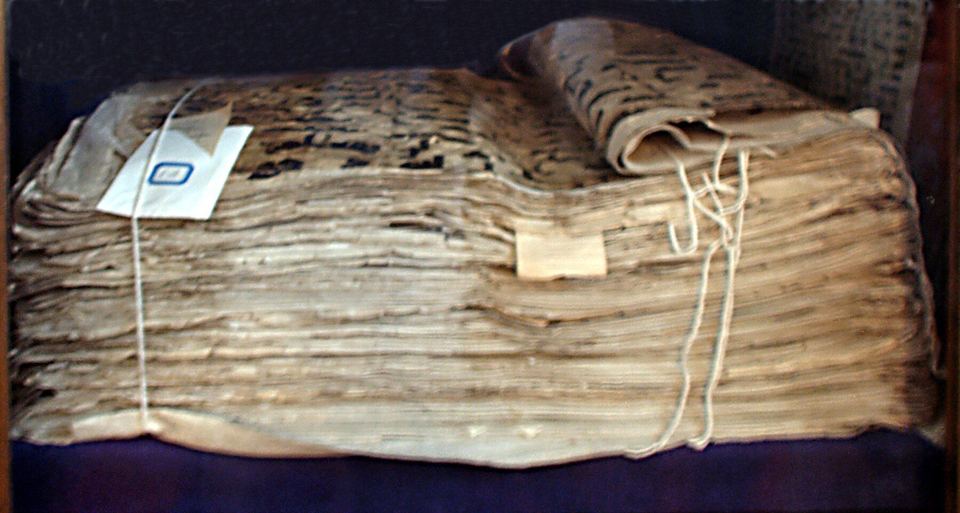
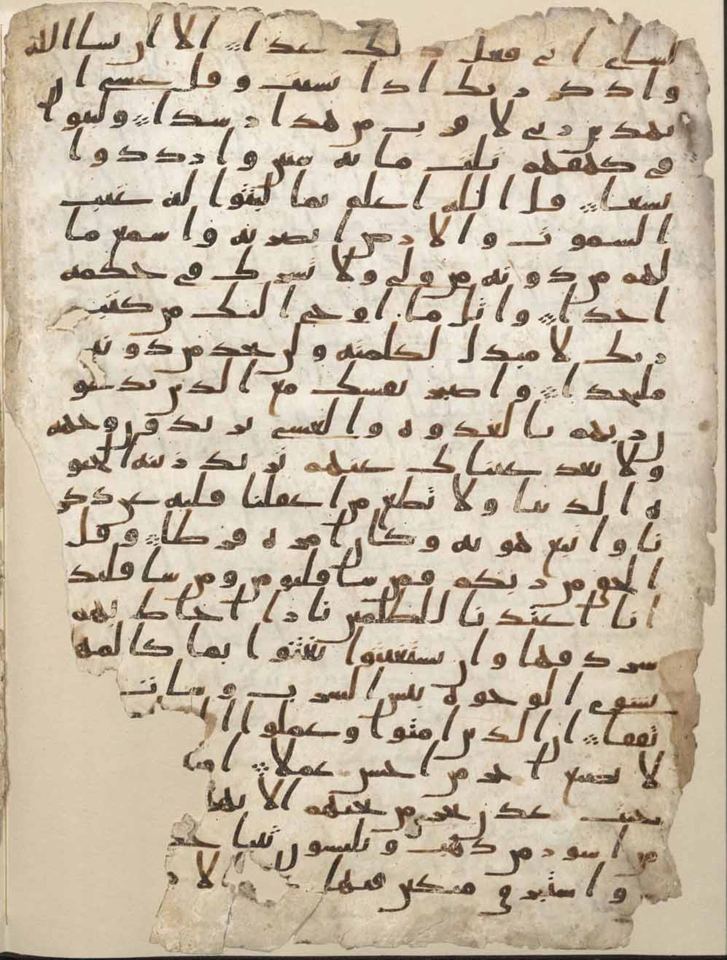
- 568–645the radiocarbon range (95.4%) for the Birmingham Qur'an leaves, among the oldest knownUniversity of Birmingham
- Millionsof people, called hafiz, know all of it by heart
Listen to the whole Qur'an with Sheikh Abdul Basit
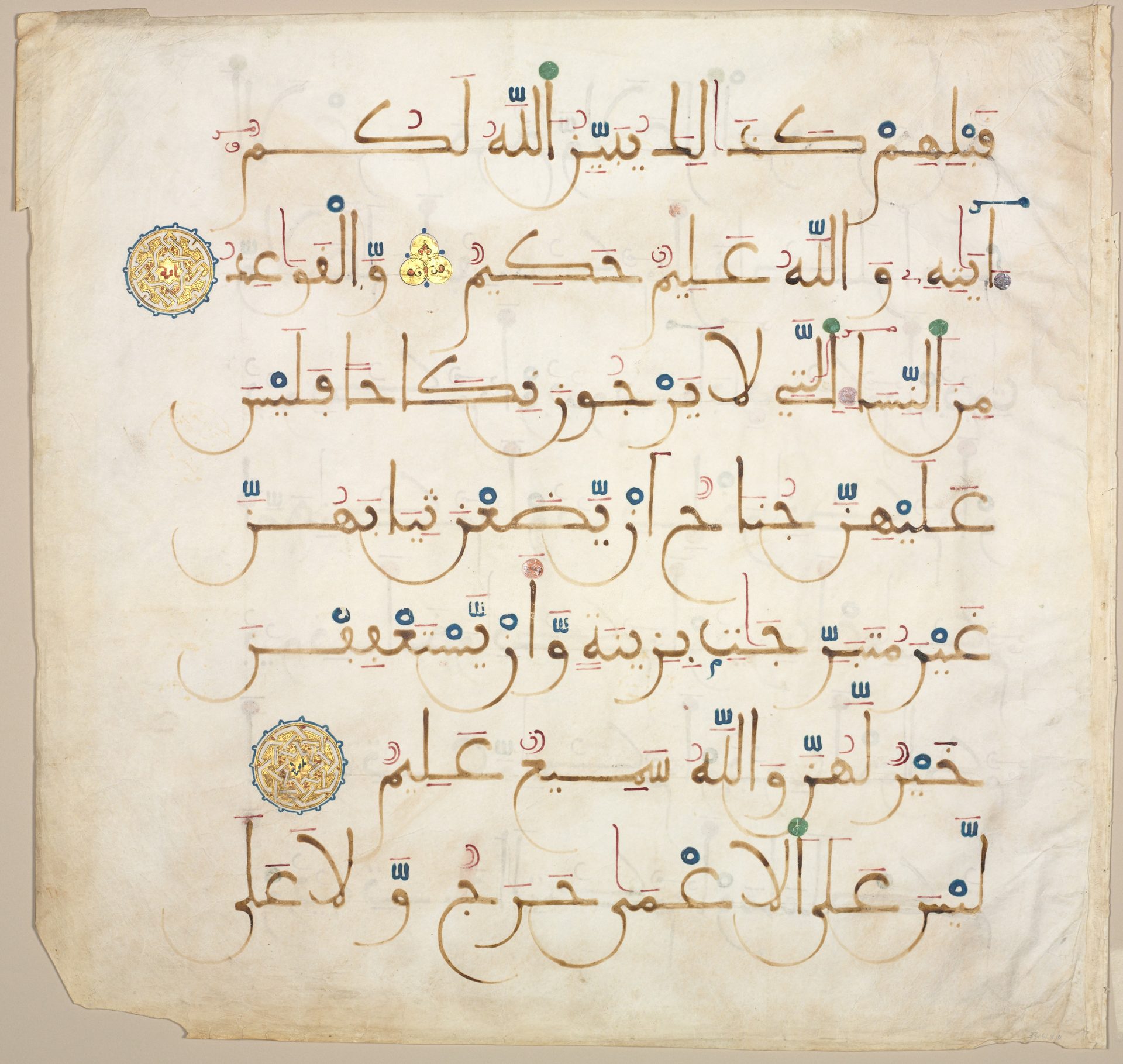
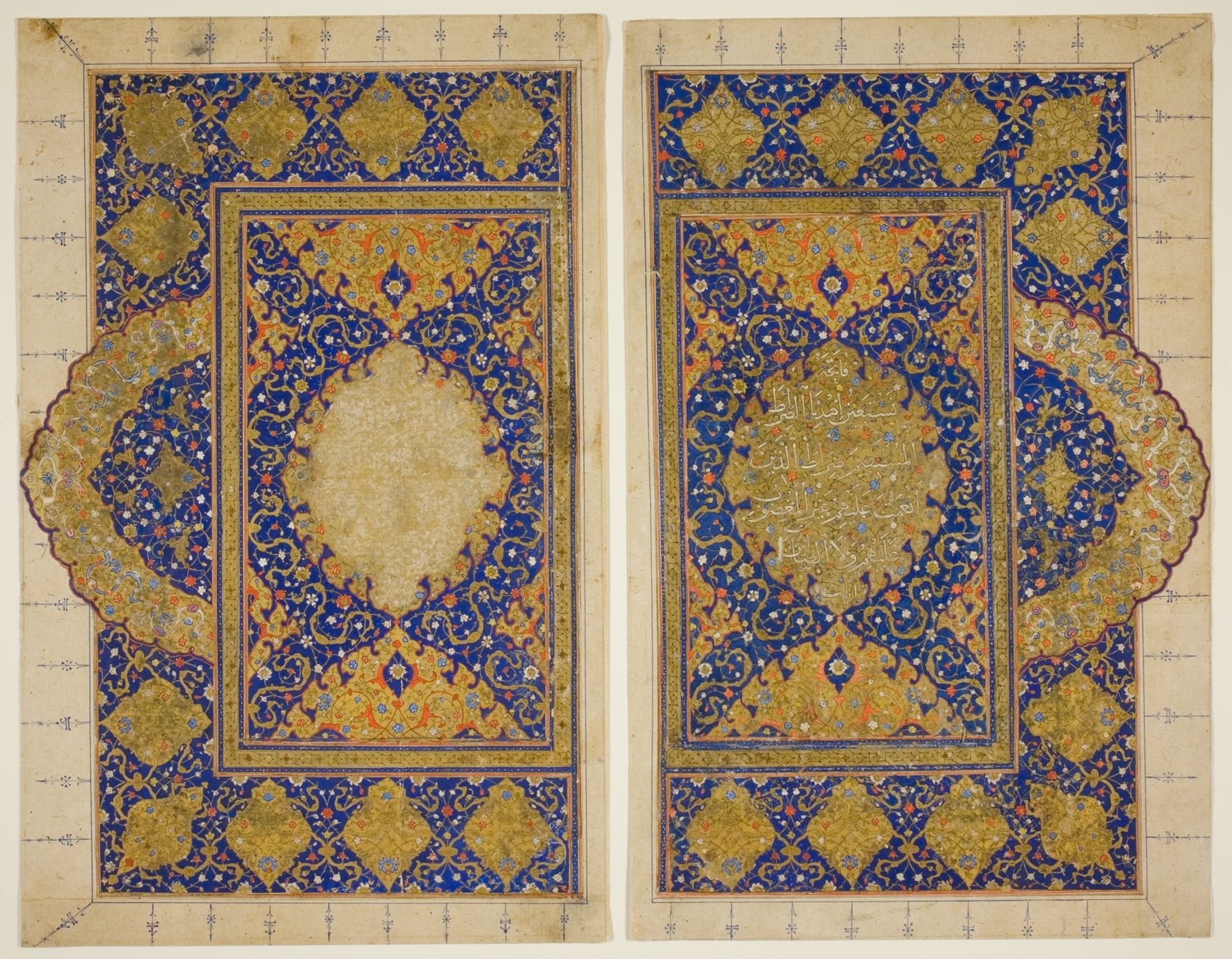
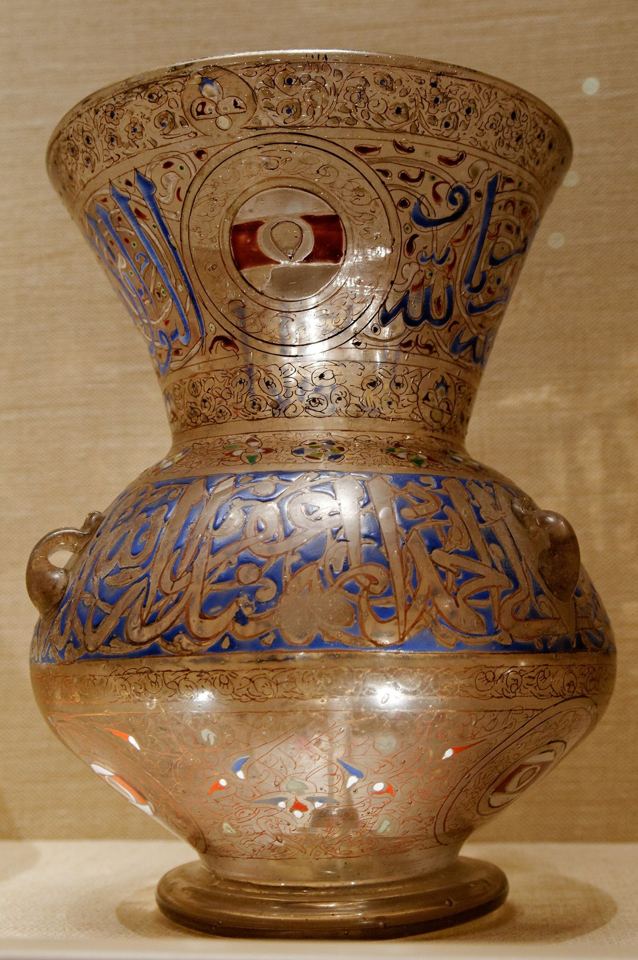 The Metropolitan Museum of Art, New York (91.1.1534) · Wikimedia Commons · Public domain
Listen
Sheikh Abdul Basit ʿAbd us-Samad
One of the best-loved voices of the 20th century, in both of his styles: mujawwad, melodic and unhurried, and murattal, measured and steady. Every surah, with the Arabic and Pickthall's English verse by verse, highlighted as he recites.
Go deeper
Seven short layers. Open whichever you like, in any order.
What it isAllah's speech, as Muslims believe, and the last of the books
For Muslims the Qur'an is not a book about God: it is His own speech, word for word, in Arabic. The Qur'an itself names earlier scriptures given by Allah: the Tawrat (Torah) given to Moses (peace be upon him), the Zabur (Psalms) given to David (peace be upon him) and the Injil (Gospel) given to Jesus (peace be upon him). Muslims see the Qur'an as the final book, confirming what came before.
“He hath revealed unto thee (Muhammad) the Scripture with truth, confirming that which was (revealed) before it, even as He revealed the Torah and the Gospel. Aforetime, for a guidance to mankind.”
Qur'an 3:3–4, tr. Pickthall (1930) · quran.com
That is why Muslims treat the Arabic words themselves as sacred, and why a translation is called “the meaning of the Qur'an” rather than the Qur'an.
How it came to beAs Muslims hold, and as historians test it
As Muslims hold
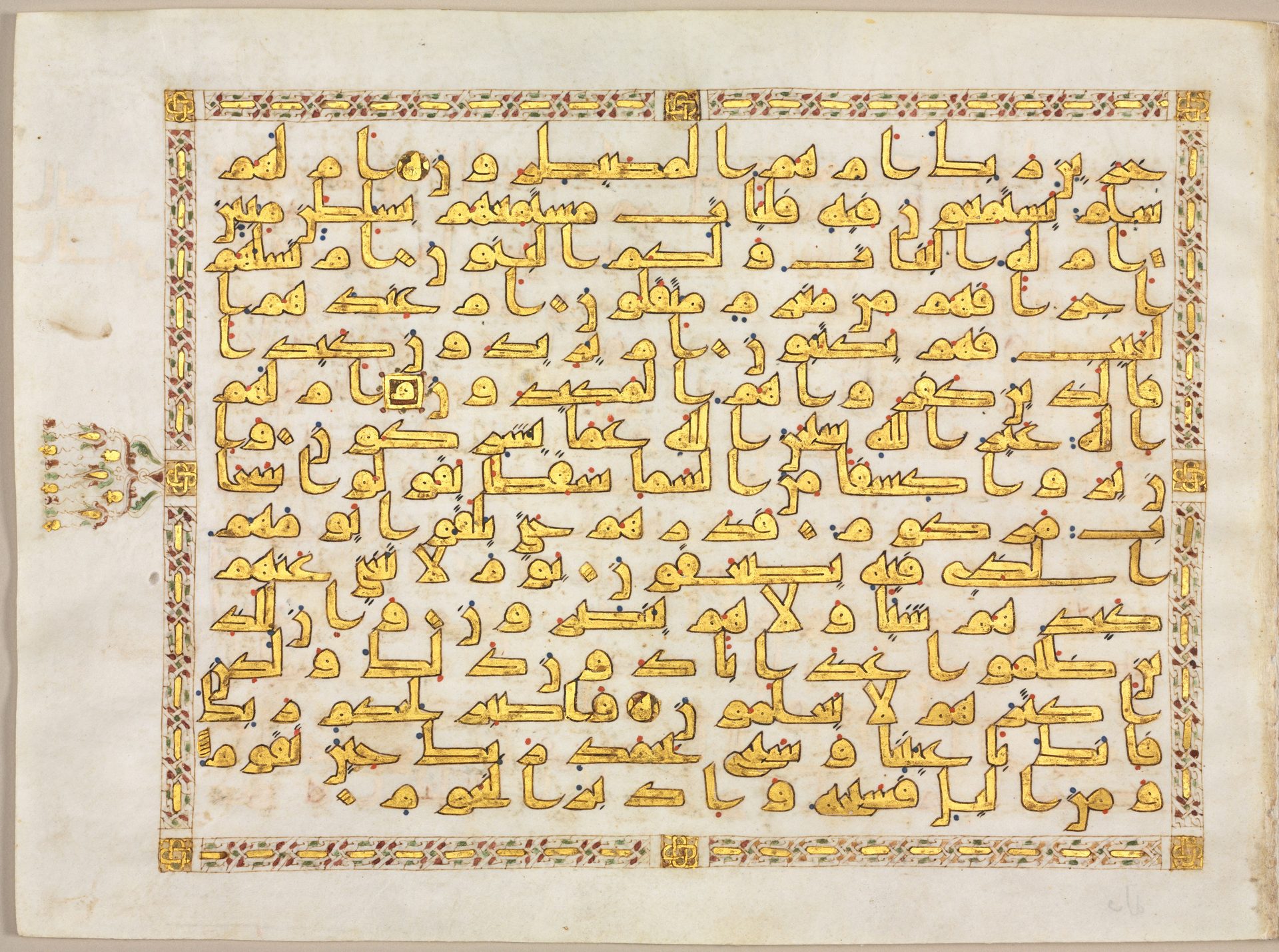
The Qur'an was revealed piece by piece over about 23 years. The Companions memorised it and wrote it on parchment, bone and palm leaves. After the Prophet's death it was gathered into one volume under the first caliph, Abu Bakr; around 650 CE the caliph ʿUthman had copies standardised and sent to the main cities.
As historians discuss it
A few 20th-century scholars, notably John Wansbrough (1977), argued that the text was fixed much later. Manuscript evidence since then points the other way: the Birmingham leaves were radiocarbon-dated in 2015 to between 568 and 645 CE (at 95.4% confidence), and other early copies, such as the codex kept in Tashkent, show a text that matches today's. Historians keep testing; the page here does not try to settle faith by carbon dating. It is a story to wonder at either way.
How it is builtSurahs, verses, and the ways to read it in a month or a week
| Division | How many | What it is for |
|---|---|---|
| Surah | 114 | Chapters, each with a name (The Cow, The Merciful, The Cave), marked Meccan or Medinan by where they were revealed |
| Ayah | 6,236 | Verses. The word ayah also means “sign” |
| Juzʾ | 30 | Equal parts, for a month of reading |
| Ḥizb | 60 | Half a juzʾ, each split into quarters |
| Manzil | 7 | Seven parts, for reading the whole in a week |
| Sajdah | 14–15 | Places where readers bow down in prostration |
Every surah but one (the ninth) opens with the line “In the name of Allah, the Beneficent, the Merciful”.
Open the player and tap Choose a surah to see all 114, with their names and meanings.
How it is read and honouredRecitation, clean hands, a high shelf, and the heart
- Recitation with tajwīd, the rules of sound: where to lengthen, pause and join. Styles range from the measured murattal to the melodic mujawwad.
- Wudu before touching the mushaf. Many Muslims make the ritual washing before they hold a printed Qur'an, a practice often linked to this verse (scholars differ on the details):
“That (this) is indeed a noble Qur'an In a Book kept hidden Which none toucheth save the purified,”
Qur'an 56:77–79, tr. Pickthall (1930) · quran.com
- The mushaf is kept high, never on the floor, often on a carved wooden stand (raḥl), and reading begins by seeking refuge in Allah and saying His name.
- Hifẓ, learning all of it by heart; one who has done so is called a ḥāfiẓ.
- In Ramadan many mosques recite the whole Qur'an across the month in the night prayers (tarawīḥ).
In EnglishWhy Muslims say a translation is “the meaning”, not the Qur'an
Marmaduke Pickthall, an English Muslim, published The Meaning of the Glorious Koran in 1930. His foreword begins with a line every translator since has had to face:
“The Koran cannot be translated.”
M. M. Pickthall, foreword to The Meaning of the Glorious Koran (1930), public domain
English versions include Sale (1734), Rodwell (1861) and Palmer (1880); Pickthall (1930), the first by an English Muslim and the one this site quotes; Yusuf Ali (1934); Arberry, The Koran Interpreted (1955); Dawood (Penguin, 1956); Asad (1980); Saheeh International (1997); Abdel Haleem (Oxford, 2004); and Khattab, The Clear Quran (2015). We quote only Pickthall because his text is in the public domain; the others are well worth reading.
See it in BritainManuscripts you can visit
- The Cadbury Research Library, University of Birmingham, keeps the Birmingham Qur'an in its Mingana Collection. A replica is on display; the original leaves are not on public exhibition.
- The British Library in London holds one of the great collections of Qur'an manuscripts.
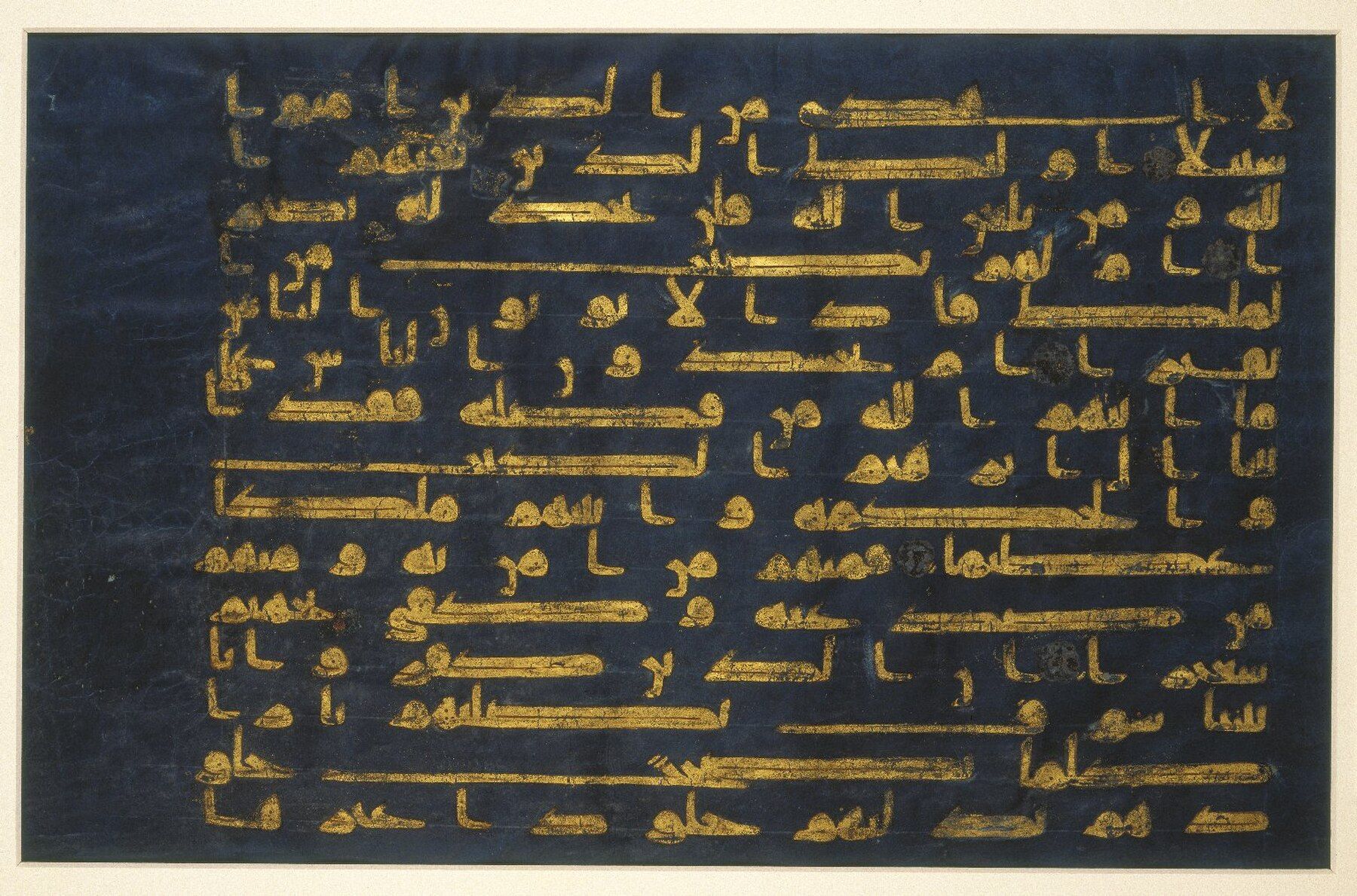
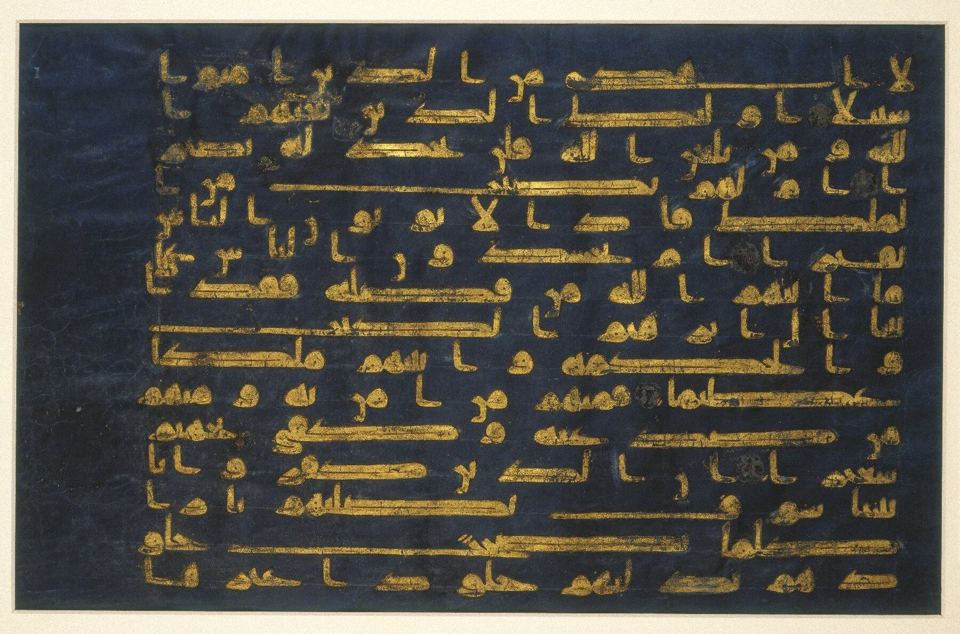
- The Khalili Collection includes leaves of the Blue Qur'an.
See Places to visit for mosques, museums and libraries that welcome visitors.
ListenThe sound is the heart of it
Start with Surah Ar-Rahman, The Beneficent, where one line returns again and again:
فَبِأَىِّ ءَالَآءِ رَبِّكُمَا تُكَذِّبَانِ
“Which is it, of the favours of your Lord, that ye deny?”
Qur'an 55:13, tr. Pickthall (1930) · quran.com
Hear Ar-Rahman, or open the player to choose any surah. For more voices, go to Listen.
The Qur'an in manuscripts
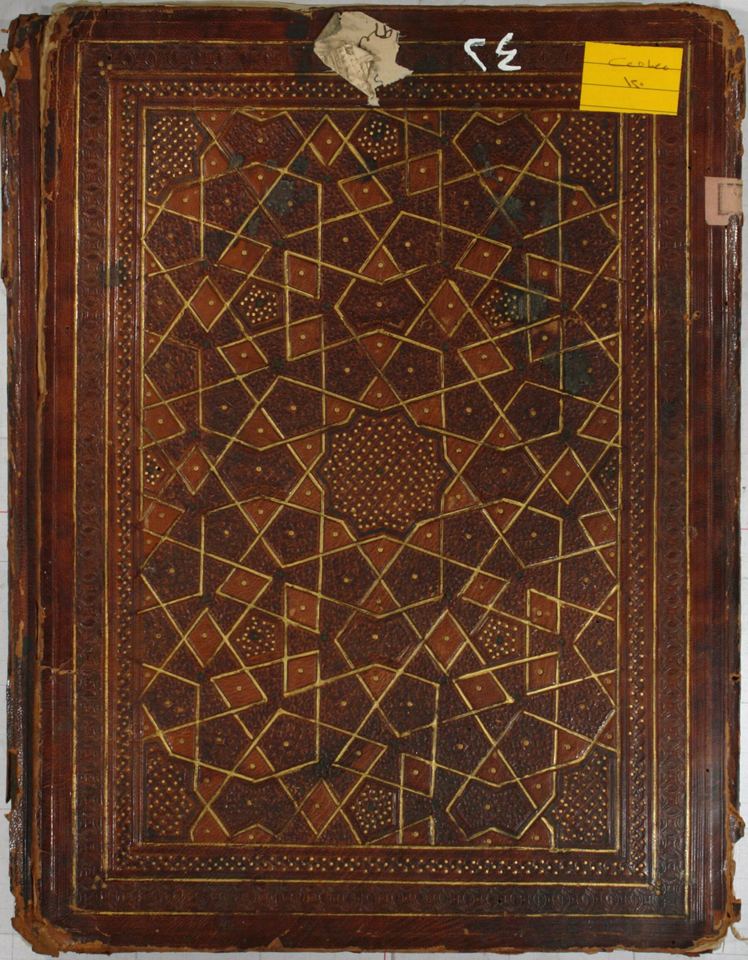
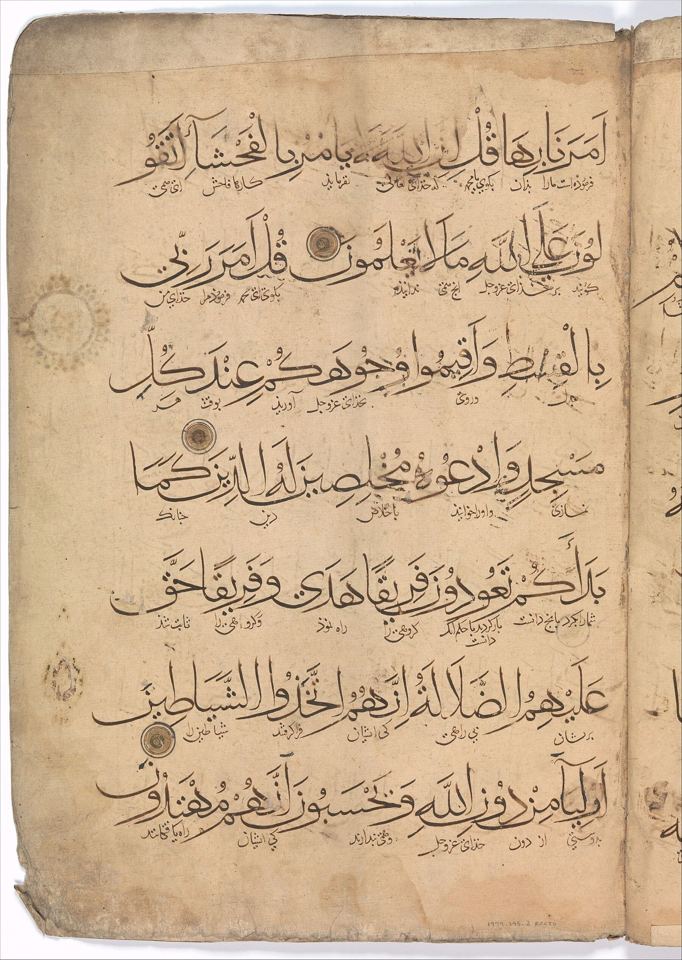
Tap any picture to see it large. Every image is credited; none is ours.
Keep exploring
Watch more: The Qur'an
8 films and talks, chosen for this page. They play here.
Discovering Sacred Texts: Islam
British Library · 8 min
The Qur'an | Religious Studies - My Life, My Religion: Islam
BBC Bitesize for Teachers · 3 min
BBC Teach: the Qur'an in three minutes.
Holy Books: The Qur'an
TrueTube · 10 min
How was the Quran compiled into a book form? - Full video on YT ‘How this movement gets it so wrong’
Belal Assaad · 3 min
Belal Assaad: how the Qur'an was compiled into a book.
University of Birmingham Qur’an manuscript among world’s oldest
University of Birmingham · 3 min
The Tashkent Mushaf - Uzbekistan | Shaykh Dr. Yasir Qadhi
Yasir Qadhi · 11 min
Dr Yasir Qadhi on the Tashkent Mushaf, one of the earliest Qur'an copies.
Intro to Maqamat | Ep. 1 | The Art of Quran Recitation with Qari Ibrahim Bakeer & Nouman Ali Khan
Nouman Ali Khan - Official - Bayyinah · 11 min
The art of Qur'an recitation: an introduction to the maqamat.
Surat Al-Fatiha - Mishary Rashid Alafasy
Alafasy · 1 min
Mishary Alafasy: Surah al-Fatihah, the opening of the Qur'an.
- More films and talks on F-ILMWatch free