Hunger, then a table
Every faith on this site asks for hunger at some point, and every one has a meal for when it ends. The fasting page explains what each fast is. This page is about the meal that follows, and the meals that are feasts in their own right.
Islam: suhur, iftar and Eid
In Ramadan, Muslims eat a meal before dawn, called suhur, and break the fast at sunset with iftar. The Qur'an sets the limits:
eat and drink until the white thread becometh distinct to you from the black thread of the dawn. Then strictly observe the fast till nightfall
Qur'an 2:187 · Pickthall
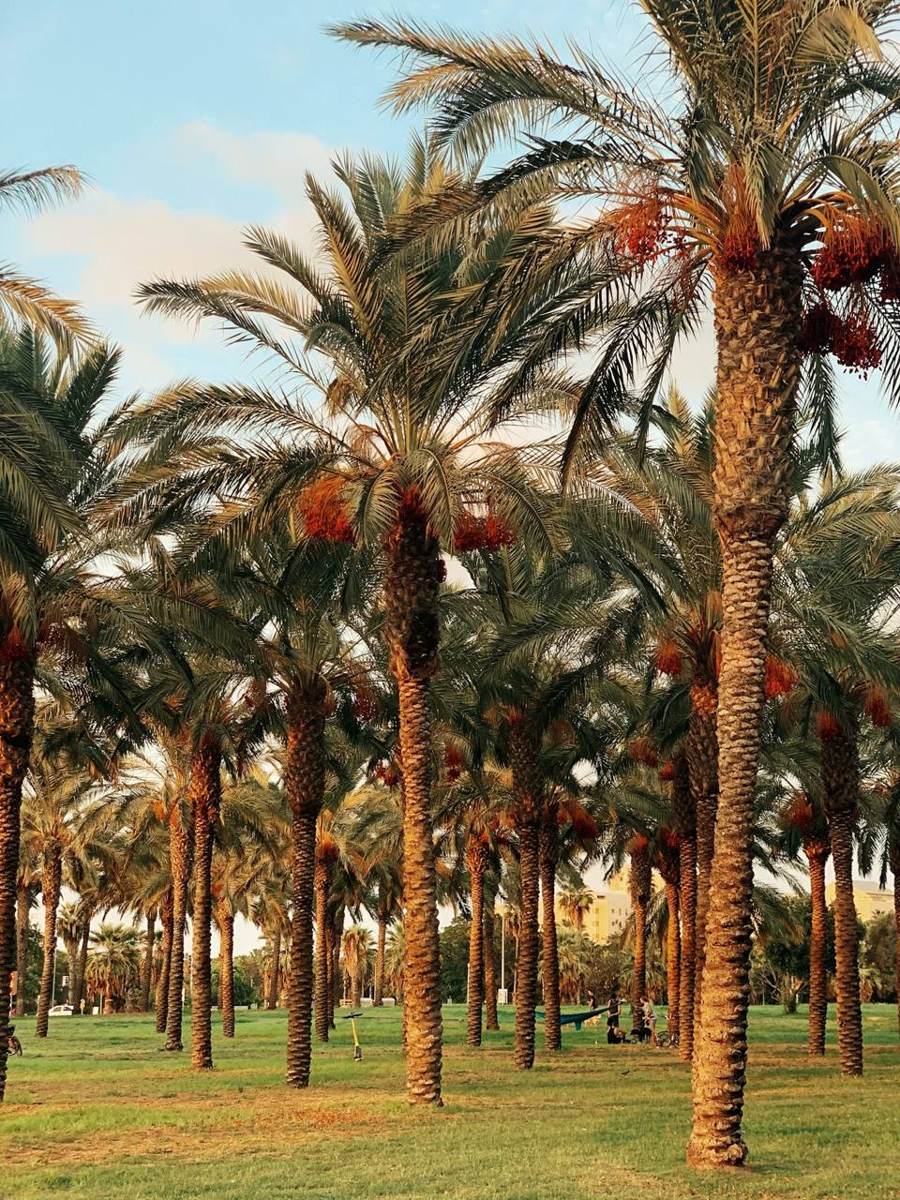
The Prophet Muhammad ﷺ (peace be upon him) said, "Take Suhur as there is a blessing in it" (Sahih al-Bukhari 1923). He broke his fast with fresh dates, or dried dates if there were none, or a few mouthfuls of water (Sunan Abi Dawud 2356), and many Muslims still do. He also taught that "there are two pleasures for the fasting person, one at the time of breaking his fast, and the other at the time when he will meet his Lord" (Sahih al-Bukhari 1904). Feeding a fasting person is counted as a great kindness: "the same reward as his" (Jami' at-Tirmidhi 807). That is why mosques and families open their iftars to anyone who comes.
One difference for a neighbour to know: Sunni Muslims break the fast at sunset. Shia Muslims, following the Ja'fari school, wait a few minutes longer until the redness has faded from the eastern sky, so they may eat slightly later.
The month ends with Eid al-Fitr, the Festival of Breaking the Fast. It is forbidden to fast on the day, and the Prophet ﷺ is reported not to have gone out to the Eid prayer without eating some dates (Sahih al-Bukhari 953 and 1991). Before the prayer, each Muslim who can pays zakat al-fitr, a gift to the poor, so that everyone can celebrate. Sweet dishes and family gatherings follow.
Eid al-Adha falls in the month of the pilgrimage. Muslims who can afford it sacrifice an animal and share the meat, usually in three parts: for the family, for friends and relatives, and for the poor. The Qur'an says: "Then when their flanks fall (dead), eat thereof and feed the beggar and the suppliant" (22:36, Pickthall). Read more on the sacrifice, Ramadan and Hajj.
Judaism: the break-fast, Passover and Shabbat
Yom Kippur is a fast of about twenty-five hours. The Torah says:
It shall be unto you a sabbath of solemn rest, and ye shall afflict your souls; in the ninth day of the month at even, from even unto even, shall ye keep your sabbath.
Leviticus 23:32 · JPS 1917
The fast ends after the closing service, Neilah, and its long shofar blast. Many synagogues offer juice, crackers and fruit straight away, then families gather for the "break-fast". Bagels and kugel, made ahead, are common, and foods differ from community to community. The mood is lighter, and it is wise to eat slowly. In traditional homes people wash their hands and say the blessing over bread, as at any meal.
On Passover, the Seder is a meal told as a story. The Torah gave the first instructions:
And they shall eat the flesh in that night, roast with fire, and unleavened bread; with bitter herbs they shall eat it.
Exodus 12:8 · JPS 1917
and told parents what to say when children ask:
And it shall come to pass, when your children shall say unto you: What mean ye by this service?
Exodus 12:26 · JPS 1917
The Seder plate holds foods that each tell a part of the story. Karpas, a green vegetable such as parsley, is dipped in salt water for the tears of slaves, and is also a sign of spring. Maror, bitter herbs, is horseradish, for the bitterness of slavery. Charoset, a paste of fruit, nuts and wine, recalls the mortar the slaves used. A roasted shank bone recalls the Passover sacrifice, and an egg recalls the festival offering and is also a sign of new life. There is matzah, the unleavened bread, and wine, and early in the Haggadah, the book read at the Seder, the host invites every hungry person to come and eat. See the page on Jewish festivals and Shabbat, where every Friday evening begins with a meal.
Christianity: Lent, Christmas, Easter
Christian feasts are best understood as the other side of its fasts. In the Western churches Lent lasts about forty days, not counting Sundays, a time of self-denial before Easter. Orthodox Great Lent is counted differently. On Shrove Tuesday, the day before Lent, people traditionally use up rich foods, which is why pancakes are eaten. At Easter the mood turns joyful. The Easter season lasts fifty days, and eggs, which were often avoided in Lent, became a sign of new life.
Christians read in the Gospels that the risen Jesus ate with his disciples:
Do you have anything here to eat? They gave him a piece of a broiled fish and some honeycomb. He took them, and ate in front of them.
Luke 24:41-43 · WEB (British Edition)
Orthodox Christians keep Great Lent and then the Paschal service, which often ends in the small hours. After it, the priest blesses baskets of food, including meat, cheese and eggs dyed red, and the family breaks the fast together, often to the greeting "Christ is risen! Indeed he is risen!" Orthodox Easter is often kept on a different Sunday from Western Easter. Orthodox Christians also keep a Nativity Fast before Christmas.
Christmas celebrates the birth of Jesus, and Advent before it is a season of expectation. Christmas meals vary widely from family to family and church to church. Christmas and Easter are the two great poles of the Christian year. See the Christian year.
What they share
A fast is not the point. The meal that ends it is shared, generous and grateful, and its joy comes partly from the hunger before it. All three ask that the poor be fed: zakat al-fitr at Eid, "gifts to the poor" at Purim (Esther 9:22), and Christian almsgiving in Lent.
Honest differences
- Muslims eat before dawn and break the fast each day for a month. Jews have one long fast on Yom Kippur, and a set order of foods for Passover. Christian fasting varies by church, from the Orthodox calendar of fast days to Lent kept lightly or not at all.
- The feast days follow different calendars: the Islamic calendar is lunar, so Ramadan and Eid move through the seasons. The Jewish calendar adjusts to keep Passover in spring. Orthodox and Western Christians often keep Easter on different dates.
- Sunni and Shia Muslims break the fast at slightly different times.
If you are invited to a break-fast or an iftar
- Arrive on time, or slightly early. Both are served at a set moment, and everyone waits for it.
- Bring something to share, such as fruit, dates or sweets. Check with the host first if they keep kosher or halal.
- At an iftar, wait for the call to prayer and the first dates before you eat. At a Jewish break-fast, expect quiet before the food.
- If you are not fasting yourself, there is no need to explain. Simply wait with everyone for the meal.
- Say "Eid Mubarak" (a blessed festival) at Eid and "Chag sameach" (happy festival) at Passover. For Easter, "Happy Easter", or among Orthodox Christians, "Christ is risen!"
One more table
The Qur'an remembers that Jesus (peace be upon him) asked God for a table:
Jesus, son of Mary, said: O Allah, Lord of us! Send down for us a table spread with food from heaven, that it may be a feast for us, for the first of us and for the last of us, and a sign from Thee.
Qur'an 5:114 · Pickthall
"A feast for us". Three faiths, three calendars, one hope: that the table will be laid, and that nobody is left outside. Go back to Food as thanks.