On the morning of 1 November 1755, All Saints' Day, Lisbon's churches were full. At about twenty to ten the ground began to shake. Three great tremors brought down churches, houses and the royal palace. Candles started fires that burned for days, and a tsunami swept in from the river. Of about 200,000 people in the city, somewhere between 30,000 and 40,000 died.
All of Europe asked why. Voltaire wrote a furious poem mocking the idea that all is for the best. Jean-Jacques Rousseau replied that nature had not built cities of tall, crowded houses; people had. A young Immanuel Kant collected every report he could find and wrote three essays on the causes of earthquakes, an early step towards modern seismology. Those three responses are still the ones people give today: protest, responsibility and science. This page adds a fourth, as old as any of them: what believers and non-believers do on the morning after.
“And, behold, the LORD passed by, and a great and strong wind rent the mountains, and broke in pieces the rocks before the LORD; but the LORD was not in the wind; and after the wind an earthquake; but the LORD was not in the earthquake; and after the earthquake a fire; but the LORD was not in the fire; and after the fire a still small voice.”
1 Kings 19:11–12 · JPS 1917
The prophet Elijah, worn out and hiding on Mount Horeb, waits for God. Wind, earthquake and fire come, but God is not in them. He comes as a quiet voice. Many people read this after disasters: God is not the shaking, but the stillness and the help that follow.
A restless planet is a living planet
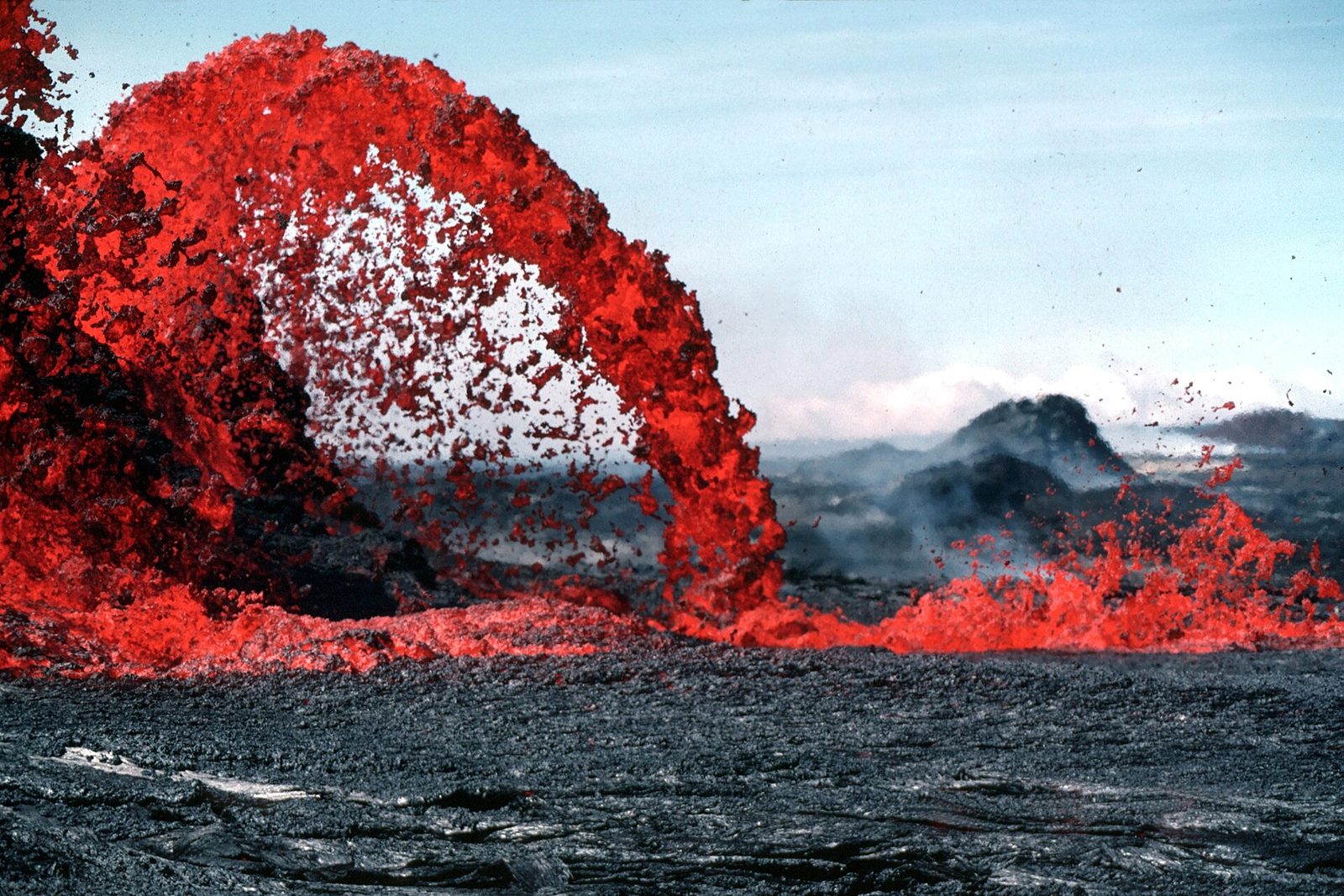
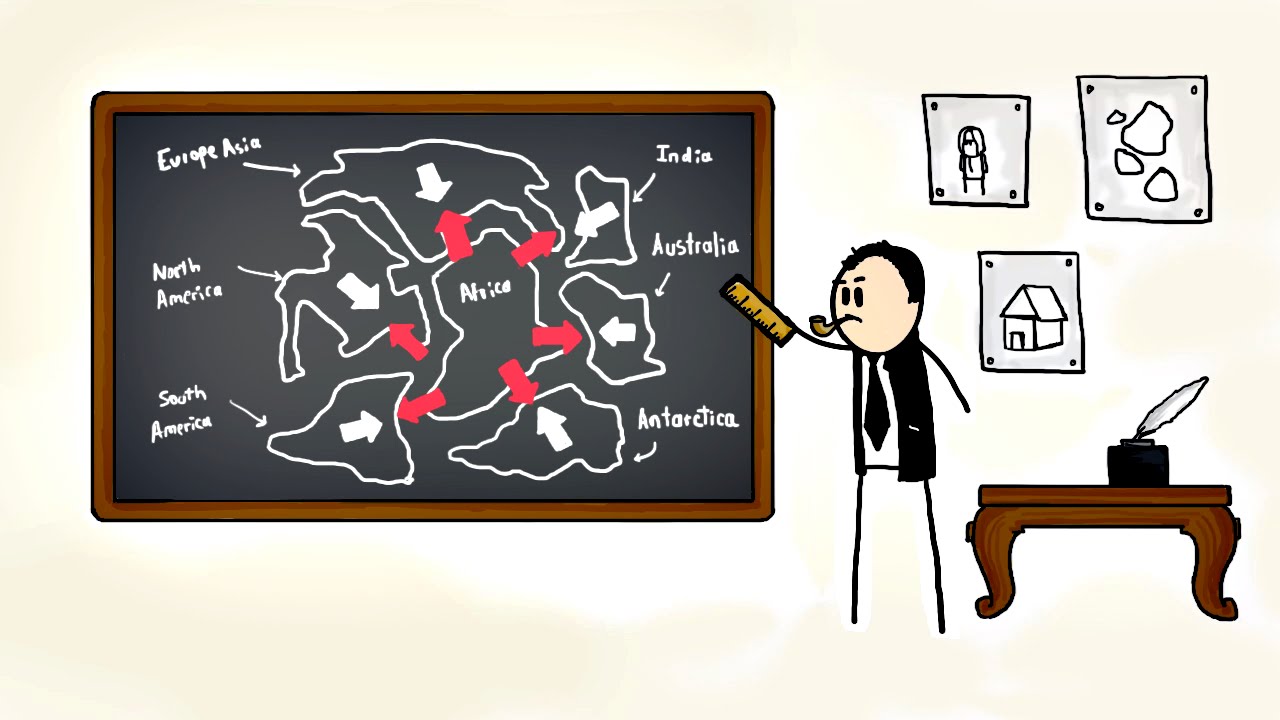
Earthquakes, volcanoes and many tsunamis come from plate tectonics, the slow movement of the giant slabs of rock that make up Earth's crust. That same movement seems to be one of the reasons Earth can support life. Rain slowly draws carbon dioxide out of the air as it weathers rock. The carbon is carried down into the mantle where plates sink, then breathed back out by volcanoes. Over millions of years this loop works like a thermostat, keeping the climate within the range life needs. Plate movement also recycles water and nutrients and builds continents.
Planetary scientists such as Tilman Spohn call plate tectonics the most efficient recycling system known. Computer models suggest that without it, a planet might struggle to keep a stable climate for billions of years. These are models, not observations of other worlds, and scientists still debate which came first on Earth, plate tectonics or life. Floods tell a similar story. For thousands of years the Nile's yearly flood spread the rich silt that fed Egypt.
How many people a disaster kills depends hugely on people. Our World in Data finds that natural disasters now cause about 10,000 to 20,000 deaths a year, well under 0.1 per cent of all deaths worldwide. The death rate from disasters has fallen by more than 90 per cent in a century, while the world's population has quadrupled. That is thanks to forecasting, early warnings, stronger buildings and aid. Seismologists have a saying: earthquakes don't kill people, buildings do. Poverty decides who lives in the weakest ones.
The strongest case for believers is this. Life, choice and science all need a world with stable laws. If God stopped every falling stone, nothing would be dependable and no one could learn, plan or take responsibility. The forces that build mountains and feed the soil are the same forces that sometimes shake them down. The sceptic replies that an all-powerful God could have made a thermostat without tsunamis. In 1779 David Hume had his sceptic Philo say that nature looks like a blind force, pouring out her children “without discernment or parental care”. Believers answer that we do not know which worlds were possible, and that God's care is shown through the people who respond.
Watch
Watch more
What each faith says
Judaism
“God is our refuge and strength, A very present help in trouble. Therefore will we not fear, though the earth do change, And though the mountains be moved into the heart of the seas.”
Psalm 46:2–3 · JPS 1917
The Mishnah gives a blessing to say on witnessing an earthquake, thunder, lightning or a great storm: “Blessed is He whose strength and might fill the world” (Berakhot 9:2). It is not a celebration of harm. It is a way of standing before power far greater than our own. After the flood, the Torah has God promise that never again will a flood destroy the earth (Genesis 9:11).
The Talmud has a phrase for the natural order: olam k'minhago noheg, “the world follows its own course” (Avodah Zarah 54b). Rabbis use it to warn against reading every disaster as a message. The response asked of Jews is chesed, loving action, and tzedakah, giving.
Christianity
“Or those eighteen on whom the tower in Siloam fell and killed them—do you think that they were worse offenders than all the men who dwell in Jerusalem? I tell you, no.”
Luke 13:4–5 · World English Bible (British Edition), public domain
When a tower in Siloam fell and killed eighteen people, Jesus was asked if they had deserved it. His answer, quoted below, was no. Jesus also said God “sends rain on the just and the unjust” (Matthew 5:45). Not every preacher has listened. After Lisbon, some, including John Wesley, called the earthquake a judgement. Many Christians today read Jesus's words about Siloam as a firm rebuke to that idea.
Christian answers usually point to the Cross: God does not stand outside suffering but enters it. Churches have run disaster relief for generations, and after a disaster in Britain, church halls are often among the first places to open as shelters.
Islam
“Naught of disaster befalleth in the earth or in yourselves but it is in a Book before we bring it into being - Lo! that is easy for Allah - That ye grieve not for the sake of that which hath escaped you, nor yet exult because of that which hath been given. Allah loveth not all prideful boasters.”
Qur'an 57:22–23 · Pickthall (1930)
A whole chapter of the Qur'an, al-Zalzalah (The Earthquake, chapter 99), describes the earth shaking on the Last Day and giving up its secrets. Muslims see natural events as signs of God's power and of how fragile life is. The Prophet Muhammad said that those who die by drowning or under a collapsed building are martyrs (Bukhari 2829). The dead of a disaster are honoured, not condemned.
Muslim thinkers argued about this for centuries. Al-Ghazali (died 1111) wrote that there is nothing more wonderful in possibility than what exists, a view that provoked debate for generations. Others stressed wisdom we cannot see. The Qur'anic answer, quoted below, is less about explaining and more about how to live: not to despair, and not to boast.
Without religion
“The whole presents nothing but the idea of a blind Nature, impregnated by a great vivifying principle, and pouring forth from her lap, without discernment or parental care, her maimed and abortive children!”
David Hume, Dialogues Concerning Natural Religion, Part XI (1779), spoken by Philo · original English
For many non-religious people, Lisbon settled the matter: nature is not watching over us. Voltaire's anger and Hume's dialogues are still read for that reason. The humanist response is practical: better science, better buildings, early warnings and shared aid. That approach has helped cut disaster deaths by more than 90 per cent in a century.
Sikhi
“Everyone is within the Order; no one is outside it.”
Guru Granth Sahib, ang 1 (Japji, pauri 2) · our rendering
Sikhs understand everything, the shaking of the earth included, as within hukam, the divine order. Accepting hukam is not passive. Wherever disaster strikes, the Sikh answer is langar, the free kitchen, and seva, service. British Sikhs founded the relief charity Khalsa Aid in 1999, and gurdwaras around the world have fed people after floods and earthquakes, whatever their faith.
Hindu traditions
Many Hindus honour the earth as Bhumi Devi, Mother Earth, and see creation and dissolution as part of vast cosmic cycles. Shiva as Nataraja dances both the destruction and the renewal of the world. Hindus have argued about disasters too. In 1934, after a terrible earthquake in Bihar, Mahatma Gandhi called it a divine punishment for the sin of untouchability. The poet Rabindranath Tagore publicly disagreed. Linking physical disasters to moral faults, he said, was unscientific and unfair to those who suffered.
Beyond the Abrahamic faiths
“‘All created things perish,’ he who knows and sees this becomes passive in pain; this is the way to purity.”
Dhammapada 277 · F. Max Müller (1881), public domain
Buddhism teaches anicca, impermanence: nothing made of parts lasts forever, mountains included. The aim is not to explain disaster away but to meet it with a steady mind and compassion. After the 2004 Indian Ocean tsunami, Buddhist temples in Sri Lanka and Thailand opened their doors as shelters and mortuaries.
Same and different
The traditions disagree about why. Some see a test or a sign, some see vast cycles, some say the world simply follows its own course, and humanists see blind nature. Many believers in every faith warn against calling a disaster a punishment: Jesus at Siloam, the rabbis' “the world follows its own course”, Tagore against Gandhi, and the Prophet calling the dead martyrs. And on the morning after, they all do the same things. They dig, feed, shelter and give. The still small voice, many say, sounds a lot like the helpers.
A moment to reflect
- The forces that keep Earth habitable also cause earthquakes. Does that change how you feel about them?
- Why do you think so many religious teachers warn against calling a disaster a punishment?
- Most disaster deaths now depend on buildings, warnings and poverty. Whose responsibility is that?
- Elijah found God not in the earthquake but in a still small voice. Where would you look?
Watch
Watch
A Muslim telling
Do it together
After a disaster in the news, talk about who helped: rescuers, doctors, neighbours, gurdwara kitchens, mosques, churches, synagogues, volunteers. Choose one practical thing your family can do, such as giving, collecting or writing a card.
Draw the carbon-silicate cycle as a loop: rain, rock, ocean, sinking plate, volcano, air. Mark where earthquakes and eruptions happen on the loop. Discuss: could you design a planet that keeps the loop but loses the danger?
Split into three groups: Voltaire (protest), Rousseau (human responsibility) and Kant (science). Each makes the case in five minutes. Then add a fourth voice, Luke 13 or Qur'an 57:22–23, and talk about what each one leaves out.
Go deeper
- Natural disasters (Our World in Data) · data
- Why aliens and volcanoes go together (Nautilus) · article
- 1755 Lisbon earthquake (Wikipedia) · article
- Hume, Dialogues Concerning Natural Religion (Project Gutenberg) · book
- Qur'an chapter 99, al-Zalzalah (Quran.com) · scripture
- Mishnah Berakhot 9:2 (Sefaria) · scripture
In pictures
Sources (13)
- Lisbon 1755: All Saints' Day, about 09:40, fires and tsunami; 30,000–40,000 of about 200,000 killed; Voltaire, Rousseau, Kant's three texts of 1756: Wikipedia, 1755 Lisbon earthquake (citing Pereira)
- 1 Kings 19:11–12, Psalm 46:2–3 text: Sefaria, JPS 1917
- Plate tectonics, carbon-silicate cycle and habitability; Spohn quote; caveats: Nautilus, ‘Why aliens and volcanoes go together’
- 10,000–20,000 deaths a year; <0.1% of deaths; death rate down >90% in a century; reasons: Our World in Data, Natural Disasters
- Hume, Philo's ‘blind Nature’ passage: Project Gutenberg, Dialogues Concerning Natural Religion, Part XI
- Luke 13:4–5, Matthew 5:45 text: World English Bible (British Edition) via bible-api.com
- Those who die by drowning or under a falling building are martyrs: Sahih al-Bukhari 2829
- Blessing on earthquakes and storms: Mishnah Berakhot 9:2 (Sefaria)
- ‘The world follows its own course’: Babylonian Talmud, Avodah Zarah 54b (Sefaria)
- Al-Ghazali's ‘best possible world’ and its debate: Eric Ormsby, Theodicy in Islamic Thought (Princeton, 1984)
- Gandhi and Tagore on the 1934 Bihar earthquake: Wikipedia, 1934 Nepal–India earthquake
- Dhammapada 277 text: Project Gutenberg, Müller translation
- Khalsa Aid founded 1999 in the UK: Khalsa Aid, Our story