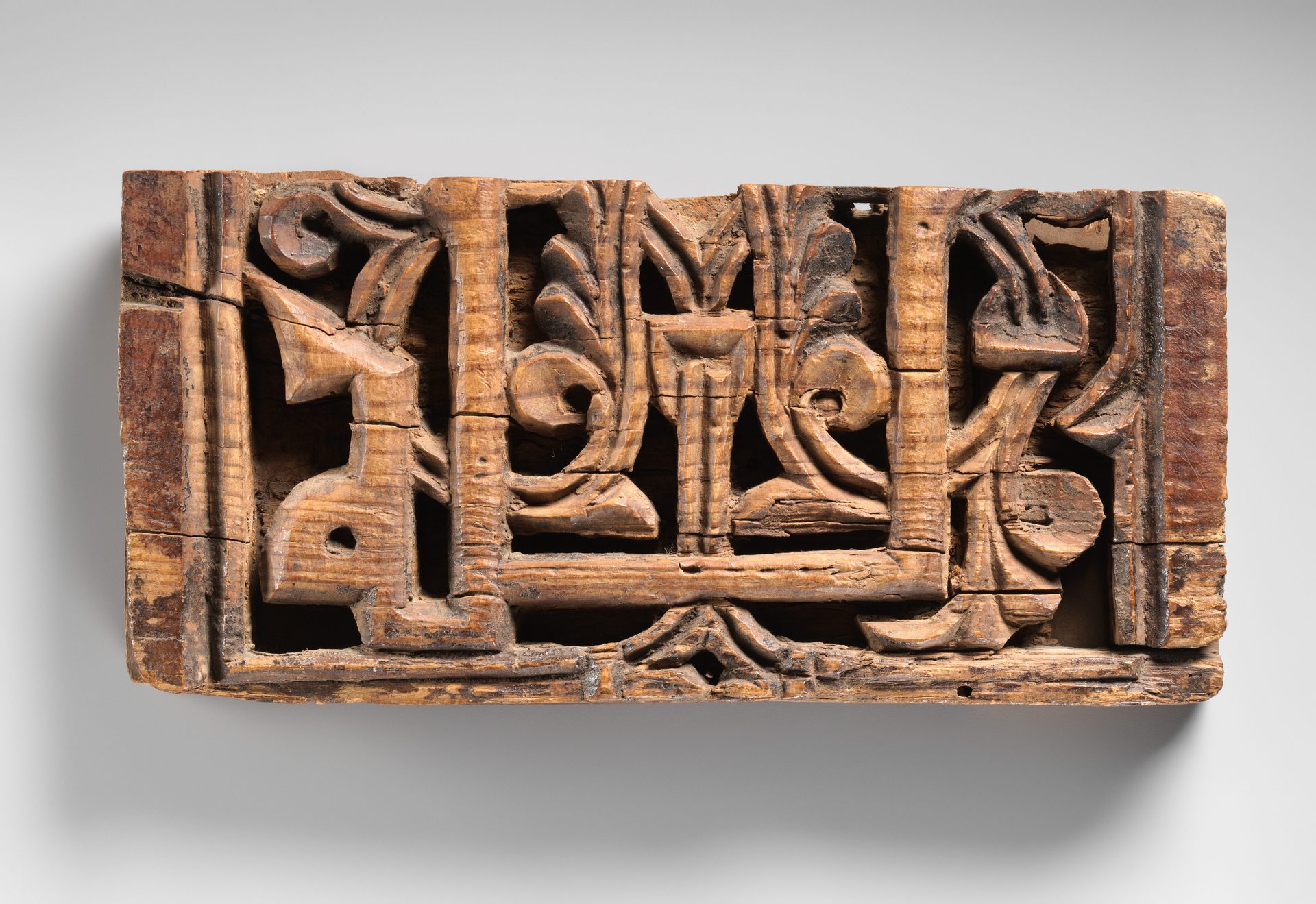
الْحَمْدُ لِلّٰهِ
Al-ḥamdu lillāh
'Praise and thanks belong to God.' The Arabic ḥamd joins praise and gratitude in one word.
Ask a Muslim friend how they are, and you may hear: 'Alhamdulillah.' It can mean 'fine, thanks', 'better than yesterday' or 'not great, but I'm grateful anyway'. Ask a Jewish friend and you may hear 'Baruch HaShem', 'blessed be the Name', used in exactly the same way.
It is the second verse of the Qur'an, the first words after 'In the name of God'. So for many Muslims it is the first thing they learnt to say, and it is what they say after a sneeze, a meal, good news and hard news.
In scripture
In the Hebrew Bible and Jewish tradition
“O give thanks unto the LORD, for He is good, For His mercy endureth for ever.”Psalm 136:1, JPS 1917On waking, many Jews say Modeh ani, 'I give thanks before You', before anything else.
In the New Testament and Christian tradition
“In everything give thanks, for this is the will of God in Christ Jesus towards you.”1 Thessalonians 5:18, WEBIn the New Testament and Christian tradition
“But thanks be to God, who gives us the victory through our Lord Jesus Christ.”1 Corinthians 15:57, WEB'Thanks be to God' (Deo gratias) is the people's response to the readings in many churches.
In the Qur'an
ٱلْحَمْدُ لِلَّهِ رَبِّ ٱلْعَٰلَمِينَ
“Praise be to Allah, Lord of the Worlds.”Qur'an 1:2, Pickthall (1930)In the Qur'an
“Their prayer therein will be: Glory be to Thee, O Allah! and their greeting therein will be: Peace. And the conclusion of their prayer will be: Praise be to Allah, Lord of the Worlds!”Qur'an 10:10, Pickthall (1930)In the sayings of the Prophet (hadith)
“Purity is half of faith, and alḥamdu lillāh fills the scale; subḥān Allāh and alḥamdu lillāh fill what is between the heavens and the earth.”Ṣaḥīḥ Muslim 223In the sayings of the Prophet (hadith)
“When one of you sneezes, let him say 'alḥamdu lillāh', and let his companion reply, 'yarḥamuk Allāh' (may God have mercy on you).”Ṣaḥīḥ al-Bukhārī 6224How people use it
As an answer to 'How are you?' Whatever the day has held, the answer begins with thanks.
After eating and drinking, after a sneeze, on hearing good news, on finishing a task.
In hard times too. Many Muslims say alḥamdu lillāh ʿalā kulli ḥāl, 'praise God in every state', after bad news. Jews say Baruch HaShem, and Christians 'thanks be to God', in the same spirit.
Footballers point to the sky and say it after scoring; grandparents say it about their grandchildren.
What neighbours say. Jews say Baruch HaShem, ‘blessed be the Name’, and todah la’El, ‘thanks to God’. Christians say ‘thanks be to God’ or ‘praise the Lord’, and sing Hallelujah, ‘praise Yah’. In Anglican and Catholic prayer they end each psalm with the Gloria Patri, ‘Glory be to the Father, and to the Son, and to the Holy Spirit’. Sikhs say Waheguru, ‘Wondrous Lord’, and many Punjabis of every faith say shukar hai, ‘thanks be’. Hindus often say Bhagwan ki kripa hai, ‘it is God’s grace’. Non-religious friends may say ‘thankfully’ or ‘I’m lucky’, and mean the same gratitude.
How it is misheard
Some people hear it as a way of avoiding a real answer, or as accepting things that ought to change. Its meaning is different: gratitude does not stop anyone working to make things better.
It can be said sarcastically, as 'thank God' can in English. That is the exception, not the rule.
Say it
Al-HAM-du lil-LAAH
The 'ḥ' in ḥamdu is a breathy 'h' from the throat. The ending 'lil-LAAH' has a long, open 'aa'.
A moment to reflect
- Is it possible to be grateful and still want things to change?
- What is one hard thing you have ended up being grateful for?
- What are three things you could say alḥamdu lillāh, Baruch HaShem or 'thank God' about today?
Do it together
Keep a jar on the table. Every day, each person writes one thing they are thankful for on a slip of paper. Read them together at the end of the month.
Ask three people from different backgrounds how they answer 'How are you?' in their family's language or faith. Collect the answers and compare them.
Jewish tradition has a long grace after meals, Birkat HaMazon. Many Christian families say a short grace before eating, such as ‘For what we are about to receive, may the Lord make us truly thankful’. At a shared meal, try a grace from each tradition at the table, or a moment of silent thanks for those with none.
Go deeper
- Psalm 136, ‘His mercy endureth for ever’ (Sefaria) · scripture
- 1 Thessalonians 5 (Bible Gateway, WEB) · scripture
- Common Worship: services and prayers (Church of England) · article
Sources (5)
- Qur'an 1:2; 10:10: Quran.com
- 'Alḥamdu lillāh fills the scale': Ṣaḥīḥ Muslim 223
- Saying alḥamdu lillāh after a sneeze: Ṣaḥīḥ al-Bukhārī 6224
- Psalm 136:1 (JPS 1917): Sefaria
- 1 Thessalonians 5:18; 1 Corinthians 15:57 (WEB): Bible Gateway