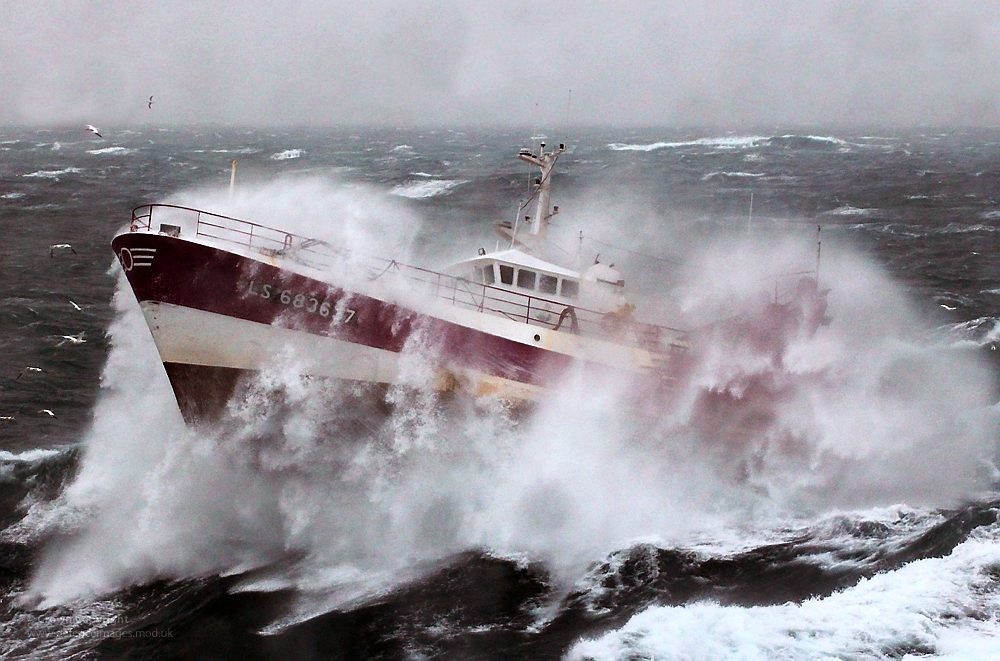
Jonah (peace be upon him) was sent to warn the great city of Nineveh. He ran away by sea, was thrown overboard in a storm, and was swallowed by a great fish. From its belly he prayed. Released on land, he preached, and the whole city repented and was spared, to his frustration. All three faiths tell this story. Jews read it on Yom Kippur. Jesus (peace be upon him) spoke of “the sign of Jonah”. The Qur'an names a surah after him and treasures his prayer from the darkness.
Watch
Three traditions, three films
Each told by its own community, in its own words, side by side. More on F-ILM.
A Jewish telling
The Book of Jonah with Pnina SaveryUnited Synagogue · 22 minUnited Synagogue (UK): Pnina Savery on the Book of Jonah, read on Yom Kippur.
A Christian telling
Book of Jonah Summary: A Complete Animated OverviewBibleProject · 9 min Shows prophets (a film-maker's portrayal)BibleProject Jonah: the reluctant prophet and God's mercy to Nineveh.
A Muslim telling
You Will Never Be As Alone Or Desperate As Yunus (as) | Khutbah by Omar SuleimanYaqeen Institute · 18 minOmar Suleiman: you will never be as alone as Yunus.
The story
A prophet runs from his mission, is thrown from a ship and swallowed by a great fish. In the darkness, he prays. Is anywhere too dark to pray?
Militants of the so-called Islamic State packed explosives into a hilltop mosque in Mosul, northern Iraq, and blew it up. It was July 2014. It was the shrine of Nabi Yunus, the prophet Jonah (peace be upon him), visited for centuries by Muslims, Christians and Jews. Three years later, when the city was freed, archaeologists crawled into the tunnels the militants had dug beneath it. They found the walls of an Assyrian palace, untouched for 2,600 years.
The hill stands in the ruins of ancient Nineveh, the city Jonah was sent to warn. His story is one of the shortest books in the Bible and one of the best-loved passages of the Qur’an. A prophet who runs away. A storm. A great fish. A prayer from the deep. And a city that turns back to God, to the prophet’s dismay.
“And (mention) Dhu'n-Nun, when he went off in anger and deemed that We had no power over him, but he cried out in the darkness, saying: There is no God save Thee. Be Thou Glorified! Lo! I have been a wrong-doer. Then we heard his prayer and saved him from the anguish. Thus we save believers.”
The Qur’an calls Jonah Dhu’n-Nun, “the man of the fish”. His prayer in the darkness of the night, the sea and the fish is one of the most loved prayers in Islam. The book of Jonah ends instead with God’s own question about mercy for a great city “wherein are more than sixscore thousand persons… and also much cattle” (Jonah 4:11, JPS 1917).
The world behind the story
Nineveh was real, and enormous. It stood on the east bank of the Tigris opposite modern Mosul and became the capital of the Assyrian empire under King Sennacherib around 700 BCE. Its walls ran for about 12 kilometres. The British archaeologist Austen Henry Layard excavated Nineveh in the 1840s and 1850s. Many of its carved stone reliefs, including the great lion hunts of King Ashurbanipal, are now in the British Museum. Nineveh fell to the Babylonians and Medes in 612 BCE.
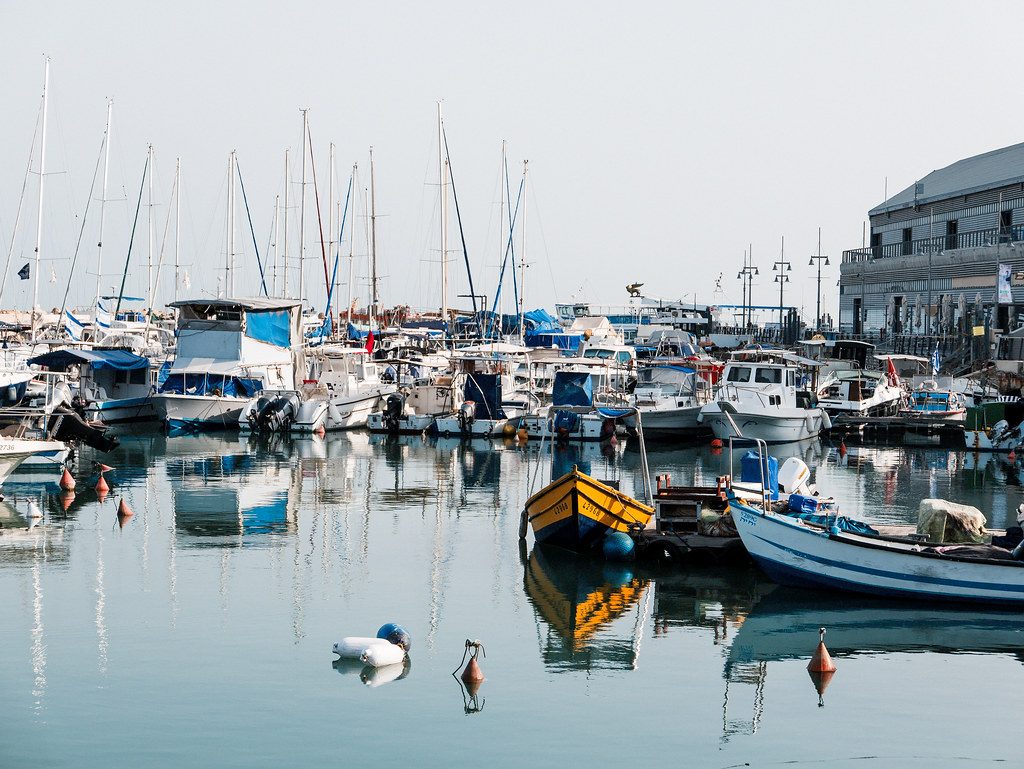
Jonah son of Amittai is mentioned in another book of the Bible, 2 Kings 14:25. There he is a prophet in the reign of Jeroboam II of Israel, in the eighth century BCE. Many scholars think the book of Jonah was written later, perhaps centuries later, as a story with a message about mercy for foreign nations. Believers in all three faiths hold Jonah to be a real prophet. Jonah sets out from Joppa, modern Jaffa beside Tel Aviv, for Tarshish, which may be Tartessos in southern Spain, the far end of the known world.
What about the fish? The Hebrew says dag gadol, “a great fish”, and the Arabic al-hut, a large fish or whale. No known whale or fish has a throat that could swallow an adult human whole. A sperm whale could in theory, but there is no reliable modern case of anyone surviving it. In 2021 a lobster diver off Cape Cod, Michael Packard, was briefly scooped into a humpback whale’s mouth and spat out. Scientists said it was an accident, and that humpbacks physically cannot swallow a person. Believers hold the story as a miracle, which by definition goes beyond the ordinary; others read it as a parable. Both readings are old.
After 2014, a team led by the Iraqi archaeologist Layla Salih, working with German researchers, recorded the palace beneath the Nabi Yunus shrine. It was built for King Esarhaddon in the 670s BCE. The shrine has been rebuilding since. So the place where people remembered a prophet who preached mercy was destroyed by people who showed none, and the ruins gave back a lost piece of the past.
48verses: the whole book of Jonah
120,000people of Nineveh in Jonah 4:11, “who cannot tell right hand from left”
612 BCEthe year Nineveh fell to Babylon and the Medes
What each faith says
Read:
Judaism
“and should not I have pity on Nineveh, that great city, wherein are more than sixscore thousand persons that cannot discern between their right hand and their left hand, and also much cattle?’”
In the Hebrew Bible, God tells Jonah to go to Nineveh, the capital of Israel’s enemy, and warn it. Jonah gets on a ship going the opposite way. A storm hits. The sailors, each praying to their own gods, throw him overboard at his request, and the sea goes calm. A great fish swallows Jonah, and from inside it he prays. Thrown up on dry land, he goes to Nineveh and says just five Hebrew words: “Yet forty days, and Nineveh shall be overthrown.” The whole city repents, from the king to the cattle, and God spares it.
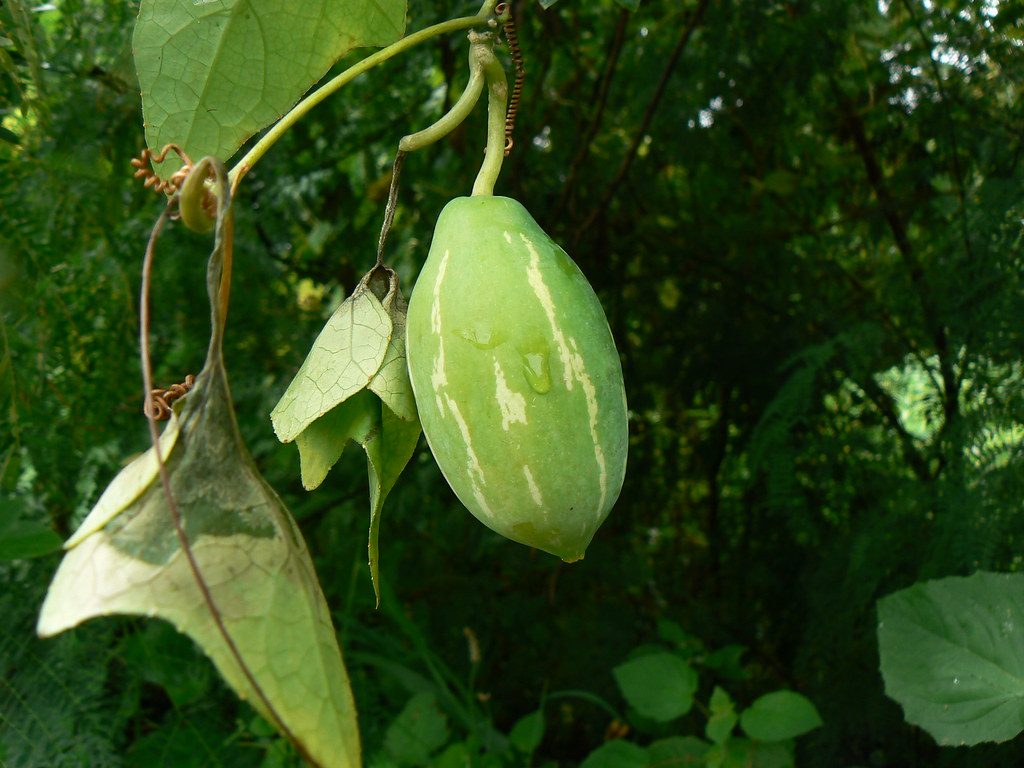
Then Jonah is furious. He says he ran away because he knew God was “gracious and compassionate”. God grows a plant to shade him, then lets it wither, and asks: you pity a plant you did not grow, and should I not pity Nineveh? The book ends on that question. Jews read the whole of Jonah on the afternoon of Yom Kippur, the Day of Atonement (Megillah 31a). It is a lesson that repentance works for anyone, and that God’s mercy reaches even enemies. Synagogues end the reading with three verses from Micah: “Who is a God like unto Thee, that pardoneth the iniquity… He retaineth not His anger for ever, Because He delighteth in mercy” (Micah 7:18).
Christianity
“For as Jonah was three days and three nights in the belly of the huge fish, so will the Son of Man be three days and three nights in the heart of the earth. The men of Nineveh will stand up in the judgement with this generation and will condemn it, for they repented at the preaching of Jonah”
In the Gospels, when people ask Jesus for a sign, he says the only sign they will get is “the sign of Jonah”. As Jonah was three days and nights in the fish, so the Son of Man will be three days and nights in the heart of the earth (Matthew 12:39–41). Christians read the story as a picture of Jesus’ death and resurrection. Jonah was one of the most popular images in early Christian art, carved on tombs in the Roman catacombs as a sign of hope beyond death.
Jesus also points to the people of Nineveh, who repented when they heard Jonah, as an example for his own listeners. Christians hear in the book a challenge to anyone who thinks God’s mercy should stop at the borders of their own people. In Orthodox morning prayer, Jonah’s cry from the deep is sung almost every day, as the sixth ode of the canon.
Islam
“And (mention) Dhu'n-Nun, when he went off in anger and deemed that We had no power over him, but he cried out in the darkness, saying: There is no God save Thee. Be Thou Glorified! Lo! I have been a wrong-doer.”
The Qur’an tells Jonah’s story in several places and names a whole surah after him, Surah Yunus (10). He leaves his people in anger, boards a laden ship, is cast out by lot and is swallowed by the fish, “When he fled unto the laden ship, And then drew lots and was of those rejected; And the fish swallowed him while he was blameworthy.” (37:140–142, Pickthall). “And had he not been one of those who glorify (Allah) He would have tarried in its belly till the day when they are raised.” (37:143–144, Pickthall). God casts him onto open land, sick, and makes a gourd plant grow over him (37:145–146).
His people are the one community in the Qur’an whose turning back to God came in time to save them (10:98). The Prophet Muhammad ﷺ (peace be upon him) taught Jonah’s prayer: “There is no god but You, glory be to You, I have been among the wrongdoers.” He said that no Muslim calls on God with it without God answering (Tirmidhi 3505). He also said: no one should say that I am better than Jonah son of Matta (Bukhari 3395), a striking warning against ranking prophets.
Same and different
All three remember a prophet who ran, a storm, a great fish, a prayer from the depths and a city that repented and was spared. All three take from it that it is never too late to turn back, and that God’s mercy reaches people we might think undeserving. Jews and Christians both hear in it a challenge to mercy that stops at our own borders. They differ in emphasis. Christians see in Jonah’s three days a sign of the resurrection. The Qur’an makes his prayer in the darkness a model for every believer and praises his people’s repentance. The Hebrew book ends with God’s question to an angry prophet and is read on Yom Kippur. Scripture says a great fish; many people say a whale.
A moment to reflect
Jonah ran because he didn’t want his enemies forgiven. Have you ever felt like that?
Is there anywhere too dark to pray, or too far to come back from?
Some of the most important conversations end on a question, not an answer. What question are you still carrying?
What would it look like to pity a whole city, including the people we fear?
Watch
BibleProject Jonah overview.
News footage of archaeologists exploring the tunnels beneath the shrine in 2017.
A Jewish teacher explains the story of Jonah and why it matters.
Do it together
faith groups / familiesDarkness and a prayer
Turn off the lights. Read Jonah 2 and Qur’an 21:87 aloud by torchlight. Then sit in the dark for one minute and think of someone who needs a way back.
schools / community groupsNineveh in London
Visit the British Museum’s Assyrian galleries to see the lion-hunt reliefs from Nineveh, carved within a few decades of Jonah’s time. Ask: what would a prophet from a small enemy nation have felt walking in?
neighbours / interfaith groupsPity for the city
God pities Nineveh “and also much cattle”. Choose a part of your town people avoid or speak badly of, and do something kind there together: a clean-up, a gift to a shelter, a visit.
interfaith groups / adult studyRead it as Yom Kippur does
Read all four chapters of Jonah aloud in one sitting, as synagogues do on the afternoon of Yom Kippur, and finish with Micah 7:18–20. Then talk about the last line of Jonah: who is your Nineveh?
church groups / neighboursA Lent study
Many churches run study groups in Lent. Read Jonah alongside Matthew 12:38–41 and Qur’an 37:139–148, and invite Muslim and Jewish neighbours to bring their own way of reading it.
Check yourself
Three quick questions. No score, nothing saved.
1. The ruins of Nineveh lie beside which modern city?
2. What did the people of Nineveh do?
3. How did Jonah feel about the city being spared?
Sources (7)
Nineveh, Sennacherib’s capital, 12 km of walls, fell 612 BCE; Layard excavations: Wikipedia, Nineveh
Quotations: Torah and Hebrew Bible, JPS 1917 · New Testament, World English Bible (British Edition) · Qur'an, Pickthall (1930). Translations and sources
THebrew Bible · Torah
In Jewish tradition's own words.
God sends Jonah to Nineveh; he sails from Jaffa the other way.
The storm; the sailors throw him into the sea; the great fish.
His prayer from the deep; he preaches, and Nineveh repents.
The gourd, and God's question about mercy.
“And he said: I called out of mine affliction Unto the LORD, and He answered me; Out of the belly of the nether-world cried I, And Thou heardest my voice.”Jonah 2:3 · JPS 1917
The book of Jonah is read in the afternoon of Yom Kippur, the Day of Atonement: a lesson that repentance is open to all.
Christians read the three days in the fish as a sign of the resurrection.
The people of Nineveh, who repented, are held up as an example.
“For as Jonah was three days and three nights in the belly of the huge fish, so will the Son of Man be three days and three nights in the heart of the earth.”Matthew 12:40 · WEB (British Edition)
In the darkness he glorifies God and confesses his wrong; he is saved.
His people believe in time and are spared.
“No one should say that I am better than Yunus (peace be upon him) son of Matta” (Bukhari 3395; Muslim 2376, paraphrased). His prayer is recited by Muslims in times of distress.
And he said: I called out of mine affliction Unto the LORD, and He answered me; Out of the belly of the nether-world cried I, And Thou heardest my voice.
He restored the border of Israel from the entrance of Hamath unto the sea of the Arabah, according to the word of the LORD, the God of Israel, which He spoke by the hand of His servant Jonah the son of Amittai, the prophet, who was of Gath-hepher.
Read the passages The Christian telling · 3
Matthew 12:39–41 · New Testament · WEB British Edition
39
But he answered them, “An evil and adulterous generation seeks after a sign, but no sign will be given to it but the sign of Jonah the prophet.
40
For as Jonah was three days and three nights in the belly of the huge fish, so will the Son of Man be three days and three nights in the heart of the earth.
41
The men of Nineveh will stand up in the judgement with this generation and will condemn it, for they repented at the preaching of Jonah; and behold, someone greater than Jonah is here.
Matthew 16:4 · New Testament · WEB British Edition
4
An evil and adulterous generation seeks after a sign, and there will be no sign given to it, except the sign of the prophet Jonah.” He left them and departed.
Luke 11:29–32 · New Testament · WEB British Edition
29
When the multitudes were gathering together to him, he began to say, “This is an evil generation. It seeks after a sign. No sign will be given to it but the sign of Jonah the prophet.
30
For even as Jonah became a sign to the Ninevites, so the Son of Man will also be to this generation.
31
The Queen of the South will rise up in the judgement with the men of this generation and will condemn them, for she came from the ends of the earth to hear the wisdom of Solomon; and behold, one greater than Solomon is here.
32
The men of Nineveh will stand up in the judgement with this generation, and will condemn it, for they repented at the preaching of Jonah; and behold, one greater than Jonah is here.
Lo! We inspire thee as We inspired Noah and the prophets after him, as We inspired Abraham and Ishmael and Isaac and Jacob and the tribes, and Jesus and Job and Jonah and Aaron and Solomon, and as We imparted unto David the Psalms;
If only there had been a community (of all those that were destroyed of old) that believed and profited by its belief as did the folk of Jonah! When they believed We drew off from them the torment of disgrace in the life of the world and gave them comfort for a while.
And (mention) Dhu'n-Nun, when he went off in anger and deemed that We had no power over him, but he cried out in the darkness, saying: There is no God save Thee. Be Thou Glorified! Lo! I have been a wrong-doer.
Pirkei de-Rabbi Eliezer 10 imagines the fish showing Jonah the wonders of the deep. Read on Yom Kippur, the book teaches that God's mercy extends even to Israel's enemies.
Christian tradition
Matthew 12 and Luke 11 make Jonah a sign of Christ's death and resurrection. Jonah and the fish is one of the commonest scenes in early Christian art.
Tafsir and hadith
Ibn Kathir, on 21:87, explains the “darkness” as the darkness of the night, the sea and the fish. The prayer of Dhu'n-Nun is taught as a prayer for anyone in distress.
And (mention) Dhu'n-Nun, when he went off in anger and deemed that We had no power over him, but he cried out in the darkness, saying: There is no God save Thee. Be Thou Glorified! Lo! I have been a wrong-doer.
Reference works: Encyclopaedia Judaica (2nd ed.); The Oxford Dictionary of the Christian Church; Encyclopaedia of Islam (3rd ed.); Ibn Kathir, Qisas al-Anbiya.