In June 2025, about 1.67 million people, dressed in simple white, stood together in prayer on the plain of Arafat near Mecca. Earlier that year, at Prayagraj in India, the authorities counted more than 660 million visits to the Maha Kumbh Mela in six weeks. In Amritsar, over 150,000 people a day walk round the pool of the Golden Temple. In Norfolk, some pilgrims take off their shoes for the last mile to Walsingham.
Why go anywhere, if God is everywhere? Pilgrims give many answers. One keeps coming back: going is a way of saying thank you with your whole body.
“Three times in a year shall all thy males appear before the LORD thy God in the place which He shall choose; on the feast of unleavened bread, and on the feast of weeks, and on the feast of tabernacles; and they shall not appear before the LORD empty”
Deuteronomy 16:16 · JPS 1917
These are the three pilgrim festivals: Pesach, Shavuot and Sukkot. In Temple times, families walked up to Jerusalem for each one, carrying gifts from their harvest. The Hebrew word for these festivals, ḥag, is related to the Arabic ḥajj.
What the road does
Pilgrimage has never gone out of fashion. Lourdes in France welcomes around four million visitors a year. Old English routes are being walked again, from the Pilgrims' Way to Canterbury to the causeway to Holy Island at Lindisfarne. Long-distance walks such as the Camino de Santiago in Spain draw people of every faith and none.
People who study pilgrimage notice what happens on the way. Pilgrims walk slowly, carry little, talk to strangers and depend on other people's kindness. Many come home saying the same thing: they are more grateful for ordinary things, such as a bed, a meal and a kind word. Leaving home for a while helps you see what home gives you.
What each faith says
Judaism
“A Song of Ascents; of David. I rejoiced when they said unto me: 'Let us go unto the house of the LORD.'”
Psalm 122:1 · JPS 1917
In Temple times, Jews went up to Jerusalem for Pesach, Shavuot and Sukkot, singing on the way. Psalms 120 to 134 are called the Songs of Ascents, and many think pilgrims sang them on the road. Jesus's own family made the trip every year at Passover (Luke 2:41). Today, many Jews visit the Western Wall in Jerusalem to pray.
Christianity
“His parents went every year to Jerusalem at the feast of the Passover.”
Luke 2:41 · World English Bible (British Edition), public domain
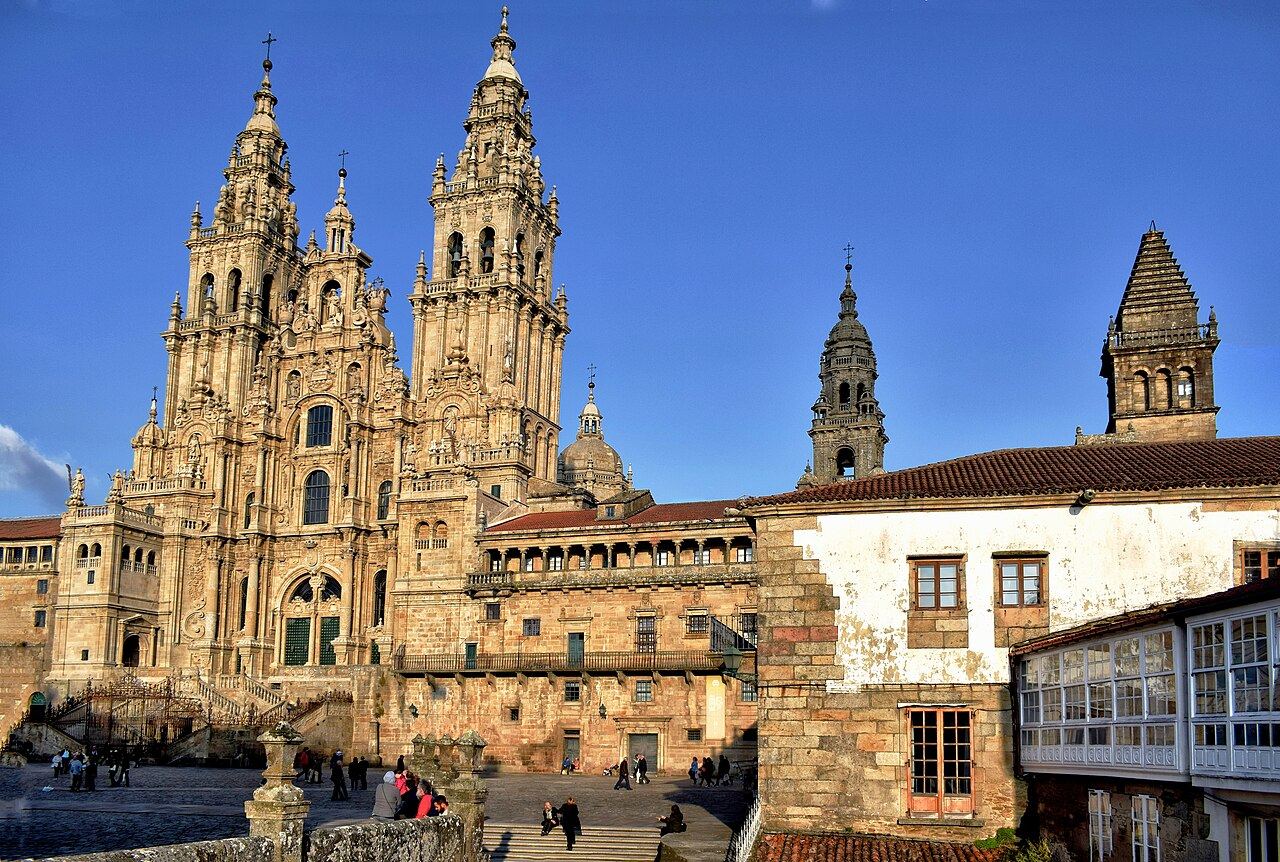
Christians have gone on pilgrimage since the earliest centuries: to Jerusalem and Bethlehem, to Rome, and to Santiago de Compostela. In England, Canterbury drew pilgrims to the shrine of Thomas Becket from the 1170s, and Geoffrey Chaucer's Canterbury Tales, written around 1390, are stories told on the road. Walsingham in Norfolk, sometimes called “England's Nazareth”, welcomes Anglican, Catholic and Orthodox pilgrims. Lourdes is a place of prayer for the sick.
Islam
“And proclaim unto mankind the pilgrimage. They will come unto thee on foot and on every lean camel; they will come from every deep ravine.”
Qur'an 22:27 · Pickthall (1930)
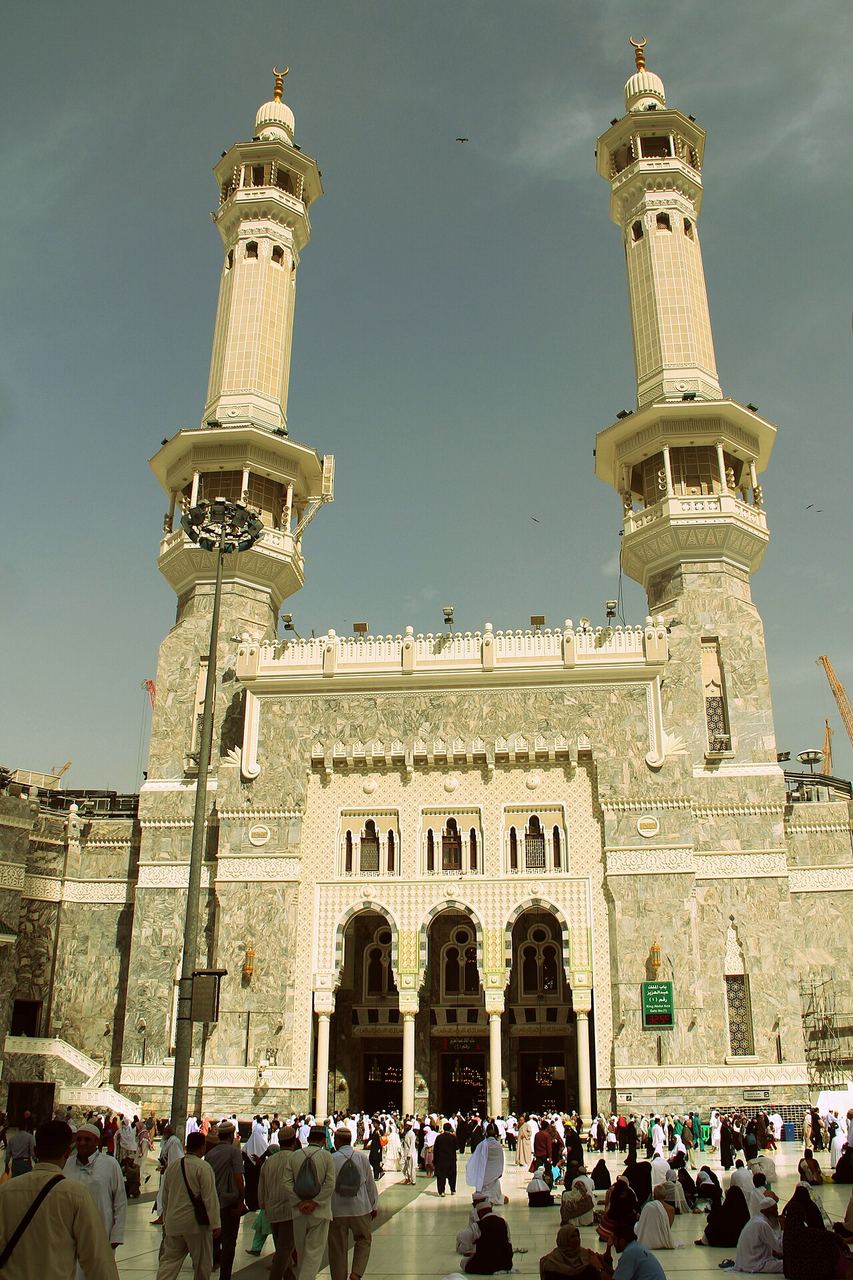
Hajj, the pilgrimage to Mecca, is one of the five pillars of Islam: a duty once in a lifetime for every adult Muslim who is able to make it (3:97). Pilgrims follow in the steps of Abraham, Hagar and Ishmael. Muslims believe Abraham and Ishmael raised the Kaaba as a house for the worship of the one God (2:127). The high point is a day of standing in prayer at Arafat. Umrah, the “lesser pilgrimage”, can be made at any time of year. Rich and poor wear the same simple clothes.
Without religion
Many non-religious people make pilgrimages of their own: walking the Camino for the challenge and the company, visiting a grandparent's war grave, or travelling to a place that mattered to someone they loved. They often describe the same thing believers do: slowing down, and coming home thankful.
Sikhi
“Pilgrimage, austerities, mercy, and almsgiving on general and special occasions / Whosoever performeth, may obtain some little honour; / But he who heareth and obeyeth and loveth God in his heart, / Shall wash off his impurity in the place of pilgrimage within him.”
Guru Granth Sahib, ang 4 (Japji, pauri 21) · Max Arthur Macauliffe, The Sikh Religion (1909), public domain
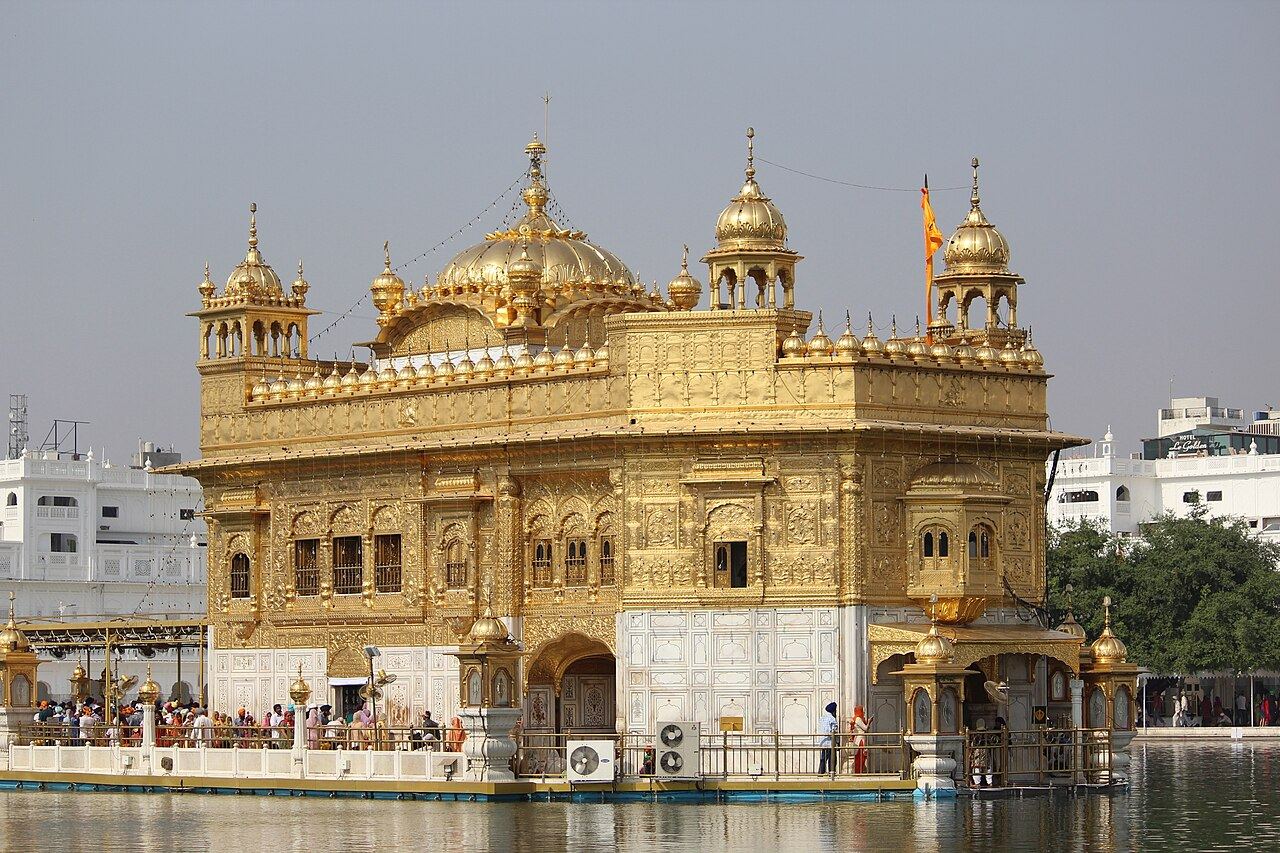
Guru Nanak taught that the truest pilgrimage is inside: hearing, obeying and loving God. Even so, Sikhs from all over the world travel to the Harmandir Sahib, the Golden Temple, in Amritsar. It has four doors, one on each side, as a sign that people of every background are welcome. Its langar serves more than 100,000 free meals a day.
Hindu traditions
A Hindu place of pilgrimage is a tirtha, a “crossing place”, where earth and heaven feel close. Pilgrims bathe in the Ganges at Varanasi, climb to mountain shrines in the Himalayas, or join the Kumbh Mela, held in turn at four river cities. Bathing at the meeting point of rivers during the Kumbh is believed to wash away wrongdoing. Many pilgrims make the trip to give thanks for a prayer answered.
Beyond the Abrahamic faiths
Buddhists visit four places linked to the Buddha's life. The most important is Bodh Gaya in India, where he is said to have reached enlightenment under a tree. The Mahabodhi Temple there is a UNESCO World Heritage Site, and a descendant of that tree still grows beside it.
Same and different
Shared: a special place, a long road, simple clothes or bare feet, strangers becoming companions, and coming home changed. Different: for Muslims, Hajj is a duty for those who can; for Jews, the pilgrim festivals once centred on the Temple; for Christians and Hindus, pilgrimage is a free act of devotion; and Sikh teaching says the real place of pilgrimage is the heart. Even there, the Golden Temple's four open doors make a point every pilgrim tradition would share: the way in is open to everyone.
A moment to reflect
- Is there a place that makes you feel grateful just by being there?
- Why might it help to travel to say thank you, rather than say it at home?
- On Hajj, rich and poor wear the same clothes. What does that teach?
- Guru Nanak speaks of a place of pilgrimage within. What do you think he means?
Watch
Each tradition, in its own words
A Muslim telling
A Christian telling
Do it together
Walk to a place of worship or a meaningful spot in your area that you have never visited, on foot if you can. Take a simple packed lunch to share. Talk on the way about what you are grateful for.
On a world map, mark Jerusalem, Mecca, Amritsar, Prayagraj, Bodh Gaya, Canterbury and Walsingham. Add one fact and one photo for each. What do the pilgrims at each place have in common?
Invite someone who has been on Hajj, to Walsingham, to Amritsar or on the Camino. Ask them one question only: what did you come home grateful for?
Go deeper
- Hajj statistics 2025 (Saudi General Authority for Statistics) · research
- Golden Temple (Wikipedia) · article
- Mahabodhi Temple Complex at Bodh Gaya (UNESCO) · find out more
- Shrine of Our Lady of Walsingham · find out more
In pictures
Sources (9)
- Deuteronomy 16:16 and Psalm 122:1 text: Sefaria, JPS 1917
- Luke 2:41 text: World English Bible (British Edition) via bible-api.com
- Qur'an 3:97, 2:127, 22:27 meanings (rendered Pickthall (1930) where quoted): Quran.com
- 1,673,230 pilgrims at Hajj 2025: Saudi Gazette reporting GASTAT
- 66.21 crore (about 662 million) visits to Maha Kumbh 2025 (Uttar Pradesh government figure): Morung Express / UP government statement
- Golden Temple: over 150,000 visitors a day; over 100,000 langar meals a day; four entrances symbolise equality: Wikipedia, Golden Temple
- Lourdes: around four million visitors a year: Wikipedia, Sanctuary of Our Lady of Lourdes
- Japji pauri 21 in Macauliffe's translation: Max Arthur Macauliffe, The Sikh Religion, vol. 1 (1909), Wikisource
- Mahabodhi Temple a UNESCO World Heritage Site (2002): UNESCO World Heritage List