Scripture
The Torah and the Hebrew Bible
Teaching, as Jews hold, given at Sinai
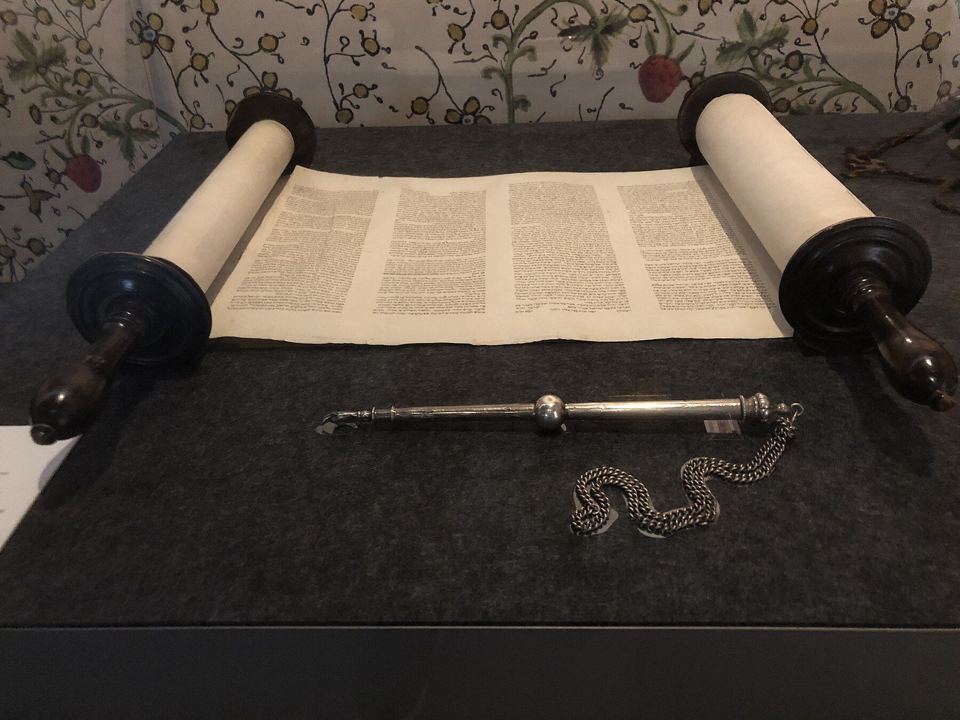
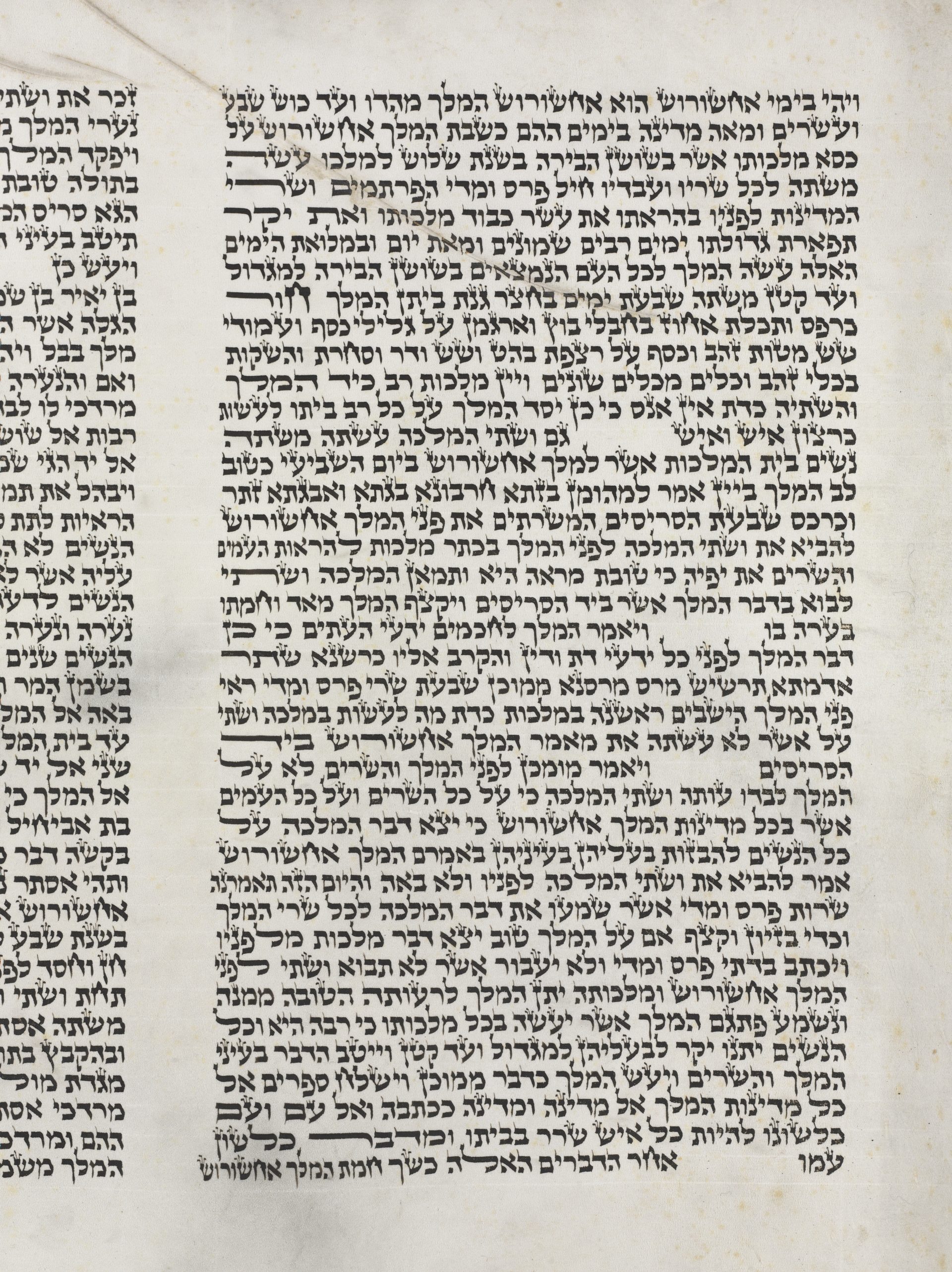
The Five Books of Moses, hand-written on a scroll and chanted aloud in synagogue, a portion every week, so that the whole is read through every year.
The one-minute snapshot
In Jewish tradition the Torah, “teaching”, is the Five Books of Moses: Genesis, Exodus, Leviticus, Numbers and Deuteronomy, given by God at Sinai. In a wider sense “Torah” means all Jewish teaching, including the Oral Torah handed down beside it.
The Hebrew Bible, called Tanakh, adds the Prophets (Neviʾim) and the Writings (Ketuvim). It is the root the Christian Old Testament shares, in a different order.
שְׁמַ֖ע יִשְׂרָאֵ֑ל יְהוָ֥ה אֱלֹהֵ֖ינוּ יְהוָ֥ה ׀ אֶחָֽד׃
“HEAR, O ISRAEL: THE LORD OUR GOD, THE LORD IS ONE.”
Deuteronomy 6:4, JPS 1917 · Sefaria
- 5books of the Torah, the Five Books of Moses
- 24books of the Tanakh in the Jewish count
- 304,805letters in a Torah scroll, each one written by hand by a trained scribeChabad.org
- 54weekly portions (parashot), read in turn through the year
- 7readings (aliyot) in each Shabbat portion, each with someone called up to the Torah
- 1008the date of the Leningrad Codex, the oldest complete Hebrew Bible
Hear the Torah chanted
 State Library of Victoria · Wikimedia Commons · CC BY-SA 4.0
Listen
This week's portion, chanted
Every week Jewish communities read a portion of the Torah aloud, chanted to musical marks (taʿamim) printed above and below the Hebrew letters. Hear all 54 portions, verse by verse, with the 1917 Jewish Publication Society English beside the Hebrew.
Go deeper
Seven short layers. Open whichever you like, in any order.
What it isWritten Torah, Oral Torah, and the Tanakh
The Written Torah is the five books on the scroll. The Oral Torah, later written down in the Mishnah and the Talmud, explains how they are lived. Tanakh is an acronym: Torah, Neviʾim (Prophets), Ketuvim (Writings).
Christians call these books the Old Testament and read them in a different order. Here they are described as Jews describe them.
וְאָ֣הַבְתָּ֔ אֵ֖ת יְהוָ֣ה אֱלֹהֶ֑יךָ בְּכָל־לְבָבְךָ֥ וּבְכָל־נַפְשְׁךָ֖ וּבְכָל־מְאֹדֶֽךָ׃
“And thou shalt love the LORD thy God with all thy heart, and with all thy soul, and with all thy might.”
Deuteronomy 6:5, JPS 1917 · Sefaria
How it came to beAs Jews hold, and as scholars discuss
As Jews hold
The Torah was given by God to Moses at Sinai and handed down, copied with extreme care from scroll to scroll.
As scholars discuss
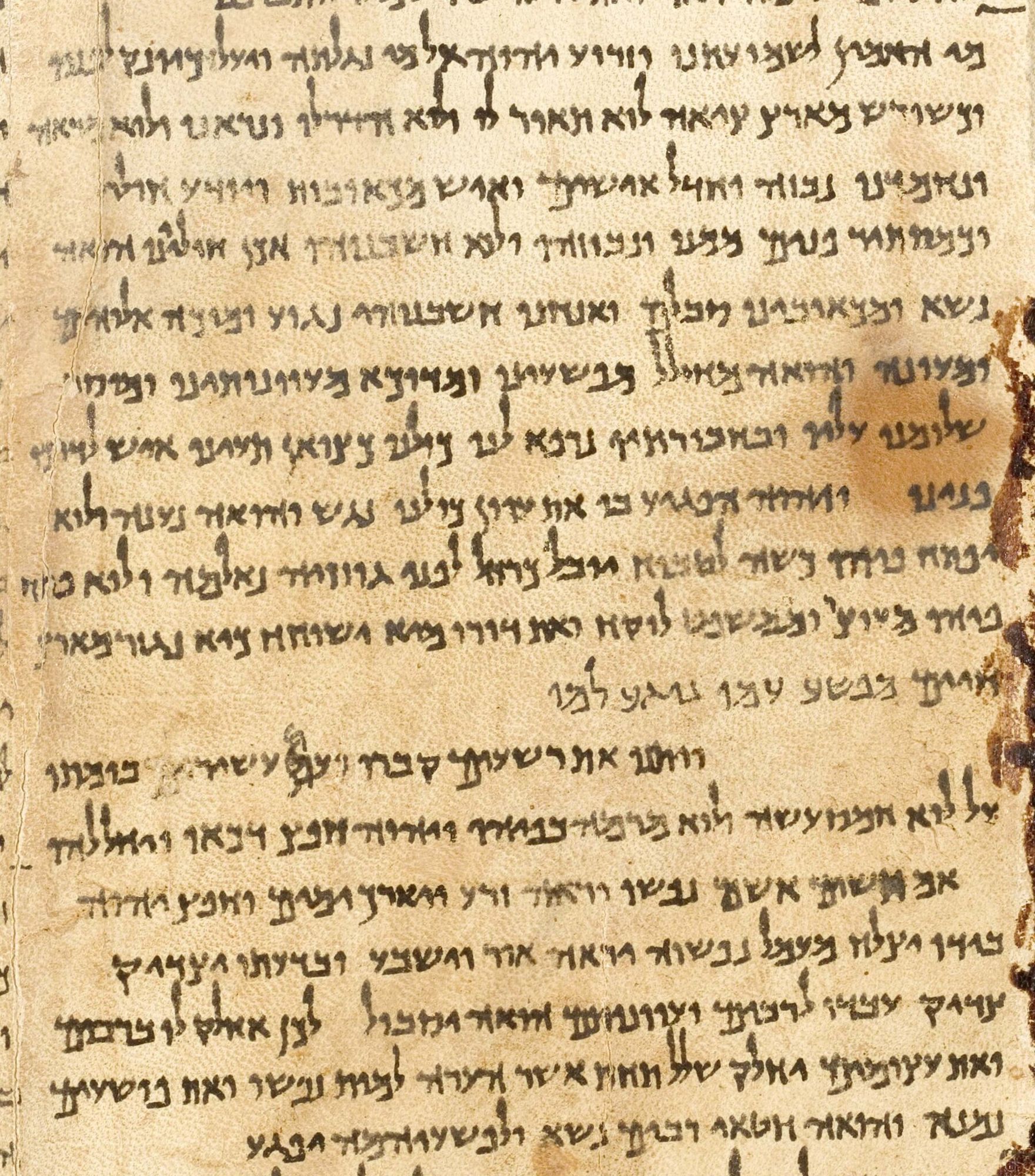
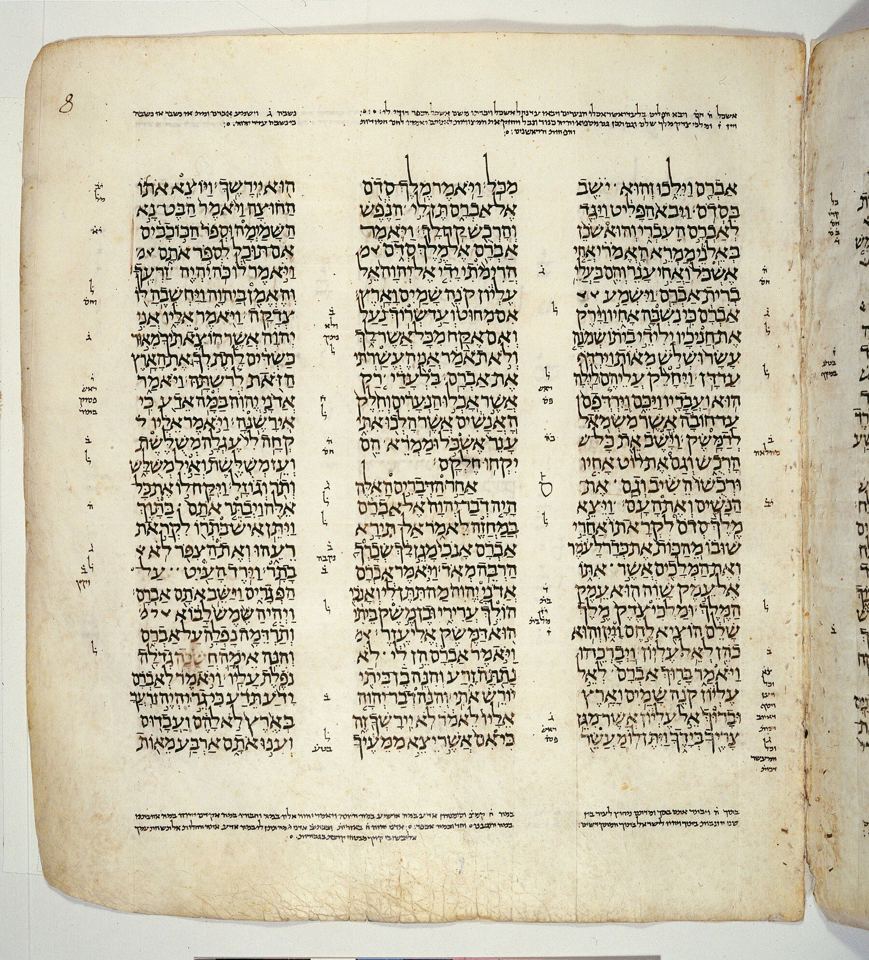
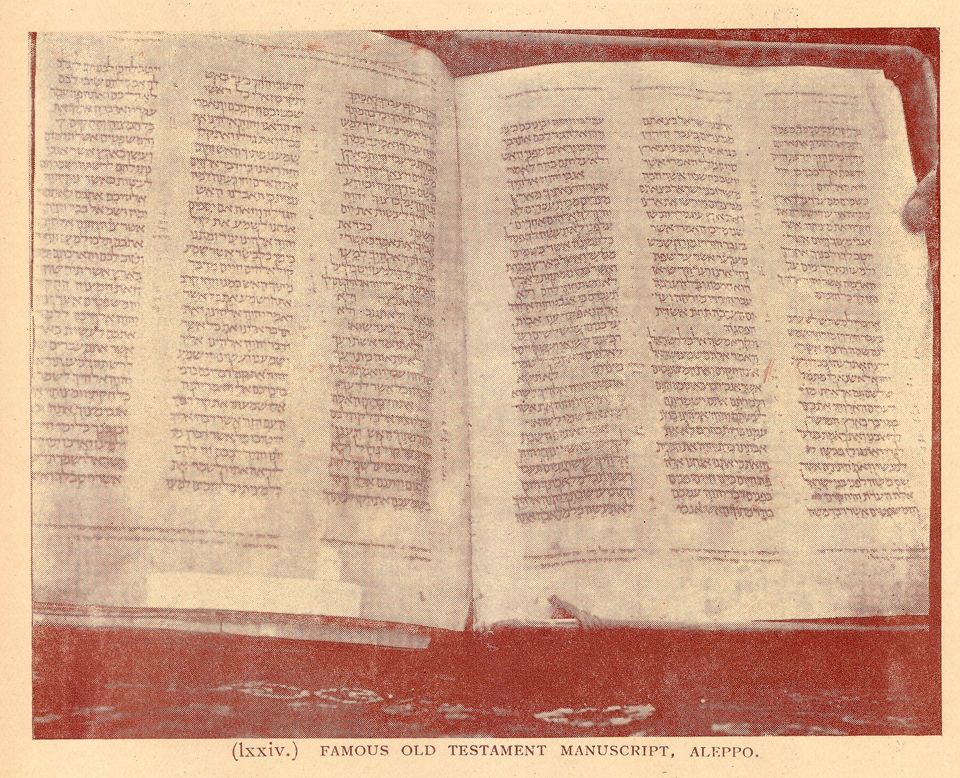
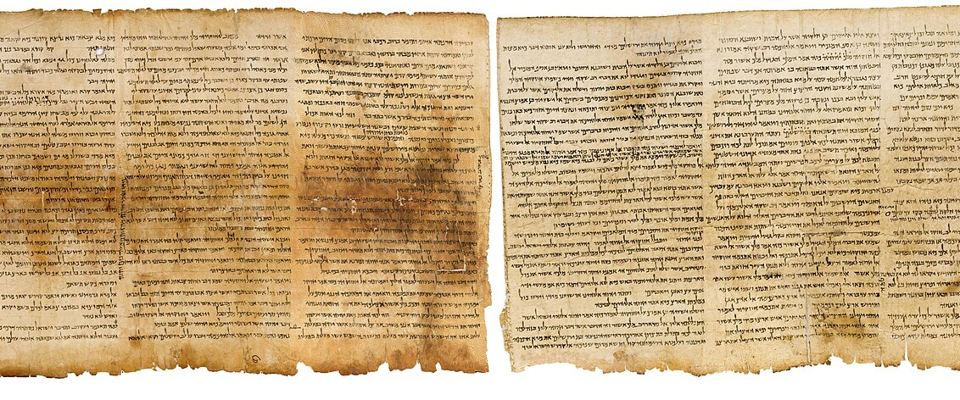
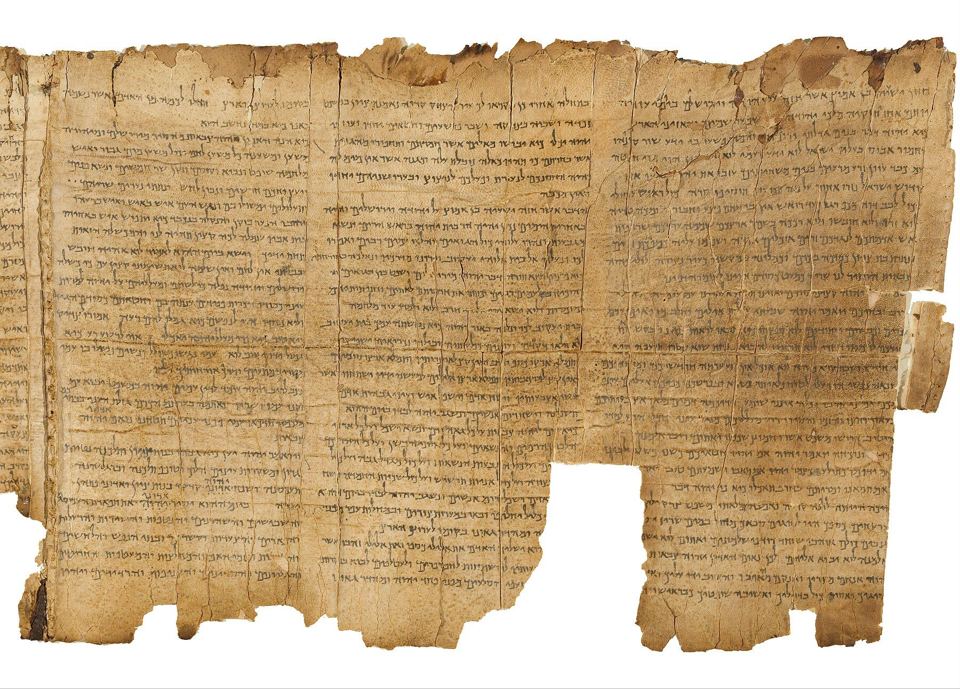
Many scholars see several sources woven together (the Documentary Hypothesis and its successors), with the final shaping often dated to the Persian period. The Dead Sea Scrolls (c. 250 BCE–68 CE) show the text both remarkably stable and with some variants. Between the 7th and 10th centuries the Masoretes added vowel signs and cantillation marks; the Aleppo Codex (c. 930) and the Leningrad Codex (1008/9) come from their work.
How it is builtTorah, Prophets, Writings, and the year of portions
| Part | Books |
|---|---|
| Torah | Genesis, Exodus, Leviticus, Numbers, Deuteronomy |
| Neviʾim | Former Prophets: Joshua, Judges, Samuel, Kings. Latter Prophets: Isaiah, Jeremiah, Ezekiel, and the Twelve |
| Ketuvim | Psalms, Proverbs, Job; the five scrolls (Song of Songs, Ruth, Lamentations, Ecclesiastes, Esther); Daniel, Ezra–Nehemiah, Chronicles |
The Torah is divided into 54 weekly portions. Each Shabbat portion is read in seven parts (aliyot), followed by a reading from the Prophets (the haftarah). Open the player to find this week's.
How it is read and honouredParchment, quill, the yad, and a dance at the end of the year
- A Sefer Torah is written by a scribe on kosher parchment with a quill and black ink; one mistake can make it unfit until corrected.
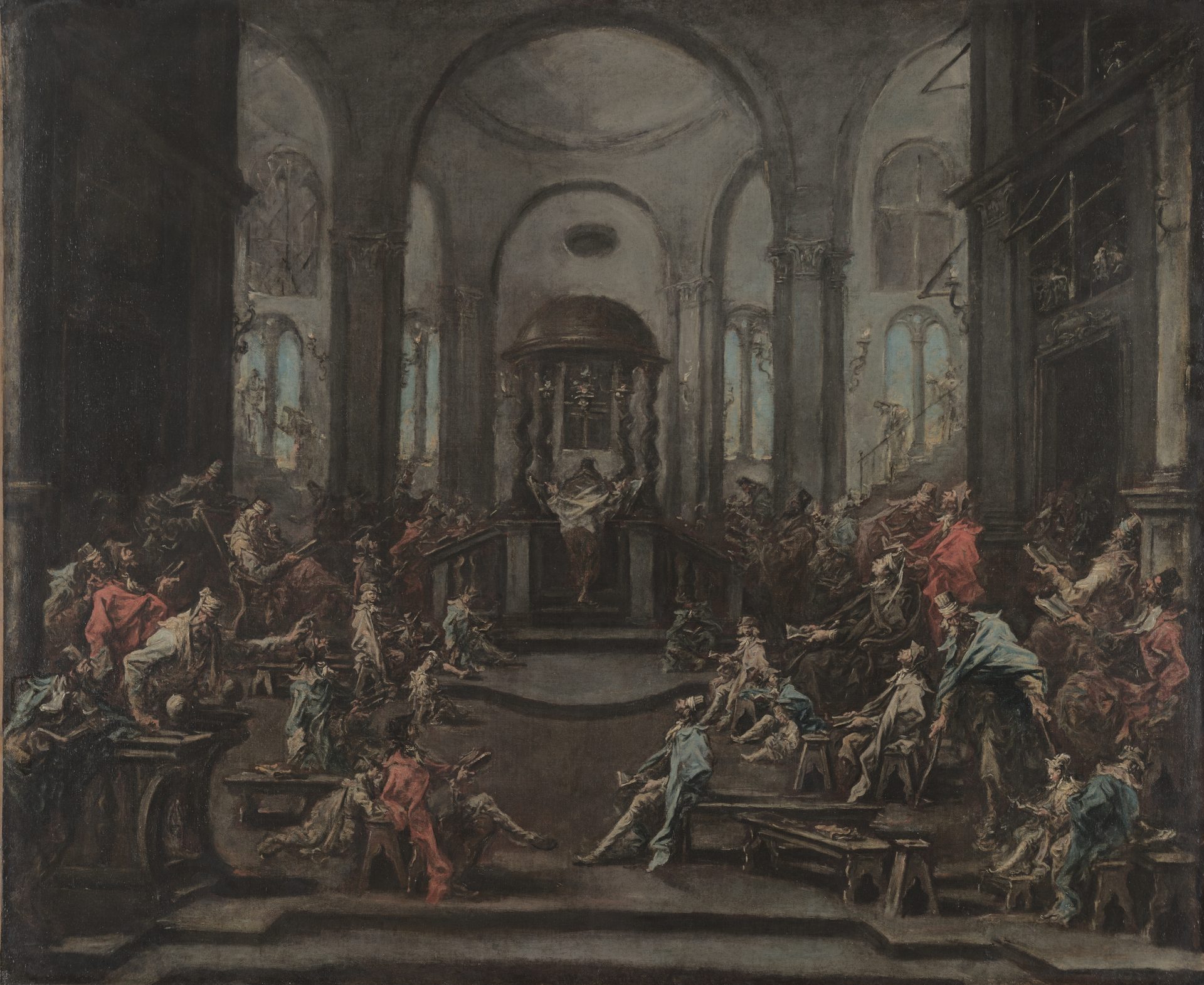
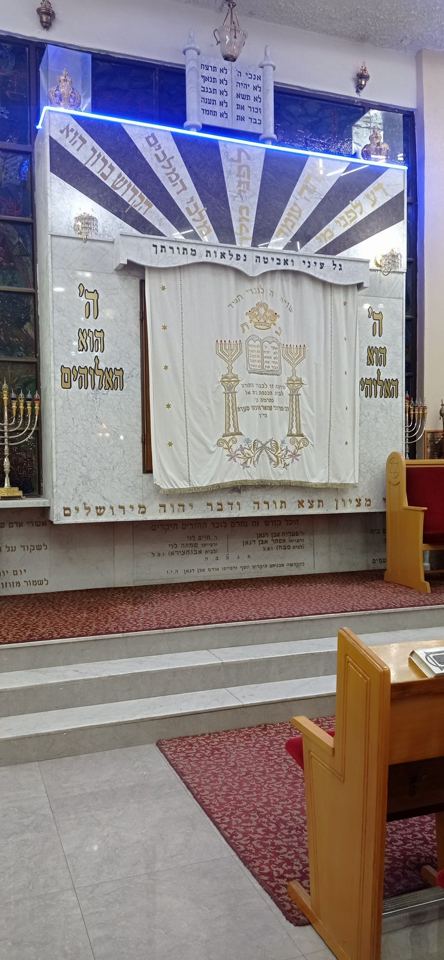
- It is read with a yad, a pointer, so that the letters are not touched by hand, and kept in the ark (aron kodesh), dressed in a mantle or, in Sephardi and Mizrahi communities, a case (tik).
- The congregation stands as the ark is opened. The Torah is read on Monday, Thursday, Shabbat and festivals, chanted by a reader following the taʿamim.
- On Simchat Torah the last words of Deuteronomy are read and Genesis begins again, often with dancing.
- Worn-out scrolls are not thrown away but buried with respect (genizah).
“And these words, which I command thee this day, shall be upon thy heart; and thou shalt teach them diligently unto thy children, and shalt talk of them when thou sittest in thy house, and when thou walkest by the way, and when thou liest down, and when thou risest up.”
Deuteronomy 6:6–7, JPS 1917 · Sefaria
The divine Name (four Hebrew letters) is printed in the Hebrew text, as in printed Bibles; in reading aloud, Jewish tradition says Adonai instead.
In EnglishFrom Leeser to the JPS, and a rabbi's Torah in Arabic
Isaac Leeser's translation (1853) and the Jewish Publication Society's 1917 version, which this site quotes because it is in the public domain. Chief Rabbi J. H. Hertz's Pentateuch and Haftorahs (London, 1929–36) has been widely used in British synagogues. Later versions include the Soncino books, the new JPS (1985), the ArtScroll Stone Chumash (1993), Koren, Everett Fox and Robert Alter (2018).
A thousand years earlier, Saadia Gaon translated the Torah into Arabic: see A rabbi's Arabic Torah.
See it in BritainScrolls and synagogues you can visit
- The Memorial Scrolls Trust in London cares for Torah scrolls from Czech communities destroyed in the Holocaust, rescued and now lent to communities around the world: a story of remembrance and rescue.
- The British Library holds great Hebrew manuscripts.
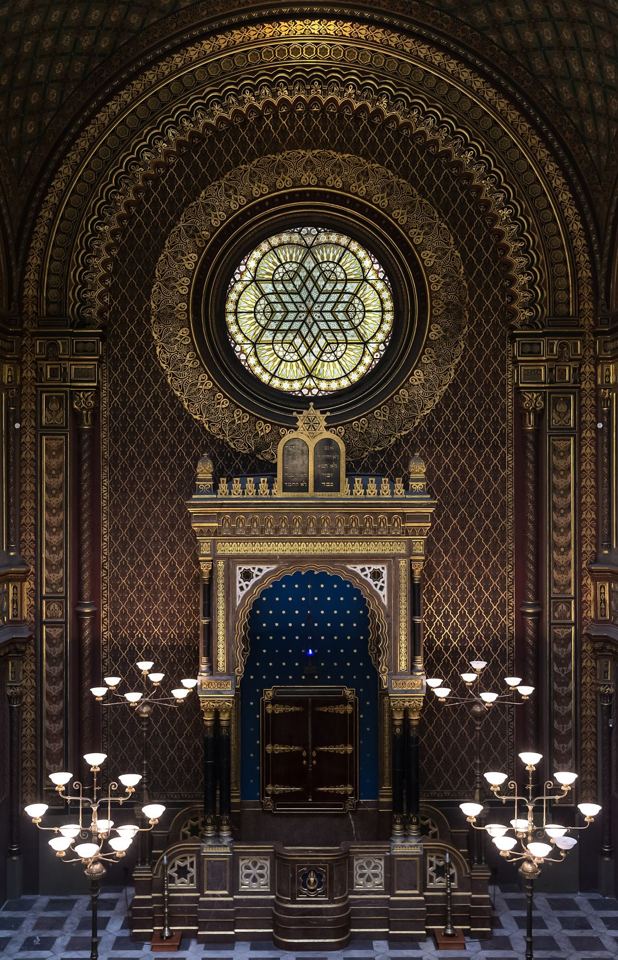
- Bevis Marks Synagogue in the City of London (1701) is the oldest synagogue in Britain still in use.
See Places to visit.
ListenThe chant carries the meaning
The cantillation marks are music and punctuation at once: they show where a verse rises, pauses and ends. Hear the Shema chanted, then read it with the English.
Scrolls, codices and synagogues
Tap any picture to see it large. Every image is credited; none is ours.
Keep exploring
Watch more: The Torah and the Hebrew Bible
8 films and talks, chosen for this page. They play here.
What is the Torah? | Religious Studies - My Life, My Religion: Judaism
BBC Bitesize for Teachers · 3 min
Discovering Sacred Texts: Judaism
British Library · 10 min
The Torah Scroll Explained | Holy Cribs
TrueTube · 2 min
2 BIBLES!? The Written and Oral Torah Explained!
Jewish Learning Institute · 58 min
Jewish Learning Institute: the written and oral Torah explained.
Who Wrote the Dead Sea Scrolls?
ReligionForBreakfast · 6 min
Hearing: Reading the Torah and Singing its Praises
The Jewish Theological Seminary · 3 min
The Jewish Theological Seminary: reading the Torah aloud.
Tricks of the Trope, Lesson 1 - Hazzan Arianne Brown
Cantors Assembly · 6 min
Cantors Assembly: tricks of the trope, how the Torah is chanted, lesson 1.
The Global Community Torah
Sefaria ספריא · 1 min
Sefaria: the Torah as a global community text.
- More films and talks on F-ILMWatch free