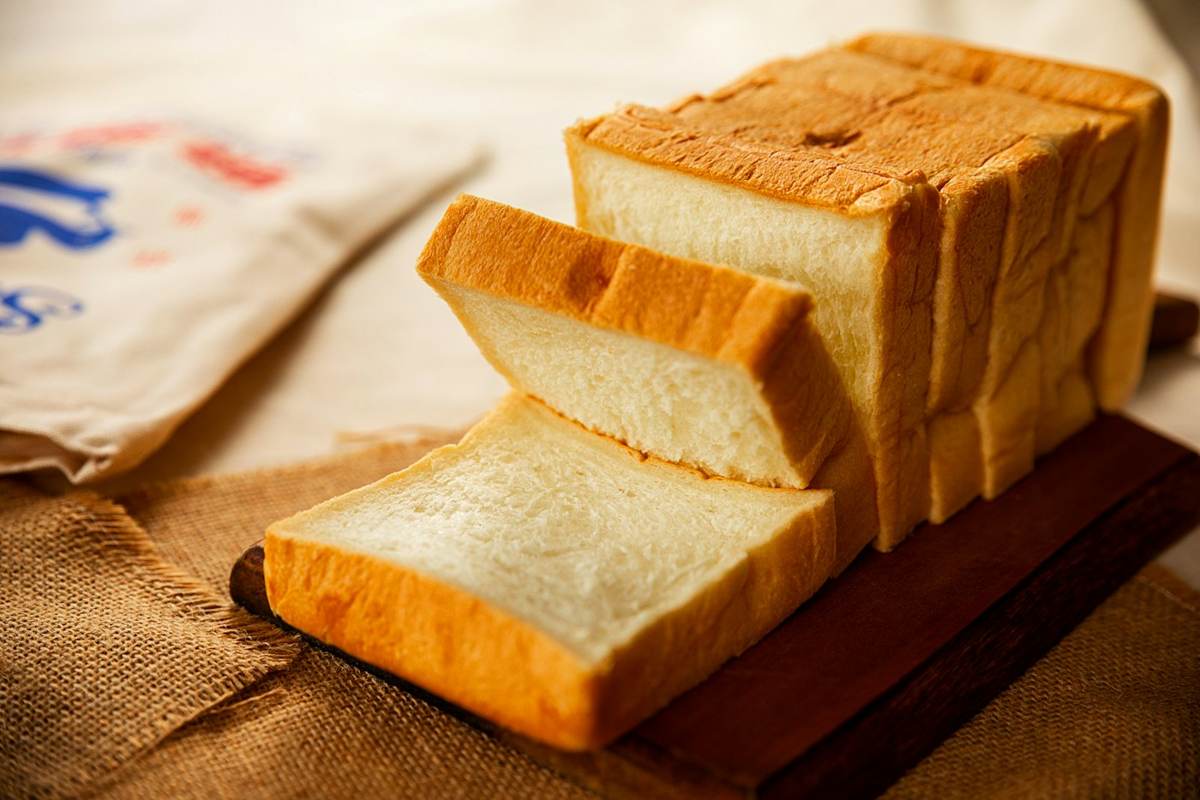
Three strangers come out of the midday heat. An old man sitting at his tent door sees them, runs to meet them and bows to the ground. He begs them to stay. Bread is baked, a calf is cooked, and he stands beside them under a tree while they eat.
Jews, Christians and Muslims all remember this scene: Abraham welcoming his guests. It is one of the few stories told in the Hebrew Bible and the Qur'an, and painted again and again by Christians. Around four thousand years later, his children, and many who are not his children, are still laying tables for strangers.
“And the LORD appeared unto him by the terebinths of Mamre, as he sat in the tent door in the heat of the day; and he lifted up his eyes and looked, and, lo, three men stood over against him; and when he saw them, he ran to meet them from the tent door, and bowed down to the earth, and said: ‘My lord, if now I have found favour in thy sight, pass not away, I pray thee, from thy servant. Let now a little water be fetched, and wash your feet, and recline yourselves under the tree. And I will fetch a morsel of bread, and stay ye your heart; after that ye shall pass on; forasmuch as ye are come to your servant.’ And they said: ‘So do, as thou hast said.’”
Genesis 18:1–5 · JPS 1917
Abraham is an old man, recovering, the rabbis say, in the hottest part of the day. Still he runs. The Qur'an tells the same visit in Surah adh-Dhariyat (51:24–27) and Surah Hud (11:69).
Why eating together matters
Researchers who study human behaviour have found that eating together does something to us. A 2017 study led by the Oxford anthropologist Robin Dunbar found that people who often eat with others feel more satisfied with life, trust their neighbours more and have more friends to turn to. That is a correlation, not proof that one causes the other. But it would not surprise Abraham.
Watch
Watch
A Muslim telling
What each faith says
Judaism
“The stranger that sojourneth with you shall be unto you as the home-born among you, and thou shalt love him as thyself; for ye were strangers in the land of Egypt: I am the LORD your God.”
Leviticus 19:34 · JPS 1917
Welcoming guests, hachnasat orchim, is a mitzvah, a commandment, and Jews learn it from Abraham. The Talmud even says that welcoming guests is greater than receiving God's presence, because Abraham left his conversation with God to run to the strangers (Shabbat 127a).
Every Friday evening, Shabbat begins at the table, with candles, a blessing over wine called Kiddush, and two loaves of challah. Many families keep a place for a guest. At the Passover Seder, the meal opens with an invitation: let all who are hungry come and eat.
Christianity
“Don’t forget to show hospitality to strangers, for in doing so, some have entertained angels without knowing it.”
Hebrews 13:2 · World English Bible (British Edition), public domain
On the night before he died, Jesus shared a last supper with his friends. He broke bread and said, “Do this in memory of me” (Luke 22:19). Christians have done it ever since. It is called Holy Communion, the Eucharist, the Mass or the Lord's Supper, and churches understand it in different ways. After the resurrection, two disciples recognised Jesus only when he broke bread at their table (Luke 24:30–31).
Jesus told his hosts to invite “the poor, the maimed, the lame, or the blind” (Luke 14:13). Orthodox Christians call Abraham's welcome the Philoxenia, “love of strangers”.
Islam
“Hath the story of Abraham's honoured guests reached thee (O Muhammad)? When they came in unto him and said: Peace! he answered, Peace! (and thought): Folk unknown (to me). Then he went apart unto his housefolk so that they brought a fatted calf; And he set it before them, saying: Will ye not eat?”
Qur'an 51:24–27 · Pickthall (1930)
The Qur'an tells how Abraham's honoured guests greeted him with “Peace”. He went quietly to his family and brought a fattened calf. Muslims remember him as a model host. The Prophet Muhammad taught that anyone who believes in God and the Last Day should honour their guest.
In Ramadan, the table becomes a daily meeting place. Iftar begins at sunset, usually with dates and water, and mosques serve free meals to anyone who comes in. Feeding someone who is fasting is counted as a great reward. In recent years, open iftars have brought thousands of people of every faith and none to break the fast together.
Without religion
You don't need a creed to lay a table. Every June, street parties and picnics across Britain take part in the Great Get Together, inspired by the late MP Jo Cox's words that we have “more in common” than what divides us. Many non-religious people say a shared meal is where strangers become neighbours.
Sikhi
“Balvand says: Khivi, the Guru's wife, is a good woman, who gives cool, leafy shade to all.”
Guru Granth Sahib, ang 967 (Balvand and Satta) · our rendering
Guru Nanak began the langar, the free kitchen, and every gurdwara keeps it today. Anyone may eat, of any faith or none. Everyone sits on the floor in rows, called pangat, and eats the same simple vegetarian food, so that no one is above anyone else. Guru Angad and his wife Mata Khivi made the langar grow. The third Guru, Amar Das, asked every visitor to eat in the langar before meeting him.
At the Golden Temple in Amritsar, volunteers serve tens of thousands of meals a day. The Guru Granth Sahib praises Mata Khivi's kitchen.
Hindu traditions
“Atithi devo bhava”, says the Taittiriya Upanishad (1.11.2): treat the guest as God. Many Hindu homes still try to live by it, and a guest is never sent away without food. In the mandir, food offered to the deity is returned to the worshippers as prasad, a blessing that everyone shares.
Same and different
Every tradition here treats the guest as more than a visitor. To Jews and Muslims the guest is a trust; to Christians a stranger may be an angel, or Christ himself (Matthew 25:35); to Hindus the guest is God; to Sikhs everyone at the langar is equal. The meals mean different things. The Christian Eucharist is a sacrament, and churches do not all agree on what happens in it; Shabbat is a holy day kept with food; iftar breaks a fast; langar is service. Food rules differ too, kosher, halal and vegetarian, which is why the langar's simple vegetarian food lets almost anyone eat it.
A moment to reflect
- When were you last a stranger who was made welcome? What did the host do?
- Abraham ran to meet his guests in the heat of the day. What would ‘running’ look like for a host today?
- Why do you think the langar makes everyone sit on the floor?
- Who in your street would you like to have at your table?
Watch
Each tradition, in its own words
A Jewish telling
 What is Shabbat? | Religious Studies - My Life, My Religion: Judaism · BBC Bitesize for TeachersPlays on “Shabbat — the seventh day” →
A Christian telling
Do it together
Host a tea with bread, dates, olives and fruit. Ask each guest to bring something from their own tradition. Read Genesis 18:1–5 and Qur'an 51:24–27 aloud, and talk about who you have welcomed.
Book a group visit to a gurdwara. Cover your head, take off your shoes, sit in the pangat and eat. Afterwards, ask the volunteers why they serve.
Plan a class meal that every pupil can eat: kosher, halal, vegetarian and allergy-safe. Talk about what you had to change, and what the langar teaches about it.
Go deeper
- Genesis 18 (Sefaria) · scripture
- Qur'an 51:24–30 (Quran.com) · scripture
- Shabbat 101 (My Jewish Learning) · article
- Langar (Wikipedia) · article
- Guru Granth Sahib, ang 967 (SikhiToTheMax) · scripture
- Dunbar, ‘Breaking Bread: the functions of social eating’ (2017) · research
Sources (10)
- Genesis 18:1–5 and Leviticus 19:34 text: Sefaria, JPS 1917
- Hebrews 13:2; Luke 14:13; Luke 22:19; Luke 24:30–31 text: World English Bible (British Edition) via bible-api.com
- Abraham's guests in the Qur'an: Qur'an 51:24–30 and 11:69 (Quran.com)
- Shabbat dinner: candles, Kiddush, challah: My Jewish Learning, Shabbat 101
- Kiddush: Wikipedia, Kiddush
- Iftar customs: Wikipedia, Iftar
- Langar, pangat, Mata Khivi, Guru Amar Das: Wikipedia, Langar (Sikhism); Mata Khivi
- Balvand on Mata Khivi: Guru Granth Sahib ang 967, BaniDB / SikhiToTheMax
- Social eating linked with life satisfaction, trust and friendship: Dunbar, R.I.M. (2017), Adaptive Human Behavior and Physiology 3:198–211
- Open iftars open to people of any faith or none: Ramadan Tent Project, Open Iftar