The poet Percy Bysshe Shelley, two hundred years ago, imagined a traveller finding a broken statue in the desert. On its base are the words: “My name is Ozymandias, King of Kings: Look on my works, ye Mighty, and despair!” And then: “Nothing beside remains.” Only sand, stretching away.
Every king we have ever known has needed something: subjects, soldiers, taxes, an heir, a heartbeat. Al-Malik, the King, is a Name that works backwards. To glimpse it, we have to watch every crown we know being taken off.
Start with what we know
Start with something we know. Then take away everything it needs. What is left is not a bigger version of us: it is the Name.
Episode 1
In us
Queen Elizabeth II reigned for 70 years and 214 days, from February 1952 to September 2022, longer than any other British monarch. She saw fifteen prime ministers come and go in Britain. Yet even the longest reign is borrowed. She became queen because her uncle abdicated and her father died young. She ruled through a government she did not choose and laws Parliament made. And when she died at Balmoral, aged 96, the crown passed in that same moment to someone else. Human sovereignty is inherited, shared, limited, and it ends.
Episode 2
In nature
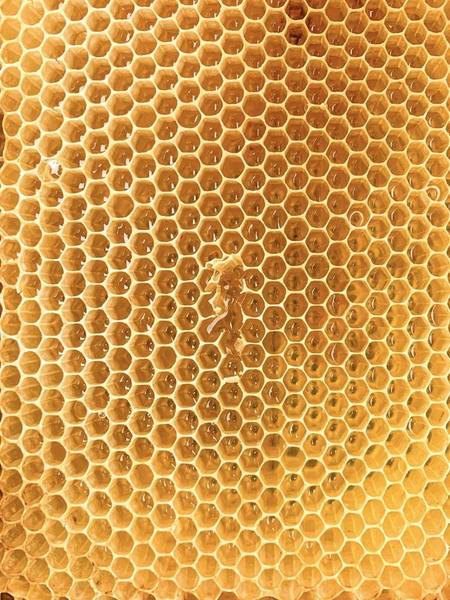
A honeybee colony seems to have a ruler. Its queen can lay up to about 2,000 eggs a day in high summer, and her scent holds tens of thousands of workers together. But she does not give orders. The workers decide where to forage, when to swarm and where to live. If she grows weak, they quietly raise a replacement from an ordinary egg fed on royal jelly. Even in nature, the one at the top is kept in place by the ones below, and can be replaced.
Episode 3
At our best
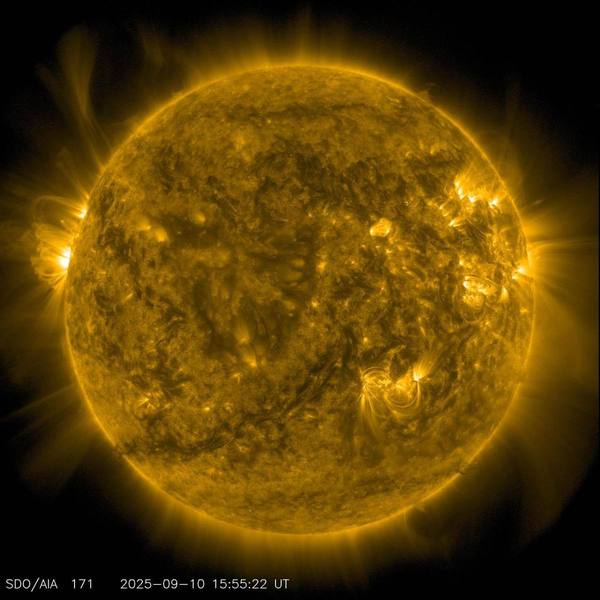
The Sun is the nearest thing to a monarch we can see. It holds 99.8 per cent of the mass of the whole solar system, and its gravity keeps every planet, moon and comet in its court (NASA). It feeds almost every living thing on Earth. Yet the Sun cannot choose. It cannot withhold its pull or decide to shine on some and not others. It burns its own fuel, and in about five billion years it will swell and fade. Its rule is a law it obeys, not a will it has.
Episode 4
The Break
Subtract the subjects, the army, the heir, the government, the fuel, the lifespan, the laws it did not write. Every king we know is held up by something. Al-Malik is not the greatest king on the list. He is the One the list depends on, who needs no one to obey Him in order to be King. “Say: O Allah! Owner of Sovereignty! Thou givest sovereignty unto whom Thou wilt, and Thou withdrawest sovereignty from whom Thou wilt. Thou exaltest whom Thou wilt, and Thou abasest whom Thou wilt. In Thy hand is the good. Lo! Thou art Able to do all things.” (Qur'an 3:26, Pickthall).
From the tradition: al-Ghazālī: al-Malik is the One who needs nothing while everything needs Him. Christian: 1 Tim 6:15-16 'the blessed and only Ruler, the King of kings… who alone has immortality'
Watch and listen
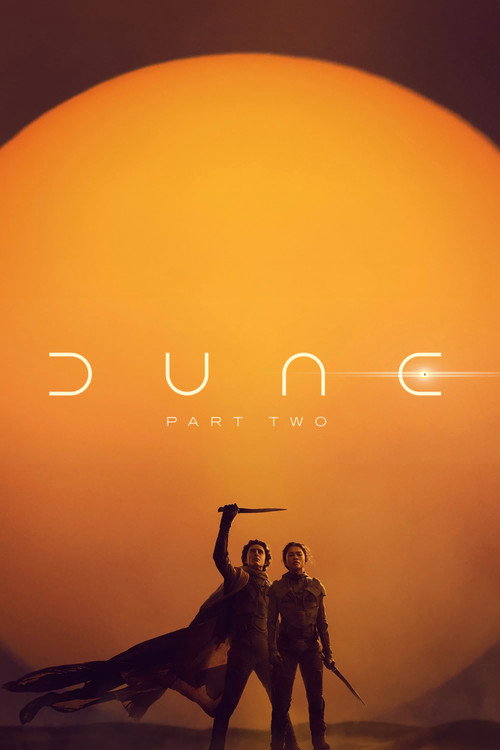
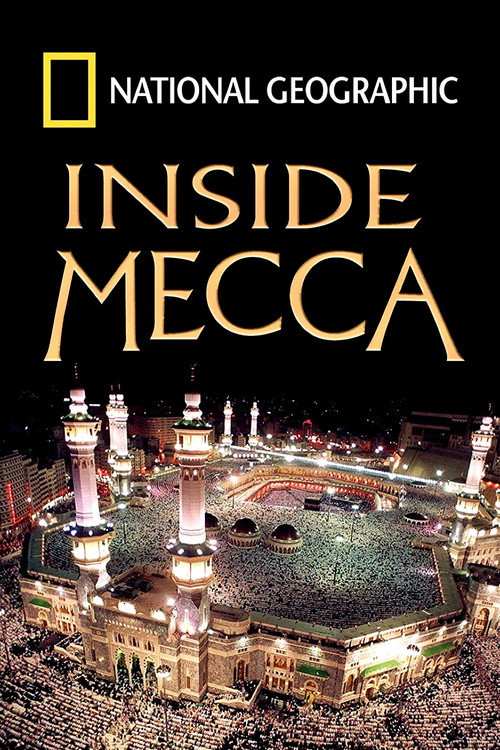
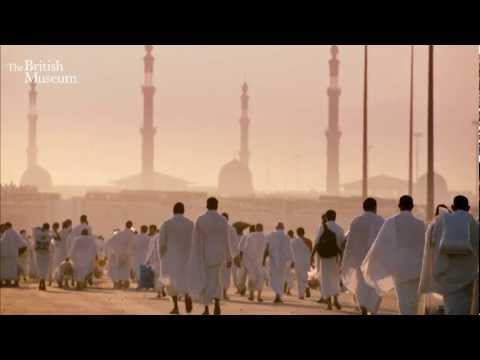
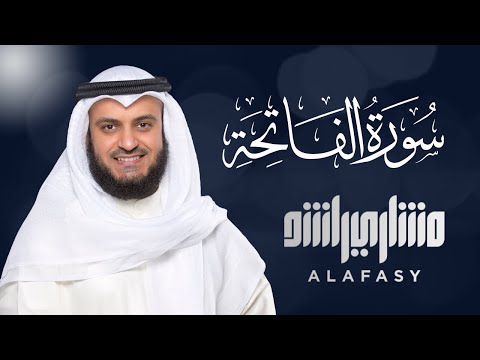
Films, documentaries and voices that reach towards this Name. Each links out to where you can watch it.
The Qur'an describes the Day when every creature stands before God, and nothing about anyone is hidden. A question rings out: “Whose is the sovereignty this Day?” And the answer: “The day when they come forth, nothing of them being hidden from Allah. Whose is the Sovereignty this day? It is Allah's, the One, the Almighty.” (Qur'an 40:16 · Pickthall).
The Prophet Muhammad ﷺ (peace be upon him) described the same scene. On that Day, he said, God will take hold of the earth and roll up the heavens, and say: “I am the King. Where are the kings of the earth?” (Bukhari 4812). There is no reply. The emperors, presidents and tyrants who once filled the world with their names are standing in the same crowd as everyone else.
Muslim scholars warned against picturing this literally; it is meant to show who truly holds power. And it was taught as good news for the powerless. The Prophet's companions remembered that he lived very simply, slept on a mat of palm fibres that left marks on his side, and refused the trappings of a king. ʿUmar, one of those companions and later the second caliph, wept to see him that way while the emperors of Persia and Rome lived in luxury. The Prophet asked him: “Are you not content that they have this world, and we have the next?” (Bukhari 4913).
What each faith says
Read:
Judaism
“For the LORD your God, He is God of gods, and Lord of lords, the great God, the mighty, and the awful, who regardeth not persons, nor taketh reward.”
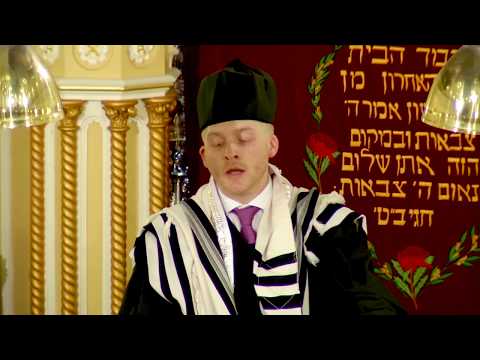
Almost every Jewish blessing begins the same way. Barukh attah Adonai, Eloheinu, melekh ha-olam, “Blessed are You, LORD our God, King of the universe.” Bread, wine, a new fruit, a rainbow: each is received from the King.
On Rosh Hashanah, the Jewish New Year, a whole section of prayer called Malkhuyot (Kingships) proclaims God as King, and the ram's-horn shofar is blown as at a coronation. The Psalms call God “the King of glory”.
There is even a blessing to say on seeing a king or queen. It thanks God for giving a share of His glory to flesh and blood (Talmud, Berakhot 58a): earthly majesty is on loan. Many services end with the hymn Adon Olam, ‘Lord of the world’, which sings that God reigned before anything was made and will reign alone when all has gone.
Christianity
“the blessed and only Ruler, the King of kings and Lord of lords. He alone has immortality, dwelling in unapproachable light”
Jesus began his preaching, in the Gospels, with the announcement that “the Kingdom of God is at hand”. The prayer he taught his followers asks: “Let your Kingdom come. Let your will be done on earth as it is in heaven” (Matthew 6:10).
Christians believe that God's kingship is shown in an unexpected way: Christ, whom they call King of kings, wore a crown of thorns. For many Christians this turns power upside down. The letter to Timothy praises God as the only true Ruler.
On the last Sunday before Advent, Catholic, Anglican, Methodist and many other churches keep the feast of Christ the King. And every Christmas season, choirs across Britain sing Handel's ‘Hallelujah’ chorus, which ends on the words “King of kings, and Lord of lords”.
Islam
“Blessed is He in Whose hand is the Sovereignty, and, He is Able to do all things.”
Al-Malik opens the great list of Names at the end of the chapter called al-Ḥashr, ‘the Gathering’ (59:23). Mālik, Master, appears in al-Fātiḥah, ‘the Opening’, the prayer Muslims say at least seventeen times a day: “Master of the Day of Judgement.” The Qur'an's last chapter calls God “The King of mankind.” (114:2, Pickthall).
The theologian al-Ghazālī explained al-Malik as the One who needs nothing, while everything needs Him. His counsel for people was practical: the first kingdom you are given is yourself. Rule your own anger and desires before you try to rule anyone else.
Same and different
All three faiths call God King, and all three say that human power is lent and will be handed back. Judaism blesses God as King of the universe many times a day. Christianity believes God's kingdom came near in Christ, whom it calls King. Islam calls God al-Malik and Mālik, refuses any image of a throne-room or crown for Him, and teaches that no human king shares His sovereignty. They agree that the one who rules best is the one who knows the crown is borrowed.
A moment to reflect
What power do you hold over others, even in small ways, and who lent it to you?
Has something that seemed permanent in your lifetime, a leader, a shop, a certainty, suddenly gone? How did that feel?
Does it make you feel smaller, or safer, that no ruler on earth is the final one?
Watch
The Sun in ultra-high definition from NASA's Solar Dynamics Observatory: the ‘At our best’ rung.
A silverback and his family: leadership in nature, and how it is held.
NASA's SDO explores the Sun, the star that holds 99.8 per cent of the solar system's mass.
Do it together
schools / familiesWho's the boss of the planets?
Swing a ball on a string around your head to feel how a pull keeps something in orbit, then let go. Talk about whether the Sun ‘chooses’ to hold the planets, and what it would mean for a ruler to choose.
schools / faith groupsOzymandias reading
Read Shelley's 14-line poem aloud (it is public domain), then read Qur'an 3:26 and Psalm 24. Discuss: what is the difference between a ruler who is remembered and one who is ruined?
familiesA hundred blessings
Jewish tradition encourages saying a hundred blessings a day (Talmud, Menachot 43b), each beginning ‘Blessed are You… King of the universe’. For one day, try spotting a hundred small gifts: a hot drink, a bus on time, a friend's text. Keep a tally on the fridge.
schools / faith groupsTwo crowns
Compare a picture of the Imperial State Crown with a crown of thorns as many churches display it on its own in Holy Week. Read Matthew 6:10 and talk about what kind of power each crown stands for.
 Episode 1