In a minute
All three faiths say that we belong to God and return to God. All three treat the body with respect, and all three gather around the bereaved.
Jews bury the dead quickly, then mourn for seven days at home (shiva), with Kaddish said for a parent for up to a year. Christians hold a funeral service that gives thanks for the person's life and commends them to God, followed by burial or cremation. Muslims wash and shroud the body, pray the janazah prayer together and bury as soon as possible.
Returning to God
And the dust returneth to the earth as it was, and the spirit returneth unto God who gave it.
Ecclesiastes 12:7 · JPS 1917Blessed are those who mourn, for they shall be comforted.
Matthew 5:4 · WEBWho say, when a misfortune striketh them: Lo! we are Allah's and lo! unto Him we are returning.
Qur'an 2:156 · PickthallJudaism: burial, shiva and Kaddish
Burial usually takes place as soon as possible, often within a few days of death and sometimes sooner. Before the funeral the mourner is called an onen and is not expected to pray the daily prayers. The funeral may take place at a synagogue, funeral home or cemetery, with readings, a eulogy and the prayer El Maleh Rahamim. Returning from the cemetery, mourners wash their hands and are given a meal of consolation by family and community.
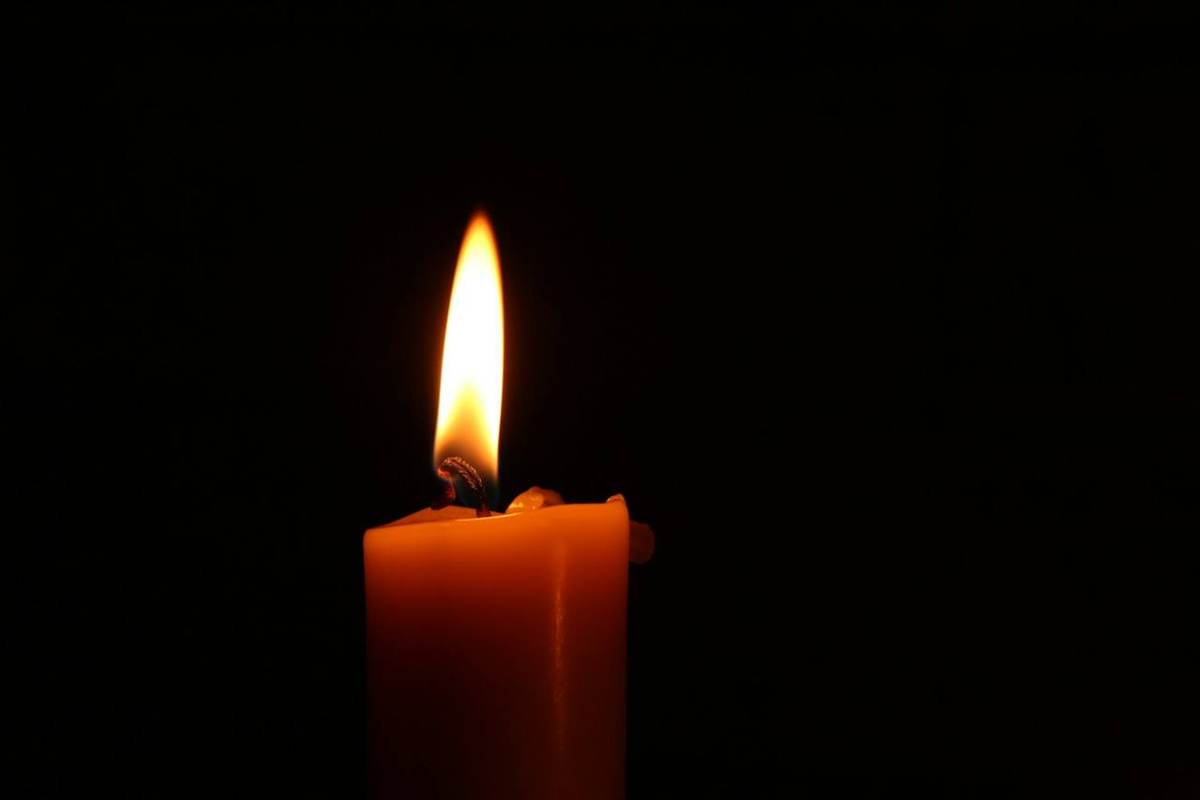
Shiva ("seven") begins after the funeral. Mourners stay home, sit on low seats, and cover the mirrors. A candle often burns for the week. Doors are left unlocked, so that visitors can come and go. They do not shave, wear leather shoes or attend entertainment. Prayers, including Kaddish, are said at home with a minyan, a quorum of ten. Public mourning is paused on Shabbat, and festivals shorten shiva.
Sheloshim ("thirty") are the first thirty days, including shiva. People return to work, but avoid parties and public entertainment. For a parent, mourners say Mourner's Kaddish daily for eleven months, or twelve in some communities. The Kaddish is a prayer in praise of God, and does not mention death. A year after death comes the yahrzeit, with a candle lit and Kaddish said. The gravestone is dedicated at an unveiling, usually within the first year.
Customs differ between Orthodox, Conservative, Reform, Ashkenazi and Sephardi families. Orthodox Judaism does not permit cremation, and a minyan in an Orthodox home counts men only.
Christianity: the funeral service
Christians turn to the words of Jesus at the graveside. A Church of England funeral, according to the Church, has five elements: thanksgiving, hope, commendation (entrusting the person into God's care), committal (to burial or cremation) and farewell. Psalm 23 is one of the most common readings. A funeral can take place in a church, a churchyard, at the graveside or at a crematorium.
I am the resurrection and the life. He who believes in me will still live, even if he dies.
John 11:25 · WEB
- Catholic. The rites have three stages: a vigil (the wake), the funeral liturgy, usually a Mass, and the rite of committal at the grave. The US bishops describe the funeral liturgy as "an act of worship, and not merely an expression of grief".
- Orthodox. The service follows a vigil (the panikhida) and ends with the congregation singing "Memory Eternal". The OCA describes it as a prayer that God will remember the departed, and says the vigil is not the Church's final word on death. The readings include 1 Thessalonians 4:13-17.
- Other Protestant churches. Services are simpler, with hymns, readings, a tribute and prayers.
"... we don't want you to be ignorant, brothers, concerning those who have fallen asleep, so that you don't grieve like the rest, who have no hope" (1 Thessalonians 4:13, WEB). Christians grieve, and also hope. Jesus himself wept: "Jesus wept" (John 11:35, WEB).
Islam: ghusl, janazah and burial
Burial is as soon as practicable, often within a day or so, and the Prophet Muhammad ﷺ (peace be upon him) said: "Hurry up with the dead body..." (Sahih al-Bukhari 1315).
- Ghusl. The body is washed by Muslims of the same gender, often close family. When the Prophet's ﷺ daughter died, he told those washing her: "Wash her thrice or five times or more, if you see it necessary, with water and Sidr and then apply camphor" (Sahih al-Bukhari 1253).
- Kafan. The body is wrapped in plain white cloth, commonly three pieces for a man and three or five for a woman, depending on the school. The shroud is the same whatever a person's wealth.
- Janazah prayer. It is a communal prayer, led by an imam, said standing, without bowing or prostration, and lasting about ten to fifteen minutes. Sunni tradition has four takbirs, citing the Prophet's ﷺ prayer for the Negus (Sahih al-Bukhari 1245). Twelver Shia prayer has five.
- Burial. The body is buried unembalmed, with the face towards Makkah (Mecca), without a coffin where the law allows. In the UK that is roughly south-east. Mourners often add three handfuls of soil. Cremation is not permitted.
Sunni and Shia washing differ in detail. Shia ghusl has three washes in a set order, with lotus (sidr), then camphor, then plain water. Sunni practice varies by school, usually with camphor in the last wash (Encyclopaedia Iranica).
Mourning lasts three days. The Prophet ﷺ said that a believing woman should not mourn more than three days, except for a husband: four months and ten days (Sahih al-Bukhari 1281). The Prophet ﷺ wept at the death of his baby son Ibrahim. He said that the eyes shed tears and the heart grieves, and that they would say only what pleases the Lord (Sahih al-Bukhari 1303). Loud wailing is discouraged, and quiet tears are not.
What a neighbour or colleague can say and do
What to say and do
- Say it plainly. "I'm so sorry for your loss." "I'm thinking of you." Then listen. No one expects the perfect words.
- Jewish mourners. At the end of a shiva visit, Ashkenazi Jews say, "May God console you together with everyone who mourns for Zion and Jerusalem." You do not need to. Call ahead to ask what time to visit. Let the mourner start talking. Bring food, checking it is kosher, and no flowers.
- Muslim mourners. Say "Inna lillahi wa inna ilayhi raji'un" (Qur'an 2:156) if you feel comfortable, or simple condolences in English. Dress modestly. Take your shoes off at the mosque if asked. A nod is polite where handshakes between men and women are avoided. Flowers are not traditional. Visit in the three days, and bring food.
- Christian mourners. Cards, flowers and donations in memory are all welcome. Join the hymns and prayers if you wish. At a Catholic or Orthodox Mass, you may sit quietly when others receive Communion.
- At any funeral. Arrive early, wear dark or muted colours, switch off your phone, stand when others stand.
- Afterwards. Check in a month later, when others have drifted away. Offer practical help: a meal, school run or shopping.
Common ground and honest differences
Each faith says goodbye with prayer, community and kindness to the bereaved. Each asks the living to keep supporting the grieving for much longer than the funeral. See The Last Day for what each faith teaches about what comes after.
Honest differences
- Speed: Jewish and Muslim burial is quick. Christian funerals commonly follow in a week or two.
- Cremation: not permitted in Orthodox Judaism or Islam. Many Christian churches accept it, though the Orthodox churches discourage it and the Catholic Church prefers burial.
- Prayers for the dead: Catholic and Orthodox churches pray for the dead explicitly. Many Protestant churches commend them to God without praying for their journey.
- Mourning periods and rites vary between Sunni and Shia, Orthodox and Reform, Catholic and Orthodox Christians.
Where next
Remembering · Grief without borders · Life's milestones · Names of God: Al-Hayy, the Ever-Living