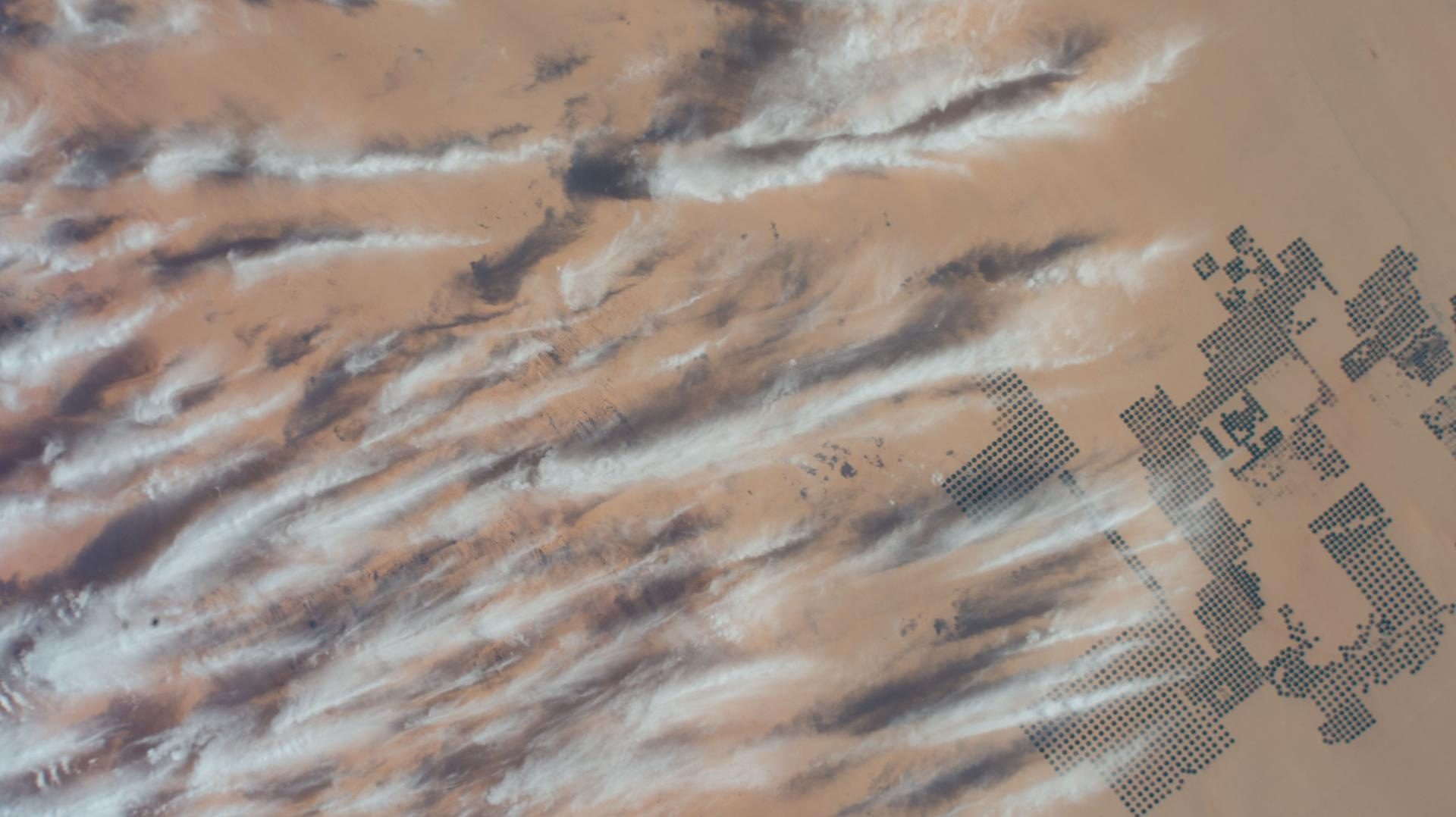
Walk along a row of allotments in any British town in August. Two plots sit side by side. The same clouds rained on both. The same tap fills both watering cans. One gardener is handing out tomatoes that taste of summer; next door, the tomatoes are pale and watery. Ask them why and you will hear an argument that can last all afternoon: the soil, the sun, the seed, the manure, the luck.
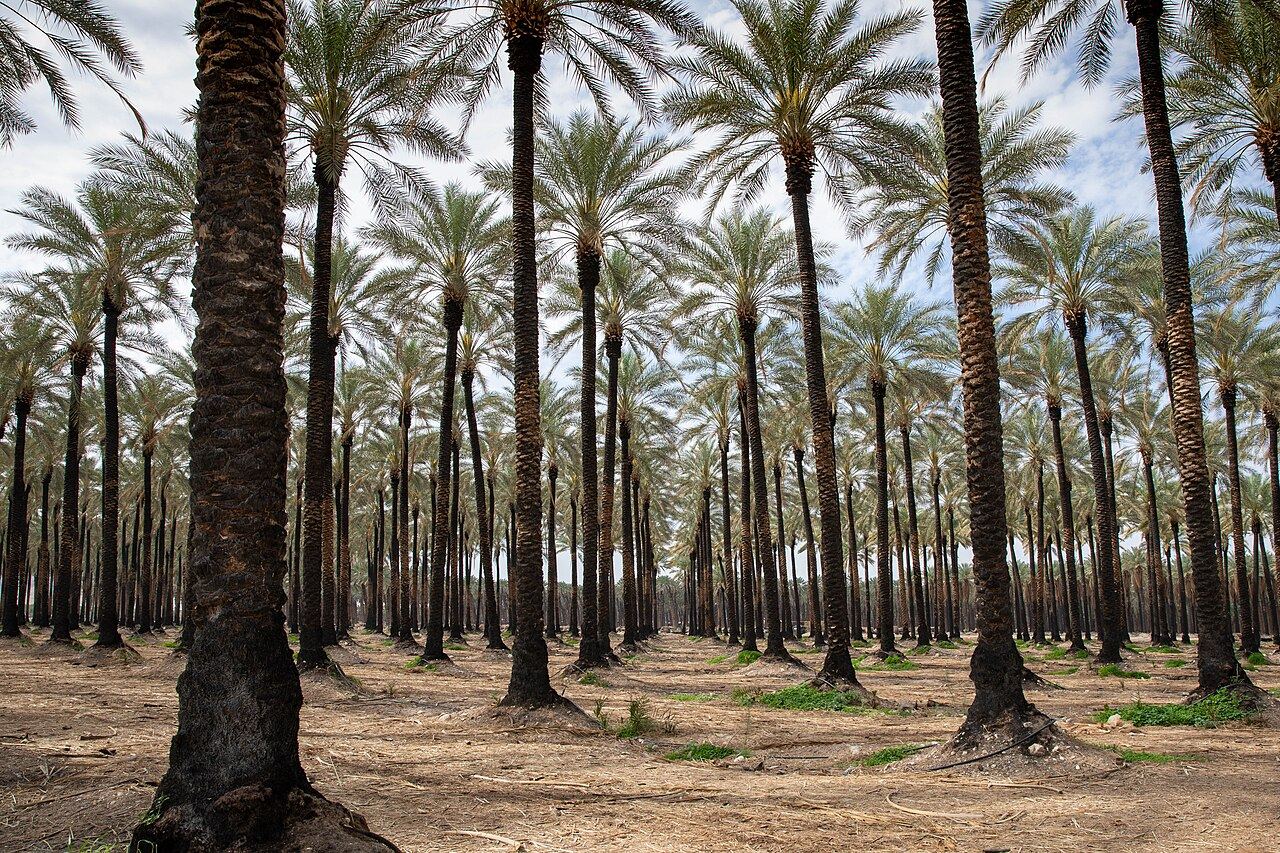
Farmers in the date groves of Arabia knew the same puzzle. Palms a few steps apart, fed by one channel of water, gave dates of different sweetness. Some palms grew in clumps from a single root; some stood alone. Fourteen centuries ago the Qur'an stopped at exactly this scene, and asked its listeners to think about it.
“And in the Earth are neighbouring tracts, vineyards and ploughed lands, and date-palms, like and unlike, which are watered with one water. And we have made some of them to excel others in fruit. Lo! herein verily are portents for people who have sense.”
Qur'an 13:4 · Pickthall (1930)
This verse sits in Surah al-Raʿd (The Thunder), right after the sky raised without visible pillars and the earth spread out with its rivers and paired fruits (13:2-3). The camera moves from the whole sky down to one patch of farmland. The Arabic for 'neighbouring' is mutajāwirāt, from the same root as jār, the everyday word for a neighbour. The word ṣinwān describes several trunks growing from one root. The Prophet Muhammad ﷺ (peace be upon him) used the same word for family when he said that a man's uncle is the ṣinw, the sister trunk, of his father (Muslim 983).
What science shows
Farmers and scientists have a word for the puzzle: terroir, a French word meaning roughly 'the character of a place'. It covers everything about a patch of ground that changes what grows there. That means the soil, the slope, which way it faces the sun, how the air moves over it, and what has been planted. It was first studied closely by grape growers, but the same research is now done on tea, coffee, cocoa, wheat and vegetables.
One of the best-known studies took vineyards in Bordeaux, France, and measured the vines and their fruit over several seasons (van Leeuwen and colleagues, American Journal of Enology and Viticulture, 2004). Climate, soil and grape variety all made a big difference. But the effects of climate and soil were greater than the effect of variety. In other words, where a plant grows can matter more than which plant it is.
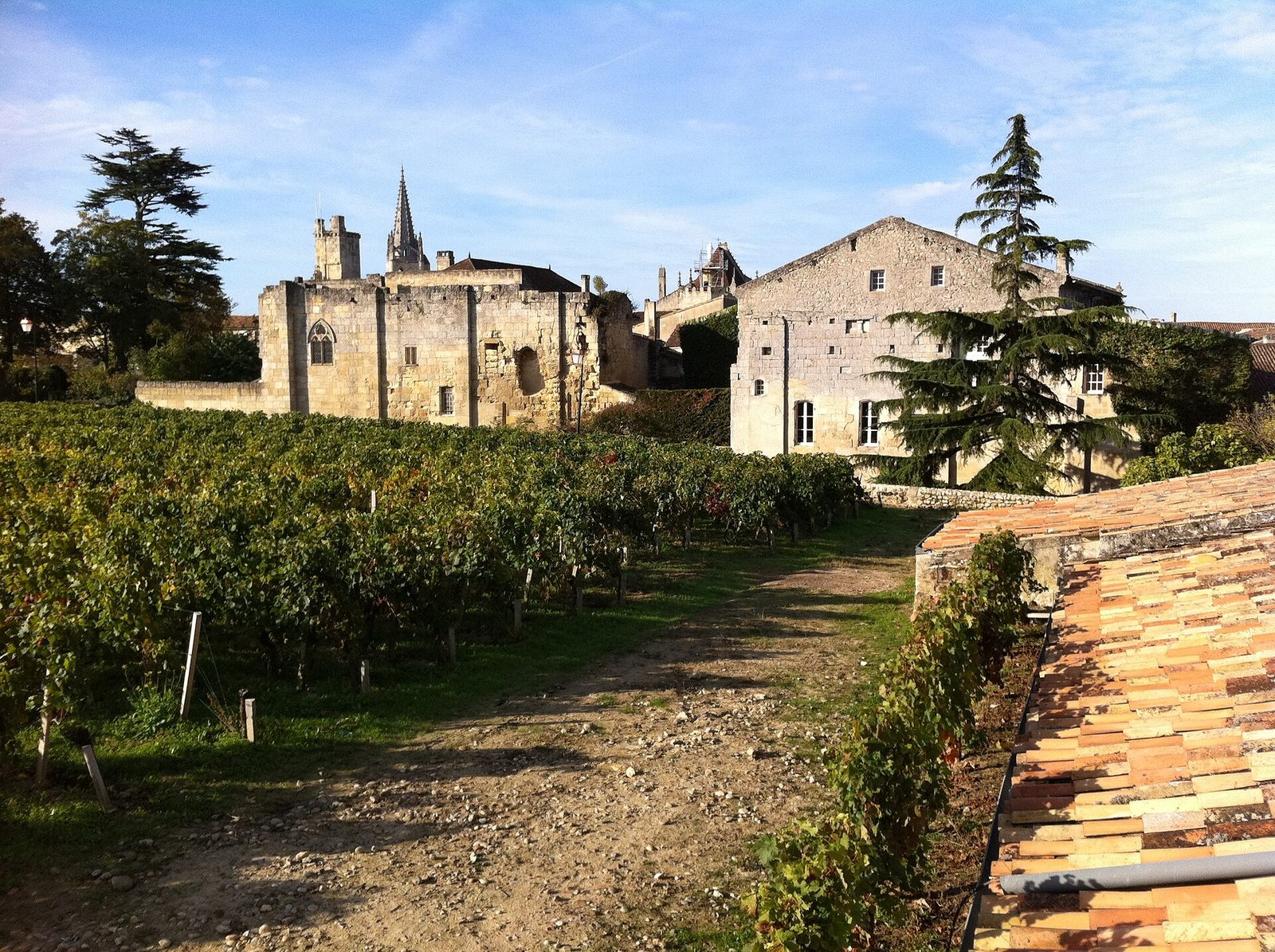
How can the same water give different results? Because soil does not use water equally. Sandy soil lets rain drain away quickly; clay holds on to it. Stony ground warms up faster in the sun. The Bordeaux team found that many of the differences they measured followed one thing: how short of water the vines were. A plant under mild water stress grows smaller fruit with more colour and flavour packed in. So 'one water' arrives, but each plot hands it to its roots in its own way.
Then there is the life underground. A review of the evidence in 2023 estimated that soil is home to about 59 per cent of all species on Earth, from bacteria and fungi to worms and moles. That makes it the most crowded habitat on the planet (Anthony and colleagues, PNAS, 2023). Fungi wrap around roots and trade minerals for sugar. Two neighbouring fields can carry very different underground communities, and plants feel the difference.
The date palm adds a twist that fits the verse's picture closely. A palm sends up offshoots from its base, which farmers cut away and replant. The UN Food and Agriculture Organization explains that these offshoots are copies of the mother tree, 'true to type'. Palms grown from seed are all different: half of them are males that bear no fruit, and no two seedlings are alike. So in one grove you can have palms from one root that are near-identical in their genes, and palms from seed that are not, all drinking the same water. Date palms are also tough: the FAO notes they can survive in soils with up to 3 per cent salt, more than any other fruit crop.
Science can list the causes: genes, soil, sun, water, microbes. What it does not say is why the world is built so that one water gives so many different fruits, or whether that variety means anything. That is the question the verse leaves with 'a people who use their reason'.
What each faith says
Judaism
“My well-beloved had a vineyard In a very fruitful hill; And he digged it, and cleared it of stones, And planted it with the choicest vine, And built a tower in the midst of it, And also hewed out a vat therein; And he looked that it should bring forth grapes, And it brought forth wild grapes.”
Isaiah 5:1-2 · JPS 1917
The Hebrew Bible has its own song of a vineyard. In chapter 5 of his book, the prophet Isaiah sings of a friend who chose a fruitful hill. The friend cleared the stones, planted the best vines and built a watchtower and a winepress. He did everything right, and the vineyard gave wild, sour grapes. A few verses later Isaiah explains the parable: the vineyard is the people, and the fruit God looked for was justice and righteousness (Isaiah 5:7). The same care, the same rain, and a different harvest: the question is what we grow from what we are given.
Jewish law pays close attention to neighbouring plots. The Torah forbids sowing a field with two kinds of seed mixed together (Leviticus 19:19). A whole tractate of the Mishnah, Kilayim, “mixtures”, works out how far apart different crops must be when fields sit side by side. Before eating fruit, Jews say a blessing to God 'who creates the fruit of the tree'. The festival of Tu BiShvat, the new year for trees, is now often kept with a meal of fruits from the Land of Israel. And the Torah tells every farmer to leave the corner of the field unharvested, peah, “the corner”, for the poor and the stranger (Leviticus 19:9-10). A whole tractate of the Mishnah is named after it.
Christianity
“Others fell on good soil, and yielded fruit: some one hundred times as much, some sixty, and some thirty.”
Matthew 13:8 · WEB
Jesus told one of his best-known parables about soil and harvest: one sower, one kind of seed, four kinds of ground. Some fell on the path and the birds took it. Some fell on rocky ground, where it sprang up and withered. Some fell among thorns, which choked it. And some fell on good soil, which gave a harvest of thirty, sixty or a hundred times what was sown. He explained that the seed is God's word and the soils are the hearts that hear it (Matthew 13:18-23).
In Mark's Gospel he adds a quieter parable: a farmer scatters seed, sleeps and rises, and the seed grows 'though he doesn't know how' (Mark 4:27). The earth does the work. Paul writes to the church in Corinth about variety from one source. There are many kinds of gifts, 'but the same Spirit', and many kinds of work, 'but the same God, who works all things in all' (1 Corinthians 12:4-6). In the weeks before Ascension Day, some Church of England parishes still “beat the bounds” at Rogationtide. They walk the parish boundary and pray for the fields and gardens on every side of it.
Islam
“Hast thou not seen that Allah causeth water to fall from the sky, and We produce therewith fruit of divers hues; and among the hills are streaks white and red, of divers hues, and (others) raven-black.”
Qur'an 35:27 · Pickthall (1930)
Muslim commentators read 13:4 first as a sign of God's will and wisdom. If soil and water alone decided everything, neighbouring plots watered alike would give the same fruit, yet they do not. The verse says 'We make some better than others', and it ends by calling on people to reason about it rather than simply to believe. The same chapter goes on to say that God 'For him are angels ranged before him and behind him, who guard him by Allah's command. Lo! Allah changeth not the condition of a folk until they (first) change that which is in their hearts; and if Allah willeth misfortune for a folk there is none that can repel it, nor have they a defender beside Him.' (13:11, Pickthall). Some early teachers, such as al-Ḥasan al-Baṣrī, the eighth-century preacher of Basra, read the plots as a picture of human hearts. One revelation falls on all of them like rain, and each heart bears its own fruit.
The word for 'neighbouring' also carries a lesson. Islam takes neighbours very seriously: the Prophet said that the angel Gabriel kept urging him to treat neighbours well until he thought neighbours would be made heirs (Bukhari 6014). Elsewhere the Qur'an delights in variety itself: the fruits of many colours, the white and red streaks in mountains, and people of many colours too (35:27-28). It says humanity was made into nations and tribes 'O mankind! Lo! We have created you male and female, and have made you nations and tribes that ye may know one another. Lo! the noblest of you, in the sight of Allah, is the best in conduct. Lo! Allah is Knower, Aware.' (49:13, Pickthall). Many fruits from one water is the order of creation, not a fault in it.
Same and different
All three traditions go to the farm to talk about people: Isaiah's vineyard, the sower's four soils and the Qur'an's neighbouring plots. They agree that the gift comes from God and that the harvest differs. They differ in where they put the weight. Isaiah and the Gospels mostly ask about our response: what fruit will we bear from what we are given? The Qur'an's verse starts with God's own act, 'We make some better than others'. It offers the variety itself as a sign to think about, while other verses make the same call to bear good fruit.
A moment to reflect
- Think of two people who grew up in the same house. Why do you think they turned out differently?
- Is variety in people a problem to be solved or something to be glad about?
- What is the 'one water' that you share with your neighbours?
- If the same words fall on different hearts, what makes the ground good?
Watch
A short BBC Ideas film on why soil is one of the most remarkable things on Earth.
Ecologist Jane Zelikova on the hidden life of soil.
The Royal Institution asks how alive soil really is.
One tree, one water, forty kinds of fruit: grafting explained by National Geographic.
Crash Course Geography on what soil is made of and why it varies.
Do it together
Swap a handful of the same vegetable or fruit with a neighbour, an allotment holder or a friend in another part of town. Tomatoes, apples or strawberries of the same variety work best. Taste them side by side and write down the differences. Then talk about what was the same.
Plant the same seeds (cress or radish) in three pots: sandy soil, garden soil and compost. Give each pot exactly the same amount of water every day for two weeks. Measure, photograph and taste. Discuss why the results differ.
Read Isaiah 5:1-7, Matthew 13:3-23 and Qur'an 13:1-4 aloud in one room, each read by someone from that tradition. Ask each group: what is the soil, what is the water and what is the fruit in your text?
The Torah tells farmers to leave the corner of the field, peah, for people in need. If you grow anything, from a window box to an allotment, set aside a 'corner' this season, a row or a basketful, for a food bank or a neighbour.
At Rogationtide in May, look for a parish “beating the bounds” walk near you and join in. Or walk the edge of your own street or estate together, stopping at each corner to wish well to every household on it.
Go deeper
- Qur'an 13:1-4 with translations · scripture
- Isaiah 5 (JPS 1917) on Sefaria · scripture
- Matthew 13 (WEB) on Bible Gateway · scripture
- FAO: Date palm cultivation, chapter V, propagation · article
- Anthony, Bender and van der Heijden, Enumerating soil biodiversity (PNAS, 2023) · paper
- van Leeuwen et al., Influence of climate, soil, and cultivar on terroir (2004) · paper
In pictures
Try this · KS2 · 2 weeks · Science
Two pots, one water
You need: two pots or yoghurt pots with holes, garden soil and sand, cress or bean seeds, one jug of water
- Fill one pot with soil and one with sand.
- Plant the same number of the same seeds in each.
- Water both from the same jug, the same amount, on the same days.
- After two weeks, compare height, colour and number of plants.
- Same rain, same seed: why are they different?
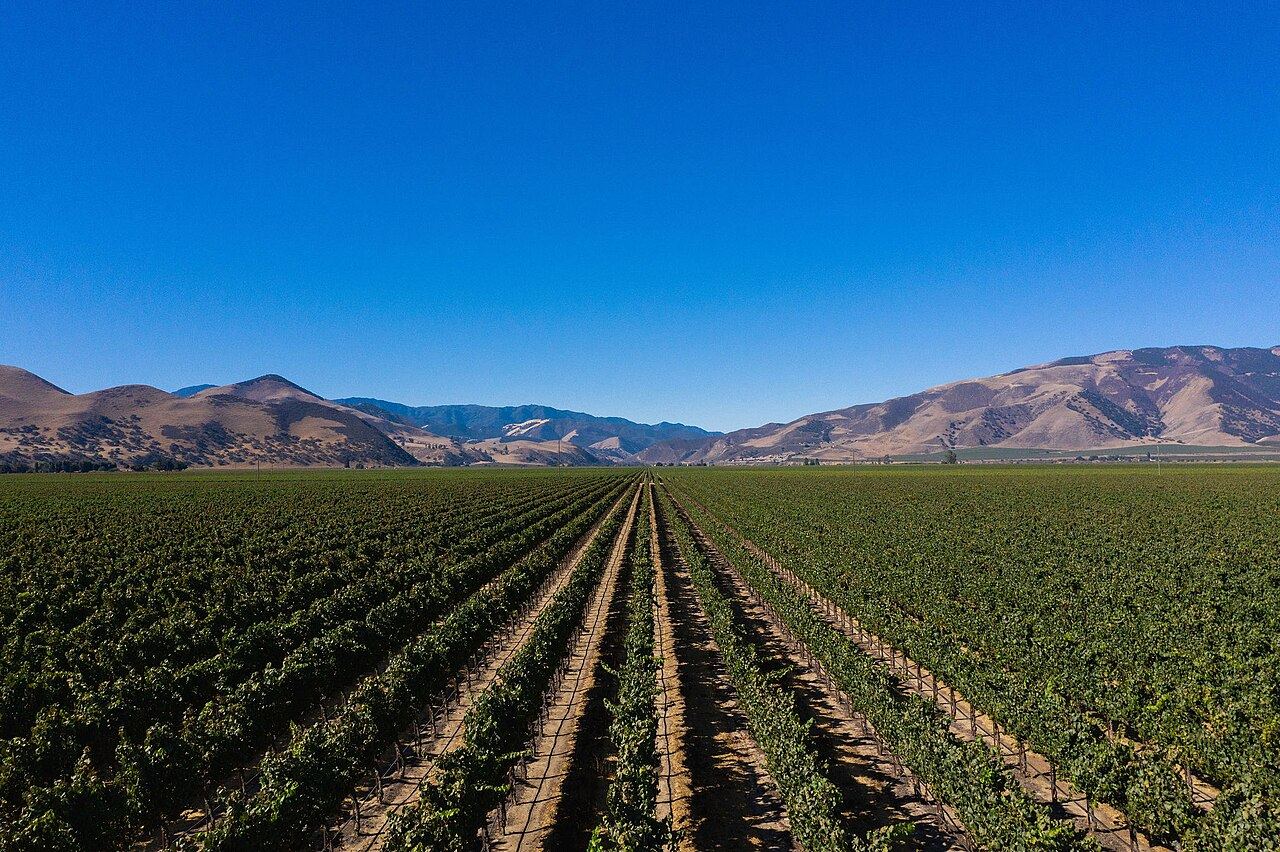
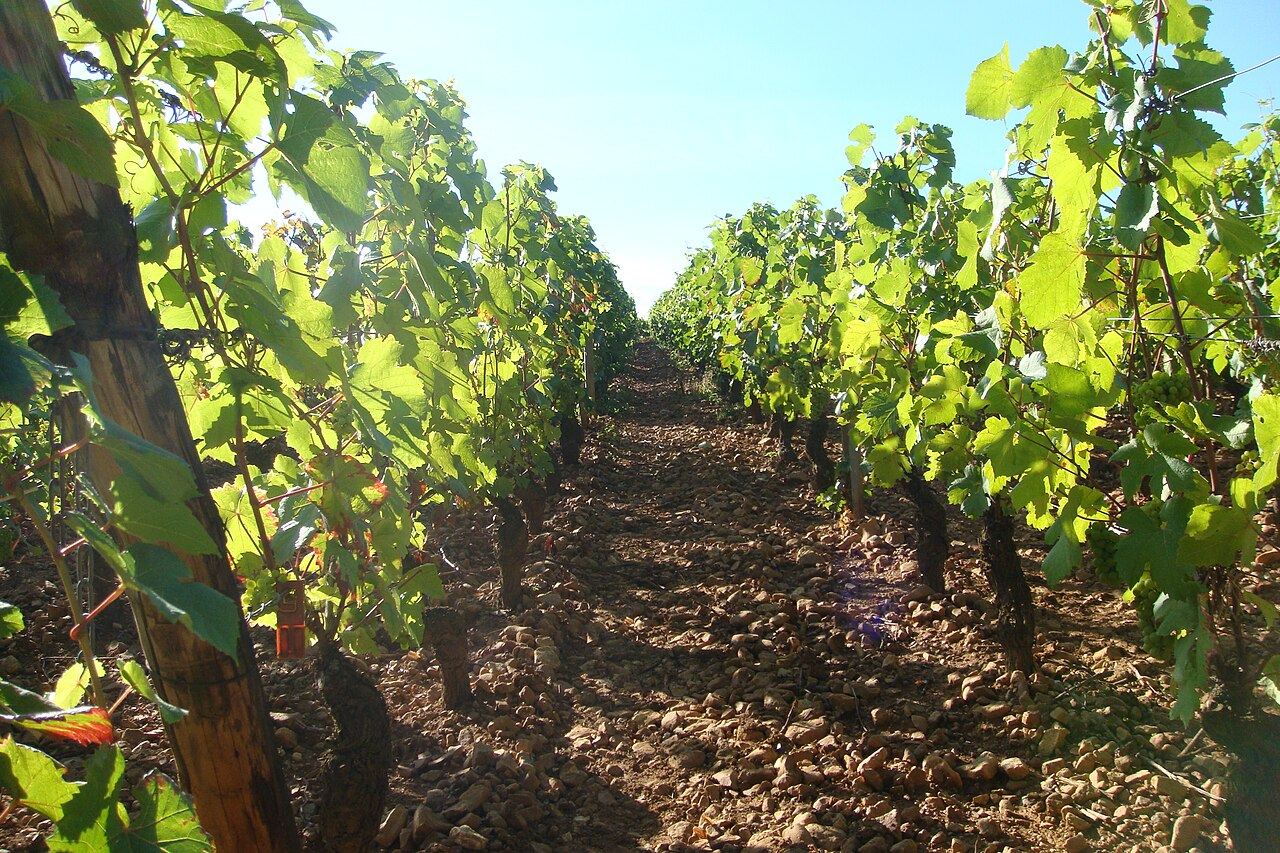
Two plots side by side, watered with one water, and still the fruit differs: a sign, the Qur'an says, for people who think.
Check yourself
Three quick questions. No score, nothing saved.
1. What does Qur'an 13:4 point to as a sign?
2. The Arabic word for 'neighbouring' shares a root with which everyday word?
3. What does the word ṣinwān describe?
Sources (5)
- In Bordeaux vineyards the effects of climate and soil on vines and fruit were greater than that of grape variety, largely through vine water status: van Leeuwen, Friant, Choné, Tregoat et al., American Journal of Enology and Viticulture 55(3), 2004
- Soil is likely home to about 59 per cent (±15) of species on Earth, the most biodiverse single habitat: Anthony, Bender and van der Heijden, PNAS, 2023
- Date palm offshoots are true to type; seedlings vary, half are male, no two alike: FAO, Date Palm Cultivation (Plant Production and Protection Paper 156), chapter V, 2002
- Date palm is the most salt-tolerant fruit crop and survives soils with about 3 per cent salt: FAO, Date Palm Cultivation, chapter VI (citing Arar 1975), 2002
- Terroir: soil chemistry, drainage and microclimate change taste even between adjacent fields watered alike: Our own word study, 2026