Someone in a Jordan Valley village stored a basket of figs eleven thousand years ago. They burned, and the charred fruit survived. When archaeologists studied them, they realised these figs came from trees that could only have been grown on purpose, by people taking cuttings and planting them. The fig may be the first plant humans ever farmed, a thousand years before wheat.
The olive followed not long after. Between them, these two trees fed, lit and healed the lands where Judaism, Christianity and Islam were born. The Qur'an opens a whole chapter by swearing an oath on them.
“By the fig and the olive, By Mount Sinai, And by this land made safe; Surely We created man of the best stature.”
Qur'an 95:1-4 · Pickthall (1930)
This is the start of the chapter at-Tīn, The Fig. The Qur'an often swears by created things to draw attention to them. Commentators read the fig and olive two ways: as the fruits themselves, or as the lands where they grow. Ibn Kathīr, a fourteenth-century commentator, records the view of some early scholars that the oath names three places where God sent great messengers. First, the land of the fig and olive around Jerusalem, associated with Jesus (peace be upon him). Then Mount Sinai, where God spoke to Moses (peace be upon him). Last, Makkah, the “secure city” of Muhammad ﷺ (peace be upon him).
What science shows
In 2006, Mordechai Kislev, Anat Hartmann and Ofer Bar-Yosef reported in Science on nine carbonised figs found at Gilgal I. It was an early farming village near Jericho, and the figs date to around 11,400 years ago. They were from a type of fig that cannot produce seeds on its own, so the trees must have been grown from planted branches. The authors suggest the fig could have been the first domesticated plant, about a thousand years before cereals.
Olives come into the record a little later. In 2022, Dafna Langgut and Yosef Garfinkel analysed charcoal from Tel Tsaf, also in the Jordan Valley, dated to about 7,000 years ago. Olive wood was common there, even though wild olives did not grow in that area, which makes it one of the earliest clear examples of fruit-tree cultivation in the world. Fig branches, probably prunings, were there too.
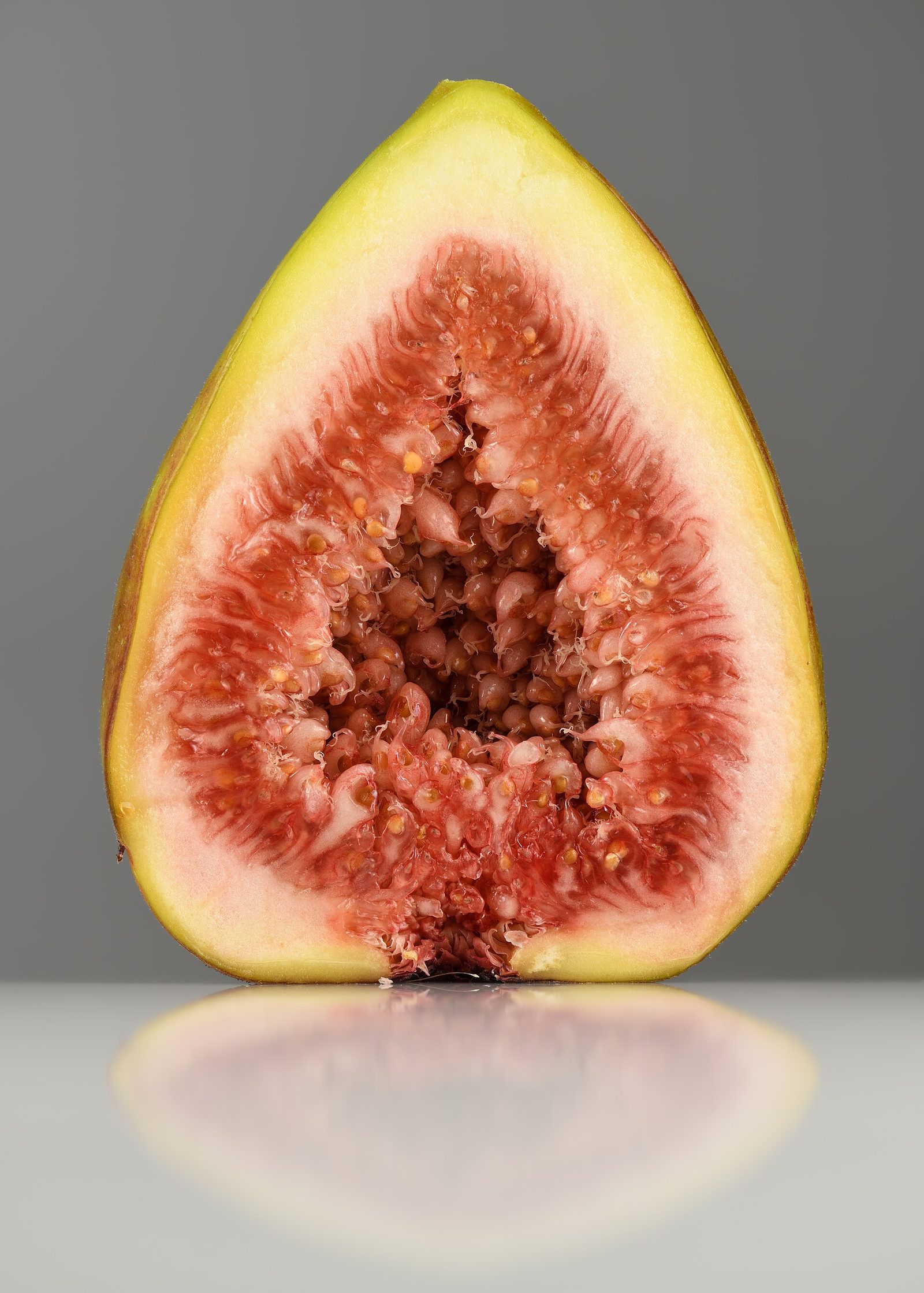
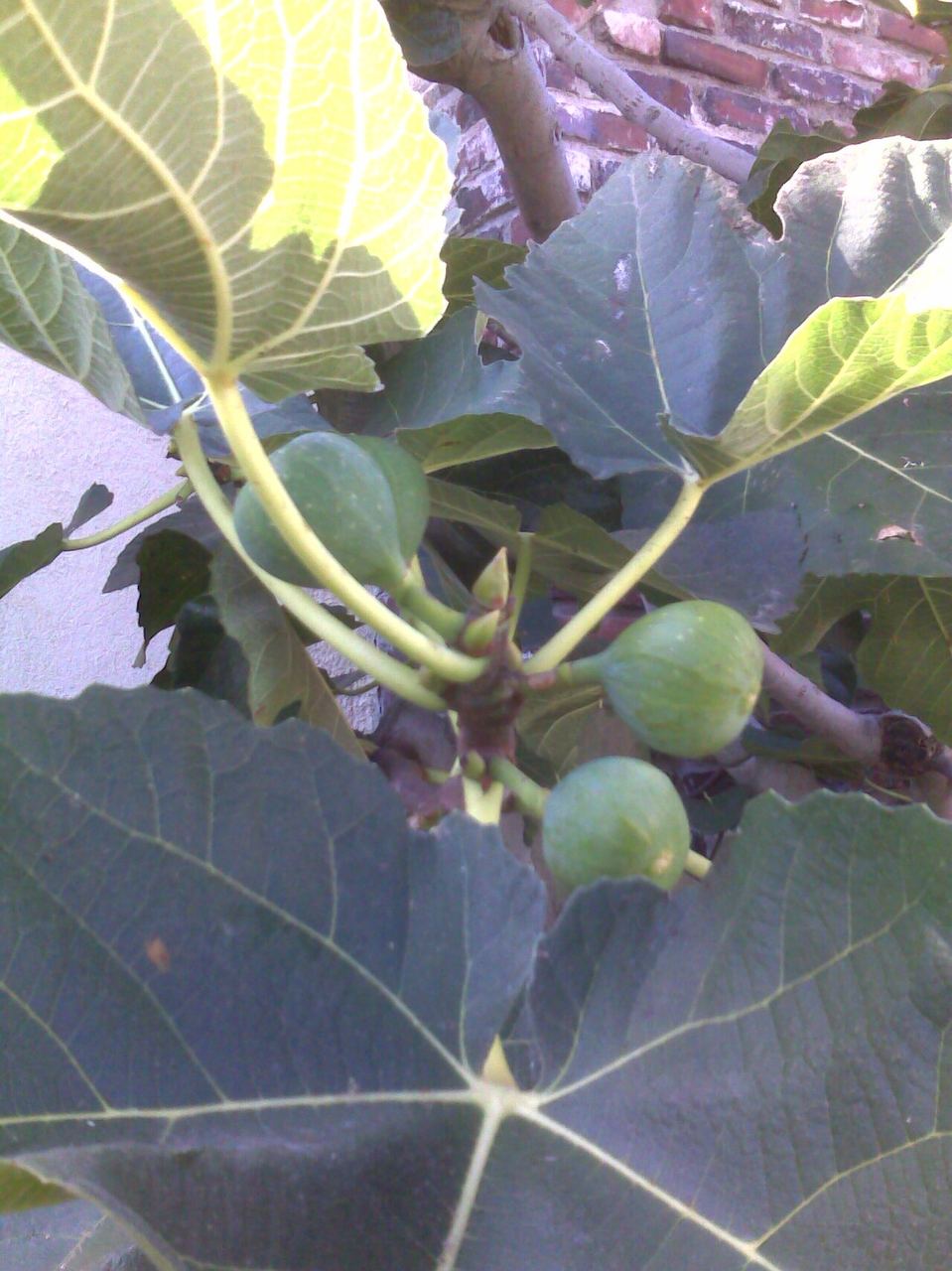
The wild fig has one of nature's most remarkable partnerships. A fig is not really a fruit but an enclosed cluster of tiny flowers turned inside out. Each species of fig depends on its own species of tiny wasp, which crawls in through a minute opening, pollinates the flowers and lays its eggs. A 2012 study by Astrid Cruaud and colleagues analysed more than 750 fig and wasp partners that have evolved together over tens of millions of years. Most figs sold in shops come from varieties that do not need the wasp at all.
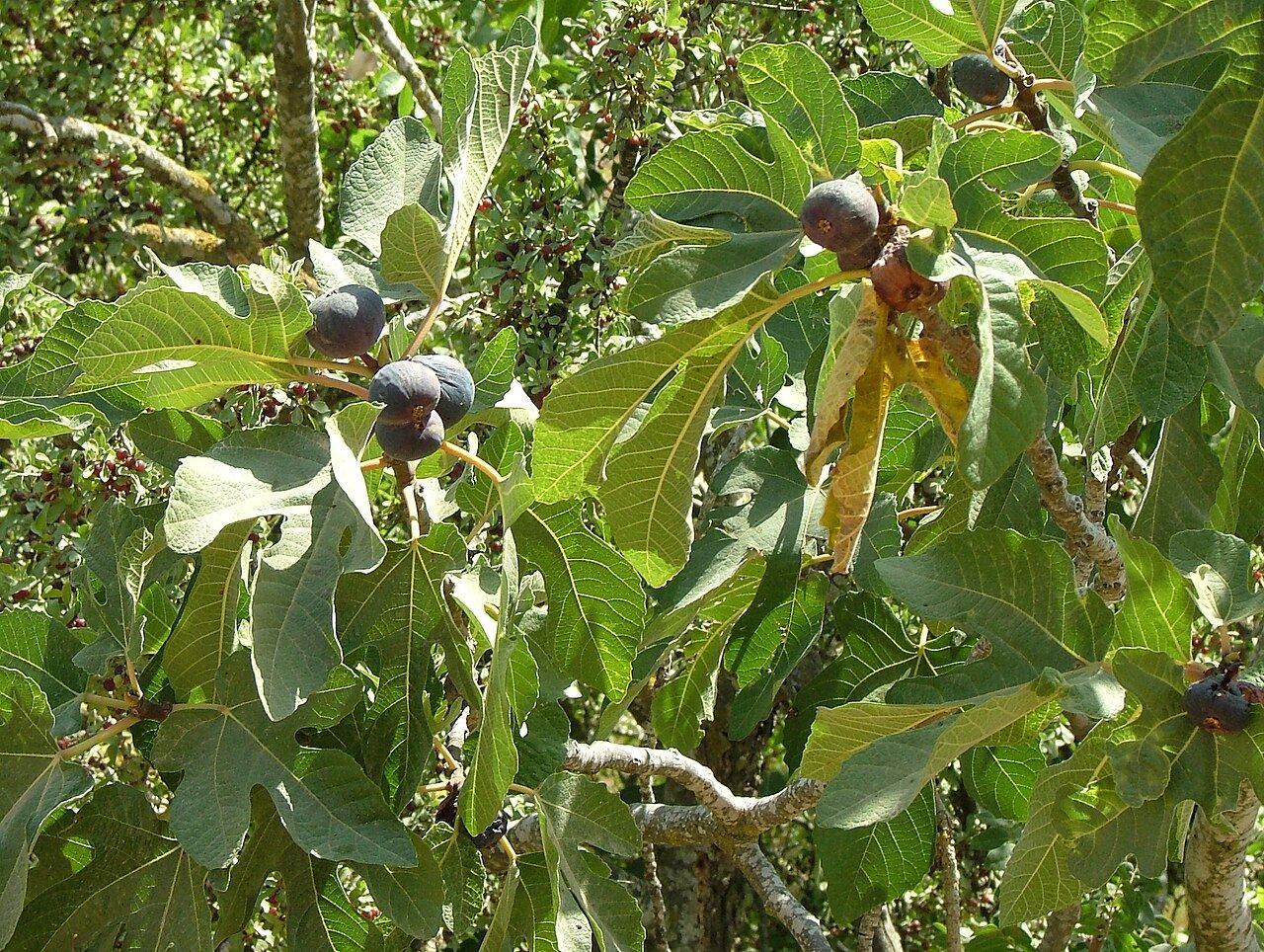
Figs matter to whole ecosystems. A 2001 review found that 1,274 species of birds and mammals are known to eat figs, which is why ecologists call fig trees keystone species in tropical forests.
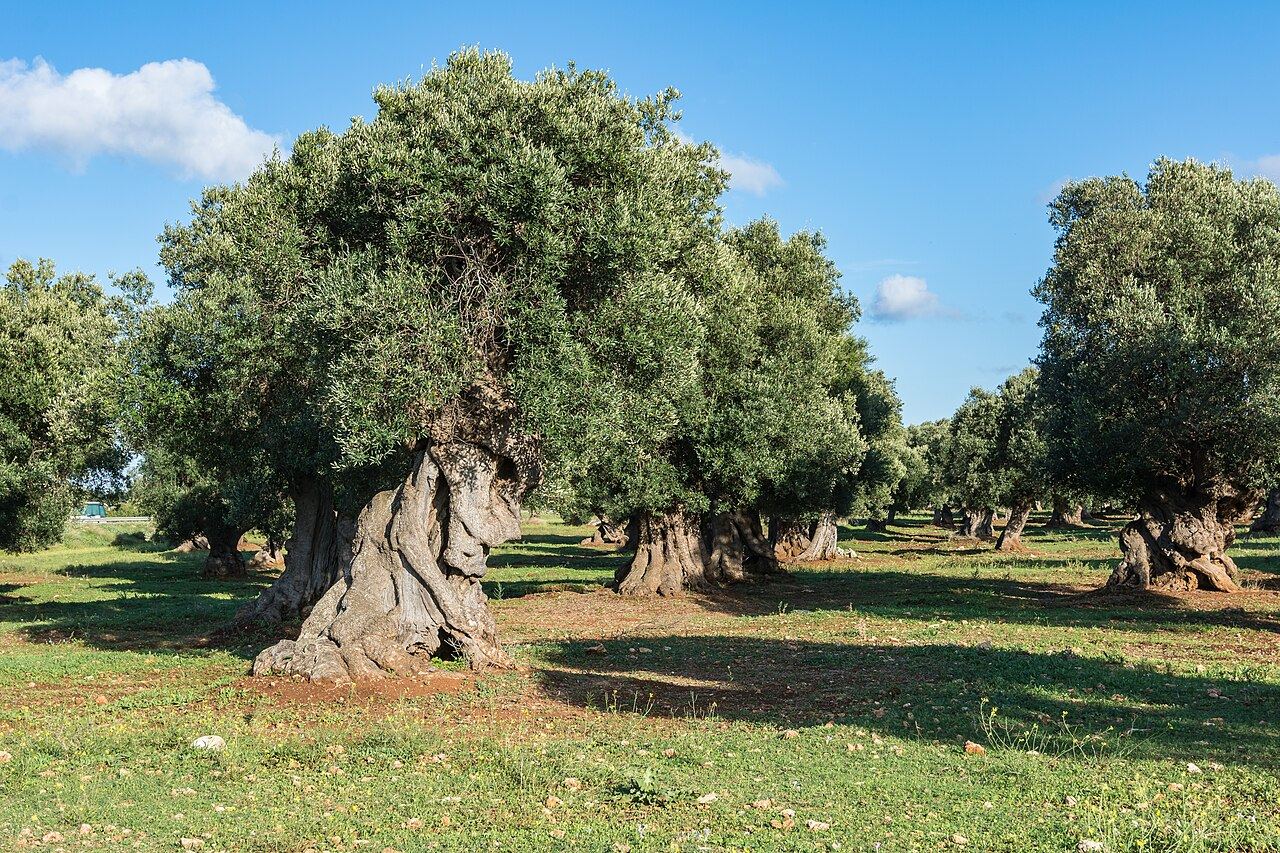
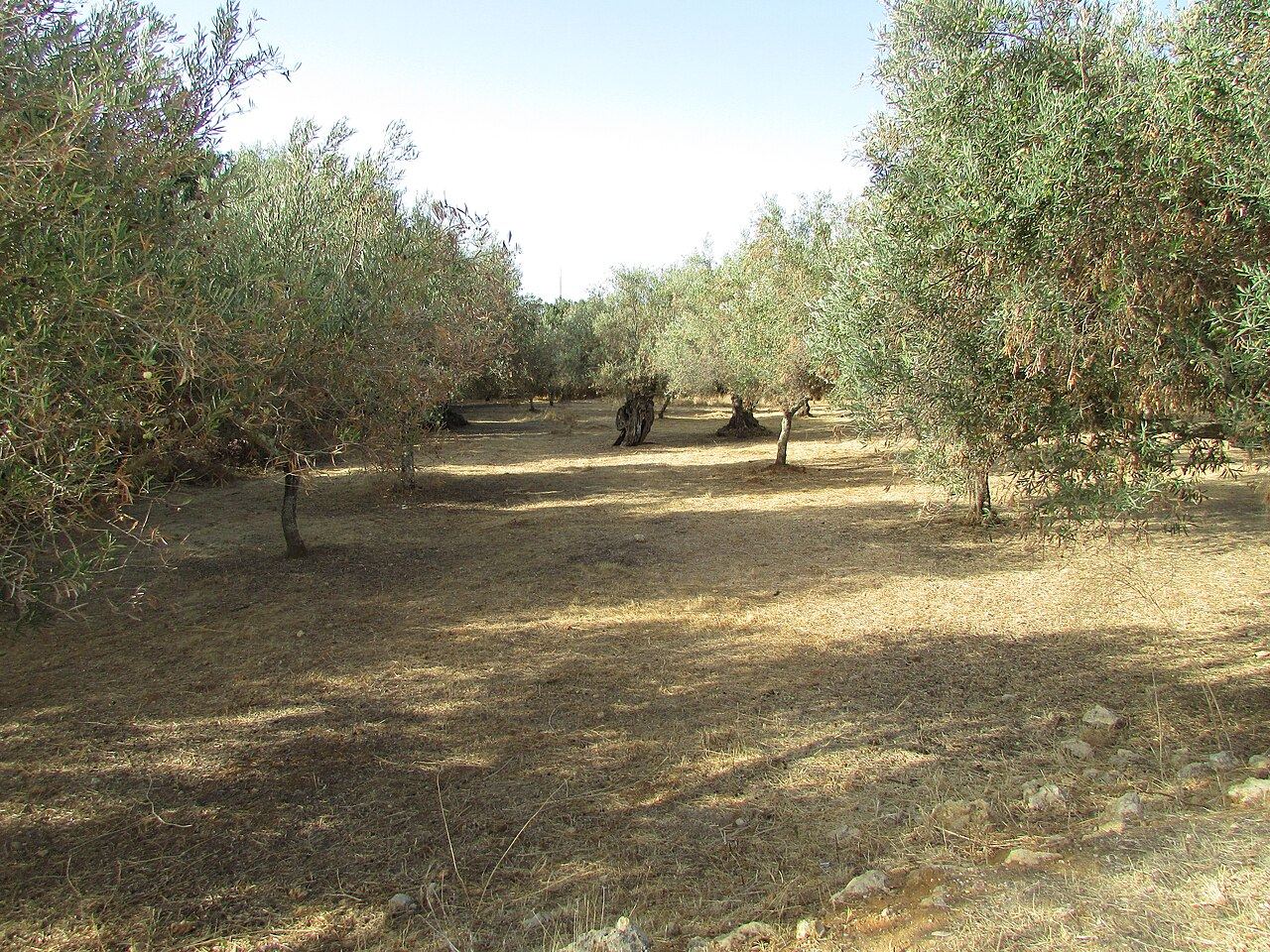
Olive trees are survivors. They tolerate drought and poor soil, and if cut down or burned they can regrow from their roots. Some olive trees around the Mediterranean are thought to be well over a thousand years old and still fruiting.
What each faith says
Judaism
“But they shall sit every man under his vine and under his fig-tree; And none shall make them afraid.”
Micah 4:4 · JPS 1917
The Torah lists the fig and the olive among the seven species of the land of Israel: wheat, barley, vines, figs, pomegranates, olives and date honey (Deuteronomy 8:8). After the Flood, the dove returns to Noah with a fresh olive leaf, the first sign that the earth was alive again. And the prophets' great picture of peace is a family under its own vine and fig tree, with nobody to make them afraid (Micah 4:4).
In the Book of Judges, Jotham tells a parable: the trees want a king, and ask the olive and the fig first. Both refuse: why would they give up their oil and their sweetness, which bless God and people, just to rule over others? Only the thorn bush agrees to be king. It is an early warning about power, told by trees. Jews still celebrate the trees each midwinter at Tu BiShvat, the New Year for Trees. Many eat figs, olives and the other species at a festive meal, a Tu BiShvat seder. The custom began with the mystics of Safed in the sixteenth and seventeenth centuries.
Christianity
“Don't boast over the branches. But if you boast, remember that it is not you who support the root, but the root supports you.”
Romans 11:18 · WEB
Jesus taught with both trees. He told a parable of a fig tree that gave no fruit for three years. The owner wanted it cut down, but the gardener asked for one more year to dig around it and feed it (Luke 13:6-9). Christians read it as a story of patience and second chances. On the night before his death, Jesus prayed in Gethsemane, an olive grove on the Mount of Olives whose name means “oil press”.
Paul uses the olive tree to describe Christians who are not Jewish as wild branches grafted onto a cultivated olive whose root is God's covenant with Israel. “It is not you who support the root,” he writes, “but the root supports you.” Many Christians today read this as a call to honour the Jewish roots of their faith. The olive is part of church life too. In Holy Week, Catholic, Orthodox and Anglican bishops bless olive oil for the year ahead, including chrism, a fragrant oil for anointing at baptism, confirmation and ordination.
Islam
“By the fig and the olive, By Mount Sinai, And by this land made safe.”
Qur'an 95:1-3 · Pickthall (1930)
The olive appears several times in the Qur'an as a blessed tree, most famously in the Verse of Light. There its oil “(This lamp is) kindled from a blessed tree, an olive neither of the East nor of the West, whose oil would almost glow forth (of itself) though no fire touched it.” (24:35, Pickthall). The Prophet Muhammad said: eat olive oil and anoint yourselves with it, for it comes from a blessed tree (reported in Tirmidhi 1851). In many Muslim homes, olive oil is both food and a small daily reminder of that blessing.
The chapter at-Tīn moves from trees to people. God made the human being “in the finest form”, and then warns that we can fall low unless we believe and do good (95:5-6). The fig and olive, which give so much and ask so little, are a picture of what a good life might look like. They point to ar-Razzāq, the Provider.
Same and different
Judaism, Christianity and Islam all treasure the fig and olive as gifts of the same land, and all three use them as pictures of peace, blessing and a fruitful life. Some Muslim commentators even read Qur'an 95 as naming the places of Jesus, Moses and Muhammad together. They differ in how they draw the trees into their story. For Jews, it is the seven species and the hope of Micah. For Christians, it is Gethsemane and the grafted olive. For Muslims, the oath of at-Tīn and the blessed tree of the Verse of Light.
A moment to reflect
- What would it mean to sit “under your own fig tree” with nobody to make you afraid?
- Jotham's trees refused power because they had better things to give. What do you have to give?
- The gardener asked for one more year for the fig tree. Who has given you a second chance?
- Paul says the root supports the branches. What are the roots that hold you up?
Watch
TED-Ed explains the fig and its wasp, clearly and gently.
The Natural History Museum's one-minute answer to the fig-wasp question.
NOVA on how fig wasps and figs depend on each other.
David Attenborough on the strangler fig, a tree that grows on other trees.
Do it together
Share a meal using the seven species of Deuteronomy 8:8: bread, barley, grapes, figs, pomegranate, olives and dates. Read Micah 4:4, Romans 11:18 and Qur'an 95:1-4 between courses.
Taste two or three olive oils from different countries with bread. Talk about who in your family grew up with olive trees and what they remember.
Figs grow well in pots in sheltered British gardens. Plant one outside a school or place of worship, and label it with the verses from all three scriptures.
In January or February, hold a simple Tu BiShvat meal as many Jewish families do. Eat fruit with a hard shell, fruit with a stone, and fruit you can eat whole, like the fig. Say what each one makes you grateful for.
In Holy Week, many cathedrals hold a Chrism Mass where the bishop blesses the olive oil used in local churches all year, and visitors are usually welcome. Go along, or ask a priest or vicar to show you the oils and explain how they are used.
Go deeper
- Qur'an 95 with translations · scripture
- Kislev, Hartmann & Bar-Yosef 2006, Early domesticated fig · paper
- Langgut & Garfinkel 2022, 7000-year-old fruit tree cultivation · paper
- Judges 9 (JPS 1917) on Sefaria · scripture
- Romans 11 (WEB) on Bible Gateway · scripture
In pictures
Try this · KS1 · 15 min · Science
Look inside a fig
You need: a fresh or dried fig, a knife (adult) and a plate, a magnifying glass
- Ask an adult to cut the fig in half.
- Look at the inside with the magnifying glass. What do you see?
- Try to count the tiny seeds in one half. Then guess the whole fig.
- Draw what you see. If you have an olive, cut and compare.
Safety: An adult does the cutting. Check for food allergies.
Two of the oldest trees people ever planted, and so much hidden inside one small fruit.
Sources (5)
- Carbonised figs at Gilgal I, 11,400-11,200 years old; possibly the first domesticated plant: Kislev, Hartmann & Bar-Yosef, Science, 2006
- Olive (and probably fig) cultivation at Tel Tsaf about 7,000 years ago: Langgut & Garfinkel, Scientific Reports, 2022
- More than 750 interacting fig and fig-wasp species pairs, co-diversified: Cruaud et al., Systematic Biology, 2012
- 1,274 bird and mammal species eat figs: Shanahan et al., Biological Reviews, 2001
- Fig wasps pollinate inside the fig; most commercial figs need no wasp: Live Science, Do figs really have dead wasps in them?