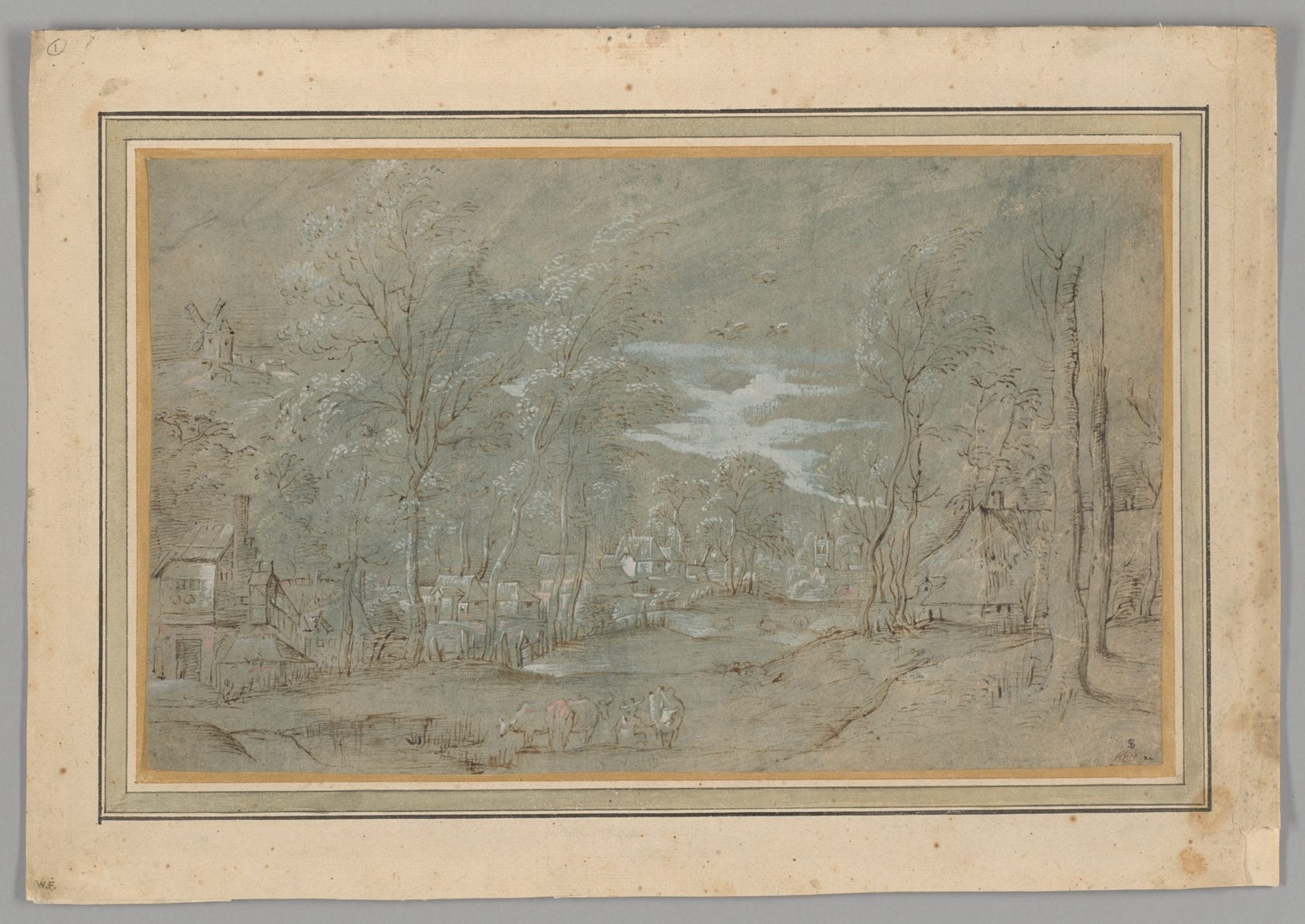
A hub · Instinct, reason, wonder, the world's peoples
How people recognise a Creator
Long before anyone heard a sermon, people looked at the sky and asked who made it. This is where we gather the ways human beings have come to recognise a Creator, and the questions honest people still ask.
This site is about Allah: the One God whom Muslims, Arab Christians and Arabic-speaking Jews have all called by that name. Most of it asks who God is. This part asks a different question: how do people come to recognise a Creator at all?
There are many roads. Some say the knowledge is already inside us, an instinct the Qur'an calls fiṭra, the Psalms call a thirst and Paul calls a law written on the heart. Some reason their way there, as Plato, Ibn Sina, Maimonides and Aquinas tried to. Some are stopped short by wonder at the world. And across the globe, from Punjab to the Kenyan highlands, peoples outside the Abrahamic family have spoken of one Maker in their own words.
We set these roads side by side with the research that has tried to understand them: psychologists studying what children find natural, anthropologists comparing hundreds of societies, philosophers weighing the arguments and the objections. The research describes; it does not decide. Our rule throughout is wonder, not proof. Nothing here is meant to win an argument.
There is a fourth chair at this table. More than a third of people in England and Wales say they have no religion. Many of them feel the same wonder at the sky, reason as carefully, and do not recognise a Creator at all. On each page below, people without religion speak in their own words too, alongside the faiths.
Each faith speaks in its own words. Where Jews, Christians and Muslims agree, we say so; where they differ, we say that too. Where other traditions appear, we let their followers' words lead, and we never claim anyone's faith is secretly someone else's. Start anywhere.
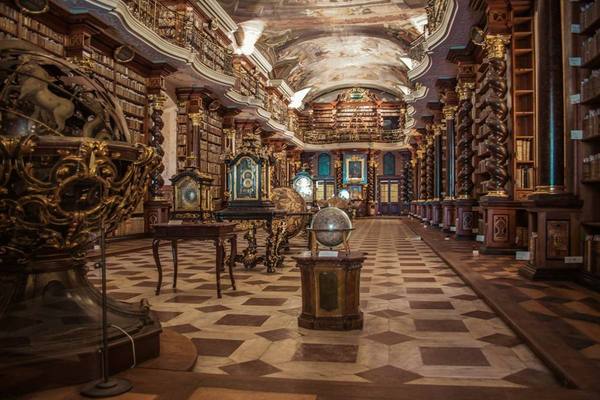
Within us
Is recognising a Creator something we are born ready for?
By reason
What happens when people try to think their way to the source of everything?
Across the world
One Maker, named in many languages and many stories.

In the Abrahamic family
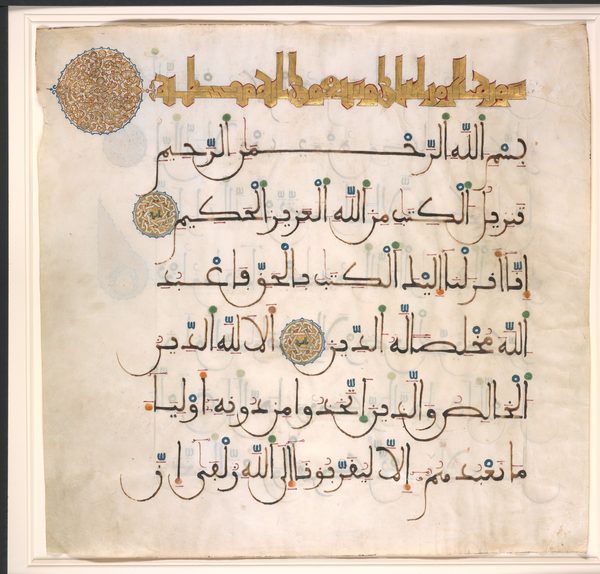
How Jews, Christians and Muslims each describe the One they recognise.
Through wonder
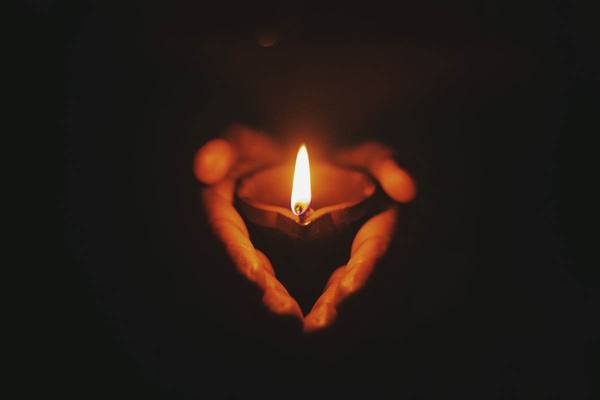
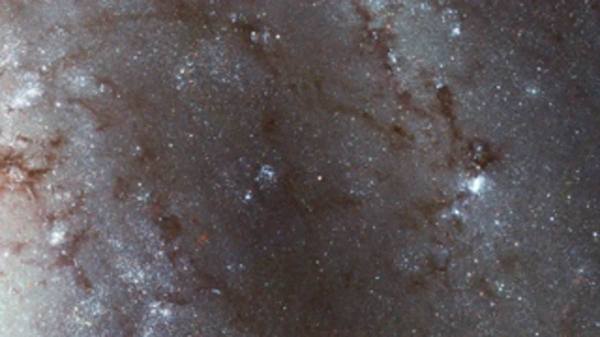
For many people the road begins not with an argument but with looking.
A moment to reflect
- Which road on this page feels closest to your own experience, or are you on a road of your own?
- Can instinct, reason and wonder work together, or do they pull in different directions?
- What would it take for you to recognise, or to rule out, a Creator?
Watch
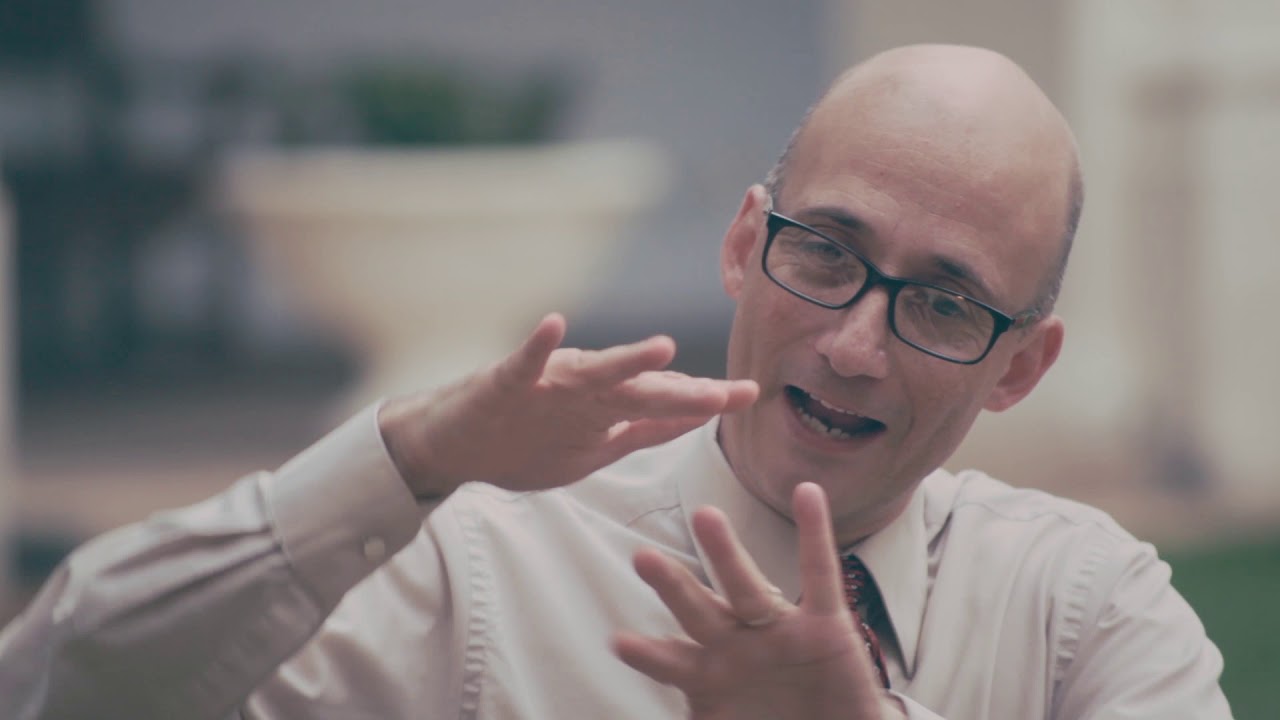 EXPLORATIONS - Do Children Naturally Believe in God? - Justin Barrett · Ian Ramsey CentrePlays on “Does belief come naturally?” →
Do children naturally believe in God? A short answer from an Oxford researcher.
 Aquinas & the Cosmological Arguments: Crash Course Philosophy #10 · CrashCoursePlays on “Did the universe have a beginning, and does it need a cause?” →
The classic arguments from causes, explained in ten minutes.
Watch more: How people recognise a Creator
6 films and talks, chosen for this page. They play here.
Why Do People Believe?
Let's Talk Religion · 13 min
Let's Talk Religion: why do people believe?
Connecting to Fitrah – Abdal Hakim Murad
Cambridge Muslim College · 18 min
Natural Theology: What Is It? (Full Lecture) | N.T. Wright Online
N.T. Wright Online · 20 min
The Science of Children's Belief in God and the Supernatural - Dr Emily Reed Burdett
The Faraday Institute · 67 min
The Faraday Institute: the science of children's belief in God.
The Known Universe by AMNH #datavisualization
American Museum of Natural History · 6 min
American Museum of Natural History: The Known Universe, the sky people looked up at.
Why Do Humans Believe in Religion? | Colin Blakemore
Closer To Truth · 9 min
- More films and talks on F-ILMWatch free