HebrewאָדָםAdam“human”, linked with adamah, “ground”
GreekἈδάμAdamGreek
ArabicآدمĀdamtitle Abū al-Bashar, “father of humankind”
One-minute snapshot
In a minute
Before historyRead time 1 min TorahGospelQur'an
Jews, Christians and Muslims all begin the human story with Adam (peace be upon him), the first man, made by God from the earth and given life by God's breath. With his wife, called Eve in the Bible and Hawwa in Islamic tradition, he lives in a garden and is told not to eat from one tree. They eat, and they leave the garden. The traditions agree on dignity, choice and a God who seeks people out. They draw different lessons from what happens next.
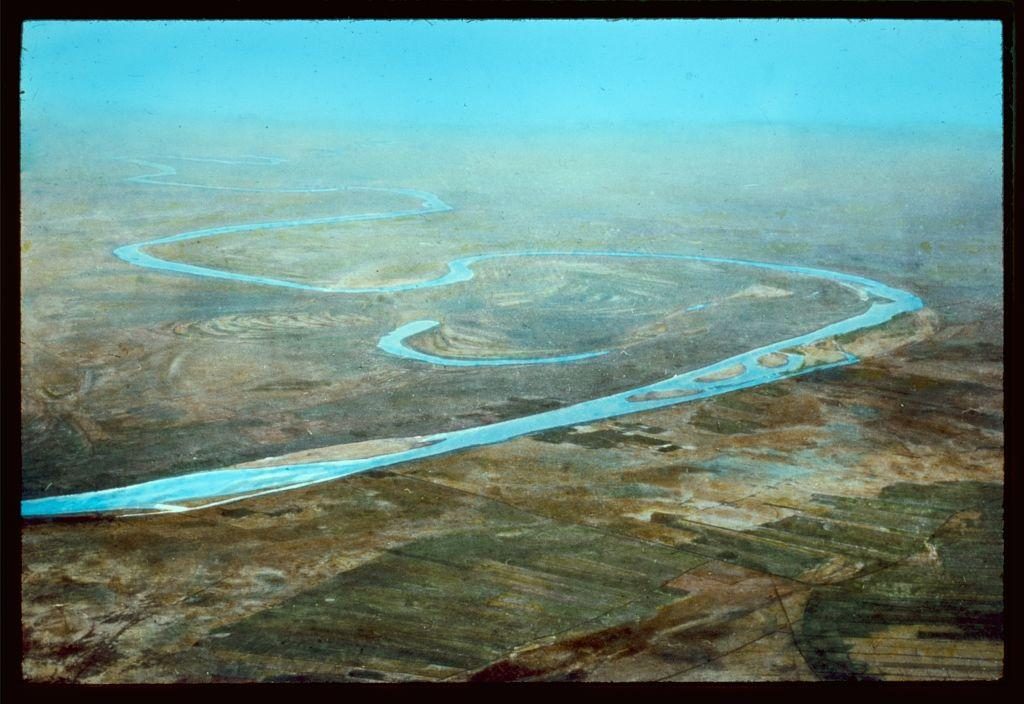
The Euphrates from the air, 1930s: the river of the Eden story. American Colony (Jerusalem) Photo Dept. / Matson Photo Service, Library of Congress (public domain)
Watch
Three traditions, three films
Each told by its own community, in its own words, side by side. More on F-ILM.
A Jewish telling
Covenant & Conversation | Bereishit | Rabbi SacksThe Rabbi Sacks Legacy · 10 minRabbi Sacks on Bereishit: what the first human story says about responsibility; ideal length, no depiction.
A Christian telling
Book of Genesis Summary: A Complete Animated Overview (Part 1)BibleProject · 8 min Shows prophets (a film-maker's portrayal)BibleProject Genesis part 1: creation and the garden as Christians read it; stylised figures.
A Muslim telling
The Beginning and the End with Omar Suleiman: Making of Adam (Ep38)Nouman Ali Khan - Official - Bayyinah · 11 minOmar Suleiman, The Beginning and the End ep 38: the making of Adam in the Qur'an and hadith.
Side by side
Three tellings
Quotations: Torah and Hebrew Bible, JPS 1917 · New Testament, World English Bible (British Edition) · Qur'an, Pickthall (1930). Translations and sources
THebrew Bible · Torah
In Jewish tradition's own words.
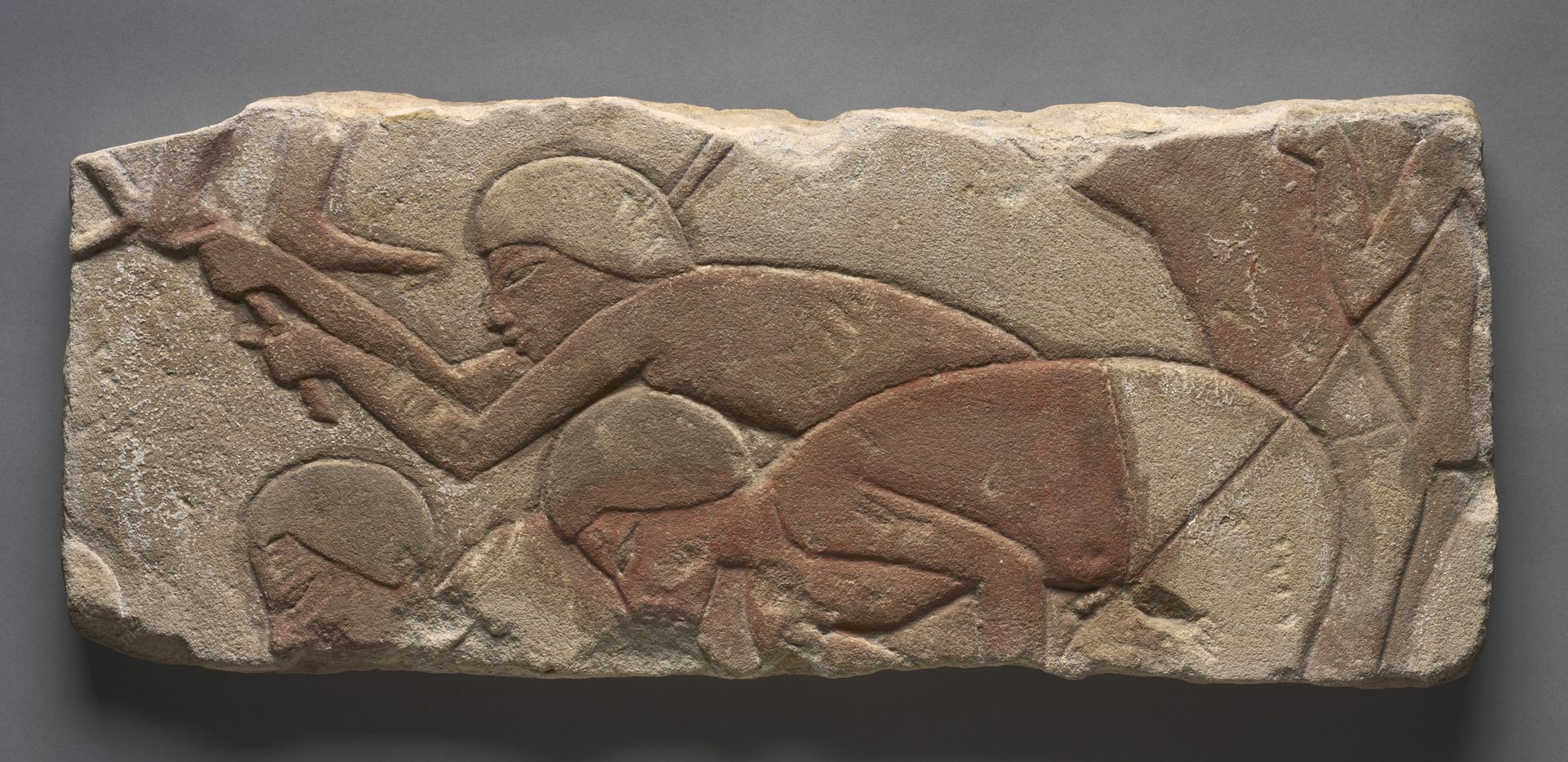
Men hoeing the earth: talatat block from Karnak, c. 1353 BCE. “To till the ground from whence he was taken” (Genesis 3:23). Egypt, Karnak, New Kingdom (1540–1069 BCE), Dynasty 18, reign of Akhenaten (1351–1334 BCE), Cleveland Museum of Art (CC0)
God forms the human from the dust and breathes into him the breath of life.
Adam names the animals; woman is formed from his side.
The serpent tempts; they eat, hide, and are sent out of Eden to work the ground.
Their sons are Cain, Abel and Seth.
“And God created man in His own image, in the image of God created He him; male and female created He them.”Genesis 1:27 · JPS 1917
The Mishnah teaches that humankind began as one person so that no one could say “my father is greater than yours”, and that whoever saves one life saves a whole world (Mishnah Sanhedrin 4:5).
Judaism has no doctrine of inherited guilt. It speaks of two inclinations, to good and to evil (yetzer ha-tov, yetzer ha-ra).
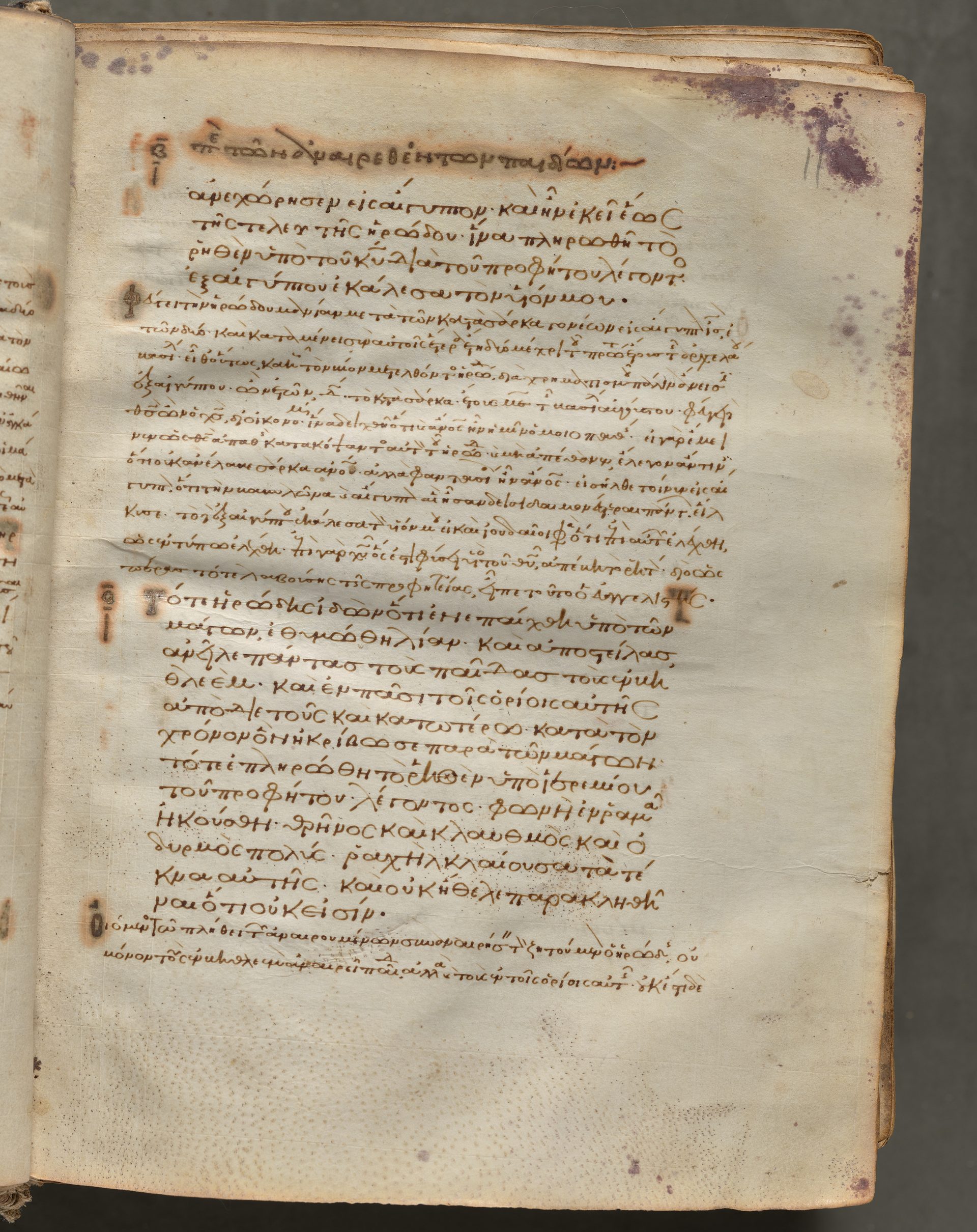
A Gospel book with commentaries, Constantinople, about 1000–1100. Byzantium, Constantinople, Cleveland Museum of Art (CC0)
Paul presents Adam as a figure of Christ: through one man came sin and death; through Christ comes life.
Luke's genealogy traces Jesus back to “Adam, the son of God”.
“For as in Adam all die, so also in Christ all will be made alive.”1 Corinthians 15:22 · WEB (British Edition)
Augustine's teaching on original sin shaped Western Christianity. Eastern Orthodox Christians speak of inherited mortality rather than inherited guilt.
Orthodox churches remember Adam and Eve on the Sunday of the Forefathers, before Christmas.
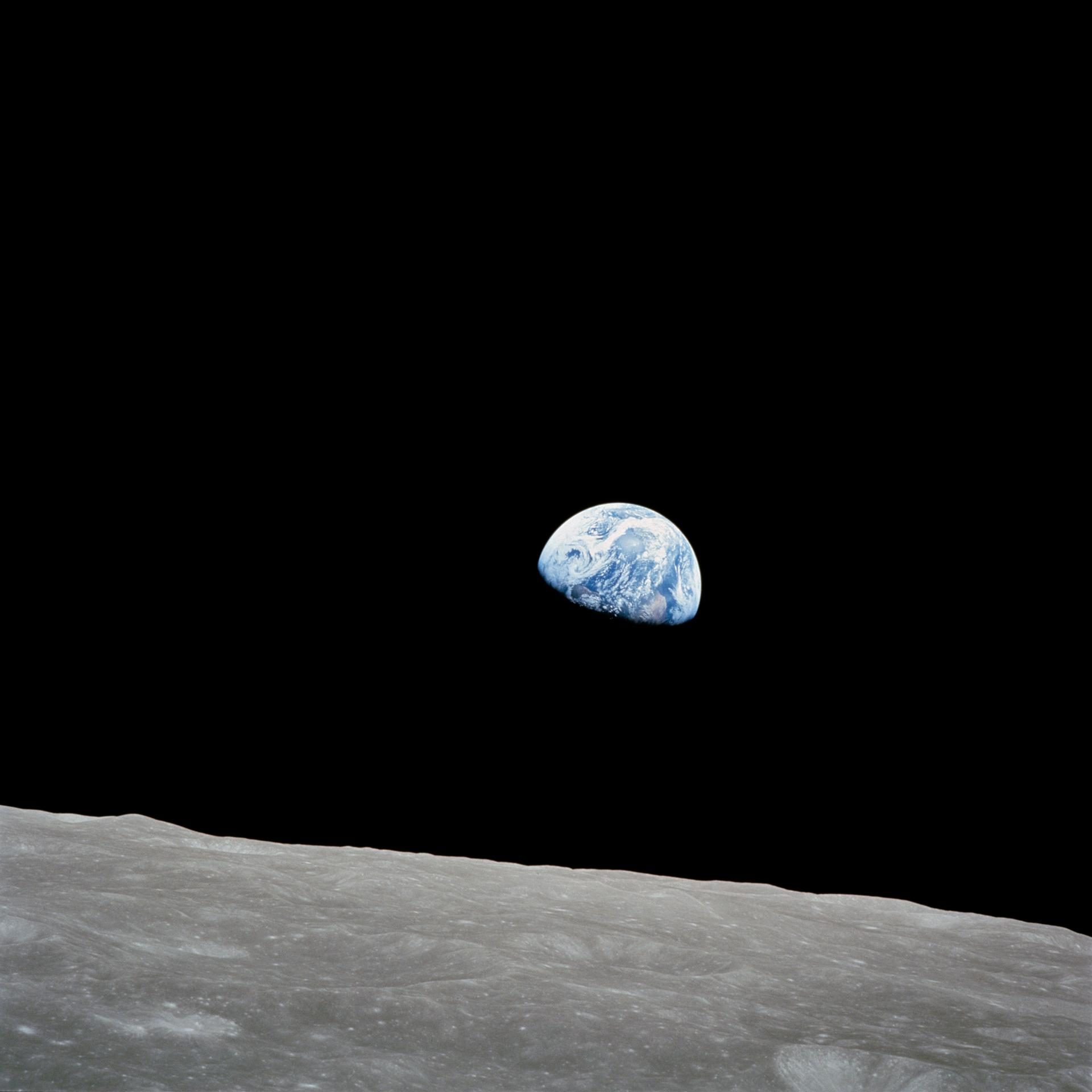
Earthrise from Apollo 8, 1968: “Lo! I am about to place a viceroy in the earth” (Qur'an 2:30). NASA / JSC (public domain)
God tells the angels He will place a khalīfa, a viceroy or steward, on earth.
He teaches Adam (peace be upon him) “the names” of all things; the angels bow, except Iblis, who refuses out of pride.
Adam (peace be upon him) and his wife eat from the tree together, both repent, and are forgiven.
They are sent down to earth, where Adam (peace be upon him) is the first prophet.
“And when thy Lord said unto the angels: Lo! I am about to place a viceroy in the earth, they said: Wilt thou place therein one who will do harm therein and will shed blood, while we, we hymn Thy praise and sanctify Thee? He said: Surely I know that which ye know not.”Qur'an 2:30 · Pickthall (1930)
Because both repent and both are forgiven (7:23), Islam holds there is no inherited sin: each soul answers for itself (6:164).
Eve's name, Hawwa, comes from hadith and tradition, not the Qur'an. The hadith “God created Adam (peace be upon him) in his image” (Bukhari 6227) is read in different ways.
And God said: ‘Let us make man in our image, after our likeness; and let them have dominion over the fish of the sea, and over the fowl of the air, and over the cattle, and over all the earth, and over every creeping thing that creepeth upon the earth.’
And God blessed them; and God said unto them: ‘Be fruitful, and multiply, and replenish the earth, and subdue it; and have dominion over the fish of the sea, and over the fowl of the air, and over every living thing that creepeth upon the earth.’
And out of the ground made the LORD God to grow every tree that is pleasant to the sight, and good for food; the tree of life also in the midst of the garden, and the tree of the knowledge of good and evil.
Now the serpent was more subtle than any beast of the field which the LORD God had made. And he said unto the woman: ‘Yea, hath God said: Ye shall not eat of any tree of the garden?’
And when the woman saw that the tree was good for food, and that it was a delight to the eyes, and that the tree was to be desired to make one wise, she took of the fruit thereof, and did eat; and she gave also unto her husband with her, and he did eat.
And they heard the voice of the LORD God walking in the garden toward the cool of the day; and the man and his wife hid themselves from the presence of the LORD God amongst the trees of the garden.
And all the days that Adam lived were nine hundred and thirty years; and he died.
Read the passages The Christian telling · 4
Romans 5:12–21 · New Testament · WEB British Edition
12
Therefore, as sin entered into the world through one man, and death through sin, so death passed to all men because all sinned.
13
For until the law, sin was in the world; but sin is not charged when there is no law.
14
Nevertheless death reigned from Adam until Moses, even over those whose sins weren’t like Adam’s disobedience, who is a foreshadowing of him who was to come.
15
But the free gift isn’t like the trespass. For if by the trespass of the one the many died, much more did the grace of God and the gift by the grace of the one man, Jesus Christ, abound to the many.
16
The gift is not as through one who sinned; for the judgement came by one to condemnation, but the free gift followed many trespasses to justification.
17
For if by the trespass of the one, death reigned through the one; so much more will those who receive the abundance of grace and of the gift of righteousness reign in life through the one, Jesus Christ.
18
So then as through one trespass, all men were condemned; even so through one act of righteousness, all men were justified to life.
19
For as through the one man’s disobedience many were made sinners, even so through the obedience of the one, many will be made righteous.
20
The law came in that the trespass might abound; but where sin abounded, grace abounded more exceedingly,
21
that as sin reigned in death, even so grace might reign through righteousness to eternal life through Jesus Christ our Lord.
1 Corinthians 15:21–22 · New Testament · WEB British Edition
21
For since death came by man, the resurrection of the dead also came by man.
22
For as in Adam all die, so also in Christ all will be made alive.
Luke 3:38 · New Testament · WEB British Edition
38
the son of Enos, the son of Seth, the son of Adam, the son of God.
1 Timothy 2:13–14 · New Testament · WEB British Edition
13
For Adam was formed first, then Eve.
14
Adam wasn’t deceived, but the woman, being deceived, has fallen into disobedience;
Say: Shall I seek another than Allah for Lord, when He is Lord of all things? Each soul earneth only on its own account, nor doth any laden bear another's load. Then unto your Lord is your return and He will tell you that wherein ye differed.
And when thy Lord said unto the angels: Lo! I am about to place a viceroy in the earth, they said: Wilt thou place therein one who will do harm therein and will shed blood, while we, we hymn Thy praise and sanctify Thee? He said: Surely I know that which ye know not.
He said: O Adam! Inform them of their names, and when he had informed them of their names, He said: Did I not tell you that I know the secret of the heavens and the earth? And I know that which ye disclose and which ye hide.
And when We said unto the angels: Prostrate yourselves before Adam, they fell prostrate, all save Iblis. He demurred through pride, and so became a disbeliever.
And We said: O Adam! Dwell thou and thy wife in the Garden, and eat ye freely (of the fruits) thereof where ye will; but come not nigh this tree lest ye become wrong-doers.
But Satan caused them to deflect therefrom and expelled them from the (happy) state in which they were; and We said: Fall down, one of you a foe unto the other! There shall be for you on earth a habitation and provision for a time.
We said: Go down, all of you, from hence; but verily there cometh unto you from Me a guidance; and whoso followeth My guidance, there shall no fear come upon them neither shall they grieve.
And We created you, then fashioned you, then told the angels: Fall ye prostrate before Adam! And they fell prostrate, all save Iblis, who was not of those who make prostration.
He said: What hindered thee that thou didst not fall prostrate when I bade thee? (Iblis) said: I am better than him. Thou createdst me of fire while him Thou didst create of mud.
Then I shall come upon them from before them and from behind them and from their right hands and from their left hands, and Thou wilt not find most of them beholden (unto Thee).
Then Satan whispered to them that he might manifest unto them that which was hidden from them of their shame, and he said: Your Lord forbade you from this tree only lest ye should become angels or become of the immortals.
The passage continues; open it in the player or your own Bible or Qur'an.
Then they twain ate thereof, so that their shame became apparent unto them, and they began to hide by heaping on themselves some of the leaves of the Garden. And Adam disobeyed his Lord, so went astray.
He said: Go down hence, both of you, one of you a foe unto the other. But when there come unto you from Me a guidance, then whoso followeth My guidance, he will not go astray nor come to grief.
He said: O Iblis! What hindereth thee from falling prostrate before that which I have created with both My hands? Art thou too proud or art thou of the high exalted?
Lo! the likeness of Jesus with Allah is as the likeness of Adam. He created him of dust, then He said unto him: Be! and he is.
Common ground
Where they agree
God made the first human from earth and gave him life and dignity.
There is one human family.
A garden, a command, a fall into disobedience, and life outside the garden.
God remains merciful.
Said plainly, ranked never
Where they differ
Original sin: Western Christians speak of inherited sin, redeemed by Christ; Judaism and Islam teach no inherited guilt.
Eve's part: Genesis and 1 Timothy put Eve first in the eating; the Qur'an speaks to both together, and at times names Adam (peace be upon him) alone (20:121).
Iblis refusing to bow is central in the Qur'an. It is not in Genesis, though it appears in later Jewish and Christian writings such as the Life of Adam and Eve.
Adam (peace be upon him) is a prophet in Islam, but not in the Jewish or Christian lists.
Era and place
The world of Adam
Where
Eden is placed “eastward”, by four rivers, two of them the Tigris and the Euphrates (Genesis 2:10–14). Islamic traditions place Adam (peace be upon him)'s descent variously: Sri Lanka's Adam's Peak, or Arafat near Makkah, where he and Hawwa meet again.
When
Before history.
What archaeology can and cannot say
Archaeology cannot test this story. Science dates anatomically modern humans to about 300,000 years ago (Jebel Irhoud, Morocco). That is a different kind of question, not a contest between faith and science.
Gallery
The world of Adam
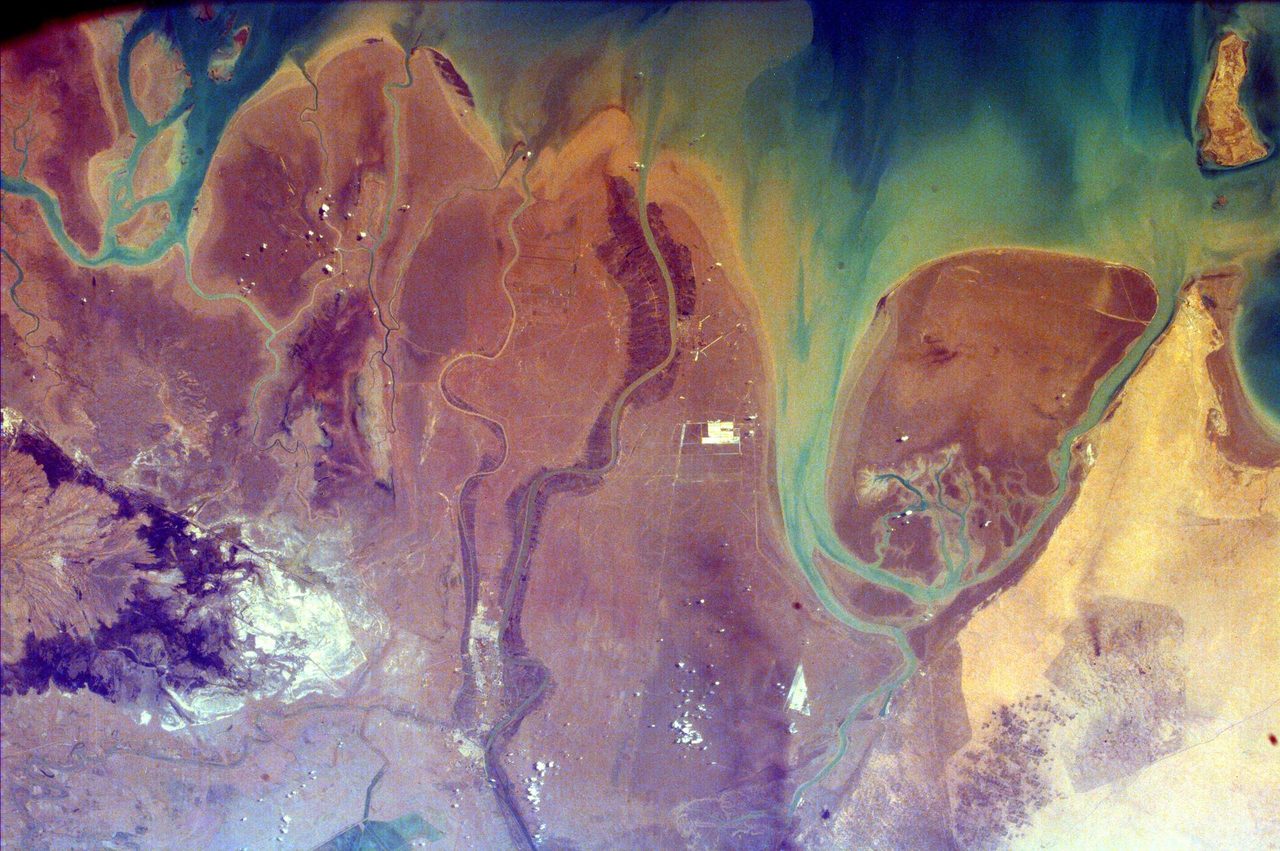
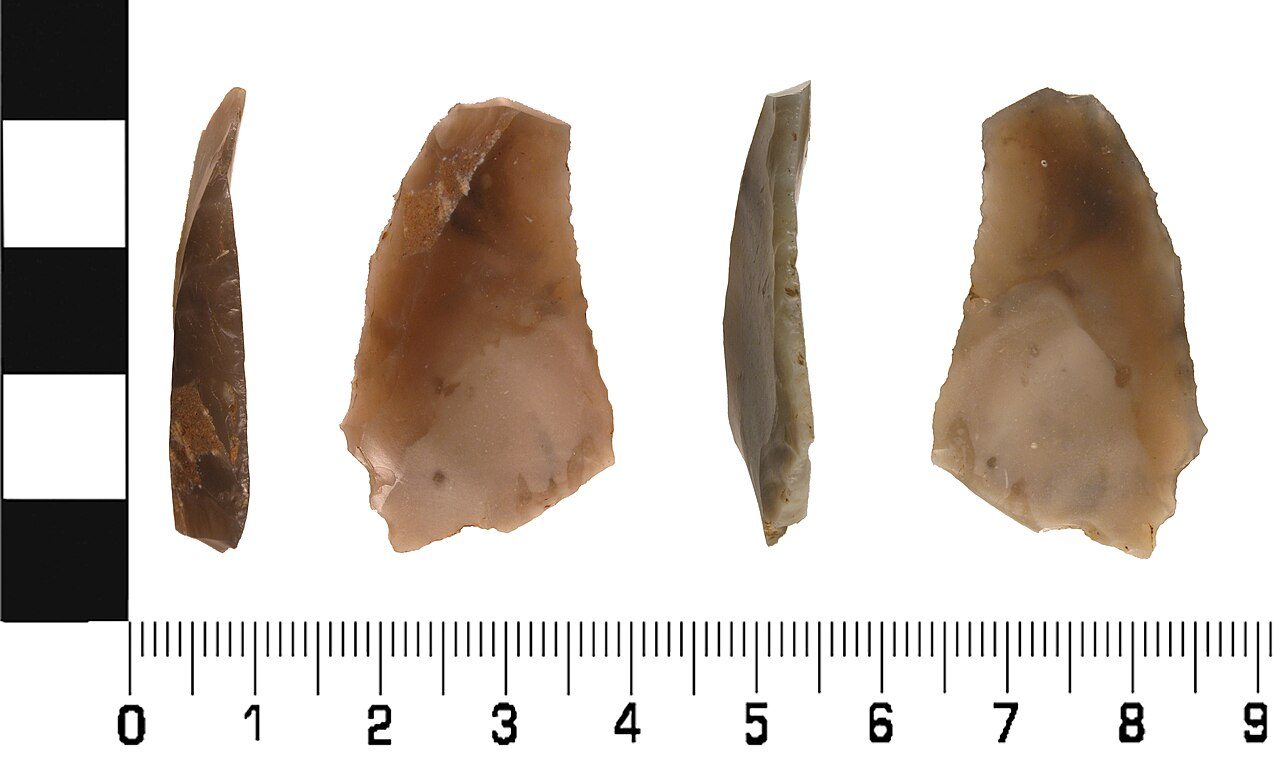
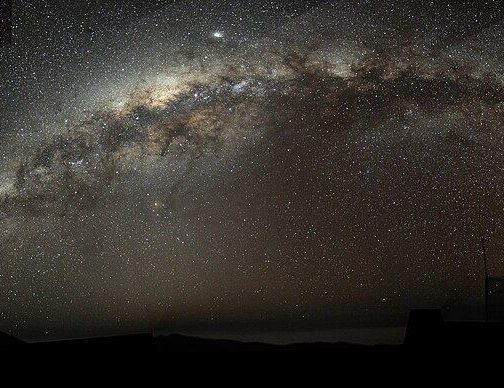
The two rivers meeting: the Tigris and Euphrates reach the Gulf, seen from orbitThe animals named: creatures gathered at a waterholeA Herd of Impala (Aepyceros melampus) at a waterhole, Etosha National Park, twiga_swala, CC BY-SA 2.0Outside the garden: a flint sickle from the first farmersA starry sky over the plainMilky Way Arch, Bruno Gilli/ESO, CC BY 4.0
Go deeper
Go deeper
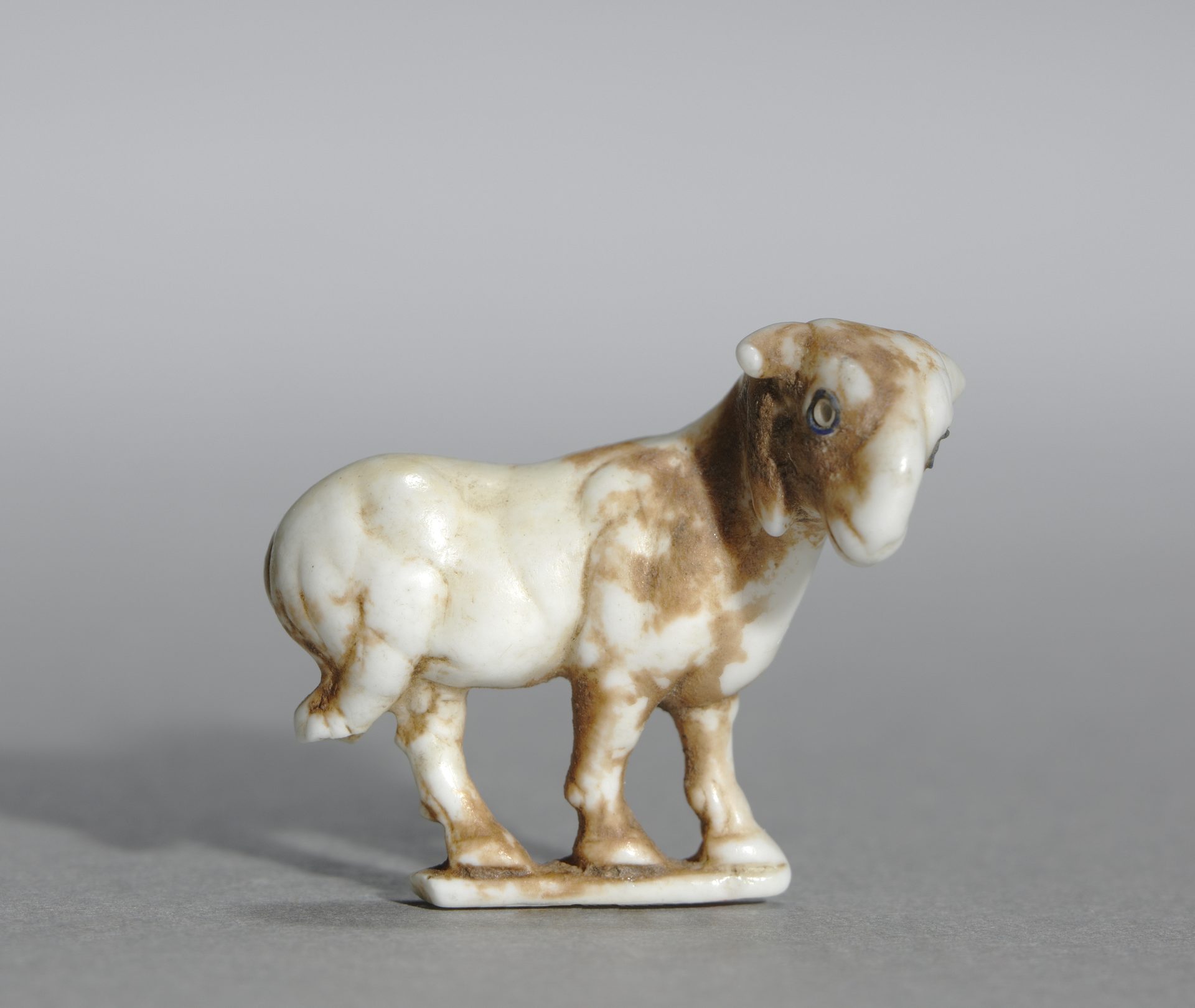
Striding goat, Sumerian, c. 3200–3000 BCE: from the first farming and herding peoples of Mesopotamia. Sumerian, Iraq, Cleveland Museum of Art (CC0)The stories
Adam and Eve: the story told in full, with the three tellings side by side.
Midrash and Jewish tradition
Genesis Rabbah 8 imagines the angels debating whether humans should be created at all. The rabbis read the single first human as a lesson in equality and in the worth of every life (Mishnah Sanhedrin 4:5).
Christian tradition
Paul's contrast of Adam and Christ (Romans 5) is the root of the Western teaching on original sin, developed by Augustine. Eastern churches read the same passages with an emphasis on mortality and healing.
Tafsir and hadith
Ibn Kathir, on 2:30–34, explains khalīfa as people who succeed one another on the earth and are entrusted with it. The Qur'an's account of the names taught to Adam (peace be upon him) is read as the gift of language and knowledge.
And when thy Lord said unto the angels: Lo! I am about to place a viceroy in the earth, they said: Wilt thou place therein one who will do harm therein and will shed blood, while we, we hymn Thy praise and sanctify Thee? He said: Surely I know that which ye know not.
He said: O Adam! Inform them of their names, and when he had informed them of their names, He said: Did I not tell you that I know the secret of the heavens and the earth? And I know that which ye disclose and which ye hide.
And when We said unto the angels: Prostrate yourselves before Adam, they fell prostrate, all save Iblis. He demurred through pride, and so became a disbeliever.
Encyclopaedia of the Qur'an (Brill), “Adam and Eve”
Reference works: Encyclopaedia Judaica (2nd ed.); The Oxford Dictionary of the Christian Church; Encyclopaedia of Islam (3rd ed.); Ibn Kathir, Qisas al-Anbiya.