Human footprints more than 800,000 years old turned up on the beach at Happisburgh in Norfolk in May 2013. They are the oldest known outside Africa. Within two weeks the tide had washed them away.
The sea erases without caring. Al-ʿAfuww, the Pardoner, erases with love: not only forgiving a wrong, but wiping away even the mark where it was.
Start with what we know
Start with something we know. Then take away everything it needs. What is left is not a bigger version of us: it is the Name.
Episode 1
In us
Some people forgive in ways that astonish everyone. The Forgiveness Project, a UK charity founded by the journalist Marina Cantacuzino. It collects true stories of people who have forgiven those who killed their children, attacked them or wrecked their lives. Their stories show that forgiveness is possible and can heal. They also show its cost. Many say they still remember, still grieve, and still carry scars. Human forgiveness lets go of revenge. It rarely forgets, and it cannot undo what happened.
Episode 2
In nature
The Happisburgh footprints were found at low tide in soft estuary mud, uncovered by stormy seas. The team from the British Museum and the Natural History Museum worked in the rain between tides to photograph them in 3D. Within two weeks the tide had eroded the surface and the prints were gone for ever. Every beach does this daily: a wave and a wind can wipe a line of footprints in an hour. Nature erases completely. But it erases without knowing or caring what it removes, good or bad.
Episode 3
At our best
Britain's Rehabilitation of Offenders Act 1974 allows many convictions to become 'spent' after a set time, so that people do not carry a lifelong blot. They need not disclose it when applying for most jobs. It is one of the law's ways of giving a fresh start. But the record is not destroyed. Some convictions never become spent, and for certain jobs even spent ones must still be declared. Our best systems of pardon hide the record. They do not wipe it away.
Episode 4
The Break
Our forgiving leaves a scar, a memory, a file that still exists; the tide's forgetting is only indifference. Forgiveness, at our best, lets go of the stain. Al-ʿAfuww goes further. The word ʿafw in Arabic means to efface, like wind smoothing the sand, until there is no trace. Scholars say that al-Ghafūr covers a sin; al-ʿAfuww erases it. “And He it is Who accepteth repentance from His bondmen, and pardoneth the evil deeds, and knoweth what ye do.” (Qur'an 42:25, Pickthall).
From the tradition: Laylat al-Qadr prayer: 'O Allah, You are Pardoning, You love pardon, so pardon me'. Micah 7:18 'Who is a God like You, forgiving iniquity'.
Abū Bakr, the closest friend of the Prophet Muhammad ﷺ (peace be upon him), had a poor relative named Misṭaḥ whom he supported with money for years.
Then came a painful episode. A false rumour spread through Medina accusing Abū Bakr's daughter ʿĀʾisha, the Prophet's wife, of misconduct. For about a month she suffered, ill and in tears. Misṭaḥ was one of those who repeated the slander.
When verses were revealed declaring ʿĀʾisha innocent, Abū Bakr swore he would never again spend a penny on Misṭaḥ. Who could blame him?
Then another verse came: “And let not those who possess dignity and ease among you swear not to give to the near of kin and to the needy, and to fugitives for the cause of Allah. Let them forgive and show indulgence. Yearn ye not that Allah may forgive you? Allah is Forgiving, Merciful.” (Qur'an 24:22 · Pickthall)
Abū Bakr said: yes, by God, I would love God to forgive me. And he restored Misṭaḥ's allowance, saying he would never stop it. (Bukhari 4750)
The verse uses the same root as al-ʿAfuww: let them pardon, wal-yaʿfū. Abū Bakr was asked to do on a small scale what God does on a vast one.
What each faith says
Read:
Judaism
“Who is a God like unto Thee, that pardoneth the iniquity, And passeth by the transgression of the remnant of His heritage? He retaineth not His anger for ever, Because He delighteth in mercy.. He will again have compassion upon us; He will subdue our iniquities; And Thou wilt cast all their sins into the depths of the sea.”
The prophet Micah ends his book with a question and a picture: “Who is a God like unto Thee, that pardoneth the iniquity?” He will “cast all their sins into the depths of the sea.” On Rosh Hashanah many Jews go to a river or the sea for tashlikh, “casting off”. They throw crumbs into the water as a sign of this.
Isaiah adds God's promise: “I, even I, am He that blotteth out thy transgressions... and thy sins I will not remember” (Isaiah 43:25).
Christianity
“For I will be merciful to their unrighteousness. I will remember their sins and lawless deeds no more.”
The letter to the Hebrews quotes Jeremiah's promise of a new covenant: “I will remember their sins and lawless deeds no more.” For Christians, God's forgiveness is complete because of what they believe Jesus did on the cross.
The Lord's Prayer links our forgiveness to God's: “Forgive us our debts, as we also forgive our debtors” (Matthew 6:12).
Corrie ten Boom, a Dutch Christian watchmaker who hid Jews from the Nazis and survived Ravensbrück, wrote in The Hiding Place of meeting a former camp guard after the war. She found she could take his hand only by praying for the strength to forgive.
Islam
“O God, You are Pardoning, You love to pardon, so pardon me.”
Tirmidhi 3513 · hadith; our rendering of the Arabic sense
Al-ʿAfuww appears five times in the Qur'an, often with al-Ghafūr: “As for such, it may be that Allah will pardon them. Allah is ever Clement, Forgiving.” (4:99, Pickthall). When ʿĀʾisha asked the Prophet what to say if she knew which night was Laylat al-Qadr, he taught her this prayer. “O God, You are Pardoning and You love to pardon, so pardon me” (Tirmidhi 3513, graded authentic by most scholars).
Muslims say this prayer especially in the last ten nights of Ramadan.
Same and different
Micah's sea, Hebrews' 'no more' and the Laylat al-Qadr prayer all describe a forgiveness that wipes the slate clean. All three faiths ask people to forgive as they hope to be forgiven. They differ on the means. Christians link forgiveness to the cross, which Jews and Muslims do not; Jews and Muslims link it to repentance and God's mercy directly. Each also has its own time for it: Judaism a day, Yom Kippur; Islam a night, Laylat al-Qadr, “the Night of Power”; and many Christians a regular confession.
A moment to reflect
Is it possible to forgive and forget? Should we try?
Has anyone ever forgiven you faster than you expected? How did it feel?
Is there someone you would like to be pardoned by, or someone you could pardon?
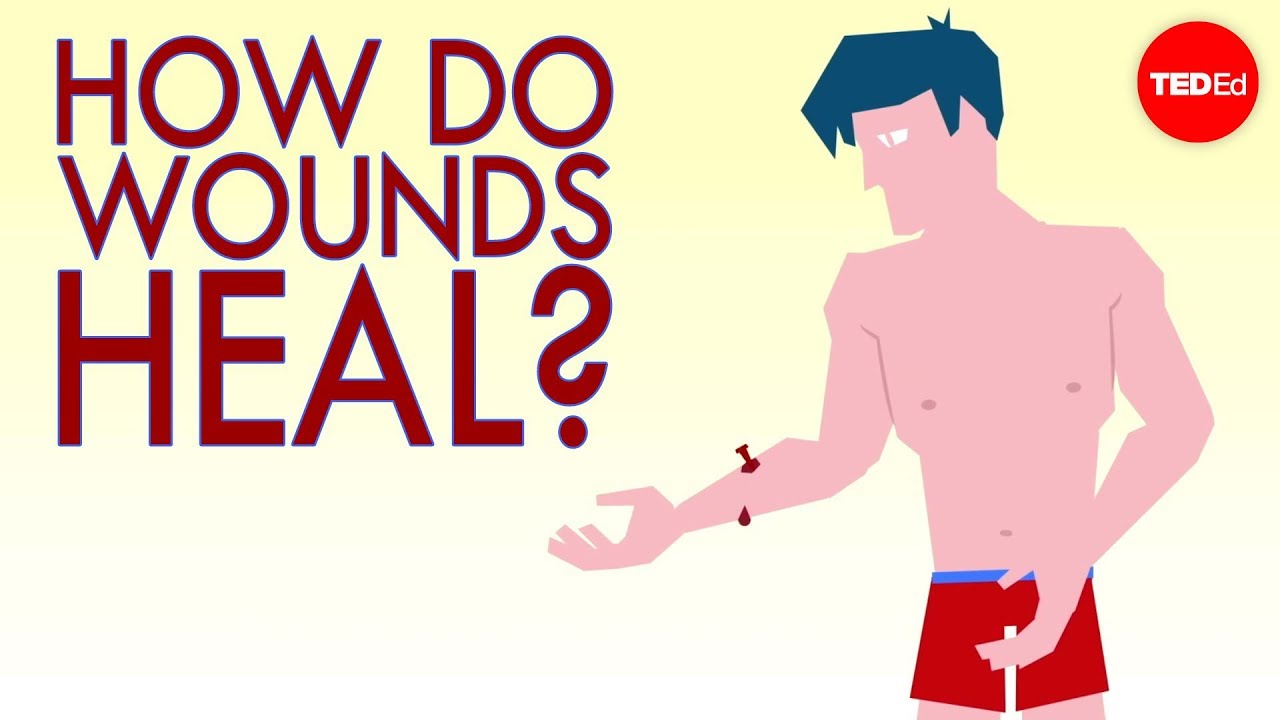
TED-Ed on how a wound heals, and why most healing in us leaves a scar.
A six-hour time-lapse of the tide covering a beach in Nova Scotia.
Do it together
families / schoolsThe sand tray
Write something you are sorry for in a tray of sand, then smooth it away with your hand. Talk about how it feels. Read Micah 7:19 and Qur'an 42:25 together.
faith groups / neighboursTashlikh by the river
Walk to a river or the sea together. Learn about the Jewish tashlikh custom and the Muslim prayer for pardon. Each person silently 'lets go' of a grudge as they throw a small stone or crumb.
faith groups / familiesThe sign of peace
In many churches people turn and shake hands before Communion, saying “Peace be with you”, because Jesus said to make peace with your brother before bringing a gift to the altar (Matthew 5:23-24). Before your next shared meal or meeting, each person makes peace with one person first.

 Episode 1