 Episode 1
In us
We forgive, and take people back. But we remember, we set limits, and we wait to be asked.
Reading settings
Text size
Easier reading
More space between lines and letters, plain font for headings, no italics.
Calm mode
No moving backgrounds or animations; softer images.
Save data
No background video and no card photos: good on a slow or capped connection.
Saved on this device only. Nothing is sent to us.

The 99 Names · Name 80 of 99 · Act
at-Tawwāb التَّوَّابُ
Recited as it sounds in the Qur'an, 2:37.
Heard together with: at-Tawwāb ar-Raḥīm (2:37)
Miss a turning with the satnav on, and it does not shout, list your mistakes or demand an apology. It says, calmly, “Recalculating”, and then, “When possible, make a U-turn.” However many times you go wrong, it keeps finding a way back.
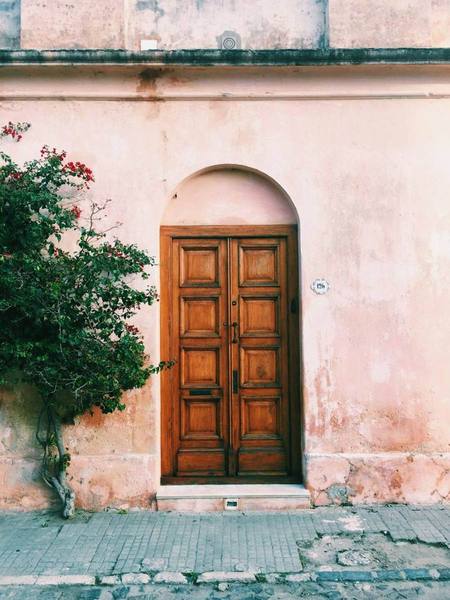
The Arabic word tawba, repentance, literally means turning back. At-Tawwāb is the Name for the One who turns back to people, not once but again and again. The same word, in the plural, describes people too: “They question thee (O Muhammad) concerning menstruation. Say: It is an illness, so let women alone at such times and go not in unto them till they are cleansed. And when they have purified themselves, then go in unto them as Allah hath enjoined upon you. Truly Allah loveth those who turn unto Him, and loveth those who have a care for cleanness.” (2:222, Pickthall). And at the other end of every U-turn, Someone is waiting.
Start with something we know. Then take away everything it needs. What is left is not a bigger version of us: it is the Name.
Episode 1We forgive, and take people back. But we remember, we set limits, and we wait to be asked.
 Episode 2
Loggerhead turtles find their way back across oceans to the beach where they hatched, by a magnetic map they carry in their bodies (Brothers and Lohmann, 2015).
 Episode 3
In 2023, NASA lost contact with Voyager 2 and sent a “shout” across 19 billion kilometres to turn its antenna home. It worked. Returning needs a signal and a map.
 Episode 4
Take away the grudge, the condition, waiting to be asked. The turtle finds its way back by a map in its body. At-Tawwāb turns towards you before you turn (Qur'an 9:118), and says: “Say: O My slaves who have been prodigal to their own hurt! Despair not of the mercy of Allah, Who forgiveth all sins. Lo! He is the Forgiving, the Merciful.” (39:53, Pickthall).
From the tradition: Bukhari 6309 lost camel; Bukhari 7405 (qudsi) 'if he comes to Me walking, I go to him running'.
Films, documentaries and voices that reach towards this Name. Each links out to where you can watch it.
On screen
The bishop's mercy turns Valjean. At-Tawwāb turns first: (9:118).
The Prophet Muhammad ﷺ (peace be upon him) told a story to show how God feels when someone turns back to Him.
Imagine a man travelling alone through a waterless desert. His camel carries all his food and water. He stops to rest, and when he wakes, the camel has gone. He searches until he is exhausted. Then, sure that he is going to die, he lies down in the shade of a tree to wait for the end.
He opens his eyes, and the camel is standing beside him, with all its load. He grabs the halter, and in his overwhelming joy he cries out: “O God, You are my servant and I am Your Lord.” He gets the words exactly the wrong way round, from sheer happiness.
God, said the Prophet, is more pleased with the repentance of His servant than that man was with his camel. The story is almost funny, and it is meant to stay with you. Repentance is not met with a cold nod. It is met with joy.
“And rend your heart, and not your garments, And turn unto the LORD your God; For He is gracious and compassionate, long-suffering, and abundant in mercy”
Joel 2:13 · JPS 1917
Judaism's word is teshuvah, ‘return’. The prophet Joel tells people to tear their hearts, not just their clothes, and come back. Maimonides wrote that complete teshuvah is when a person faces the same temptation again, in the same situation, and does not repeat the wrong.
Judaism adds an honest condition. The Day of Atonement, Yom Kippur, atones for wrongs between a person and God. For wrongs against another person, you must first go and put it right with them (Mishnah Yoma 8:9). That is why many Jews ask friends and family for forgiveness in the days before.
“I tell you that even so there will be more joy in heaven over one sinner who repents, than over ninety-nine righteous people who need no repentance.”
Luke 15:7 · WEB
Jesus told three stories in a row about things lost and found: a sheep, a coin and a son. Each ends in a party. The Greek word for repentance in the Gospels, metanoia, means a change of mind, a turning of the whole person.
Many Christians confess their sins regularly, privately or to a priest, and receive assurance of forgiveness. Catholics and Orthodox Christians call this a sacrament, and Anglican services open with a confession said together. The First Letter of John promises: “If we confess our sins, he is faithful and righteous to forgive us the sins” (1 John 1:9).
“Then Adam received from his Lord words (of revelation), and He relented toward him. Lo! He is the relenting, the Merciful.”
Qur'an 2:37 · Pickthall (1930)
The Qur'an's first story of repentance is Adam's (peace be upon him). After he and his wife ate from the tree, he received words from his Lord and turned back, and God turned to him (2:37). In Islam there is no inherited sin: Adam repented and was forgiven, and each person starts clean.
Muslim scholars such as an-Nawawī listed the conditions of sincere tawba. Stop the wrong, regret it, resolve not to return to it, and, if it harmed someone, give them back their right. The door, the Prophet said, stays open until the sun rises in the west.
All three faiths describe repentance as turning back, and say God welcomes it with joy. Judaism and Islam both insist that wrongs against people must be put right with the people themselves. They differ on what turning back rests on. Christians believe forgiveness comes through Christ's death and resurrection, and many read Adam's story as a fall that affects all humanity. Judaism and Islam teach direct return to God, and Islam holds that Adam was forgiven and that no one inherits his sin.
A moment to reflect
 How Do Turtles Use The Earth's Magnetic Field For Navigation? | Earth Machine | BBC Earth Science · BBC Earth SciencePlays on “The Finder, who lacks nothing” →
How turtles use the Earth's magnetic field to find their way home: the ladder's ‘map in the body’.
The great animal migrations: journeys out, and the long turning back towards home.
The Arctic tern's pole-to-pole migration mapped on Google Earth, a round trip it makes every year.
Each person privately writes one thing they would like to put right with someone. Over the next week, take one step towards it: a message, a visit, a returned item. Afterwards, share (only if you want to) what happened, and read Joel 2:13, Luke 15:7 and Qur'an 2:37.
Collect stories of things lost and found: pets, keys, friends. Then read the lost camel hadith and Jesus' three parables in Luke 15, and ask why all of them end in celebration.
At Rosh Hashanah, the Jewish New Year, many communities walk to a river, pond or the sea for Tashlikh, “casting off”, and throw pebbles or crumbs into the water as a sign of letting wrongs go. Walk to running water together, each drop in a pebble for something you want to leave behind, and read Micah 7:19.
7 films and talks, chosen for this page. They play here.
Will Allah Forgive Me? | Allah’s Names | Dr. Omar Suleiman | Ep. 9
Yaqeen Institute · 16 min
Yaqeen: Dr Omar Suleiman on at-Tawwab, al-Ghaffar and al-Ghafur (episode 9).
Allah’s Name: At Tawwab - The One Who Accepts Repentance | Khutbah by Dr. Tahir Wyatt
Yaqeen Institute · 30 min
Beautiful Names of Allah (Part 16): At-Tawwab
Yasir Qadhi · 18 min
If Only You Knew How Much Allah Loves You | The Names Class 6: At-Tawwab| Shaykh Mikaeel Smith
Qalam Institute · 52 min
What Repentance Looks Like in Judaism
Jewish Learning Institute · 1 min
Jewish Learning Institute: what repentance (teshuvah) looks like in Judaism.
The Two Voices: A New Perspective on the Meaning of Teshuvah | Rabbi Jonathan Sacks
The Rabbi Sacks Legacy · 69 min
How Baby Sea Turtles Find Their Way Home
Be Smart · 6 min
Be Smart: how baby sea turtles find their way home, the turtle that returns, this Name's sign.