The Qur'an tells of a king who argued with Abraham (peace be upon him) about God. The king's power had gone to his head. Abraham said: my Lord is the One who gives life and causes death.
The king replied: I give life and cause death. Commentators explain what he meant: he could order a prisoner executed or let him go free, and called that power over life.
Abraham did not argue about that. He changed the ground. God, he said, brings the sun up from the east. So bring it up from the west.
The story is short and sharp, and it is not really about the sun. It shows the difference between controlling the edges of someone's life and being its source. A king can end a life or spare it. He cannot make one. He cannot even move the morning. Abraham's reply invites the king, and the reader, to notice how much of life is given and how little is truly ours to command. Jewish tradition has many stories of Abraham standing up to the idol-worship of his time; this one belongs to that family of stories.
Judaism
“I kill, and I make alive; I have wounded, and I heal”
Deuteronomy 32:39 · JPS 1917
The Torah puts life and death in the same breath, spoken by God: “I kill, and I make alive; I have wounded, and I heal.” Hannah's prayer says the same: “The LORD killeth, and maketh alive” (1 Samuel 2:6).
The second blessing of the Amidah, said three times a day, calls God meḥayyeh ha-metim, the One who gives life to the dead. Jewish law also teaches that saving a single life is like saving a whole world (Mishnah Sanhedrin 4:5).
Christianity
“he himself gives to all life and breath, and all things.”
Acts 17:24-25 · WEB
The Nicene Creed calls the Holy Spirit “the Lord, the giver of life”. Paul told the people of Athens that God “gives to all life and breath, and all things” (Acts 17:25).
Christians also believe that Jesus restored life to the dead by God's power, and speak of him as “the resurrection and the life” (John 11:25). The Benedictine abbess Hildegard of Bingen, writing in the twelfth century, had a word for the life God pours into creation: viriditas, “greenness”.
Islam
“And of His portents (is this): that thou seest the earth lowly, but when We send down water thereon it thrilleth and groweth. Lo! He Who quickeneth it is verily the Quickener of the Dead. Lo! He is Able to do all things.”
Qur'an 41:39 · Pickthall (1930)
The Qur'an often points to rain on dead earth as the everyday sign of al-Muḥyī. “And of His portents (is this): that thou seest the earth lowly, but when We send down water thereon it thrilleth and groweth. Lo! He Who quickeneth it is verily the Quickener of the Dead. Lo! He is Able to do all things.” (41:39, Pickthall).
It also asks the reader to remember their own story: “How disbelieve ye in Allah when ye were dead and He gave life to you! Then He will give you death, then life again, and then unto Him ye will return.” (2:28, Pickthall). The Name is always remembered with al-Mumīt.
Same and different
All three faiths teach that life is God's gift and that God alone gives and takes it. All three see saving a life as one of the greatest of deeds. The Mishnah's “saving a whole world” and the Qur'an's 5:32 say the same thing, and the Qur'an presents it as a teaching first given to the Children of Israel. Christians add the belief that the Holy Spirit is the giver of life and that Jesus is the resurrection. Muslims honour the miracles of Jesus as worked “I fashion for you out of clay the likeness of a bird, and I breathe into it and it is a bird, by Allah's leave.” (3:49, Pickthall), but not as signs of divinity. Jews do not hold either belief about Jesus.
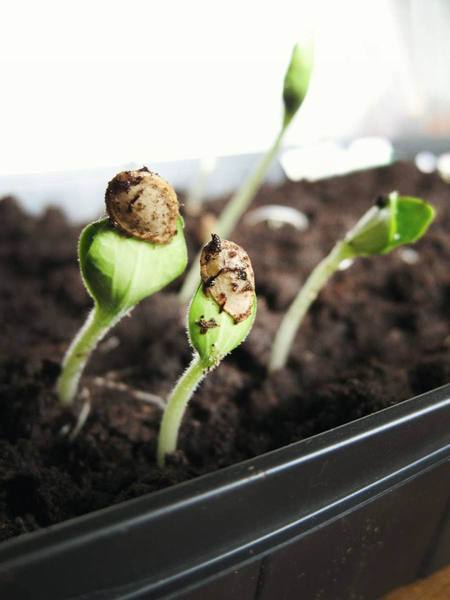
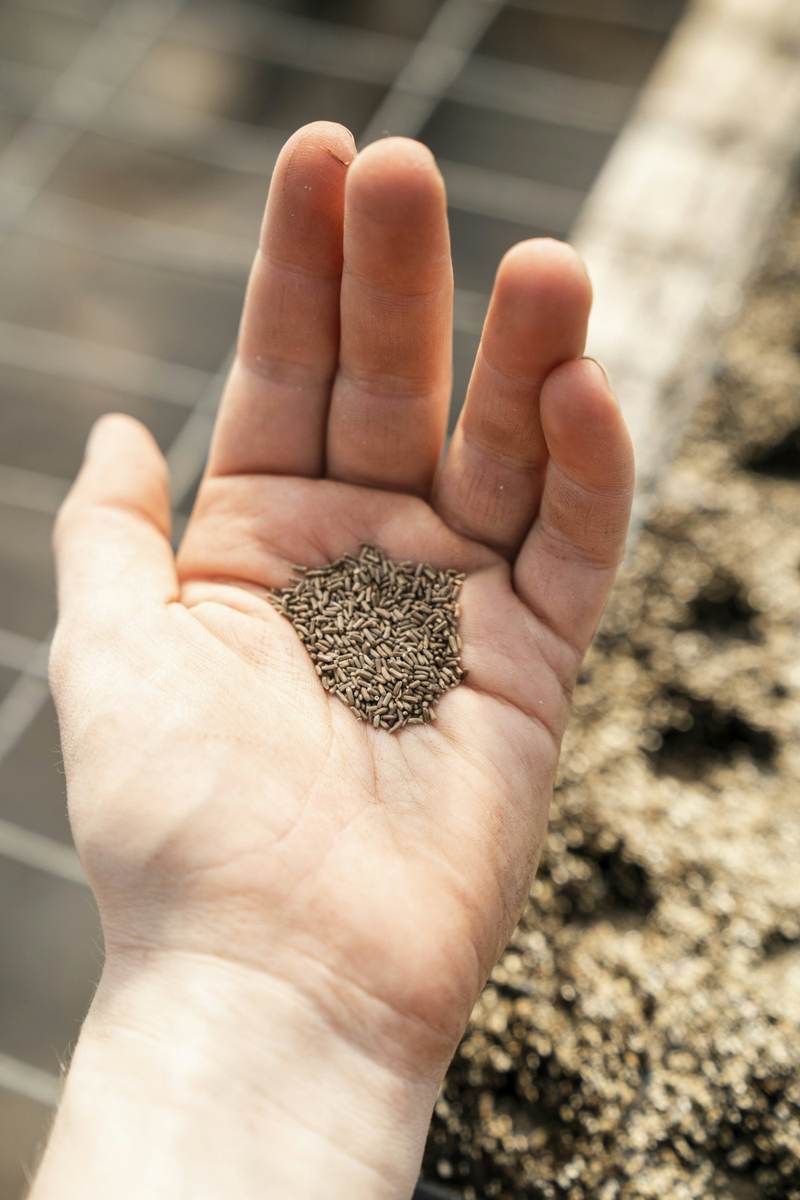
families / schoolsCress on a windowsillSprinkle cress seeds on damp kitchen roll and watch them for a week. Keep one tray dry for comparison. Ask: who gave it life? What did we do, and what could we not do?
neighbours / faith groupsLearn CPRBook a free British Heart Foundation or St John Ambulance CPR session for your congregation or street. Read Mishnah Sanhedrin 4:5 and Qur'an 5:32 on saving a life before you start.
neighbours / faith groups / familiesRogation walkIn spring, many country parishes still walk their boundaries on Rogation Sunday, stopping to pray for the year's crops. Walk a local route together in April or May, stop at a field, allotment or tree, and each person names one living thing they are thankful for.
 Episode 1