Lose a leg, and you will never grow it back. Lose a leg as an axolotl, a small Mexican salamander, and in a few weeks a new one grows: bone, muscle, nerves and skin.
Nature is full of repair and recycling. Al-Muʿīd, the Restorer, names the One who brings back what He began, and the Qur'an says that bringing back is easier than beginning.
Start with what we know
Start with something we know. Then take away everything it needs. What is left is not a bigger version of us: it is the Name.
Episode 1
In us
People are natural repairers. The first Repair Café opened in Amsterdam on 18 October 2009, organised by Martine Postma, so that neighbours could fix broken toasters, bikes and clothes together. There are now thousands worldwide, including many in the UK. In Japan the old craft of kintsugi mends broken pottery with gold, making the crack part of the beauty. Surgeons rebuild faces and reattach fingers. But every human repair loses something. The pot is never unbroken. Recycled plastic and paper weaken a little each time. We restore, but not completely, and we cannot restore a person who has gone.
Episode 2
In nature
An axolotl can regrow a lost limb, parts of its heart and even sections of its spinal cord, perfectly and without a scar. Scientists at Harvard and elsewhere are studying how its cells 'remember' what was missing. Other animals do smaller versions: a lizard regrows a tail, though a simpler one made of cartilage instead of bone. Nature's restorations are astonishing, but they have limits. They rebuild from living tissue that remains. An axolotl that dies is not brought back. Regrowth needs something left to grow from.
Episode 3
At our best
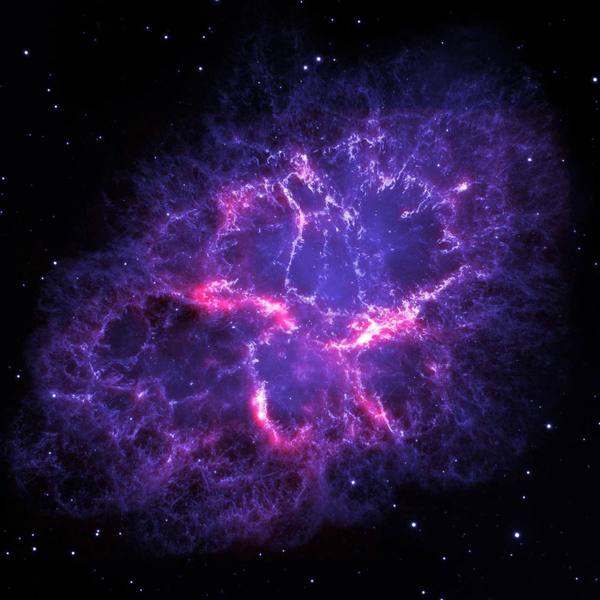
The universe recycles on a vast scale. When a massive star explodes as a supernova, it scatters the elements it forged, such as oxygen, silicon and iron, into space. NASA's Chandra X-ray Observatory has mapped them in Cassiopeia A, about 11,000 light years away. Those elements later gather into new stars and planets: the iron in your blood was made in stars. On Earth the water cycle carries the same water round and round. But recycling only rearranges what already exists. It returns atoms, not the persons they once made.
Episode 4
The Break
Our repairs leave scars. Each cycle loses something, regrowth needs something left to grow from, and some decay no recycling can undo. Every restoration we know rearranges material. Al-Muʿīd restores what He began, persons and not just atoms. Jews, Christians and Muslims each describe this hope differently, in their own words. The Qur'an puts it in one line: “He it is Who produceth creation, then reproduceth it, and it is easier for Him. His is the Sublime Similitude in the heavens and the earth. He is the Mighty, the Wise.” (Qur'an 30:27, Pickthall).
From the tradition: All three faiths affirm a resurrection in their own terms (Daniel 12:2; the Creeds; the Qur'an). Ghazālī: al-Muʿīd restores what He began.
On screen
The Doctor regenerates into someone new. Al-Muʿīd brings you back as you.
The Qur'an tells of a man who passed by a town lying in ruins, its roofs fallen in on its walls. Looking at the wreckage, he wondered aloud: how could God ever bring this back to life after its death?
God caused him to die for a hundred years and then raised him. He was asked: how long have you stayed here? He answered as anyone waking from a nap would: a day, or part of a day.
No, he was told, you have stayed a hundred years. Look at your food and drink: they have not gone off. Now look at your donkey. And he watched as its scattered bones were brought together and clothed with flesh. When it became clear to him, he said: I know that God has power over all things. (Qur'an 2:259)
Classical commentators give different names for the man; some say he was ʿUzayr, often identified with Ezra, others say another figure. The Qur'an leaves him unnamed, keeping the focus on his question. It is a question everyone asks at a graveside or among ruins, and the story does not mock him for it. It answers with a sign.
What each faith says
Read:
Judaism
“And many of them that sleep in the dust of the earth shall awake”
Belief in the resurrection of the dead, teḥiyyat ha-metim, is one of Maimonides' Thirteen Principles of Jewish faith. The second blessing of the daily Amidah praises God who “gives life to the dead”. The prophet Daniel speaks of those who “sleep in the dust of the earth” awaking.
Ezekiel's vision of the valley of dry bones, which come together and are given breath, is one of the most vivid pictures of restoration in the Hebrew Bible. Many read it first as the restoration of a people in exile.
The Christian creeds end with belief in “the resurrection of the body”. For Christians this hope is grounded in their belief that Jesus rose from the dead.
Paul describes the restored body as changed: “sown perishable; it is raised imperishable” (1 Corinthians 15:42). Revelation pictures God saying, “Behold, I am making all things new.”
At Anglican funerals the Book of Common Prayer commits the body “earth to earth, ashes to ashes, dust to dust; in sure and certain hope of the Resurrection to eternal life”.
Islam
“The Day when We shall roll up the heavens as a recorder rolleth up a written scroll. As We began the first creation, We shall repeat it. (It is) a promise (binding) upon Us. Lo! We are to perform it.”
The Qur'an pairs al-Muʿīd with al-Mubdiʾ again and again: He begins, He brings back. Its main argument is simple: the One who began you the first time can do it again. When a man crumbled an old bone and asked who could revive it, the reply came: “Say: He will revive them Who produced them at the first, for He is Knower of every creation.” (36:79, Pickthall).
Muslims believe in a bodily resurrection and judgement, al-baʿth. Reflecting on this Name, scholars encourage hope and responsibility rather than fear.
Same and different
Jews, Christians and Muslims all hope that God will raise the dead. They agree it is God's act, not nature's. They differ in detail. Christians root the hope in the resurrection of Jesus. Islam teaches that Jesus was raised to God without dying on the cross, and Judaism awaits the resurrection without linking it to Jesus. Jewish tradition holds a range of views on how it will happen, and all three leave much to God.
A moment to reflect
What have you seen mended that came back more beautiful than before?
Which is harder for you: starting something new, or starting again after it has fallen apart?
What would you most like to see restored, in your life or your neighbourhood?
Watch
Harvard's Jessica Whited on how axolotls regrow whole limbs, and what we might learn from it.
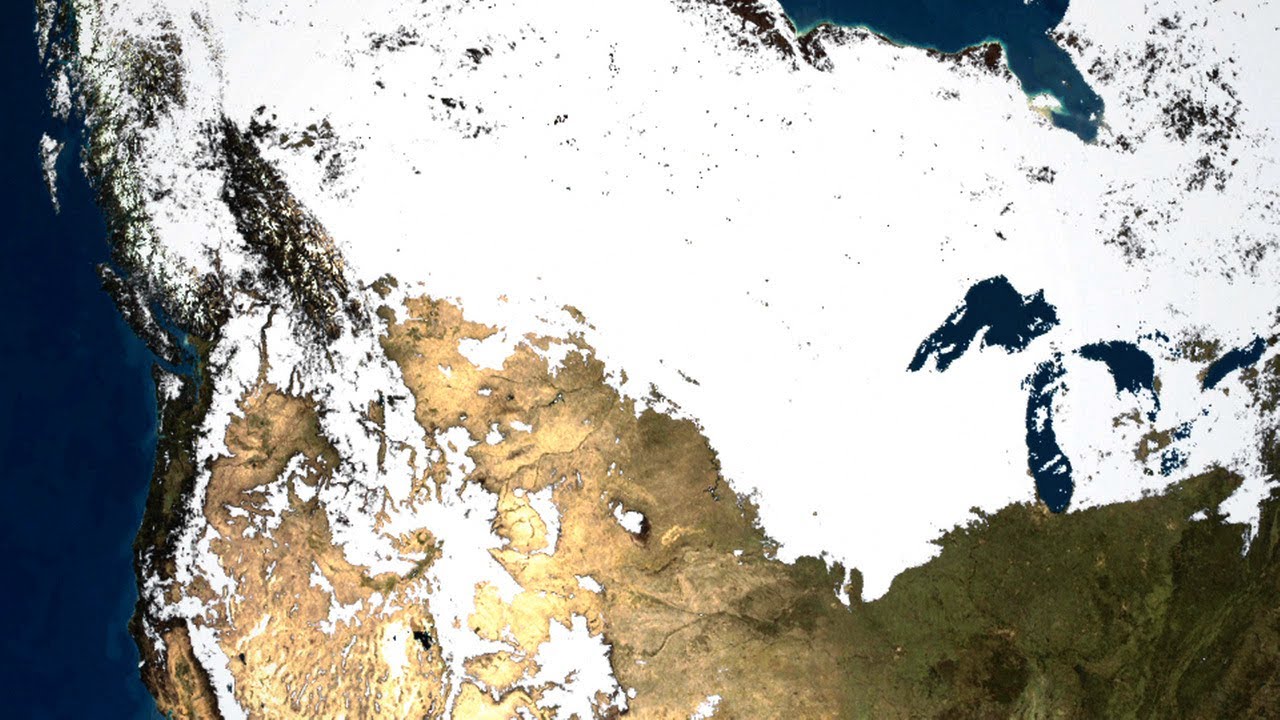
NASA Goddard's animation of Earth's water cycle, the planet's great recycling system.
Do it together
neighbours / faith groupsRepair afternoon
Host a small repair session in a church hall, mosque or community centre: bring broken toys, clothes and lamps and people who can mend them. Talk about what can and cannot be restored.
schools / familiesKintsugi with paper
Tear a paper plate into pieces and glue it back together with gold paint along the cracks. Discuss whether it is more or less beautiful now, and read Qur'an 30:27 and Revelation 21:5.
families / faith groupsThe morning return
Many Jews wake with Modeh Ani, thanking God for returning the soul each morning with compassion. Muslims have their own waking words, and many Christians begin the day with a short morning prayer. For one week, say a waking thank-you before checking your phone, and compare notes at the weekend.
schools / families / faith groupsAn Easter garden
In spring many churches and primary schools make an Easter garden: moss, stones and a small empty tomb, with no figures. Make one on a tray, water it for a week, and talk about what it means to hope that what has ended can be made new.

 Episode 1