The Companion Abū Mūsā al-Ashʿarī remembered a journey with the Prophet Muhammad ﷺ (peace be upon him). Whenever the group climbed a hill, they shouted “Allāhu akbar”, God is greater, as loudly as they could.
The Prophet turned to them. Go easy on yourselves, he said. You are not calling on someone deaf or far away. You are calling on One who hears everything and sees everything, and He is with you.
Then he came over to Abū Mūsā, who was quietly repeating a phrase under his breath. It was lā ḥawla wa lā quwwata illā billāh, “there is no power and no strength except through God”. The Prophet told him that these words are one of the treasures of Paradise. (Bukhari 6384)
The two halves of the story belong together. Shouting was not needed, because God is not distant. And the quiet sentence was precious because it is true: every bit of strength in the walkers' legs, in the camels, in the wind on the hill, came from al-Qawiyy. Muslims still say the phrase when a task feels too heavy, as a way of putting their own strength in its place.
Judaism
“Lift up your eyes on high, And see: who hath created these? He that bringeth out their host by number, He calleth them all by name; By the greatness of His might, and for that He is strong in power, Not one faileth.”
Isaiah 40:26 · JPS 1917
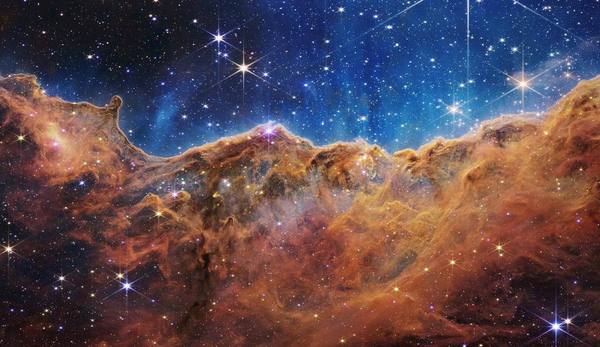
The Hebrew Bible often describes God as gibbor, mighty, and pictures that might in the night sky. Isaiah asks the reader to look up and count the stars. The One who made them calls each by name, “by the greatness of His might”, and not one is missing.
The same chapter turns that power towards the weak: God “giveth power to the faint” (Isaiah 40:29). In Jewish prayer, the second blessing of the daily Amidah is called Gevurot, Powers, and praises God who “supports the falling and heals the sick”.
Christianity
“He has said to me, “My grace is sufficient for you, for my power is made perfect in weakness.”
2 Corinthians 12:9 · WEB
Christians call God Almighty in their creeds, and the New Testament encourages believers to “be strong in the Lord, and in the strength of his might” (Ephesians 6:10).
The apostle Paul adds a turn that many Christians treasure. He wrote about a weakness he had begged to be rid of, and reported God's answer: “My grace is sufficient for you, for my power is made perfect in weakness.” For Christians, God's strength is often seen most clearly where human strength runs out.
In Britain and Ireland “St Patrick's Breastplate” is often sung at ordinations. It is an old Irish prayer that Cecil Frances Alexander put into English verse in 1889. It begins: “I bind unto myself today the strong Name of the Trinity.”
Islam
“Yet of mankind are some who take unto themselves (objects of worship which they set as) rivals to Allah, loving them with a love like (that which is the due) of Allah (only) - those who believe are stauncher in their love for Allah - Oh, that those who do evil had but known, (on the day) when they behold the doom, that power belongeth wholly to Allah, and that Allah is severe in punishment!”
Qur'an 2:165 · Pickthall (1930)
Al-Qawiyy appears in the Qur'an many times, often with al-ʿAzīz, the Almighty. A verse about people who set up rivals to God says that one day they will see “Yet of mankind are some who take unto themselves (objects of worship which they set as) rivals to Allah, loving them with a love like (that which is the due) of Allah (only) - those who believe are stauncher in their love for Allah - Oh, that those who do evil had but known, (on the day) when they behold the doom, that power belongeth wholly to Allah, and that Allah is severe in punishment!” (2:165, Pickthall). God is also “Lo! Allah! He it is that giveth livelihood, the Lord of unbreakable might.” (51:58, Pickthall), linking al-Qawiyy with al-Matīn.
Muslim theologians were careful not to picture God as a bigger version of physical force. The Ashʿarī school taught that every created strength is created by God moment by moment; the phrase lā ḥawla wa lā quwwata illā billāh, “no power and no strength except through God”, says the same in a sentence.
Same and different
All three traditions call God mighty and all three link that might with care for the weak. Judaism and Islam keep the focus on God's power over creation. Christianity adds the belief that God's power was shown in the weakness of the cross. Islam gives everyday life a short phrase for it, lā ḥawla wa lā quwwata illā billāh, “no power and no strength except through God”, said whenever a task looks too big.
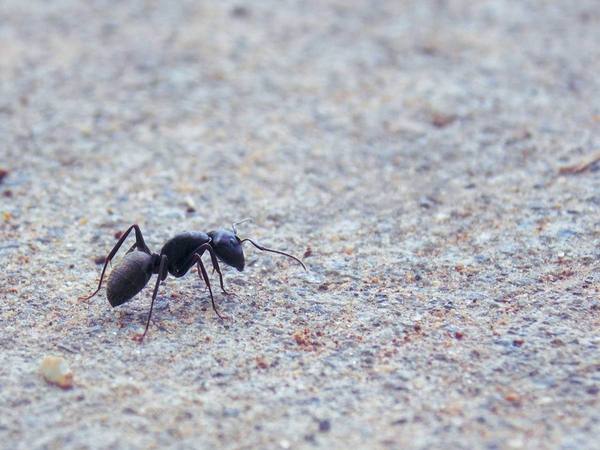
schools / familiesBeetle mathsWeigh a child's school bag and multiply by 1,141. Look up what weighs that much (buses, whales, lorries). Then talk about why the beetle can do it and we cannot, and what our own strengths are for.
neighbours / faith groupsStrength in serviceInvite someone from a local lifeboat, fire or first-aid team to talk about the strength their work needs and where they find it. Read Isaiah 40:29 and Qur'an 2:165 together afterwards.
neighbours / faith groupsNight-time strengthStreet Pastors, volunteers from local churches, walk town centres late on weekend nights to help people who are drunk, lost or frightened. The scheme began in Brixton in 2003. Find out whether your town has a team, ask one to talk about what strength looks like at 2am, and read Isaiah 40:29 together.
 Episode 1