 Episode 1
In us
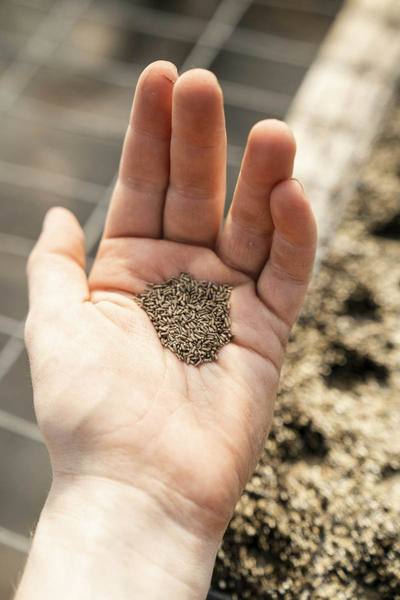
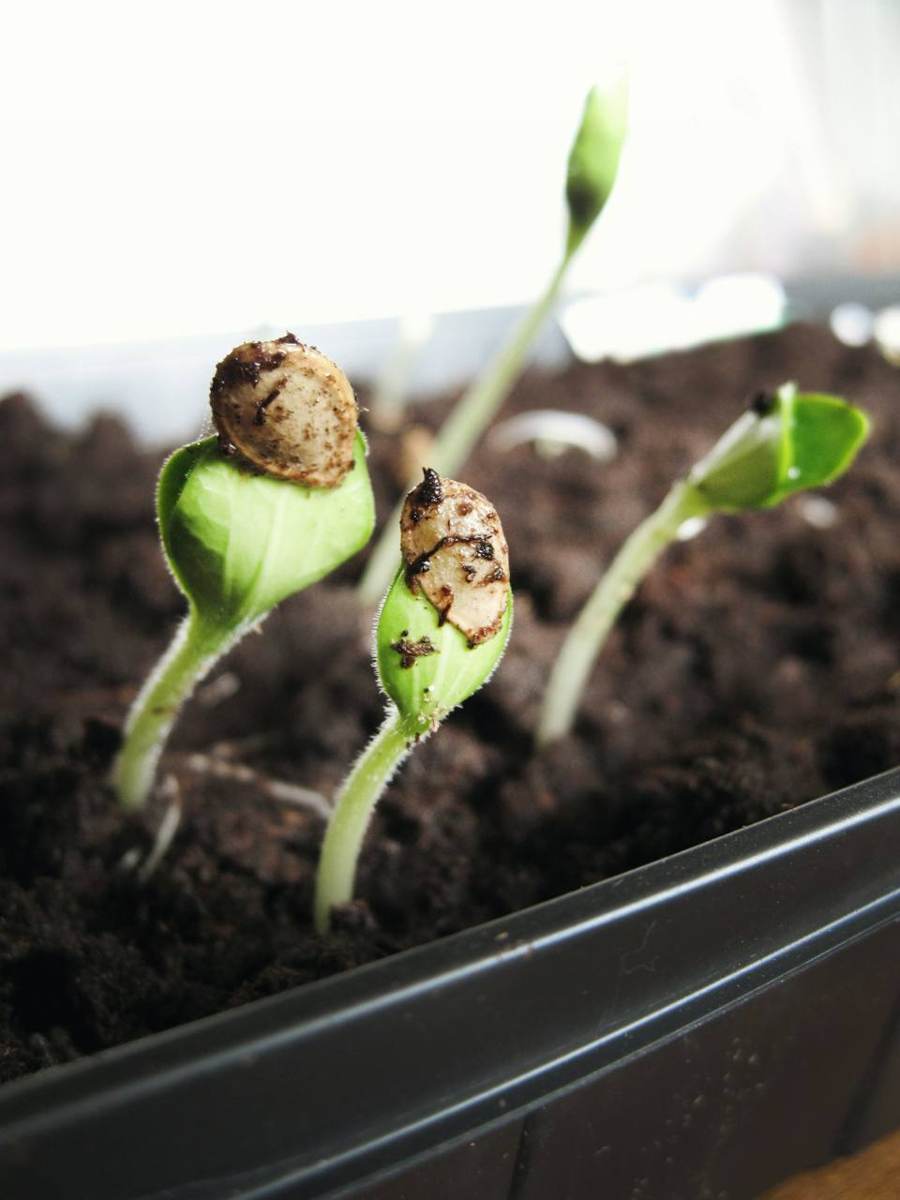
Parents bring a child into being, but only by passing on what they were given: about three billion letters of DNA, copied, not written.
Reading settings
Text size
Easier reading
More space between lines and letters, plain font for headings, no italics.
Calm mode
No moving backgrounds or animations; softer images.
Save data
No background video and no card photos: good on a slow or capped connection.
Saved on this device only. Nothing is sent to us.
The 99 Names · Name 12 of 99 · Act
al-Bāriʾ الْبَارِئُ
Recited as it sounds in the Qur'an, 59:24.
Heard together with: al-Khāliq / al-Bāriʾ / al-Muṣawwir
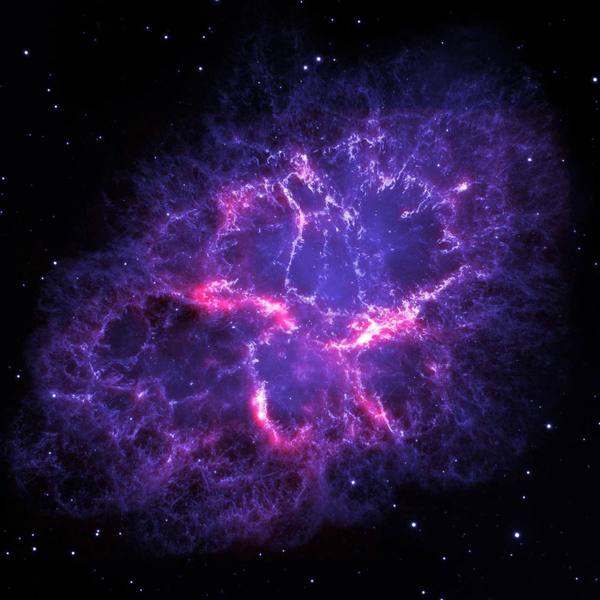
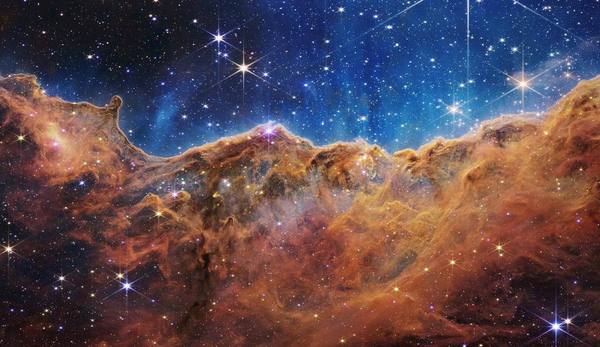
Three dark towers of gas and dust stand in the Eagle Nebula, 6,500 light-years away. The Hubble Space Telescope photographed them in 1995, and astronomers called them the Pillars of Creation. In 2022 the Webb telescope looked again in infrared, through the dust, and saw what is happening inside them: newborn stars, still forming, glowing red at the tips.
Even in a stellar nursery, though, every new star is made of gas that was already there. Al-Bāriʾ is the Name for bringing into being. Its root is the same as the Hebrew bara, the word in the first verse of Genesis. Making something new out of something old is one thing. Bringing something into being at all is another.
Start with something we know. Then take away everything it needs. What is left is not a bigger version of us: it is the Name.
Episode 1Parents bring a child into being, but only by passing on what they were given: about three billion letters of DNA, copied, not written.
 Episode 2
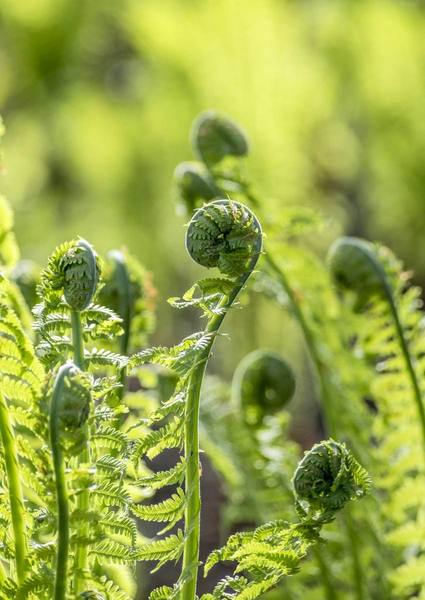
New species arise, slowly, from existing ones. Nature makes the new out of the old.
 Episode 3
Physicists have made the heaviest elements, a few atoms at a time, by smashing existing nuclei together. They vanish in fractions of a second.
 Episode 4
Take away the parent, the raw material, the earlier form. Al-Bāriʾ is not a better copier, but the One who brings into being what was not, each creature distinct and whole (Qur'an 59:24).
From the tradition: al-Ghazālī: al-Bāriʾ is the One who originates and brings into existence (mukhtariʿ, mūjid) what was determined; in his building analogy, the builder who follows the architect. Jewish blessing formula 'Borei pri…' uses the same root
Films, documentaries and voices that reach towards this Name. Each links out to where you can watch it.
On screen
The Reality Stone warps what already exists. Al-Bāriʾ is why there is anything to warp.
Moses (peace be upon him) had led the Children of Israel out of Egypt, and now he had gone up the mountain to receive the Law. He was gone for forty days. Below, the people grew afraid that he was not coming back.
They gathered their gold earrings and jewellery, melted them down and cast a calf. The Torah tells the story in Exodus 32, and the Qur'an tells it in several places (2:51-54; 7:148-153; 20:83-97). The Qur'an adds a detail that stays with you: the calf made a lowing sound, yet “And the folk of Moses, after (he left them), chose a calf (for worship), (made) out of their ornaments, of saffron hue, which gave a lowing sound. Saw they not that it spake not unto them nor guided them to any way? They chose it, and became wrong-doers.” (7:148, Pickthall).
Here is the heart of it. The people had taken things that already existed, given them a shape, and then bowed to what their own hands had made. When Moses came down, the Qur'an has him say: “turn in repentance to your Bāriʾ”, to your Maker, the One who brought you into being (2:54).
The story is not only about ancient people. Every generation is tempted to worship what it has made: money, status, a screen. Al-Bāriʾ reverses the direction. We do not make Him; He made us, and the gold, and the hands that melted it.
“In the beginning God created the heaven and the earth.”
Genesis 1:1 · JPS 1917
The Hebrew Bible's first verse uses bara for God's creating. The rabbis and later scholars noticed that, in this form, the verb only ever has God as its subject: people make (asah) and form (yatsar), but only God creates (bara).
The same root fills ordinary Jewish life. Before eating an apple, Jews say: “Blessed are You, LORD our God, King of the universe, borei pri ha-etz, who creates the fruit of the tree.” There are blessings for bread, vegetables and wine. At the end of the Sabbath there is a blessing over fire, to the One “who creates the lights of fire”.
“Worthy are you, our Lord and God, the Holy One, to receive the glory, the honour, and the power, for you created all things, and because of your desire they existed, and were created.”
Revelation 4:11 · WEB
Christians confess God in the Creed as “maker of heaven and earth, of all that is, seen and unseen”. From the early centuries, Christian teachers held that God created out of nothing, ex nihilo. God did not shape something that was already there, but brought everything there is into being.
In the book of Revelation, the worship of heaven is a song of thanks for exactly this.
“He is Allah, the Creator, the Shaper out of naught, the Fashioner. His are the most beautiful names. All that is in the heavens and the earth glorifieth Him, and He is the Mighty, the Wise.”
Qur'an 59:24 · Pickthall (1930)
Al-Bāriʾ appears in a famous trio of creation Names. Al-Ghazālī compared them to building a house. Al-Khāliq, the Creator, plans and measures, as an architect does. Al-Bāriʾ brings it into existence, as a builder does. Al-Muṣawwir, the Shaper, gives it its form and beauty, as a craftsman finishes it. In God, all three are one act.
The Qur'an uses the same root for all of creation. Created beings are al-bariyya (98:7), and every event is written “Naught of disaster befalleth in the earth or in yourselves but it is in a Book before we bring it into being - Lo! that is easy for Allah -.” (57:22, Pickthall). Muslims begin almost everything with bismillāh, in the name of God, as a reminder of Who brought it into being.
Hebrew bara and Arabic Bāriʾ come from the same root, and all three faiths hold that God alone brings things into being; we only rearrange. All three tell the story of the golden calf as a warning against worshipping what we have made. They differ on whether creation is the work of God as one, as Judaism and Islam teach, or of the Father through the Son and in the Spirit. Christians believe the second. Judaism has its own way of remembering creation: every Friday night the Kiddush blessing over wine calls the Sabbath a memorial of the work of creation. The Christian belief that the Word ‘through whom all things were made’ became flesh is distinctive to Christianity.
A moment to reflect
The Pillars of Creation in 3D, built from Hubble and Webb images: new stars forming from old gas.
How a star is born, lives and dies, in plain language from NASA.
Nihonium, one of the heaviest elements ever made in a laboratory, a few atoms at a time.
Share a bowl of fruit and ask each tradition present to say its short blessing: borei pri ha-etz, a Christian grace, bismillāh. Then talk about what it changes to stop and name the Maker before tasting.
Give groups a box of junk (card, string, bottle tops) and ten minutes to make something new. Then ask: did you create anything from nothing? Read Genesis 1:1 and Qur'an 59:24 and discuss the difference.
Beyond the Abrahamic family, other traditions reach for something like this. Each in its own words; we connect, never rank.
Sikh
God Himself created the world and Himself gave names to things.
Asa ki Var, pauri 1 · Guru Granth Sahib p. 463 · tr. M. A. Macauliffe, The Sikh Religion (1909), vol. 1
6 films and talks, chosen for this page. They play here.
Allah Perfected Everything About You | Allah’s Names | Dr. Omar Suleiman | Ep. 7
Yaqeen Institute · 17 min
Yaqeen: Dr Omar Suleiman on al-Bari with al-Khaliq and al-Musawwir (episode 7).
Beautiful Names of Allah (Part 15)- Al-Khaliq, Al-Baari & Al-Musawwir
Yasir Qadhi · 17 min
Yasir Qadhi: al-Khaliq, al-Bari and al-Musawwir.
The Song of Creation – Timothy Keller [Sermon]
Gospel in Life · 31 min
DNA replication - 3D
yourgenome · 4 min
yourgenome: DNA replication in 3D, each creature brought into being distinct.
Acrobatic DNA Replication - Christmas Lectures with Alison Woollard
The Royal Institution · 3 min
Royal Institution: acrobatic DNA replication, from the Christmas Lectures.