Young Explorers · ages 7–11
The One who mends
Young Explorers · The One who mends
Next: Who holds the birds up? (children) →الْجَبَّارُ
al-Jabbār · The Compeller, and the One who mends what is broken
Have you ever fallen over and grazed your knee?
It stings. Maybe there is a little bit of blood. A grown-up washes it and puts a plaster on. And then something wonderful happens, even though you cannot see it.
Under the plaster, your body gets to work. First, the blood makes a sticky plug, like a tiny dam, so no more comes out. That turns into a scab, a little roof over the hurt. Underneath the roof, your body sends helpers to clean up germs. Then new skin starts to grow, inching in from the edges, a little more every day. One morning the scab falls off, and there is new pink skin underneath.
Bones can mend too. If someone breaks an arm, a doctor puts it back in the right place. A cast or a splint holds it still. Inside, the bone grows a soft bridge across the break. Slowly, the bridge turns hard. After a few weeks the cast comes off, and the bone is whole again.
Trees mend themselves too. If a branch snaps off, the tree grows a thick ring of new bark around the wound. It seals the wound and keeps it safe.
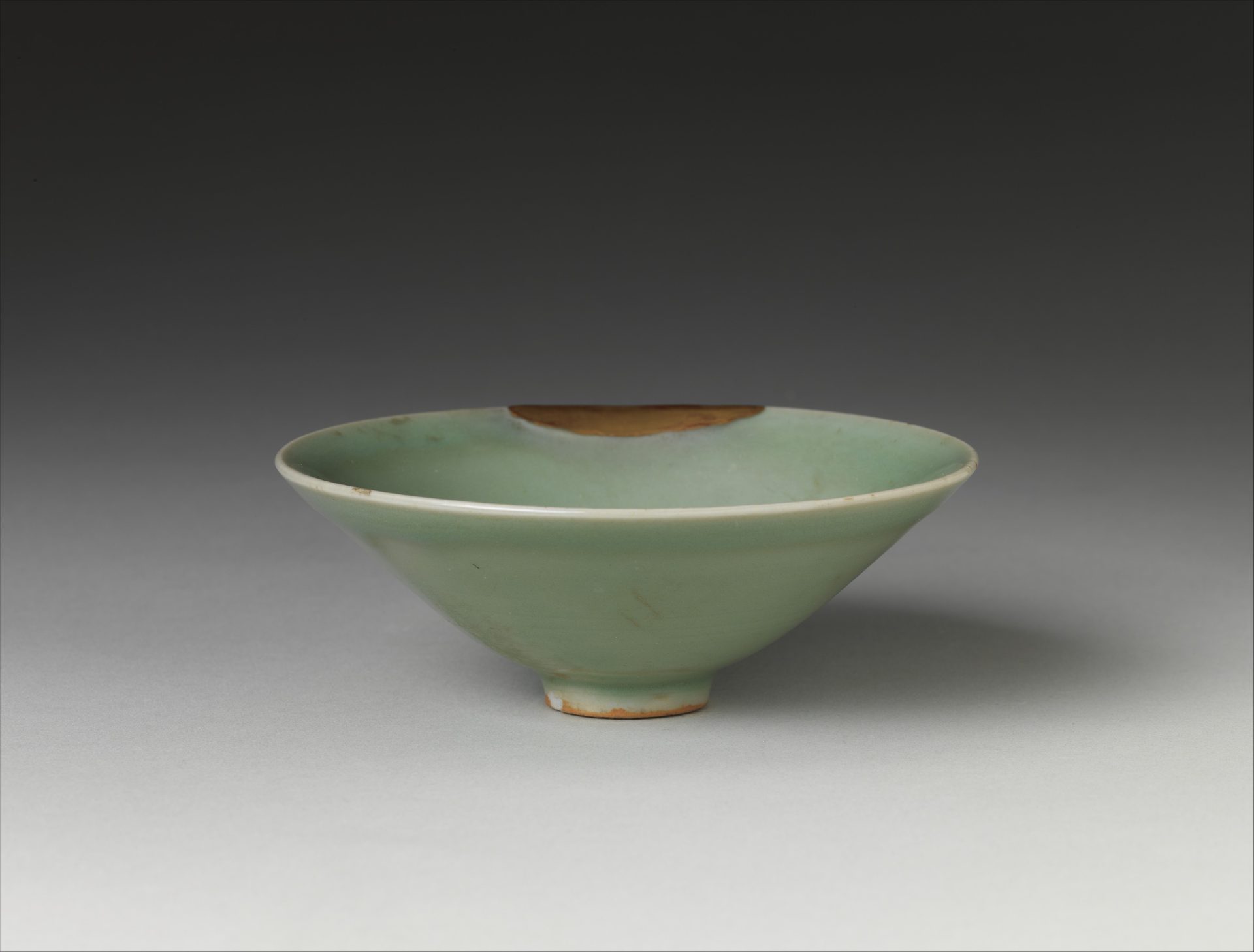
In Japan, when a favourite bowl breaks, some people mend it with special glue mixed with gold. The bowl goes back on the shelf with shining golden lines. Some people think it looks even more beautiful than before.
Muslims have a Name for God that is about mending. It is al-Jabbār. It can mean the Mighty One whose will nobody can stop. But in Arabic the same word is used for setting a broken bone. When someone is sad and a friend cheers them up, Arabic speakers call it “mending a heart”.
So al-Jabbār is the One who mends. Not just knees and bones, but sad hearts and broken friendships too.
Muslims bow with their foreheads on the ground when they pray. Between two bows, many of them whisper: “O God, forgive me, have mercy on me, and mend me.”
A Jewish Psalm says God is the One “Who healeth the broken in heart, And bindeth up their wounds.”
Christians care about mending too. A Christian nurse and doctor called Cicely Saunders opened a special home in London for people who were very ill. It is called a hospice. There, people were cared for gently, body and heart, right to the end.
Next time you have a scab, look at it carefully. Do not pick it. It is your body mending. And when someone is sad, maybe you can help mend them too.
Wonder with us
What could you do to help mend someone’s sad day?
Think of someone who might be feeling sad or left out, at home, at school or next door. Make them a small card or a drawing, or simply ask them to play. Afterwards, talk with a grown-up about how it felt to help mend someone’s day.
Watch together
How your body heals a cut, step by step, for young viewers.
For grown-ups
Al-Jabbār is in the Qur’an at 59:23. It is a Name with two sides: the Compeller, whose will nothing resists, and, from the root j-b-r, the One who restores (jabr is the setting of a bone, the source of the word ’algebra’). Following the guidance in our research, we lead with the mending sense for children and never suggest that people should compel others. The prayer between the prostrations (’O God, forgive me, have mercy on me … and mend me’, allāhumma ghfir lī wa-rḥamnī … wa-jburnī) is reported in Jami’ at-Tirmidhi 284 (wording varies slightly between collections). The Psalm is Psalm 147:3 (JPS 1917). Dame Cicely Saunders, a committed Christian, founded St Christopher’s Hospice in Sydenham, south London, in 1967, the first modern hospice. Wound healing has overlapping stages: clotting, inflammation, rebuilding and remodelling; bones form a soft callus that hardens. Kintsugi is the Japanese art of mending pottery with gold lacquer. A question to share: has anyone ever mended your day?
Watch more: The One who mends
5 films and talks, chosen for this page. They play here.
How a wound heals itself - Sarthak Sinha
TED-Ed · 4 min
How does your immune system work? - Emma Bryce
TED-Ed · 5 min
How the body's own defences fight germs.
How do animals regrow their limbs? And why can't humans do it? - Jessica Whited
TED-Ed · 6 min
How some animals regrow lost legs and tails.
Science | KS1 | Keeping my body healthy | BBC Teach
BBC Bitesize for Teachers · 2 min
Journey of a Germ | Sid the Science Kid | PBS KIDS
PBS KIDS · 2 min