The Western Wall, Jerusalem (Judaism)
The Western Wall, in Hebrew the Kotel, "the wall", is part of the great retaining wall that held up the platform of the Temple. The lower stones date to Herod's rebuilding of the Temple platform in the first century BCE; later centuries added the courses above.
After the Romans destroyed the Second Temple in 70 CE, Jews prayed in Jerusalem in many places. An old rabbinic saying holds that "the Divine Presence never moves from the western wall" (Shemot Rabbah 2:2), read alongside a verse from the Song of Songs (2:9). Scholars note that the saying may first have meant the Temple's own western wall. Over the centuries it settled on the wall visitors now touch.
In the sixteenth century, after the 1546 earthquake, the Ottoman sultan Suleiman the Magnificent ordered the area cleared, and Jewish prayer there was permitted. Jews have since come from all over the world, especially on the Ninth of Av, to pray and to tuck written prayers into the cracks between the stones. Twice a year the notes are gathered and buried on the Mount of Olives.
English speakers once called it the "Wailing Wall". That was an outsiders' name. In Hebrew it is simply the Kotel.
The Church of the Holy Sepulchre, Jerusalem (Christianity)
Christians remember here the crucifixion, burial and resurrection of Jesus. The emperor Constantine ordered a church built over the site from about 326, and it was dedicated in 335.
Today it is shared by several Christian communities, among them Greek Orthodox, Catholic and Armenian, with Coptic, Syriac and Ethiopian Orthodox also present. They care for different parts of the building under an agreement, the Status Quo, fixed by Ottoman decrees of 1757 and 1852-3. In 2016-17 the little shrine over the tomb was repaired, and mortar from the work has been dated to the mid-fourth century.
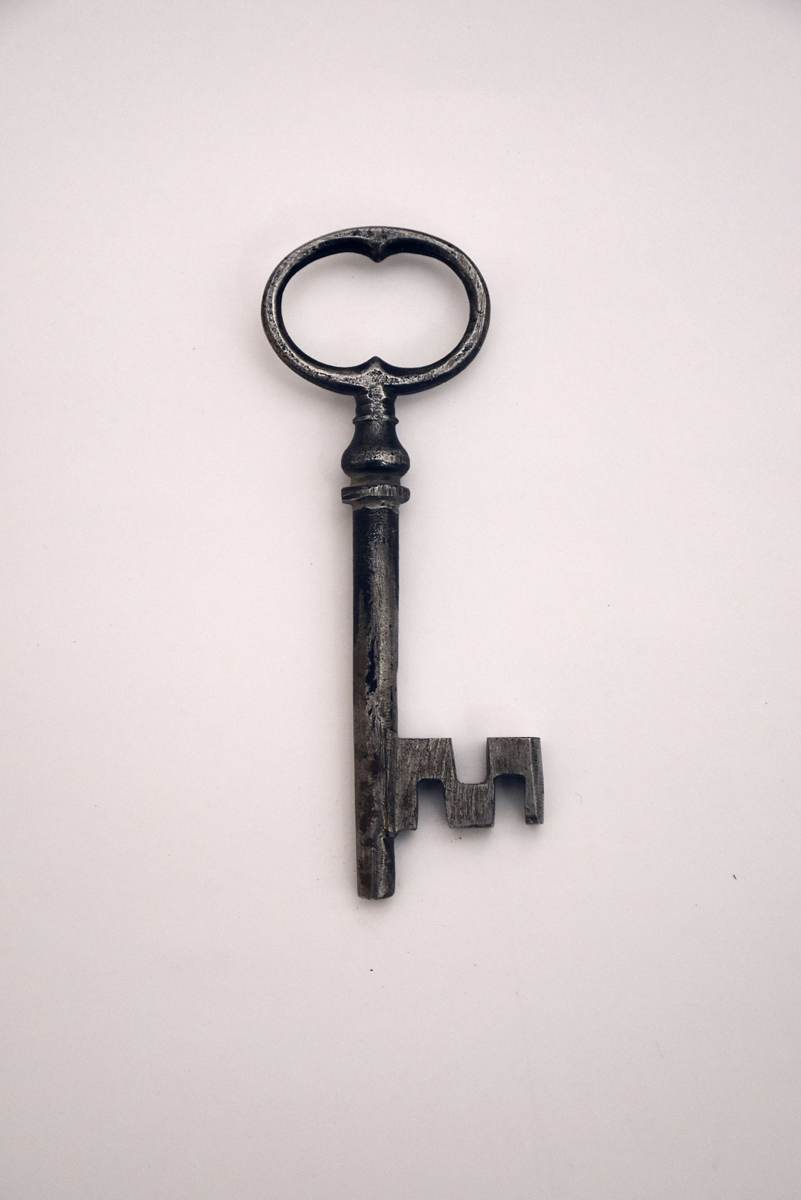
The keys of the church
For many centuries, two Muslim families have been entrusted with the door of the church. In the traditional account, a member of the Joudeh family carries the key each morning, and a member of the Nusseibeh family opens the great door, using a ladder to reach the upper lock. They reverse it at night.
Each family tells its own story of how this began. The Nusseibeh family trace theirs to the Caliph Umar, who came to Jerusalem in about 637 and, the story goes, chose to pray outside the church so that it would never be claimed as a mosque. The Joudeh family trace theirs to Saladin, after 1187. The written records historians usually cite are later, from the Ottoman centuries, so the earlier dates remain family and local tradition. The arrangement is often explained as a way of keeping the peace between the Christian communities who share the church, and it continues today.
The Kaaba, Makkah (Islam)
Muslims face the Kaaba in Makkah (Mecca) five times a day. We let the Qur'an speak first, in its own words. It tells of the House as a sanctuary:
Lo! the first Sanctuary appointed for mankind was that at Becca, a blessed place, a guidance to the peoples
Qur'an 3:96 · Pickthall
It tells of Abraham (peace be upon him) and Ishmael (peace be upon him) at its foundations:
And when Abraham and Ishmael were raising the foundations of the House, (Abraham prayed): Our Lord! Accept from us (this duty).
Qur'an 2:127 · Pickthall
And it speaks of those who come to it:
Purify My house for those who go around and those who meditate therein and those who bow down and prostrate themselves (in worship).
Qur'an 2:125 · Pickthall
Worshippers circle the Kaaba seven times in hajj and umrah. It is the centre of prayer, not an object of worship: Muslims worship Allah alone. The Qur'an also calls it "a standard for mankind" (5:97). To see how pilgrims come to it, read about hajj and the pilgrimage page.
Three places, one thread
In each, people have come over many generations to stand where something sacred is remembered, and have handed on its care. A wall, a tomb and a House: stone that has become a way of being thankful.
Honest differences
- Each place means something different to the people who love it, and we have told each in its own tradition's words.
- Some details of early history, including the first dates of the keyholding families, rest on family and local tradition rather than on written records, and historians continue to study them.
- Of the Kaaba we have given only what the Qur'an says. Later history is for Muslim scholars to tell in their own words.
If you visit
Keep reading
Back to the overview, or on to pilgrimage and thanks.