In a minute
For one month each year, Ramadan, Muslims go without food, drink and intimate relations from first light until sunset. They eat a meal before dawn (suhur) and break the fast at sunset (iftar), traditionally with a date and water. Ramadan is the month in which Muslims believe the Qur'an was first revealed. It is a month of prayer, reading the Qur'an, generosity and family, ending in the festival of Eid al-Fitr.
What it is and how it's lived
When
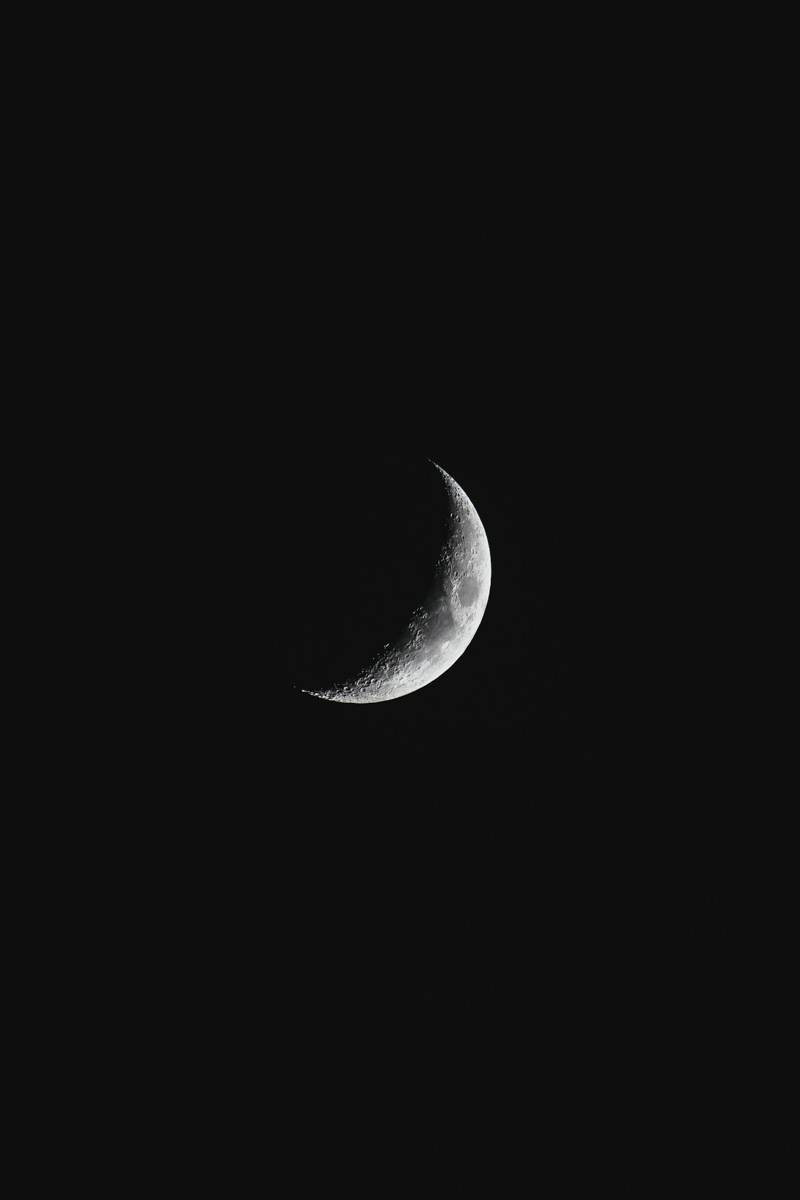
Ramadan is the ninth month of the Islamic lunar calendar. It begins and ends with the sighting of the new crescent moon, and lasts 29 or 30 days. Because the lunar year is about 11 days shorter than the solar year, Ramadan moves through the seasons, a full cycle every 33 years or so. In the UK, a summer fast can last 18 to 19 hours; a winter fast about 11. Ramadan 2027 is expected to begin around 8 February 2027, depending on the moon.
From dawn to sunset
The fast runs from true dawn (the start of Fajr) to sunset (Maghrib). During those hours a fasting person does not eat, drink (not even water), smoke or have sexual relations. Just as important are the things the fast asks of the tongue and temper: no lying, backbiting, arguing or anger. Brushing teeth, showering and accidental eating or drinking do not break the fast.
Who fasts and who is exempt
Fasting is required of every adult Muslim who is healthy, of sound mind and at home. The Qur'an builds in mercy:
- Children do not have to fast. Many try a few days, or half days, to join in.
- People who are ill need not fast, and make up the days later when well.
- Travellers may break the fast and make it up later.
- Women who are menstruating or bleeding after childbirth do not fast, and make up the days later. Those who are pregnant or breastfeeding may stay off fasting if they fear harm to themselves or the baby, and make up the days or give fidyah, depending on the school of law.
- Elderly people and those with long-term illness who cannot fast give fidyah instead: feeding a person in need for each day missed (2:184).
Muslims are taught not to fast where it would cause real harm. Medical advice matters. For example, people with diabetes are advised to speak to their doctor before Ramadan.
The shape of a Ramadan day and night
- Suhur before dawn, then the dawn prayer
- an ordinary working or school day, more quietly lived
- iftar at sunset, often shared with family, neighbours and guests; many British mosques hold open iftars
- Tarawih: long night prayers in congregation, in which many mosques recite the whole Qur'an over the month
- in the last ten nights, Laylat al-Qadr, the Night of Power, sought by many in prayer; some stay in the mosque in retreat (i'tikaf)
- Zakat al-Fitr is given before the Eid prayer
Eid al-Fitr
Ramadan ends with the festival of breaking the fast: special prayers in the morning, new clothes, visits, food, gifts for children, and greetings of "Eid Mubarak" (blessed festival).
Other fasts
Muslims may also fast voluntarily at other times. These include Mondays and Thursdays, the Day of 'Arafah during Hajj, and the Day of 'Ashura.
Its inner meaning
The Qur'an gives the purpose in one word: taqwa. Pickthall translates it "that ye may ward off (evil)". It means mindfulness of God, a guarding awareness. Hunger teaches thankfulness for ordinary blessings and empathy with people who go without. The fast is also a secret between the person and God. Nobody else can really know if you are fasting.
Key verses
"O ye who believe! Fasting is prescribed for you, even as it was prescribed for those before you, that ye may ward off (evil);" (Qur'an 2:183, Pickthall)
Arabic: يَٰٓأَيُّهَا ٱلَّذِينَ ءَامَنُوا۟ كُتِبَ عَلَيْكُمُ ٱلصِّيَامُ كَمَا كُتِبَ عَلَى ٱلَّذِينَ مِن قَبْلِكُمْ لَعَلَّكُمْ تَتَّقُونَ
"The month of Ramadan in which was revealed the Qur'an, a guidance for mankind, and clear proofs of the guidance, and the Criterion (of right and wrong). … Allah desireth for you ease; He desireth not hardship for you;" (Qur'an 2:185, Pickthall)
"and eat and drink until the white thread becometh distinct to you from the black thread of the dawn. Then strictly observe the fast till nightfall" (Qur'an 2:187, Pickthall)
"The Night of Power is better than a thousand months." (Qur'an 97:3, Pickthall)
From the Prophet (peace be upon him)
- God says that every good deed of a person is for themselves, except fasting: it is for Him, and He Himself will reward it. Fasting is a shield (paraphrased; a hadith qudsi, Sahih al-Bukhari 1904, Sahih Muslim 1151).
- Whoever does not give up false speech and acting on it, God has no need for them to give up their food and drink (paraphrased; Sahih al-Bukhari 1903).
- Whoever fasts Ramadan with faith, hoping for God's reward, has their past sins forgiven (paraphrased; Sahih al-Bukhari 38, Sahih Muslim 760).
Common misunderstandings, answered gently
- "Muslims don't eat for a whole month." The fast is from dawn to sunset. Every night there is food, often more sociable than usual.
- "Everyone has to fast, even if they're ill." No: the ill, travellers, children, the elderly and women in certain circumstances are excused. God "desireth for you ease" (2:185).
- "Not even water? That must be dangerous." For healthy adults, a day's fast is safe when the meals before and after are sensible. Anyone at risk is excused and should not fast.
- "Ramadan is a festival." Ramadan is a month of worship. The festival, Eid al-Fitr, comes at its end.
Sunni and Shia
Shia Muslims fast Ramadan in the same way. A visible difference is the moment of breaking the fast: many Shia Muslims wait until the redness of the sky has passed overhead after sunset, a few minutes later than Sunni practice. Shia communities also mark the 19th to 23rd nights with particular devotion, including the anniversary of the death of Ali ibn Abi Talib.
Reflection
What is one thing — not food — that you could fast from for a month, and what might you notice in its place?
In the other traditions
- Judaism: Jews fast for about 25 hours on Yom Kippur, the Day of Atonement, with no food or water, alongside a day of prayer and repentance; there are other fast days such as Tisha B'Av.
- Christianity: Many Christians observe Lent, the forty days before Easter, with fasting, simpler food or giving something up, recalling Jesus's forty days in the wilderness; Orthodox Christians keep several fasting seasons.
Watch
A Muslim telling
A Muslim telling