In a minute
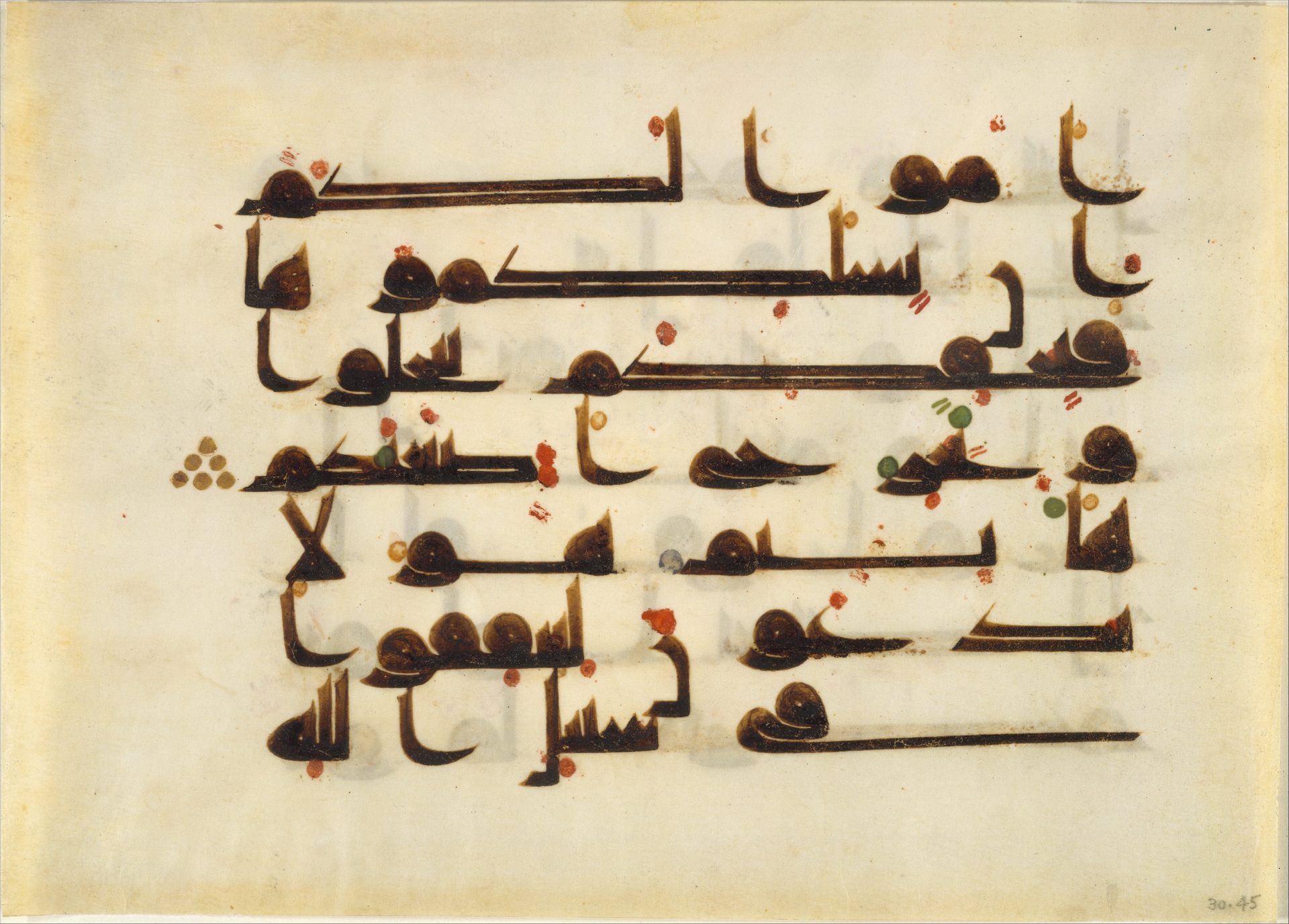
Muslims believe that God has spoken to humanity through revealed scriptures, given to prophets for their peoples. The Qur'an names five: the Scrolls given to Abraham, the Torah (Tawrat) given to Moses, the Psalms (Zabur) given to David, the Gospel (Injil) given to Jesus, and the Qur'an given to the Prophet Muhammad (peace be upon them all). To be a Muslim is to believe in all of them as revelations from God. Muslims hold the Qur'an to be the final revelation, which confirms the messages before it and is preserved word for word in its original Arabic.
What it is and how it's lived
The five named scriptures
| Scripture | Prophet | Qur'an reference |
|---|---|---|
| Suhuf (Scrolls) | Abraham (Ibrahim); scrolls are also linked with Moses | 87:18–19 |
| Tawrat (Torah) | Moses (Musa) | 5:44 |
| Zabur (Psalms) | David (Dawud) | 4:163 |
| Injil (Gospel) | Jesus ('Isa) | 5:46 |
| Qur'an | Muhammad | 3:3; 2:185 |
Muslims believe each was true guidance in its time and place. Many Muslims believe the earlier scriptures, as they have come down, include human additions or changes over time. Jews and Christians hold their scriptures in their own way, and this site lets each speak for itself.
The Qur'an
- What it is: Muslims believe it is the literal word of God, brought by the angel Jibril to the Prophet Muhammad over about 23 years, beginning in 610 CE in the cave of Hira near Makkah.
- Its shape: 114 chapters (surahs) of different lengths, made up of verses (ayat, meaning "signs"), 6,236 in the most common count. It is arranged mostly from longest to shortest, not by date.
- Preserved: Memorised by the companions and written down during the Prophet's lifetime. It was gathered into one volume under the first caliph, Abu Bakr, and standard copies were sent out under the third, Uthman. Millions of Muslims today, including many British children, have memorised all of it; they are called hafiz. The Birmingham Qur'an manuscript, held at the University of Birmingham, has been radiocarbon-dated to within a few decades of the Prophet's lifetime.
- Recited: Qur'an means "recitation". It is meant to be heard. Recitation (tajwid) is an art, and Muslims recite it in every prayer.
- Translations: Muslims regard translations as interpretations of the meaning, not the Qur'an itself. That is why this site quotes Pickthall's translation, titled The Meaning of the Glorious Koran (1930).
- Respect: Many Muslims make wudu before touching the Arabic text, keep it on a high shelf, and never place anything on top of it.
Alongside the Qur'an: the Sunnah
The Prophet's words, actions and approvals, the Sunnah, are recorded in reports called hadith. Muslims see the Sunnah as the Qur'an put into practice. But the hadith are not counted among the revealed books, and Muslims weigh them carefully for authenticity.
Its inner meaning
Belief in the books says that God does not leave people without guidance. The same core message — worship the One God and do good — has been sent again and again, in different languages to different peoples. For Muslims, the Qur'an is both a book and a living companion: a cure for hearts, a guide for law and ethics, and a voice that speaks to each reader.
Key verses
"He hath revealed unto thee (Muhammad) the Scripture with truth, confirming that which was (revealed) before it, even as He revealed the Torah and the Gospel." (Qur'an 3:3, Pickthall)
Arabic: نَزَّلَ عَلَيْكَ ٱلْكِتَٰبَ بِٱلْحَقِّ مُصَدِّقًۭا لِّمَا بَيْنَ يَدَيْهِ وَأَنزَلَ ٱلتَّوْرَىٰةَ وَٱلْإِنجِيلَ
"Lo! We did reveal the Torah, wherein is guidance and a light," (Qur'an 5:44, Pickthall)
"and We bestowed on him the Gospel wherein is guidance and a light, confirming that which was (revealed) before it in the Torah" (Qur'an 5:46, Pickthall)
"Lo! This is in the former scrolls. The Books of Abraham and Moses." (Qur'an 87:18–19, Pickthall)
"Lo! We, even We, reveal the Reminder, and lo! We verily are its Guardian." (Qur'an 15:9, Pickthall)
From the Prophet (peace be upon him)
- The best of you are those who learn the Qur'an and teach it (paraphrased; Sahih al-Bukhari 5027).
- When people of earlier scripture read to the Muslims from their books, the Prophet advised neither to accept nor to reject it outright, but to say: we believe in God and what was revealed to us and to you (paraphrased; Sahih al-Bukhari 4485).
Common misunderstandings, answered gently
- "Muslims reject the Bible." Muslims believe in the Torah, the Psalms and the Gospel as revelations from God, and honour Moses, David and Jesus as prophets. Many Muslims hold that the texts as they exist now are not wholly the original revelation. That is a real difference, best discussed respectfully and in each faith's own words.
- "The Qur'an was written by Muhammad." Muslims believe the Prophet could not read or write (7:158), and that the Qur'an is God's speech, which he received and recited.
- "Any translation is the Qur'an." Only the Arabic is the Qur'an for Muslims. Translations help understanding.
Sunni and Shia
Sunni and Shia Muslims share the same Qur'an, with the same 114 surahs. They draw on partly different collections of hadith. Shia Muslims rely especially on reports transmitted through the Prophet's family and the Imams, gathered in works such as al-Kafi.
Reflection
If God has spoken again and again across history, which words have most guided you, and where did they come from?
In the other traditions
- Judaism: The Hebrew Bible (Tanakh) is Torah, Prophets and Writings. The Torah scroll, hand-written in Hebrew, is kept in the Ark of the synagogue and read through each year. The Oral Torah is gathered in the Mishnah and Talmud.
- Christianity: The Christian Bible is the Old Testament (the Hebrew scriptures) and the New Testament, including the four Gospels. Christians believe Jesus himself is the Word of God made flesh (John 1:14).
Watch
A Muslim telling
A Muslim telling