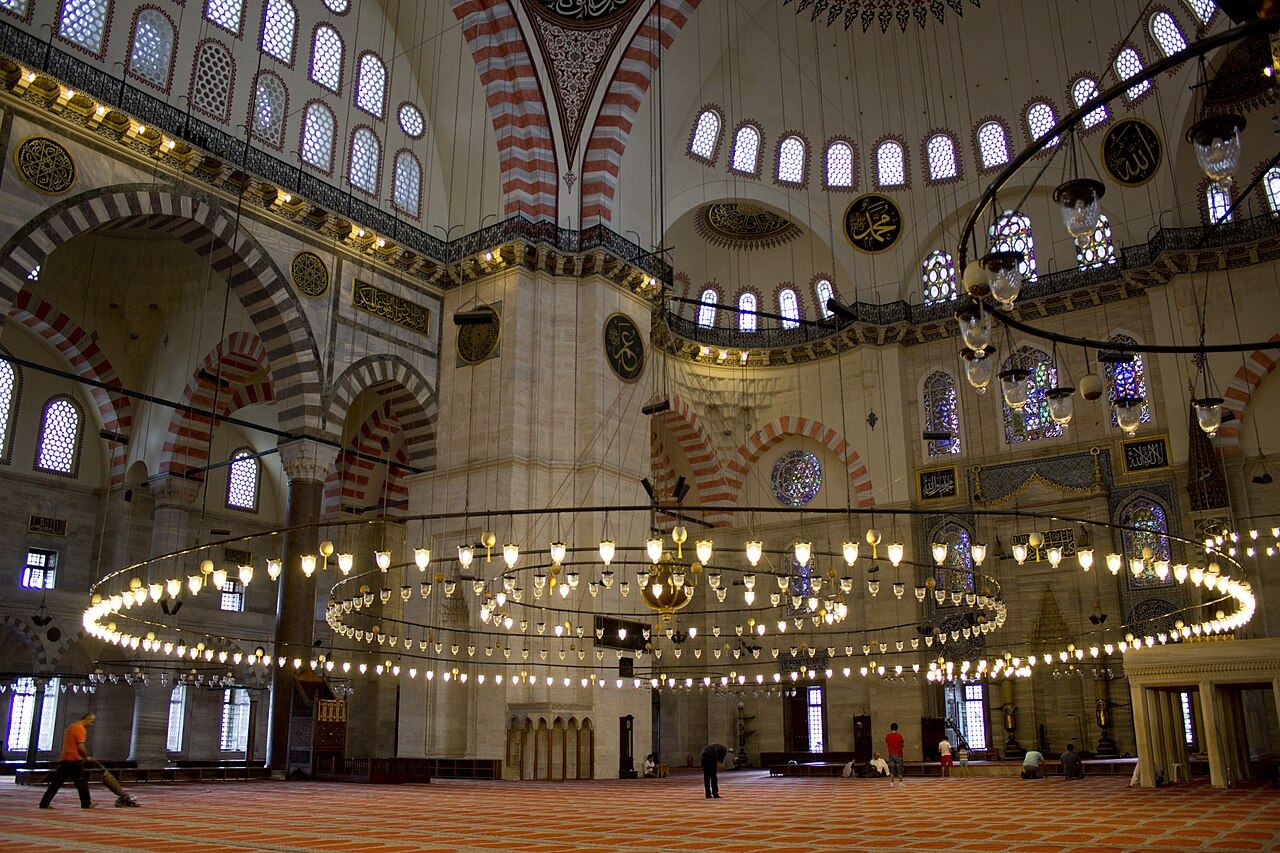
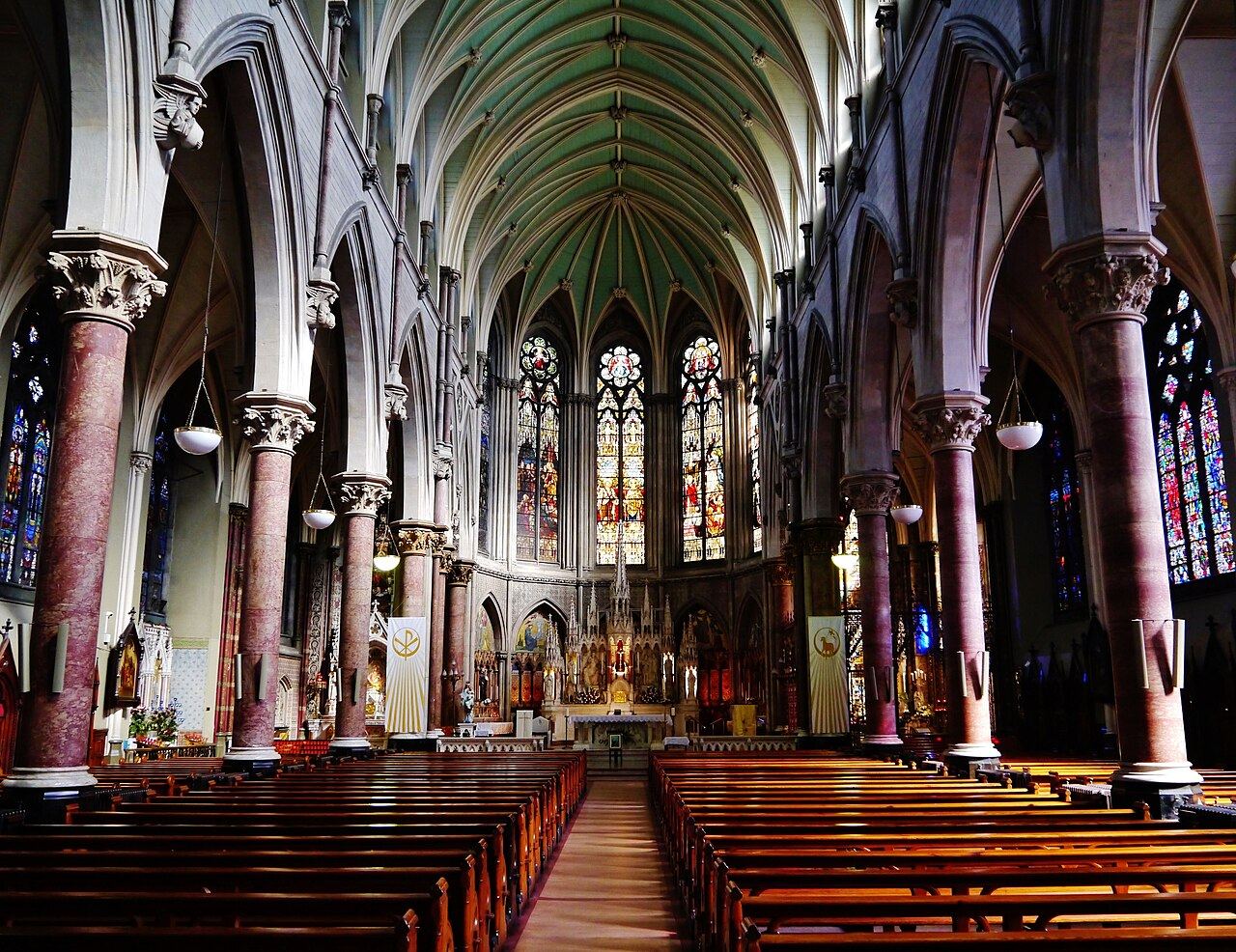
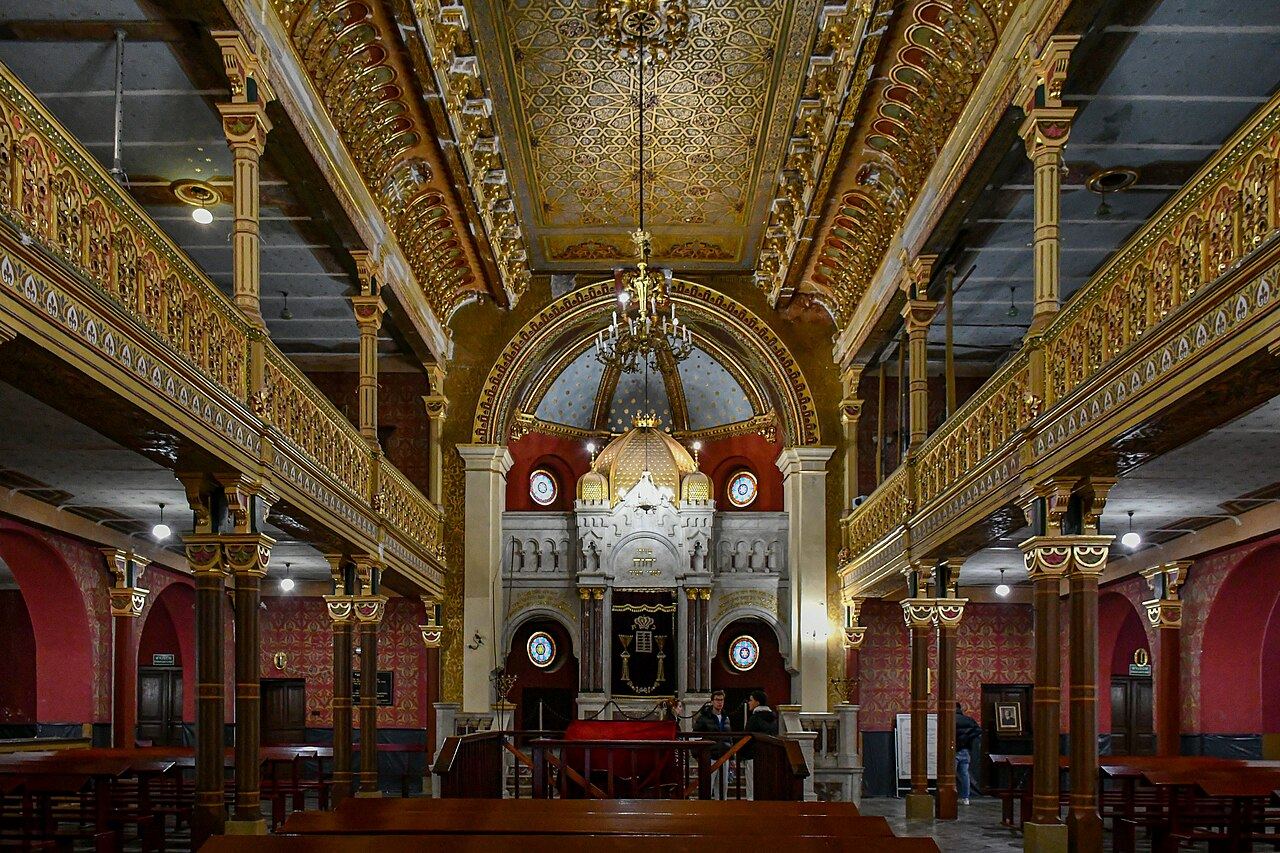
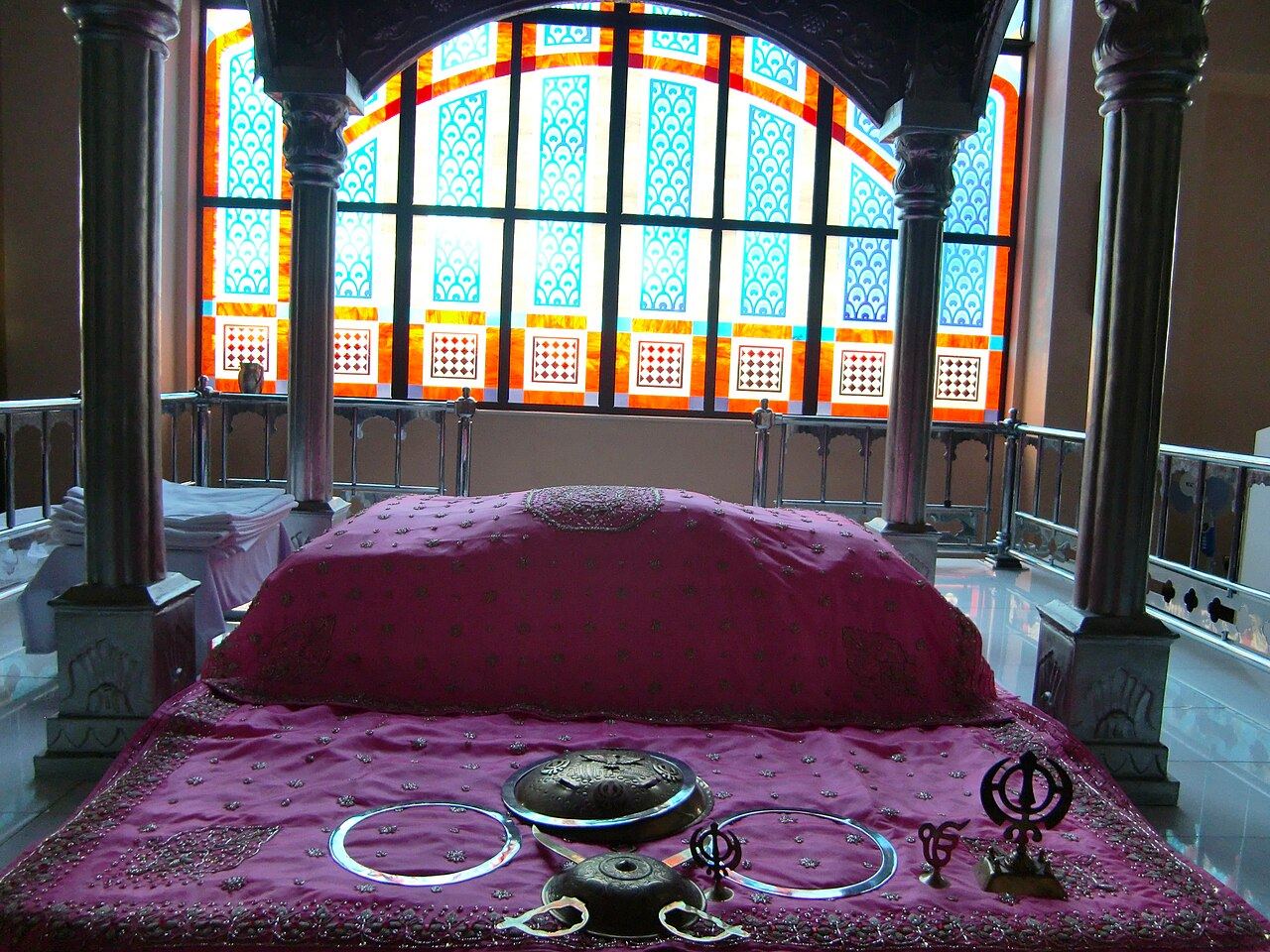
Ask someone what worship is and they will probably picture a building: a synagogue, a church, a mosque, a gurdwara, a mandir. People singing, bowing, sitting still. That is part of it. But the oldest words for worship point somewhere wider.
In Hebrew, worship is avodah. In Arabic, it is ʿibāda. Both grow from the same old root, ʿ-b-d, which means to work or to serve. A servant is an eved in Hebrew and an ʿabd in Arabic. So worship, at root, is service: a whole life handed back to the One who gave it. Seen that way, worship is the long form of “thank you”.
“Enter into His gates with thanksgiving, and into His courts with praise; give thanks unto Him, and bless His name.”
Psalm 100:4 · JPS 1917
This psalm is headed “A Psalm of thanksgiving” (100:1), and Jewish tradition links it with the thanksgiving offering brought to the Temple. Notice the order. You do not earn your way in and then say thanks. Thanks is how you come through the gate.
Four shapes worship takes
Look at worship across many traditions and four shapes keep appearing. Thanks: saying back what has been given. Love: wanting to be close to the One you love. Obedience: living by what you believe God asks, in how you eat, speak, give and treat others. Remembrance: keeping God in mind through the day, not only at set times.
These four are not rivals. A Muslim's five daily prayers are obedience, and they are also full of praise and remembrance. A Sikh cooking in the langar is doing seva, worship by service. A Christian at the Eucharist is giving thanks by name. A Jewish family at the Shabbat table is obeying a commandment, remembering creation, loving God and thanking Him, all over one loaf of bread.
People who study ritual note something else. Worship is usually done with the body and with other people: standing, bowing, eating, singing, walking, fasting. Gratitude that stays only in the head is easy to forget. Gratitude you kneel for, fast for or cook for is harder to lose.
What each faith says
Judaism
“And it shall come to pass, if ye shall hearken diligently unto My commandments which I command you this day, to love the LORD your God, and to serve Him with all your heart and with all your soul”
Deuteronomy 11:13 · JPS 1917
Avodah once meant the service of the Temple in Jerusalem, with its offerings. After the Temple was destroyed in 70 CE, the rabbis asked what “serving God with all your heart” could mean. Their answer: prayer is “the service of the heart” (Talmud, Ta'anit 2a). Jews pray three times a day, in place of the daily offerings. Avodah also means ordinary work done for God's sake, honestly and well.
Christianity
“Therefore I urge you, brothers, by the mercies of God, to present your bodies a living sacrifice, holy, acceptable to God, which is your spiritual service.”
Romans 12:1 · World English Bible (British Edition), public domain
The New Testament uses two Greek words. Latreia is service offered to God, and Paul calls a whole life given to God “your spiritual service”. Leitourgia, which gives us the word “liturgy”, first meant a public work done for the good of a city. Christian worship holds both together: services in church, and service in the world. Jesus said true worshippers worship God “in spirit and truth” (John 4:23).
Islam
“Therefore remember Me, I will remember you. Give thanks to Me, and reject not Me.”
Qur'an 2:152 · Pickthall (1930)
In Islam, ʿibāda covers much more than prayer. The Qur'an says that people were created to worship God (51:56). Muslim scholars explain this as a whole life lived in God's sight: the five prayers, the Ramadan fast and zakat, but also honest trade, kindness to parents and care for neighbours, when they are done for God. Thanks and remembrance run through it all.
Without religion
People without religion may not worship, but many recognise the shapes. A minute's silence. A wedding or funeral where people stand to thank those who made a life possible. A career given to nursing, teaching or caring. The habit of turning gratitude into action is not owned by any one creed.
Sikhi
“All virtues are Thine, O Lord; none are mine. There is no devotion without virtue.”
Guru Granth Sahib, ang 4 (Japji, pauri 21) · Max Arthur Macauliffe, The Sikh Religion (1909), public domain
Sikh worship rests on two words. Simran is remembering God's Name, in prayer, in sung hymns (kirtan) and in quiet repetition. Seva is selfless service: cooking and serving in the langar, cleaning shoes, helping strangers. Guru Nanak taught that worship without good living is empty, and that every virtue is itself God's gift.
Hindu traditions
“Whate'er thou doest, Prince! / Eating or sacrificing, giving gifts, / Praying or fasting, let it all be done / For Me, as Mine.”
Bhagavad Gita 9:27 · Edwin Arnold, The Song Celestial (1885), public domain
Bhakti means loving devotion, from a Sanskrit root meaning to share in. A bhakta, a devotee, may offer flowers, wave a lamp in aarti, sing bhajans or simply repeat a name of God. In the Bhagavad Gita, Krishna asks for everything, not only the sacred moments, to be offered with love.
Beyond the Abrahamic faiths
Buddhists bow before an image of the Buddha, light candles and offer flowers. Most say this is not worship of a god but thanks and respect for a teacher, and a reminder to live well. In a Quaker meeting, worship can be an hour of shared silence. Bahá'ís are taught that work done in a spirit of service is itself a form of worship.
Same and different
Shared: worship as thanks, love, obedience and remembrance; worship as a whole life, not only an hour in a building; worship done with the body and with others. Different: whom and how. Jews, Christians and Muslims worship the one God of Abraham, but Christians worship God as Father, Son and Holy Spirit, which Jews and Muslims do not accept. Hindus may honour the One through many forms. Buddhists may not speak of God at all. Each tradition would describe its own worship best in its own words, and our pages try to let them. The common thread is a person turning their whole life towards what they believe is the source of every good thing.
A moment to reflect
- If worship means service, what does your week of work or school serve?
- Which of the four shapes, thanks, love, obedience or remembrance, comes most naturally to you?
- Why do you think so many traditions worship with the body as well as the mind?
- Can an ordinary job, done well, be a way of saying thank you?
Watch
Watch
A Christian telling
Do it together
Visit two places of worship in the same month. Afterwards, sort what you saw into the four shapes: thanks, love, obedience, remembrance. Use our How we pray page to prepare.
Many gurdwaras welcome volunteers of any faith in the langar. Ask first, cover your head, then help prepare or serve a meal. Talk afterwards about service as worship.
Put avodah, ʿibāda, latreia, leitourgia, bhakti, simran and seva on cards. Match each to its meaning, then discuss what the words reveal about how each tradition sees worship.
Go deeper
- Ta'anit 2a: prayer as the service of the heart (Sefaria) · scripture
- Romans 12 (World English Bible) · scripture
- Qur'an 2:152 and 51:56 (Quran.com) · scripture
- Seva (SikhiWiki) · article
- Bhakti (Britannica) · article
In pictures
Sources (8)
- Psalm 100:1, 100:4 and Deuteronomy 11:13 text: Sefaria, JPS 1917
- 'Which service is in the heart? This is prayer' (on Deuteronomy 11:13): Talmud, Ta'anit 2a (Sefaria)
- Romans 12:1 and John 4:23 text: World English Bible (British Edition) via bible-api.com
- Qur'an 2:152 and 51:56 meanings (rendered Pickthall (1930) where quoted): Quran.com
- Japji pauri 21 in Macauliffe's translation: Max Arthur Macauliffe, The Sikh Religion, vol. 1 (1909), Wikisource
- Bhagavad Gita 9:27 in Arnold's translation: Edwin Arnold, The Song Celestial (1885), Project Gutenberg
- Leitourgia: public work; latreia: service: Wikipedia, Liturgy
- Hebrew ʿ-v-d and Arabic ʿ-b-d: serve, servant, worship: Wikipedia, Ibadah; Strong's H5647 'avad'