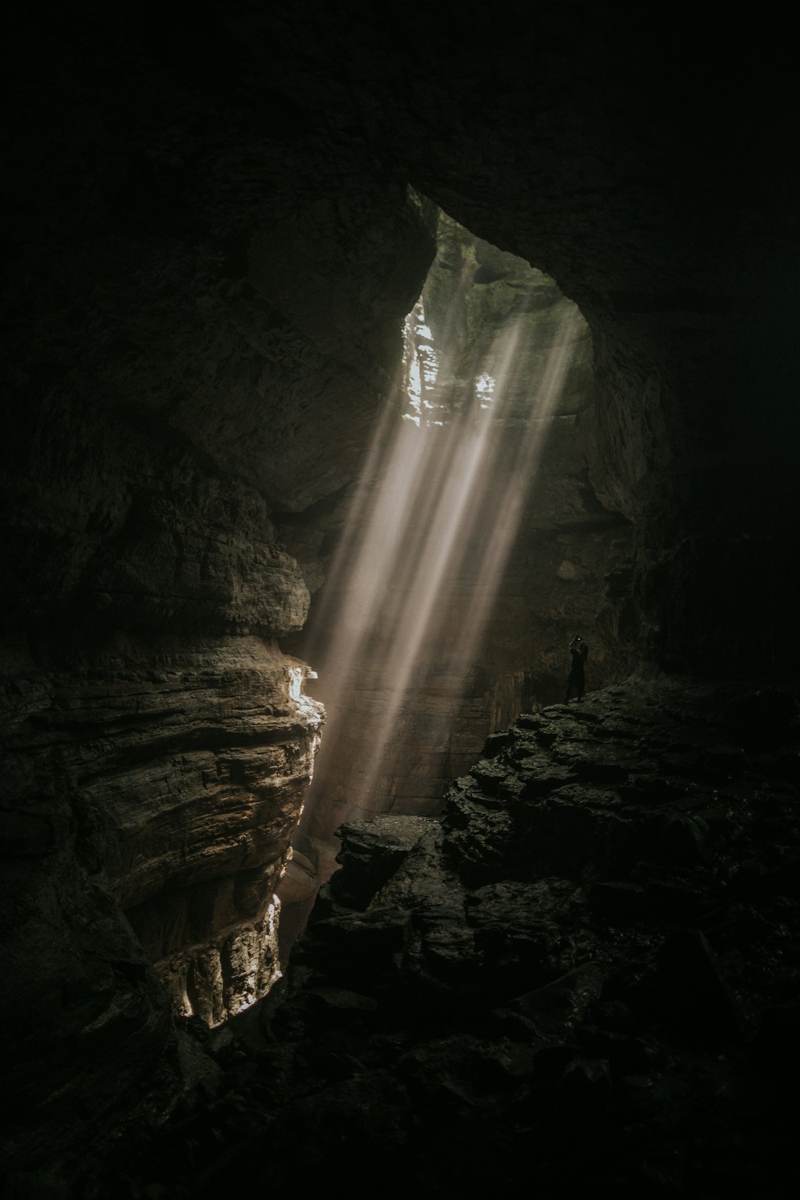
A group of young men walk into town to buy bread. One hands over a coin. The baker turns it over, frowns, and calls his neighbours: the coin is centuries old. Where did he find treasure? The young man is bewildered. He only went to sleep last night. Then he sees the crosses on the buildings, in a city where, as far as he knows, Christians are hunted.
That is the moment at the heart of the story of the Sleepers of Ephesus, told by Christians since the fifth century. It is also the story of the People of the Cave in the Qur’an, which gives its name to Surah al-Kahf, read by many Muslims every Friday. Caves in Turkey and Jordan both claim to be the place.
“Or deemest thou that the People of the Cave and the Inscription are a wonder among Our portents? When the young men fled for refuge to the Cave and said: Our Lord! Give us mercy from Thy presence, and shape for us right conduct in our plight.”
Qur'an 18:9–10 · Pickthall (1930)
Muslim tradition says the story was revealed after people in Makkah, advised by Jewish scholars in Madinah, put three questions to the Prophet Muhammad ﷺ (peace be upon him), including one about young men who disappeared long ago. The Qur’an answers by telling the story, while warning against arguing over details God has not made clear (18:22).
The world behind the story
The Christian legend is set in Ephesus, a great Roman city on the west coast of what is now Turkey. Its ruins, near the modern town of Selçuk, are a UNESCO World Heritage Site. The young men flee the persecution of Emperor Decius, who in 250 CE ordered everyone in the empire to sacrifice to the Roman gods. They wake in the reign of Theodosius II (408–450), when Christianity was the empire’s religion. That gap is about 160 to 200 years, depending on the version.
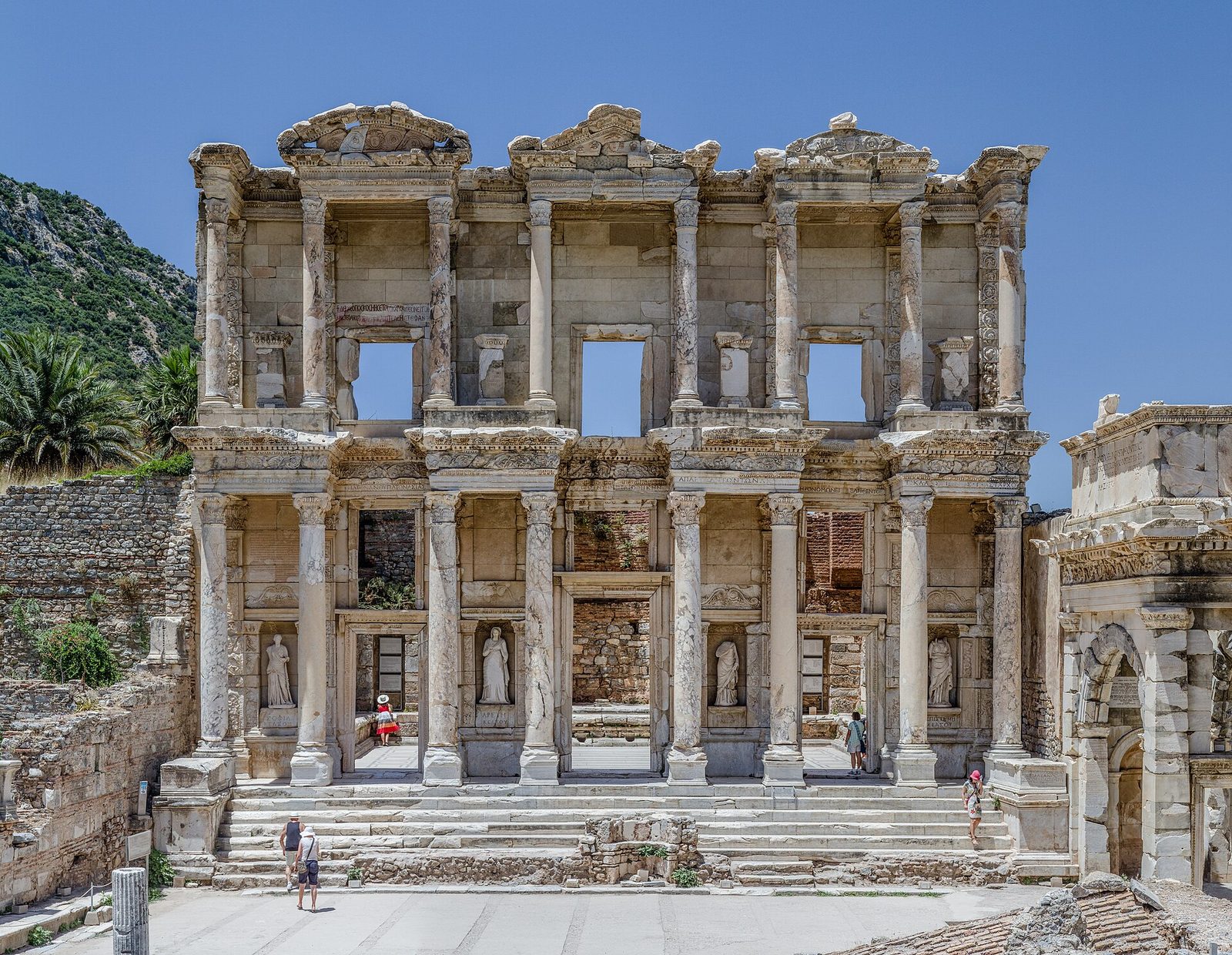
The story was being told within a few decades of Theodosius. The Syriac poet and bishop Jacob of Serugh (died 521) wrote a verse homily about the sleepers; Gregory of Tours told it in Latin later in the sixth century. On the slope of Mount Panayır at Ephesus, Austrian archaeologists in 1926–28 excavated a complex of catacombs and a church built over a cave. Hundreds of graves and inscriptions show that pilgrims came there for centuries, many wishing to be buried near the sleepers.
Ephesus is not the only claimant. Near Tarsus in southern Turkey, the cave of Eshab-ı Kehf is a place of Muslim pilgrimage. In Jordan, at al-Rajib near Amman, the Jordanian archaeologist Rafiq Wafa al-Dajani excavated a cave in 1963 with Byzantine tombs and a mosque above it. He argued it was the Qur’an’s cave. Its name, Kahf ar-Raqim, echoes the Qur’an’s “Cave and the Raqim”, a word commentators read as an inscription, a tablet, a place or a dog’s name.
Historians cannot say whether a group of young men really slept for centuries; a human body cannot survive that long without food and water by any natural process. For Christians and Muslims, the story is a sign that God can do what nature cannot, and that the dead will be raised. In Germany, 27 June is still called Siebenschläfertag, Seven Sleepers’ Day, and folk wisdom says that the weather that day will last for seven weeks.
What each faith says
Judaism
“Behold, He that keepeth Israel Doth neither slumber nor sleep.”
Psalms 121:4 · JPS 1917
This is not a Jewish story, and Jewish scripture has no version of it. Jewish tradition has its own sleeper, and his story asks a different question.
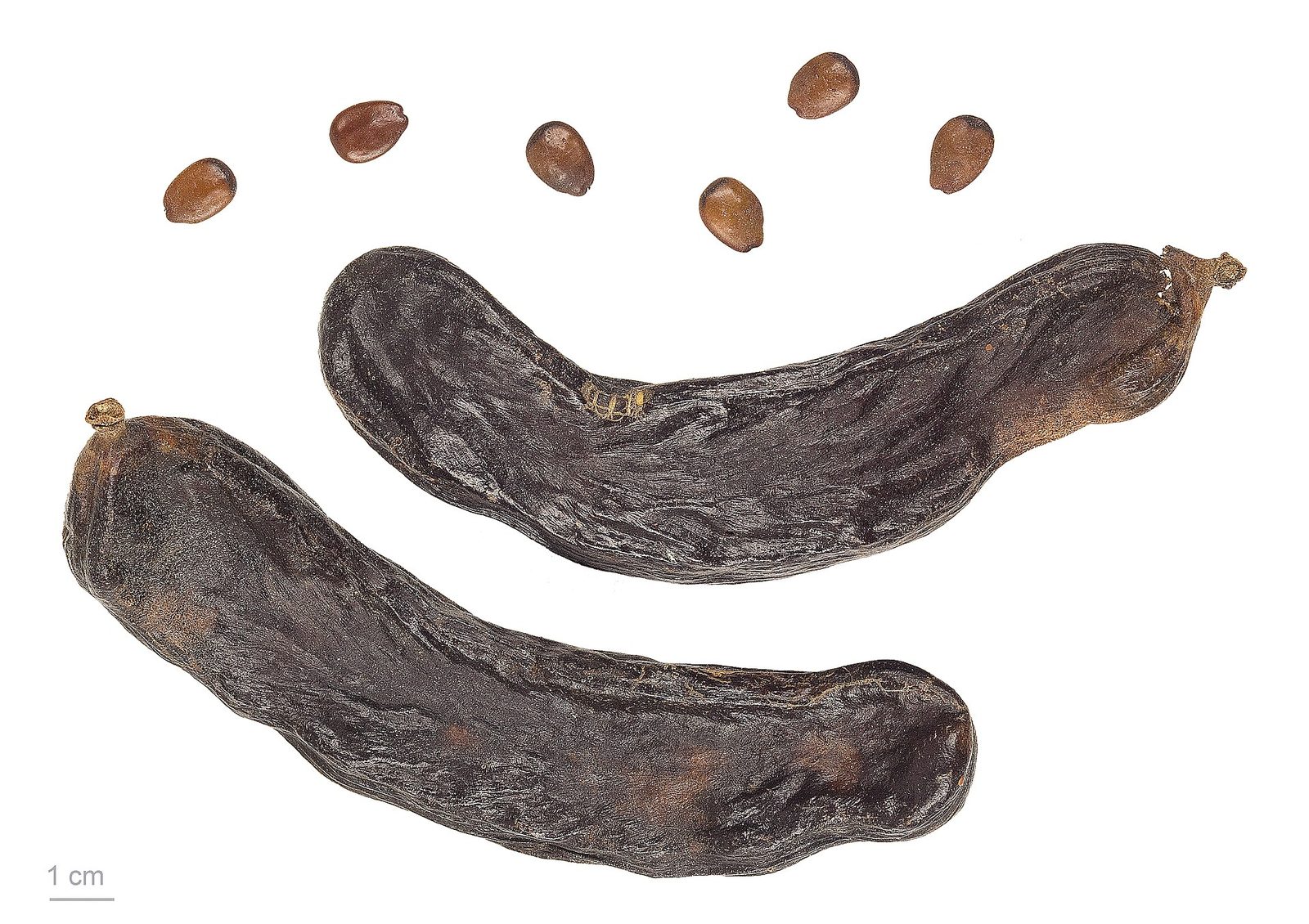
The Talmud tells of Honi the Circle-Maker, a sage famous for his prayers for rain. Once, in a drought, he drew a circle on the ground, stood inside it and told God he would not move until the rain came. One day he met a man planting a carob tree, which takes seventy years to bear fruit, and asked why. “Just as my fathers planted for me, so I too plant for my children,” the man said. Honi fell asleep and woke seventy years later. He saw the planter’s grandson eating its fruit, and found that no one in the study house believed who he was. Heartbroken, he prayed to die (Ta’anit 23a). Honi’s story is about how much a person needs friendship and community: “either companionship or death”.
The planter’s words have become a Jewish motto for the future. On Tu Bishvat, the New Year for Trees, many Jewish schools and families plant saplings and eat carob, and Honi’s planter is quoted in classrooms from Manchester to Melbourne.
Christianity
“For if we believe that Jesus died and rose again, even so God will bring with him those who have fallen asleep in Jesus.”
1 Thessalonians 4:14 · WEB
In the Christian legend, seven young Christians of Ephesus refuse to sacrifice to the gods under Decius and hide in a cave on Mount Anchilus. They are often named Maximian, Malchus, Martinian, Dionysius, John, Serapion and Constantine (names vary). The emperor has the cave sealed with them inside. Centuries later a landowner opens it. The sleepers wake, thinking one night has passed. One goes into the city and is astonished to see crosses on the gates. He is arrested for the ancient coins he carries. The bishop and the emperor Theodosius come to the cave, and the sleepers tell their story before falling asleep again in death.
The story was told at a time when Christians were arguing over whether the dead would rise in the body. It became a vivid sign of the resurrection. The Seven Sleepers are honoured as saints in Catholic and Orthodox churches: in the West on 27 July, and in the Orthodox calendar on 4 August and 22 October. Paul’s phrase for the Christian dead, those who “have fallen asleep”, gave the story its deepest meaning.
Islam
“They will say, “Three, the fourth of them their dog,” and they will say, “Five, the sixth of them their dog,” guessing at the unseen; and they will say, “Seven, and the eighth of them their dog.” Say: “(Some) will say: They were three, their dog the fourth, and (some) say: Five, their dog the sixth, guessing at random; and (some) say: Seven, and their dog the eighth. Say (O Muhammad): My Lord is Best Aware of their number. None knoweth them save a few. So contend not concerning them except with an outward contending, and ask not any of them to pronounce concerning them.”
Qur'an 18:22 · Pickthall (1930)
The Qur’an tells the story in Surah al-Kahf (18:9–26). The young men “We narrate unto thee their story with truth. Lo! they were young men who believed in their Lord, and We increased them in guidance.” (18:13, Pickthall). They leave their people’s idols and take refuge in a cave. God seals their ears in sleep. The sun, as it rises, inclines away from their cave to the right, and as it sets passes them on the left, while they lie in its open space (18:17). Anyone who looked would think them awake, and God turns them on their right and left sides, “And thou wouldst have deemed them waking though they were asleep, and We caused them to turn over to the right and the left, and their dog stretching out his paws on the threshold. If thou hadst observed them closely thou hadst assuredly turned away from them in flight, and hadst been filled with awe of them.” (18:18, Pickthall).
When they wake, they think they have slept “They said: We have tarried a day or some part of a day, (Others) said: Your Lord best knoweth what ye have tarried.” (18:19, Pickthall). They send one of their number to the city with silver coins, telling him to be discreet. The Qur’an notes that people will argue about how many there were, three, five or seven, and says: “(Some) will say: They were three, their dog the fourth, and (some) say: Five, their dog the sixth, guessing at random; and (some) say: Seven, and their dog the eighth. Say (O Muhammad): My Lord is Best Aware of their number. None knoweth them save a few. So contend not concerning them except with an outward contending, and ask not any of them to pronounce concerning them.” (18:22, Pickthall). It gives their time in the cave as “And (it is said) they tarried in their Cave three hundred years and add nine.” (18:25, Pickthall), and then adds at once: “God knows best how long they stayed.” The story, the Qur’an says, is a sign that “And in like manner We disclosed them (to the people of the city) that they might know that the promise of Allah is true, and that, as for the Hour, there is no doubt concerning it.” (18:21, Pickthall).
Same and different
Christians and Muslims share the core. Young believers flee persecution, sleep in a cave for centuries and wake thinking it was a single night. They become a sign that God raises the dead. Both include the bewildered trip to town with old coins. They differ in what they fix and what they leave open. The Qur’an leaves the number deliberately open, adds the faithful dog, and turns the debates themselves into a lesson in humility. The Christian legend gives the place, the emperors and seven names. Judaism has no version. Muslim tradition connects the revelation with questions suggested by Jewish scholars in Madinah, which may show the story was known among Jews of Arabia. Judaism’s own sleeper, Honi, wakes not as a sign of resurrection but to a world without his friends, and his story is about community.
A moment to reflect
- If you woke up after three hundred years, what would you want to know first?
- The Qur’an tells people not to argue over the number of sleepers. What arguments today are about details rather than what matters?
- Honi said, “either companionship or death.” Who would you need around you to feel at home?
- Have you ever come back after a long time away and found everything had changed? What helped you find your feet?
Watch
The Christian legend of the Seven Sleepers of Ephesus told from early sources.
A visit to Kahf ar-Raqim near Amman, the Jordanian cave linked with the Qur’an’s story.
The cave near Tarsus in Turkey, another site linked with the sleepers.
Surah al-Kahf, the chapter that tells the story, recited by Mishary Rashid Alafasy.
Do it together
Make a time capsule to open in ten years. Put in a coin, a photo and a letter to your future self. Talk about what might have changed by the time you open it, like the sleepers’ coins.
Many Muslims read Surah al-Kahf on Fridays. Invite neighbours to a mosque or community room for a short reading of 18:9–26 with translation, and a Christian reading of the legend from Gregory of Tours.
Honi was puzzled by a man planting a tree for his grandchildren. Plant a fruit tree together in a school or community garden, for people who will come after you.
Go deeper
- Surah al-Kahf 18:9–26 (Quran.com) · scripture
- Seven Sleepers of Ephesus (Encyclopaedia Britannica) · article
- Ta’anit 23a, Honi the Circle-Maker (Sefaria) · scripture
- Ephesus (UNESCO World Heritage) · article
- 1 Thessalonians 4 (Bible Gateway, WEB) · scripture
Check yourself
Three quick questions. No score, nothing saved.
1. How long do the young men think they slept?
2. Which surah carries the story and is read by many Muslims on Fridays?
3. Which is the best-known site claimed for the cave?
Sources (7)
- Decius’ edict of 250 CE: Encyclopaedia Britannica, Decius
- Legend: Decius to Theodosius II; Jacob of Serugh and Gregory of Tours: Encyclopaedia Britannica, Seven Sleepers of Ephesus
- Austrian excavation of the Seven Sleepers cemetery church, 1926–28: Austrian Archaeological Institute, Ephesus
- Al-Rajib cave excavated by Rafiq al-Dajani, 1963: Madain Project, Cave of the Seven Sleepers
- Feast days 27 July (West), 4 Aug and 22 Oct (Orthodox): Orthodox Church in America, Seven Holy Youths of Ephesus
- Siebenschläfertag, 27 June: Wikipedia (German), Siebenschläfertag
- Honi’s seventy-year sleep: Ta’anit 23a (Sefaria)