Get on a bus in East London, Birmingham or Bradford and listen. Within a few stops you might hear Bengali, Polish, Somali, Urdu, Yoruba, Romanian and a dozen kinds of English. Look around and you will see every shade of skin there is.
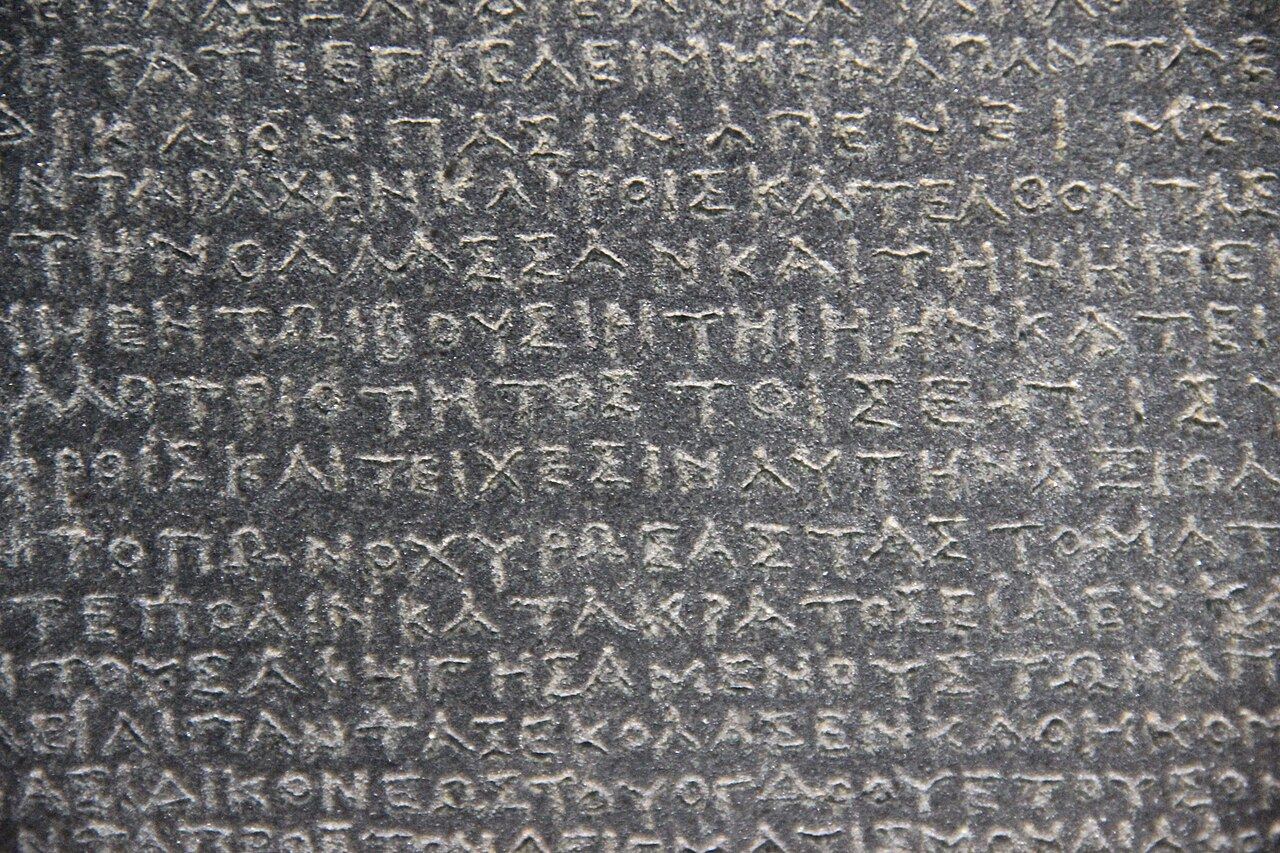
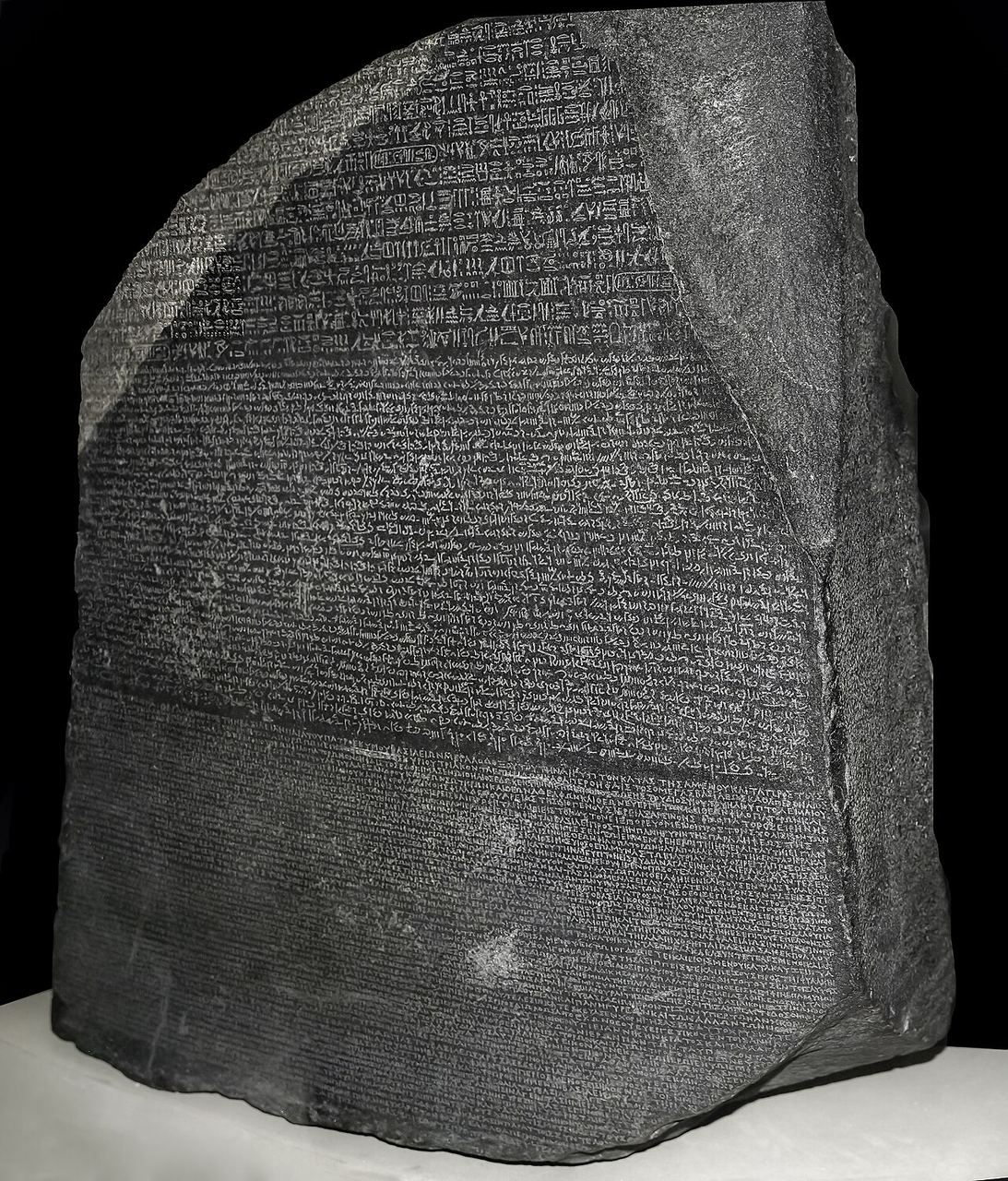
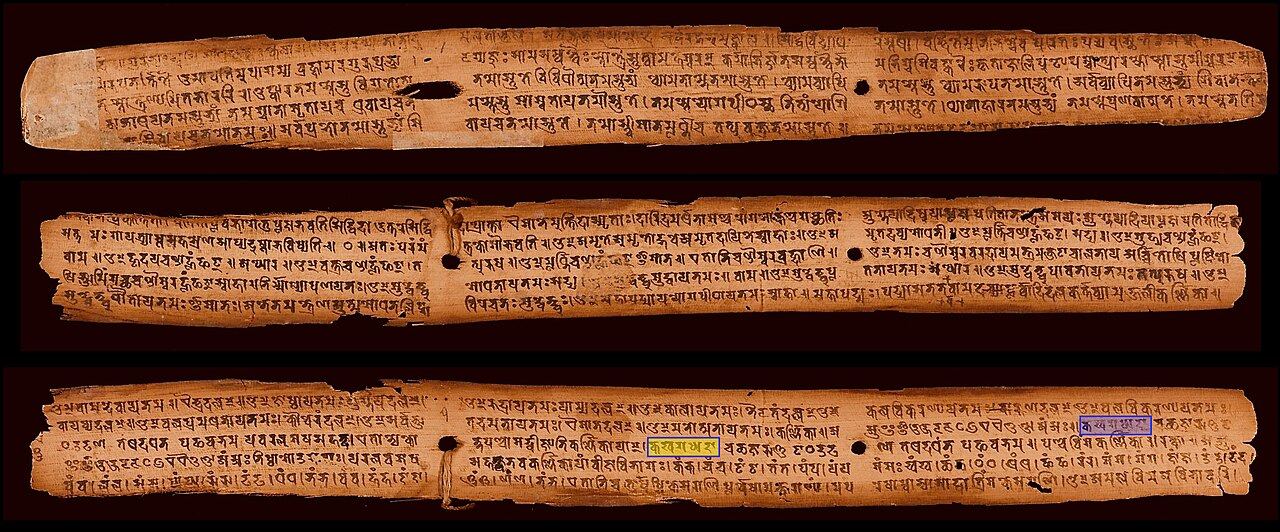
Some people hear that and feel uneasy. The Qur'an hears it and puts it in a list of God's signs, right next to the creation of the heavens and the earth. Our differences are not a problem to be fixed. They are something to wonder at.
“And of His signs is the creation of the heavens and the earth, and the difference of your languages and colours. Lo! herein indeed are portents for men of knowledge.”
Qur'an 30:22 · Pickthall (1930)
This verse sits in a run of “among His signs” verses in the chapter ar-Rūm, The Romans: sleep, rain, lightning, love between spouses. It is often read beside 49:13: “O people, We created you from a male and a female, and made you peoples and tribes so that you may come to know one another. The noblest of you in God's sight is the most mindful of Him” (our rendering). Difference is for knowing each other, not for ranking each other.
What science shows
Linguists count around 7,000 living languages. Ethnologue, the most widely used catalogue, lists about 7,170 in its 2026 edition. They are not spread evenly: Papua New Guinea alone has over 800, while about half the world's people speak one of just a couple of dozen big languages. The United Nations estimates that around 40% of the world's languages are at risk of disappearing, many with only a few elderly speakers left.
Babies are born ready for any of them. Research by Patricia Kuhl and others shows that newborns can tell apart the speech sounds of every human language. By about their first birthday they become specialists in the sounds they hear around them. A baby born in Leeds could just as easily have grown up speaking Tamil or Welsh.
Skin colour is one of the most visible ways humans differ, and one of the shallowest in our genes. All humans share about 99.9% of their DNA. Skin colour comes mostly from melanin, and the amount we make is shaped by a handful of gene variants. A 2017 study in Science, led by Nicholas Crawford and Sarah Tishkoff, looked at more than 2,000 people across Africa. It found that many variants for both lighter and darker skin are very old, older than modern humans themselves, and are found side by side within Africa.
Why the range? The anthropologist Nina Jablonski explains it as a balance with sunlight. Darker skin protects against strong ultraviolet light, which can break down an important vitamin, folate. Lighter skin lets more weak sunlight through to make vitamin D in places far from the equator. As humans spread across the world, skin colour followed the sun.
London is one of the most multilingual cities on Earth: a survey of London schoolchildren found more than 300 languages spoken in their homes. Science shows what the verse invites us to notice. Underneath the variety is one human family.
What each faith says
Judaism
“For then will I turn to the peoples A pure language, That they may all call upon the name of the LORD, To serve Him with one consent.”
Zephaniah 3:9 · JPS 1917
The Torah tells two stories about many peoples. Genesis 10 lists the nations descended from Noah, each “after their tongues”. Genesis 11 tells of Babel, where one language is scattered into many. Jewish commentators read Babel in different ways. Many see the scattering not as a curse but as God preventing one people from forcing everyone into a single tower and a single will.
The Mishnah, the first great written collection of rabbinic teaching, from around 200 CE, gives a teaching that speaks straight to this verse. Humanity was created from one person, Adam, so that no one could say “my father is greater than yours”. And it adds a wonder. A human stamps many coins with one seal and they all come out the same. But God stamped every person with the seal of the first human, and not one is like another (Mishnah Sanhedrin 4:5, our rendering).
Christianity
“How do we hear, everyone in our own native language?”
Acts 2:8 · WEB
At Pentecost, fifty days after Easter, the Book of Acts describes the apostles speaking. A crowd from all over the known world hears them, each in their own native language. Christians often see this as a reversal of Babel: not everyone forced into one language, but one message heard in many. Many churches mark Pentecost by reading Acts 2 aloud in all the languages of the congregation at once. Pentecostal churches, many of them Black-majority congregations in British cities, take their name from this day.
The last book of the Bible pictures a crowd before God's throne that no one could count, from every nation, tribe, people and language. Paul writes that in Christ “there is neither Jew nor Greek”: not that differences vanish, but that none of them makes anyone more or less belonging.
Islam
“O mankind! Lo! We have created you male and female, and have made you nations and tribes that ye may know one another. Lo! the noblest of you, in the sight of Allah, is the best in conduct. Lo! Allah is Knower, Aware.”
Qur'an 49:13 · Pickthall (1930)
In Islam, variety is a sign of al-Badīʿ, the Originator who creates without copying. The Prophet Muhammad ﷺ (peace be upon him) spoke about this in a sermon during his Farewell Pilgrimage. No Arab has any superiority over a non-Arab, he said, nor a non-Arab over an Arab. Nor has a light-skinned person over a black person, nor a black person over a light-skinned person, except by goodness and mindfulness of God (reported in Musnad Ahmad 23489).
The first person to give the call to prayer was Bilal ibn Rabah, a formerly enslaved man from Ethiopia, chosen for his beautiful voice. On Hajj every year, millions of pilgrims of every colour and language dress in the same simple white cloth and stand side by side. The verse says these are signs “for those who know”, people who have learned enough to see.
Same and different
All three faiths teach that humanity is one family descended from one ancestor, and that no people is better than another by birth. They tell the story of many languages differently. Judaism tells it through Babel and the hope of a shared “pure language”. Christianity tells it through Pentecost's many tongues and one message. Islam calls variety itself a sign of God, to be met with curiosity rather than suspicion.
A moment to reflect
- How many languages are spoken on your street, at your school or at work? Have you ever asked?
- Is there a word in another language you love because English has nothing like it?
- What would change if you saw people who look different from you as a sign rather than a puzzle?
- Why might a scripture put human variety in the same breath as the heavens and the earth?
Watch
How one language becomes many over time.
The science of skin colour, melanin and sunlight.
Why counting languages is harder than it sounds.
A short HHMI animation on how skin colour evolved.
Do it together
Put up a large sheet and ask everyone to write “hello” or “peace” in every language spoken in their family. Count the languages at the end. Many groups are surprised.
On a walk down a local high street, note shop signs in different scripts. Back home, find each language on a world map and talk about how it got here.
At a bring-a-dish meal, each household teaches the table one phrase from home and says the name of their dish in that language. Read Qur'an 49:13 and Acts 2:8 before eating.
Read the Mishnah's teaching about the coins (Sanhedrin 4:5). Make a potato or rubber stamp and print a row: every print comes out the same. Then press everyone's thumbprint in a row beside it and spot the differences.
At Pentecost, in May or June, many churches read Acts 2 aloud in every language spoken in the congregation at once. Ask a local church if you can come and listen, or try it with friends: one short passage, every language in the room.
Go deeper
- Qur'an 30:22 with translations · scripture
- Mishnah Sanhedrin 4:5 on Sefaria · scripture
- Acts 2 (WEB) on Bible Gateway · scripture
- Crawford et al. 2017, skin pigmentation variation in Africans · paper
- Ethnologue: How many languages are there in the world? · article
In pictures
Try this · All · 30 min · Art
Every shade, every word
You need: paints: white, brown, yellow, red, black, a palette or plate, paper, a list of friends or family to ask
- Mix paint to match the back of your hand exactly. Paint a hand-shaped patch.
- Let others in your group do the same. Put the patches side by side.
- Now collect how each person, or their grandparents, says 'thank you'.
- Write each 'thank you' beside a patch.
- Notice: no two are the same.
Safety: Check paints are washable and non-toxic.
The Qur'an files our languages and colours under its wonders: differences to marvel at, not to fear.
Sources (7)
- About 7,170 living languages: Ethnologue, 2026 edition (summary)
- Around 40% of languages at risk of disappearing: UN DESA, International Year of Indigenous Languages, 2019
- Infants distinguish speech sounds of all languages, then specialise by about 12 months: Kuhl, Nature Reviews Neuroscience, 2004
- Humans share about 99.9% of DNA: NHGRI, Genetics vs genomics fact sheet
- Skin colour variants in Africans are old and diverse: Crawford et al., Science, 2017
- Skin colour as a balance between folate protection and vitamin D: Jablonski & Chaplin, PNAS, 2010
- More than 300 languages spoken by London schoolchildren: Baker & Eversley (eds), Multilingual Capital, 2000 (University of Westminster repository)