Scripture
The Bible
The Word of God, as Christians say
Written by many hands over more than a thousand years, in Hebrew, Aramaic and Greek, and read aloud in churches every Sunday for two thousand years.
The one-minute snapshot
Christians call the Bible the Word of God: inspired by God and written by many human authors. It has two parts. The Old Testament holds the scriptures of Israel, shared with the Hebrew Bible but ordered differently. The New Testament, 27 books in Greek, tells of Jesus and the first churches.
“v”
2 Timothy 3:16, World English Bible, British Edition · eBible.org
- 66books in most Protestant BiblesBibleGateway
- 73in Catholic Bibles; 76 in Eastern Orthodox; 81 in the Ethiopian Orthodox ChurchBibleGateway
- 27books of the New Testament, shared by all
- 1,189chapters in a 66-book Bible
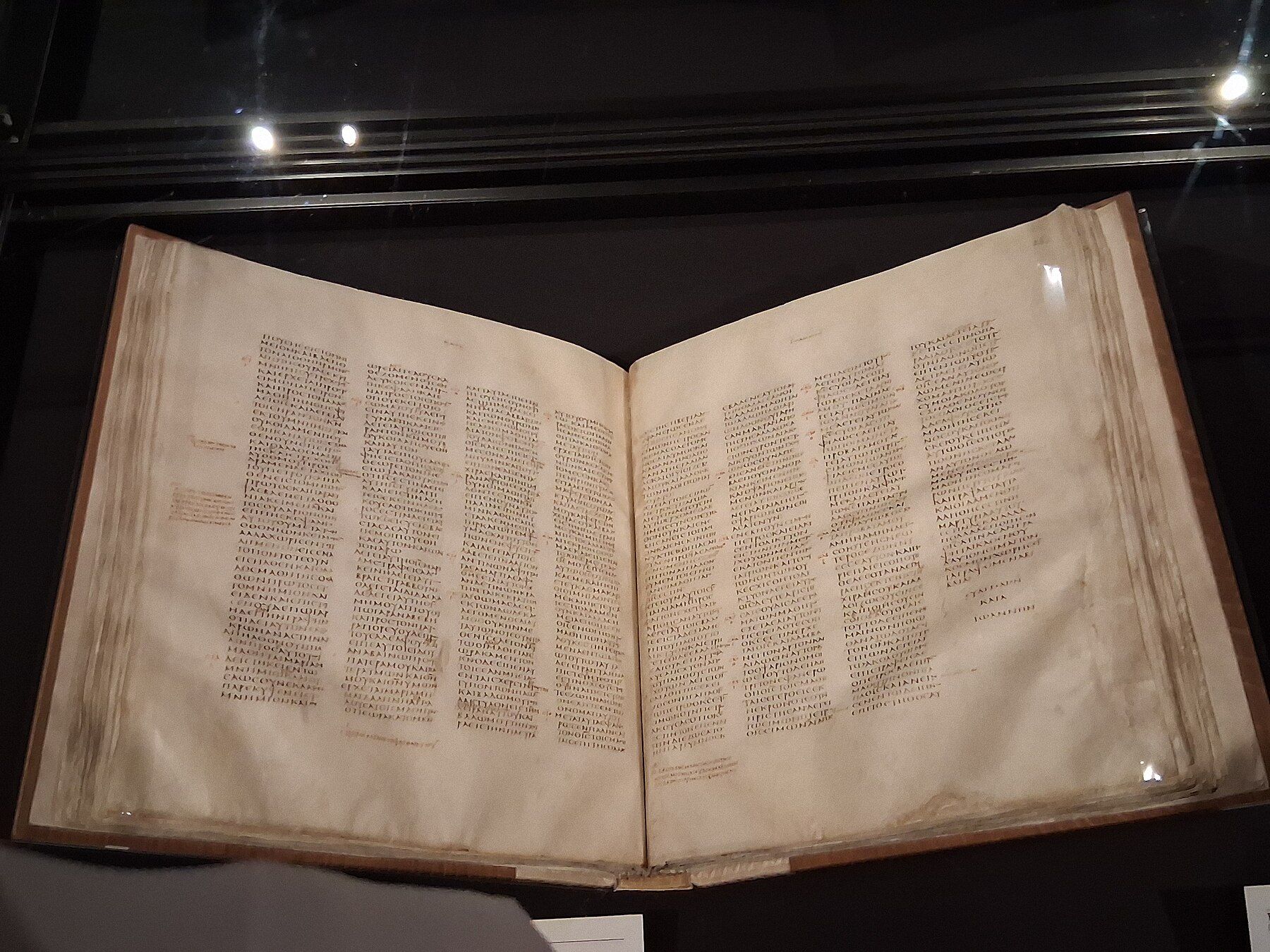
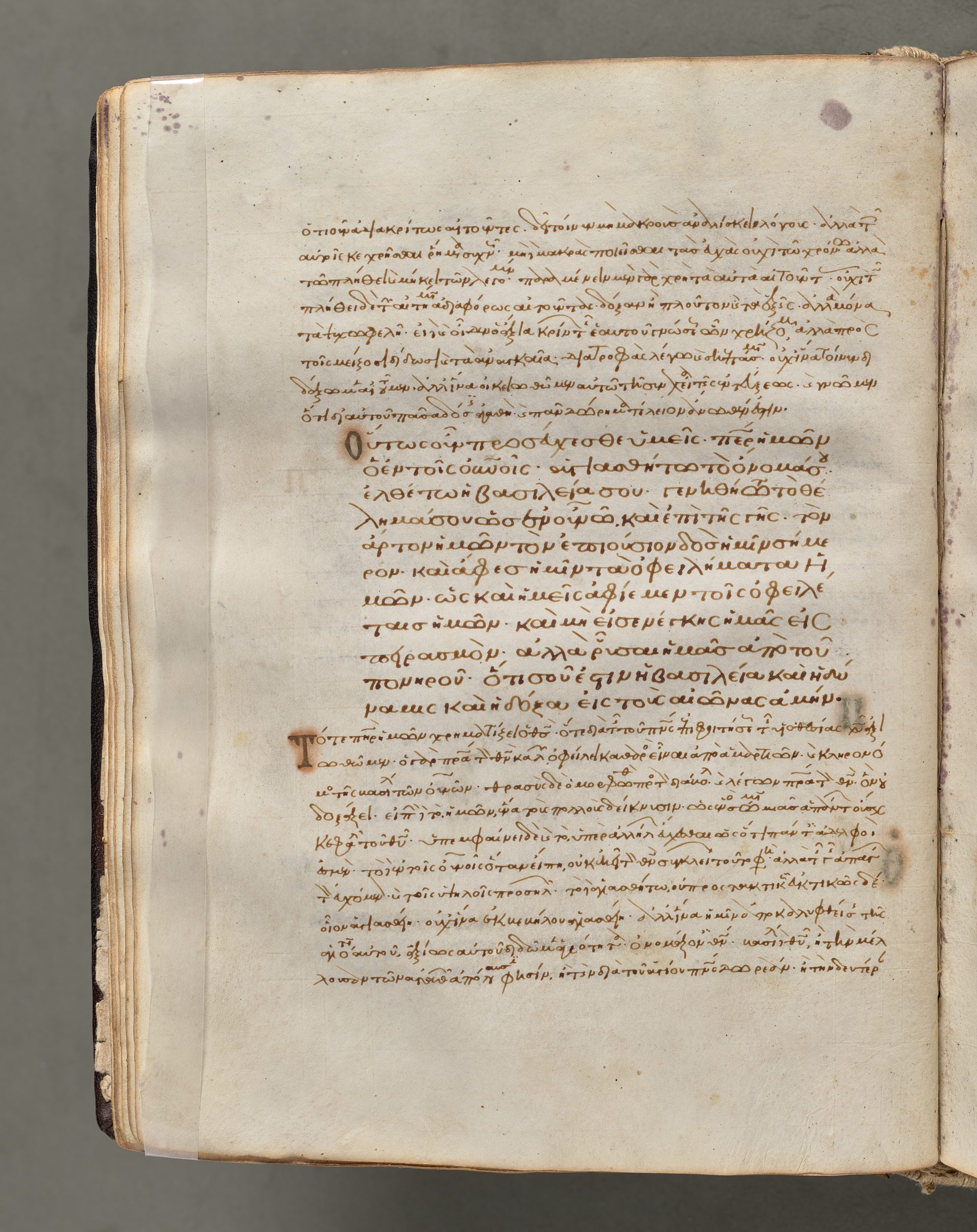
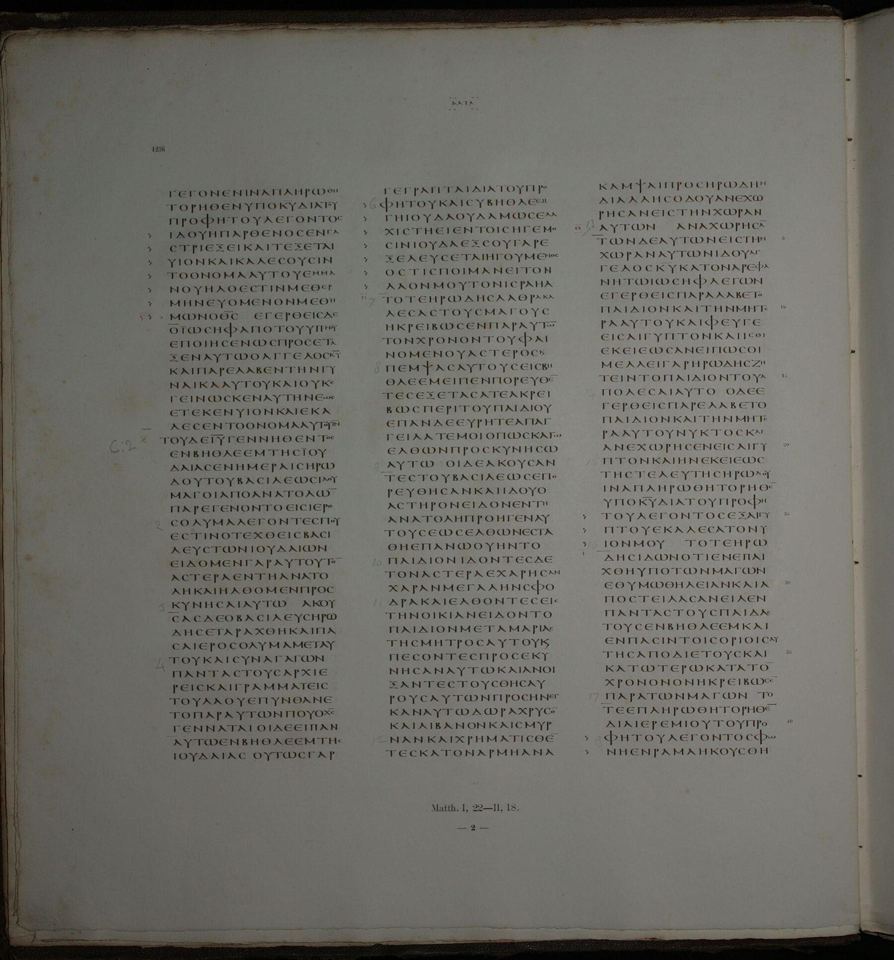
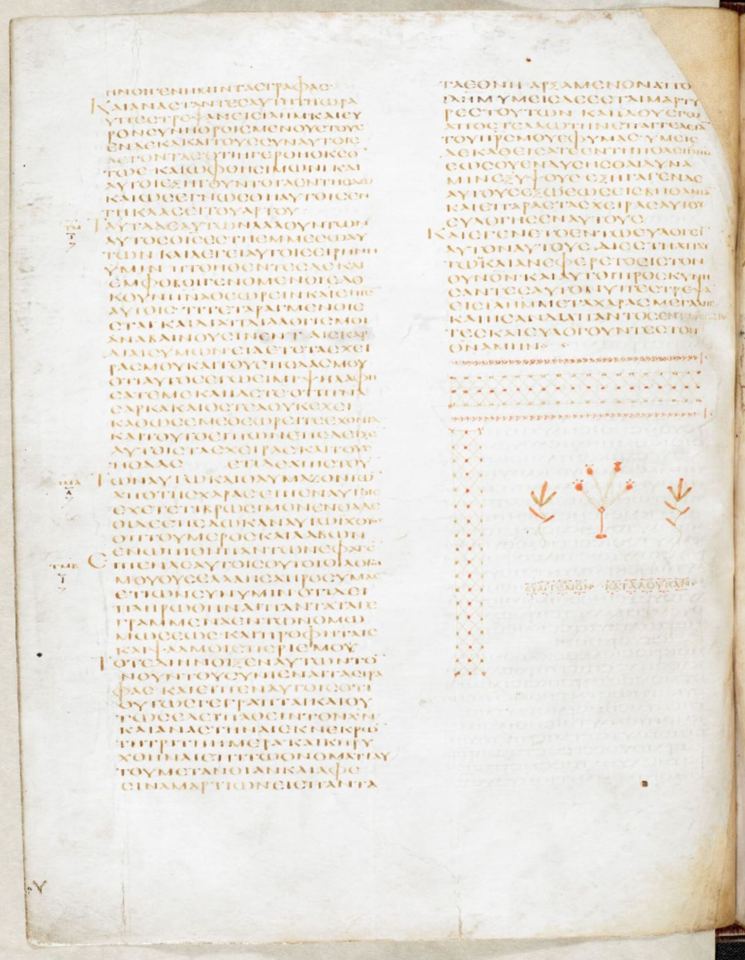
- 4th centuryCodex Sinaiticus, one of the oldest complete Bibles, mostly in the British Library
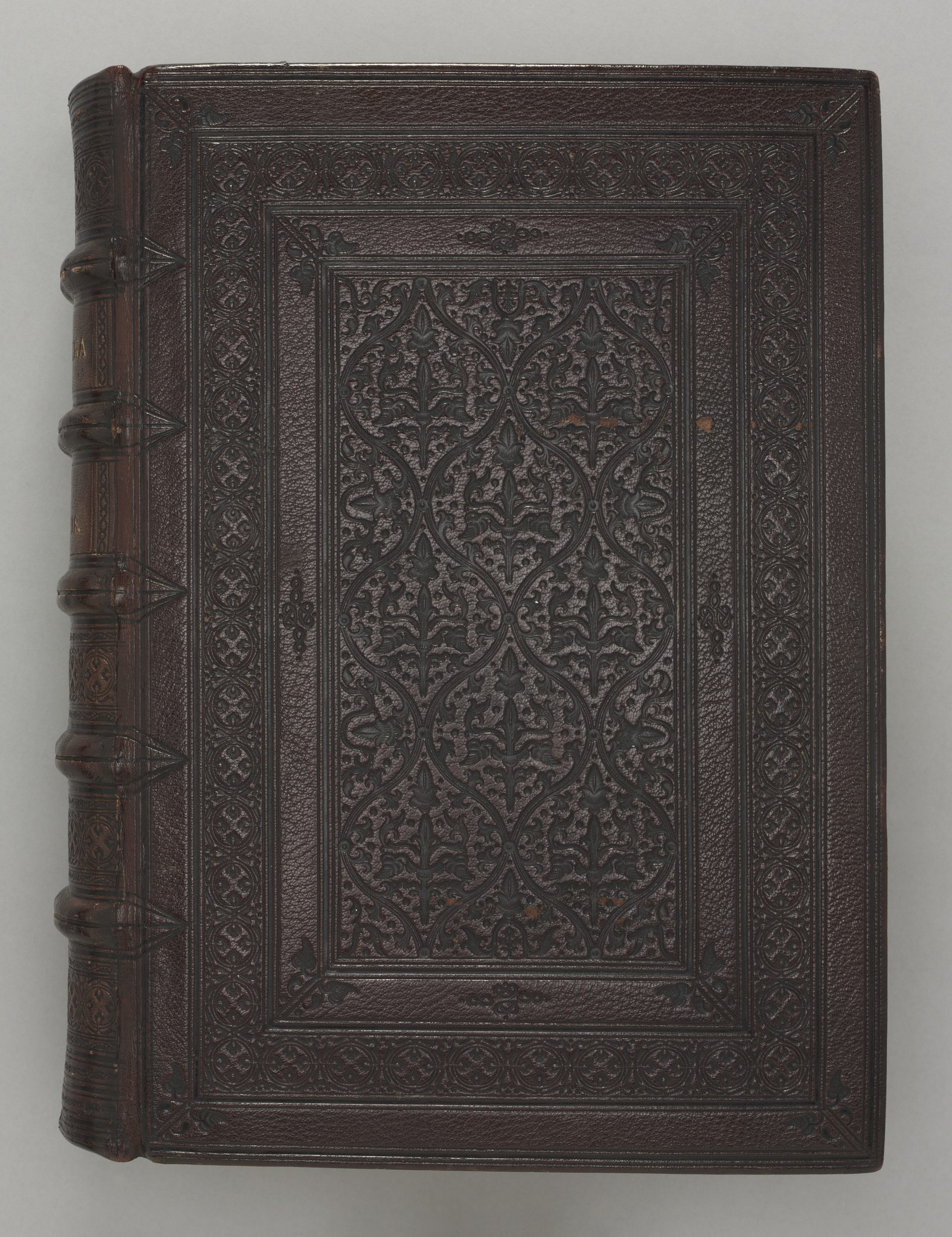
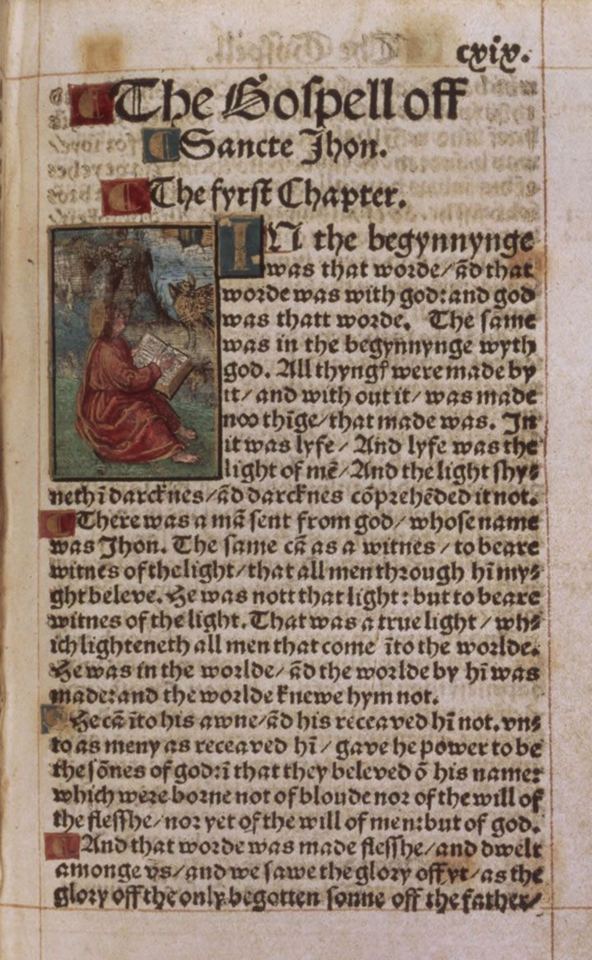
- 1526Tyndale's New Testament, the first printed in English
Hear the Bible read aloud
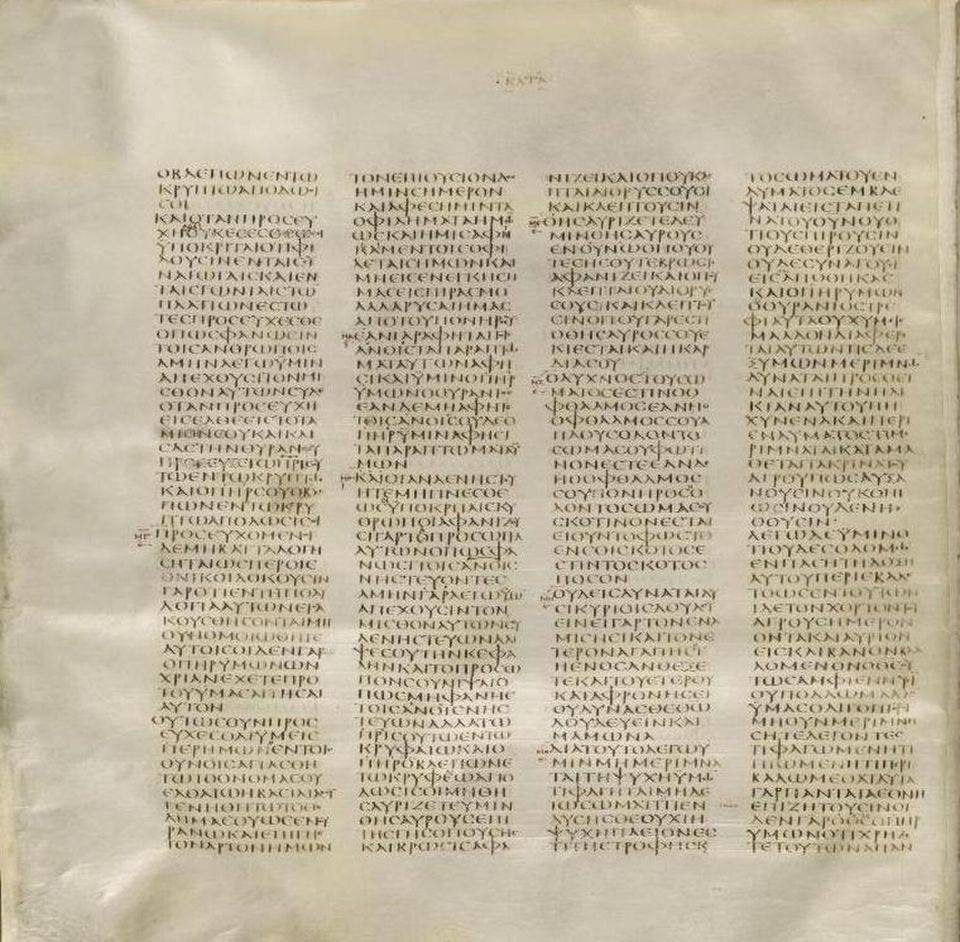 British Library · Wikimedia Commons · Public domain
Listen
Every chapter, read aloud
All 66 books and 1,189 chapters of the World English Bible, read by Winfred Henson, with the British Edition text on screen. Tap any verse to hear it, repeat it or share it.
Go deeper
Seven short layers. Open whichever you like, in any order.
What it isInspiration, and the Word, as Christians describe them
Christians believe God speaks through the Bible: through the prophets and the apostles, in human words and human languages. The Gospel of John begins with a line that gives Christians another meaning of “the Word”:
“n”
John 1:1, World English Bible, British Edition · eBible.org
For Christians “the Word” here is Christ himself, and the whole Bible is read in his light. That is why this site says “Scripture” for the books, and keeps “The Word” for the meaning of the name Allah.
How it came to beAs Christians hold, and as scholars discuss
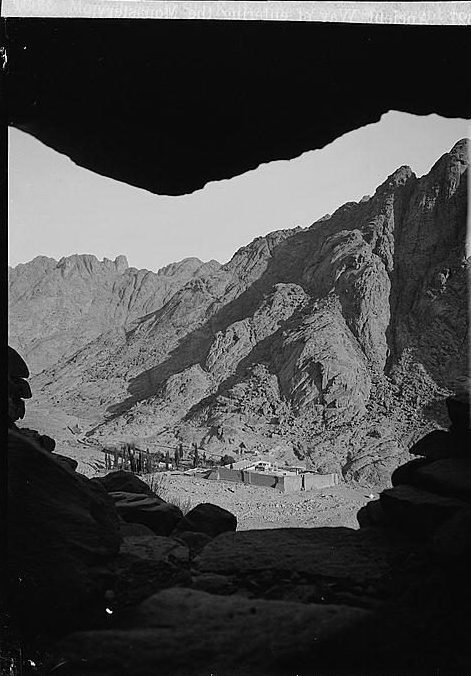
As Christians hold
God spoke through prophets and apostles, and the churches, guided by the Spirit, recognised which books belonged.
As scholars discuss
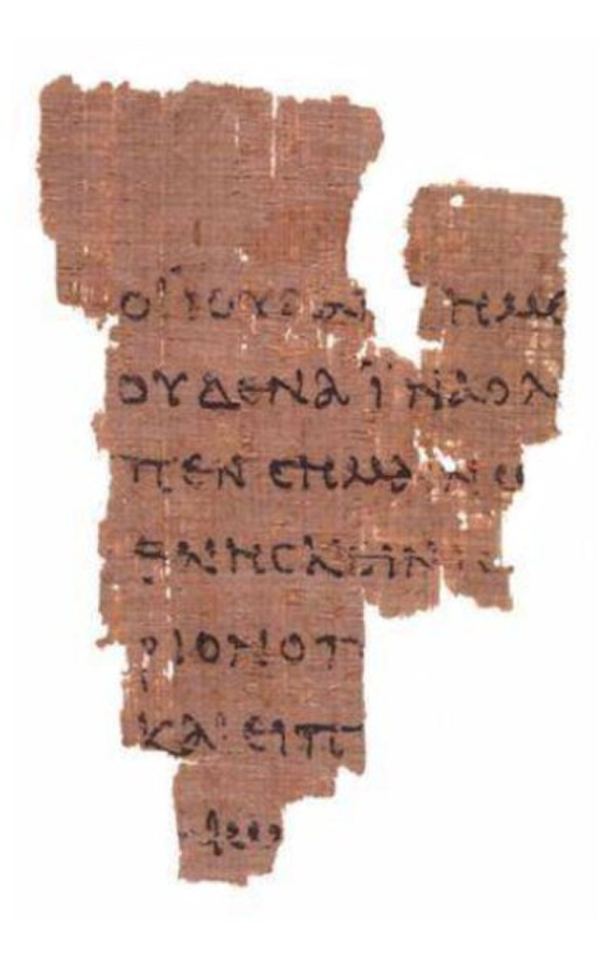
Paul's letters (the 50s CE) are the earliest New Testament writings, and the Gospels are usually dated between about 65 and 100 CE. Early Christians read the Old Testament largely in Greek, in the Septuagint. Lists of the 27 New Testament books appear by the 4th century, as in Athanasius's letter of 367 CE. Among the oldest manuscripts are P52, a scrap of John often dated to the 2nd century and kept in Manchester, and the great 4th- and 5th-century codices Sinaiticus, Vaticanus and Alexandrinus.
How it is builtTwo testaments, and different Bibles for different churches
| Church | Books | Notes |
|---|---|---|
| Most Protestant | 66 | 39 Old Testament, 27 New |
| Catholic | 73 | Adds Tobit, Judith, Wisdom, Sirach, Baruch, 1–2 Maccabees, and parts of Esther and Daniel |
| Eastern Orthodox | 76 | Adds further books, such as the Prayer of Manasseh and Psalm 151 |
| Ethiopian Orthodox | 81 | Includes Enoch and Jubilees |
Old Testament: Law, History, Wisdom and Poetry, Prophets. New Testament: Gospels, Acts, Letters, Revelation. Chapter and verse numbers came much later, in the Middle Ages and the 16th century.
How it is read and honouredLectionaries, the Gospel procession, the eagle lectern
- Many churches read set passages through the year from a lectionary: the Revised Common Lectionary's three-year cycle is used, with local changes, by the Church of England, the Methodists and the United Reformed Church; the Catholic Church has a three-year Sunday cycle.
- In Orthodox churches the Gospel book is carried in procession and chanted, and the people stand. In many churches everyone stands for the Gospel.
- English parish churches often read from a brass eagle lectern, and a Bible is presented at ordinations and at the coronation.
- Prayerful reading (Lectio Divina) and Bible study groups.
“o”
Psalm 119:105, World English Bible, British Edition · eBible.org
In EnglishWycliffe, Tyndale, the King James, and today
Wycliffe's Bible (1380s), Tyndale's New Testament (1526), Coverdale (1535), the Great Bible (1539), the Geneva Bible (1560), Douay–Rheims (1582/1610), the King James Version (1611), then the RV, RSV, Jerusalem Bible, NEB, Good News, NIV, NRSV and ESV.
This site quotes the World English Bible, British Edition, which is in the public domain. Arabic-speaking Christians have read the Bible in Arabic for well over a thousand years: see Paul's letters in Arabic, 867 CE.
See it in BritainBibles you can see
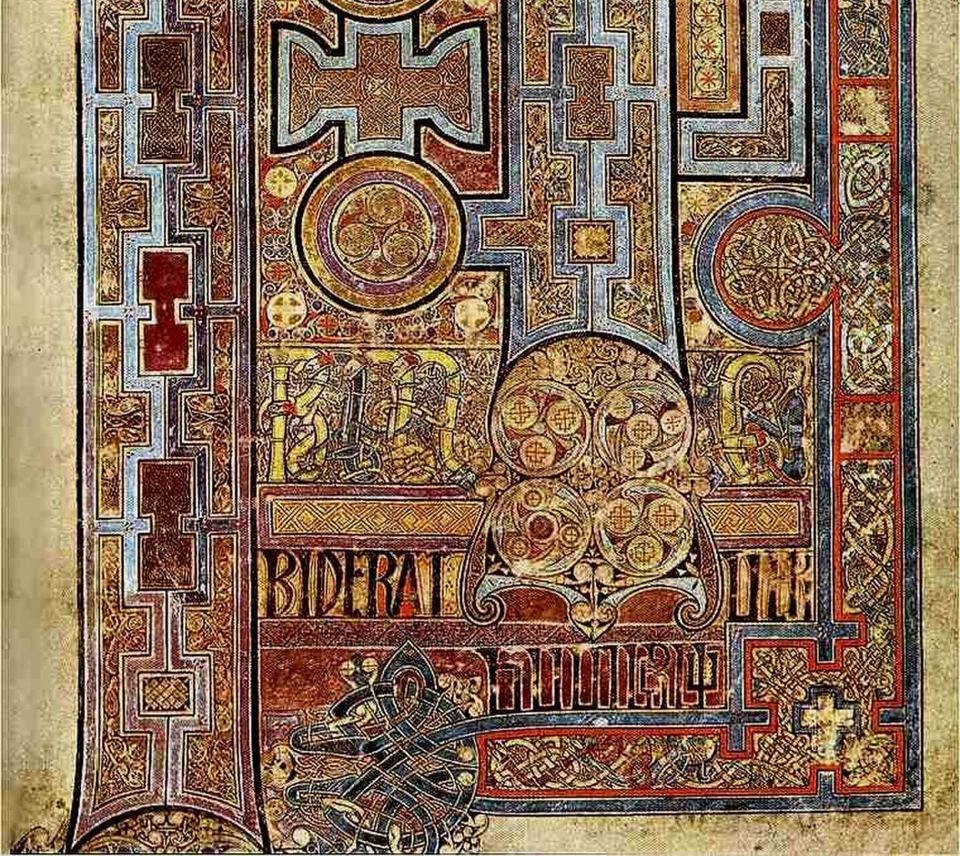
- The British Library, London: Codex Sinaiticus, Codex Alexandrinus, the Lindisfarne Gospels and Tyndale's New Testament.
- The John Rylands Library, Manchester: P52, the fragment of John.
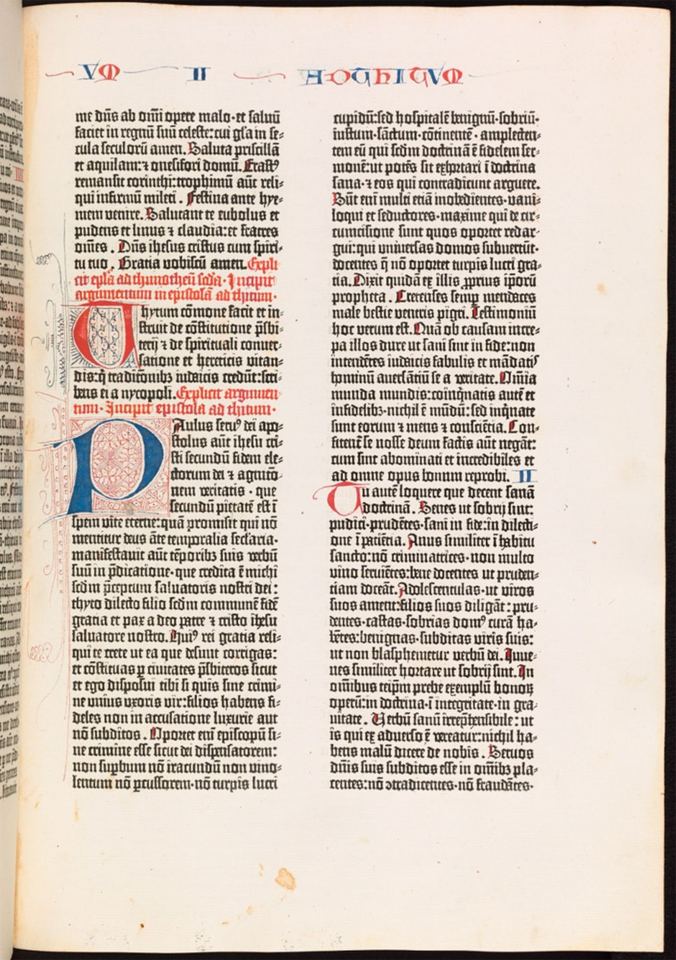
- The Bodleian Library, Oxford: a Gutenberg Bible.
See Places to visit.
ListenHear it read, as most people first met it
For most of history most Christians heard the Bible rather than read it. Listen to John chapter 1, or choose any of the 1,189 chapters.
The Bible in manuscripts
Tap any picture to see it large. Every image is credited; none is ours.
Keep exploring
Watch more: The Bible
8 films and talks, chosen for this page. They play here.
Discovering Sacred Texts: Christianity
British Library · 13 min
British Library: Discovering Sacred Texts, Christianity, the Bible through its manuscripts.
How Did the New Testament Form?
ReligionForBreakfast · 7 min
ReligionForBreakfast: how the New Testament formed.
How the New Testament Canon Was Formed (Interview with Dr. Bart Ehrman)
ReligionForBreakfast · 24 min
Who wrote the Bible? (A history of the Torah)
Let's Talk Religion · 15 min
Let's Talk Religion: who wrote the Bible? A history of the Torah.
Q is for Qur’an and other Holy Books | A to Z of Religion and Beliefs | BBC Teach
BBC Bitesize for Teachers · 3 min
BBC Teach: Q is for Qur'an and other holy books, including the Bible.
The journey of Jesus in 3 ½ minutes
Bible Society · 4 min
Bible Society: the journey of Jesus in three and a half minutes.
The Lord's Prayer
The Church of England · 1 min
The Church of England: the Lord's Prayer.
Prof John Barton on reading the Bible as Jews and Christians
TheCCJUK · 14 min
- More films and talks on F-ILMWatch free