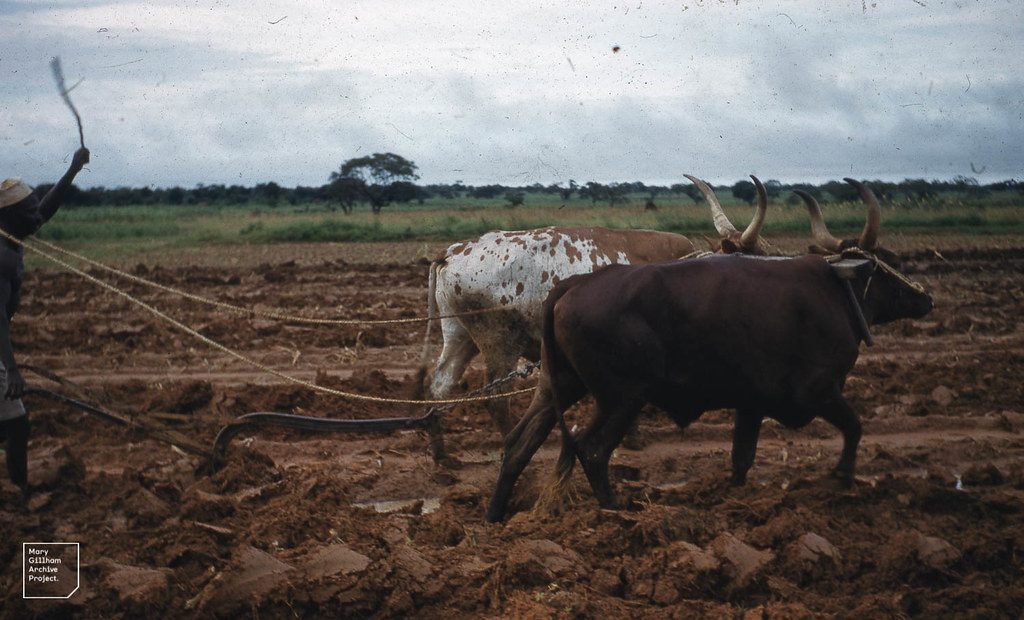
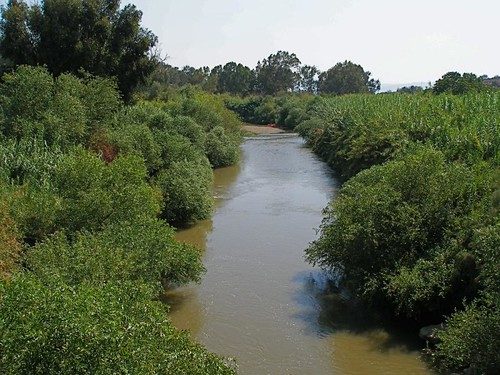
Stand-in photograph: Mary Gillham Archive Project · CC BY 2.0
The name in three scripts
HebrewאֱלִישָׁעElishaʿ“God saves”
GreekἘλισαῖοςElisaiosGreek
Arabicاليسعal-YasaʿArabic
One-minute snapshot
In a minute
9th c. BCERead time 1 min TorahGospelQur'an
Elisha (peace be upon him) was Elijah (peace be upon him)'s disciple, called from the plough. When Elijah was taken up, Elisha asked for “a double portion” of his spirit and took up his mantle. The Bible tells many miracles of compassion: he purified a spring, filled a widow's jars with oil, raised a child, and healed Naaman, a foreign general. The Qur'an names al-Yasa' twice among the chosen and the excellent, without a story. Jesus (peace be upon him) held up Elisha's healing of a foreigner as a lesson.
Watch
Films from each tradition
Each told by its own community, in its own words, side by side. More on F-ILM.
A Jewish telling
The Prophet Who Resurrected a Dead ChildJewish Learning Institute · 8 minJLI: Elisha and the Shunammite's son; Jewish teaching on the miracle.
A Christian telling
Naaman Is Healed | Stories of the BibleSaddleback Kids · 4 min Shows prophets (a film-maker's portrayal)Kids option: Saddleback Kids, Naaman is healed.
Side by side
Three tellings
Quotations: Torah and Hebrew Bible, JPS 1917 · New Testament, World English Bible (British Edition) · Qur'an, Pickthall (1930). Translations and sources
THebrew Bible · Torah
In Jewish tradition's own words.
Elijah casts his mantle on Elisha as he ploughs with twelve yoke of oxen.
He asks for a double portion of Elijah's spirit.
He heals the spring of Jericho and multiplies a widow's oil.
He raises the Shunammite's son and heals Naaman the Aramean.
“And it came to pass, when they were gone over, that Elijah said unto Elisha: ‘Ask what I shall do for thee, before I am taken from thee.’ And Elisha said: ‘I pray thee, let a double portion of thy spirit be upon me.’”2 Kings 2:9 · JPS 1917
Jesus recalls that Elisha healed a foreigner, Naaman the Syrian.
“There were many lepers in Israel in the time of Elisha the prophet, yet not one of them was cleansed, except Naaman, the Syrian.”Luke 4:27 · WEB (British Edition)
And it came to pass, when they were gone over, that Elijah said unto Elisha: ‘Ask what I shall do for thee, before I am taken from thee.’ And Elisha said: ‘I pray thee, let a double portion of thy spirit be upon me.’
So he departed thence, and found Elisha the son of Shaphat, who was plowing, with twelve yoke of oxen before him, and he with the twelfth; and Elijah passed over unto him, and cast his mantle upon him.
And he left the oxen, and ran after Elijah, and said: ‘Let me, I pray thee, kiss my father and my mother, and then I will follow thee.’ And he said unto him: ‘Go back; for what have I done to thee?’
And he returned from following him, and took the yoke of oxen, and slew them, and boiled their flesh with the instruments of the oxen, and gave unto the people, and they did eat. Then he arose, and went after Elijah, and ministered unto him.
Read the passages The Christian telling · 1
Luke 4:27 · New Testament · WEB British Edition
27
There were many lepers in Israel in the time of Elisha the prophet, yet not one of them was cleansed, except Naaman, the Syrian.”
And Ishmael and Elisha and Jonah and Lot. Each one (of them) did We prefer above (Our) creatures,
Common ground
Where they agree
A prophet named among the righteous and the chosen.
Elijah (peace be upon him)'s successor, in the Bible and in tafsir.
Said plainly, ranked never
Where they differ
The Bible tells many of his miracles; the Qur'an gives no narrative.
Era and place
The world of Elisha
Where
Abel-meholah in the Jordan valley, Jericho, Shunem, Samaria and Damascus.
When
The 9th century BCE.
What archaeology can and cannot say
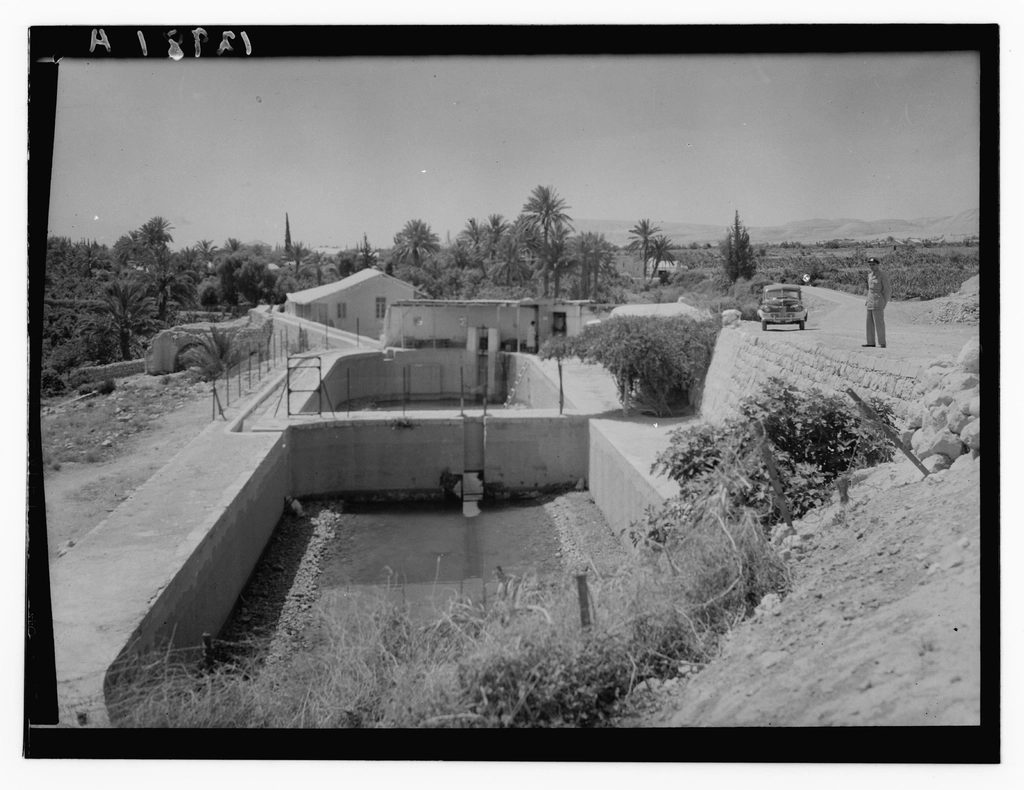
“Elisha's Spring” (Ein es-Sultan) at Tell es-Sultan, Jericho, is the traditional site of 2 Kings 2:19–22. At nearby Tel Rehov, an Iron Age apiary and a jar inscribed with the name Elisha have been linked by some with the prophet (speculative).
Gallery
The world of Elisha
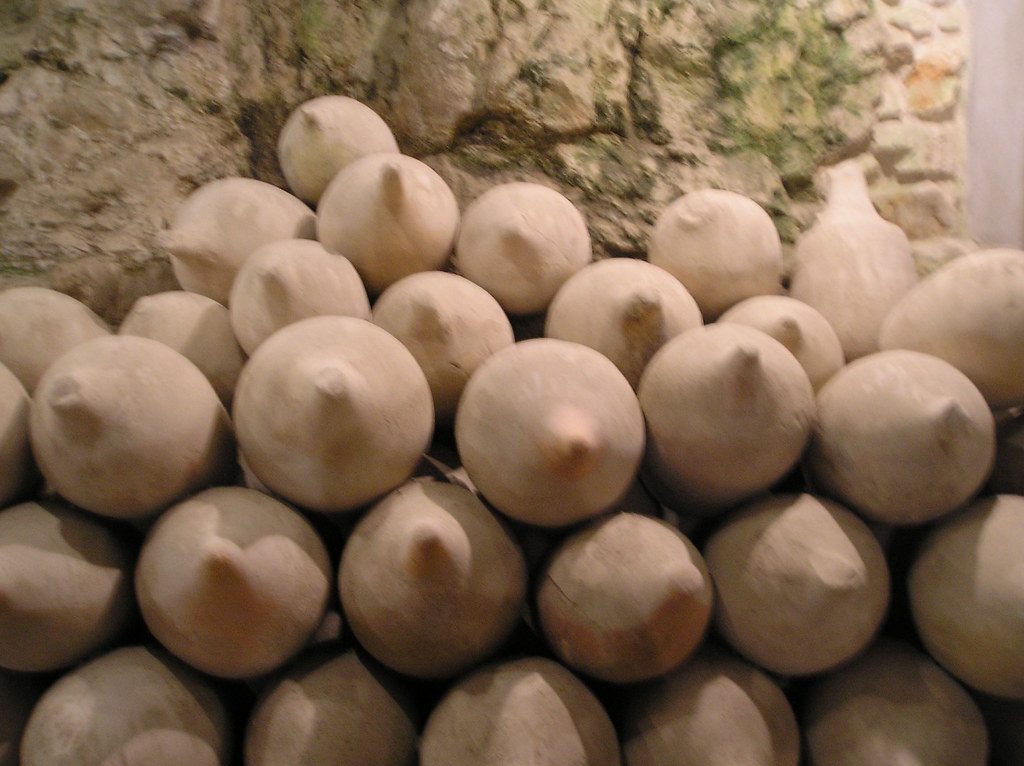
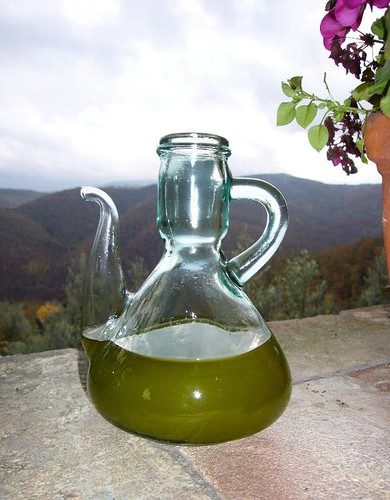
Elisha's Fountain (Ein es-Sultan), Jericho, in an early 20th-century photographElisha's Fountain, Jericho, taken Apr, libraryofcongress, CC0 1.0Ancient oil jarsOlive oil jars Pula2, Verity Cridland, CC BY 2.0Fresh olive oilolio novello 2006, Monica Arellano-Ongpin, CC BY 2.0The river Jordan between green banks: Naaman washed “seven times in the Jordan” (2 Kings 5:14)Jordan River, Seetheholyland.net, CC BY-SA 2.0
Go deeper
Go deeper
Midrash and Jewish tradition
The stories of Elisha in 2 Kings, from the widow's oil to the Shunammite's son, are read as lessons in compassion and in hospitality to God's servants.
Christian tradition
Jesus' sermon at Nazareth (Luke 4:25–27) points to Elijah's widow and Elisha's Naaman: God's mercy reaching beyond Israel.
Read the passages Luke 4:25–27
Luke 4:25–27 · New Testament · WEB British Edition
25
But truly I tell you, there were many widows in Israel in the days of Elijah, when the sky was shut up three years and six months, when a great famine came over all the land.
26
Elijah was sent to none of them, except to Zarephath, in the land of Sidon, to a woman who was a widow.
27
There were many lepers in Israel in the time of Elisha the prophet, yet not one of them was cleansed, except Naaman, the Syrian.”
Tafsir and hadith
Ibn Kathir, on 38:48, places al-Yasa' after Ilyas among the prophets of Israel.
Reference works: Encyclopaedia Judaica (2nd ed.); The Oxford Dictionary of the Christian Church; Encyclopaedia of Islam (3rd ed.); Ibn Kathir, Qisas al-Anbiya.