Who is Allah?

Reading settings

Text size

Easier reading

More space between lines and letters, plain font for headings, no italics.

Calm mode

No moving backgrounds or animations; softer images.

Save data

No background video and no card photos: good on a slow or capped connection.

Saved on this device only. Nothing is sent to us.

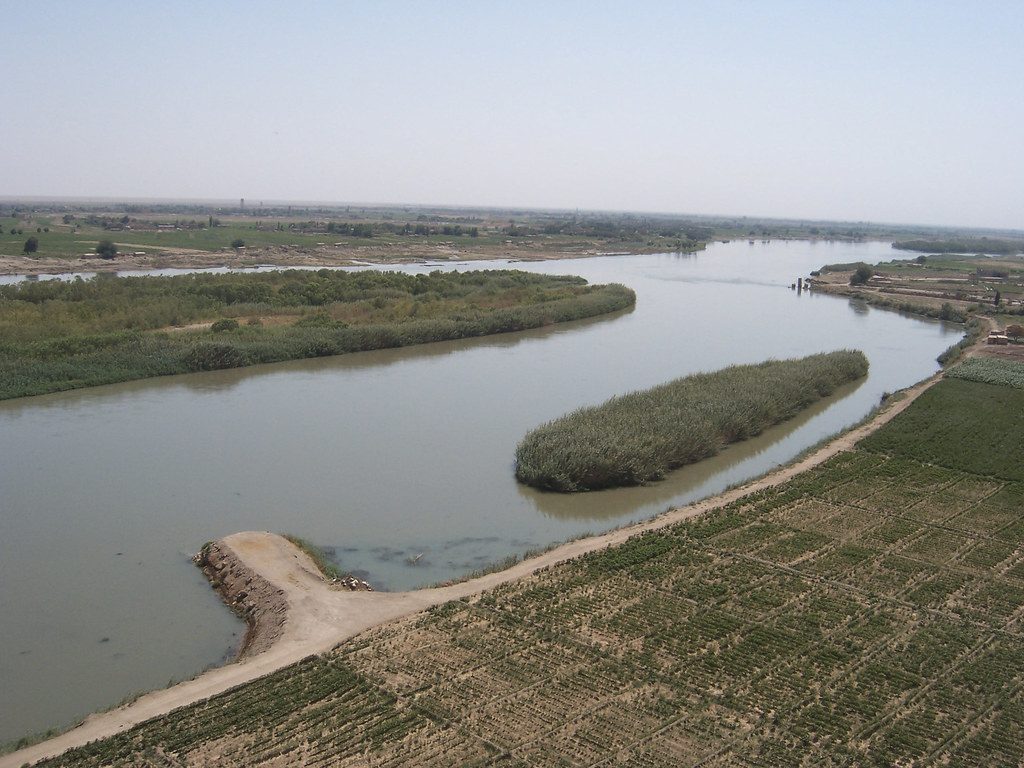
The Euphrates at Dura-Europos, Syria

The one who kept his pledge

Dhul-Kifl

(peace be upon him)
ذو الكفلיְחֶזְקֵאלDhū al-Kifl (possibly Ezekiel)

Named among the patient and the chosen. Who he was is still debated.

▶ Watch the three tellings6th c. BCE?
Stand-in photograph: isawnyu · CC BY 2.0

The name in three scripts

Arabicذو الكفلDhū al-Kifl“he of the portion”, or “of the pledge”
HebrewיְחֶזְקֵאלYeḥezkelEzekiel: a possible counterpart, debated

One-minute snapshot

In a minute

6th c. BCE?Read time 1 min
Qur'an

Dhul-Kifl (peace be upon him) is named twice in the Qur'an, among the patient and the chosen, with almost no story. Muslim scholars have long debated who he was: a prophet, or a righteous man who kept a difficult pledge. One common identification is the Hebrew prophet Ezekiel, whose traditional tomb stands in the Iraqi town of al-Kifl, a shrine honoured over centuries by Jews and Muslims. The honest answer is that his identity is uncertain, and that the Qur'an honours his patience.

The Qur'an names Dhul-Kifl twice and tells no story. One common identification is the prophet Ezekiel; others have been proposed, and some scholars hold he was a righteous man rather than a prophet. The Jewish column gives Ezekiel, if the identification holds.

Watch

Films from each tradition

Each told by its own community, in its own words, side by side. More on F-ILM.

A Christian telling

Book of Ezekiel Summary: A Complete Animated Overview (Part 1)BibleProject · 7 minBibleProject Ezekiel part 1, for the suggested Ezekiel identification.

A Muslim telling

The Story of Dhul Kifl (AS) | Shaykh Tidiane Diallo | Prophets of AllahADAMS Center - Official YouTube Channel · 4 minADAMS Center: the story of Dhul-Kifl, the only official short on him found.

Side by side

Three tellings

Quotations: Torah and Hebrew Bible, JPS 1917 · New Testament, World English Bible (British Edition) · Qur'an, Pickthall (1930). Translations and sources

Hebrew Bible · Ezekiel?

In Jewish tradition's own words.

  • Ezekiel is a priest taken into exile in Babylon in 597 BCE.
  • By the river Chebar he sees a vision of God's glory.
  • He acts out his prophecies, and sees a valley of dry bones come to life.
“the word of the LORD came expressly unto Ezekiel the priest, the son of Buzi, in the land of the Chaldeans by the river Chebar; and the hand of the LORD was there upon him.”Ezekiel 1:3 · JPS 1917

Ezekiel 37, the dry bones, is read on the Sabbath of Passover. The 12th-century traveller Benjamin of Tudela describes Jewish pilgrims at the tomb by al-Kifl.

Key passages: Ezekiel 1; 37:1–14; 40–48

Is this how your tradition would say it? Tell us →

The Qur'an

In Islamic tradition's own words.

  • Dhul-Kifl is named with Ishmael (peace be upon him) and Idris among the steadfast.
  • He is named again with Ishmael (peace be upon him) and Elisha among the chosen.
  • The Qur'an tells no story of him.
“And (mention) Ishmael, and Idris, and Dhu'l-Kifl. All were of the steadfast.”Qur'an 21:85 · Pickthall (1930)

Ibn Kathir reports that he was a righteous man who pledged to pray by night, fast by day and judge without anger, and kept his pledge; scholars differ on whether he was a prophet.

Key passages: Qur'an 21:85–86; 38:48

Read the passages Hebrew Bible · Ezekiel? · 2

Ezekiel 1:3 · Hebrew Bible · JPS 1917

3

הָיֹה הָיָה דְבַר־יְהוָה אֶל־יְחֶזְקֵאל בֶּן־בּוּזִי הַכֹּהֵן בְּאֶרֶץ כַּשְׂדִּים עַל־נְהַר־כְּבָר וַתְּהִי עָלָיו שָׁם יַד־יְהוָה׃

the word of the LORD came expressly unto Ezekiel the priest, the son of Buzi, in the land of the Chaldeans by the river Chebar; and the hand of the LORD was there upon him.

Ezekiel 37:1–14 · Hebrew Bible · JPS 1917

1

הָיְתָה עָלַי יַד־יְהוָה וַיּוֹצִאֵנִי בְרוּחַ יְהוָה וַיְנִיחֵנִי בְּתוֹךְ הַבִּקְעָה וְהִיא מְלֵאָה עֲצָמוֹת׃

The hand of the LORD was upon me, and the LORD carried me out in a spirit, and set me down in the midst of the valley, and it was full of bones;

2

וְהֶעֱבִירַנִי עֲלֵיהֶם סָבִיב סָבִיב וְהִנֵּה רַבּוֹת מְאֹד עַל־פְּנֵי הַבִּקְעָה וְהִנֵּה יְבֵשׁוֹת מְאֹד׃

and He caused me to pass by them round about, and, behold, there were very many in the open valley; and, lo, they were very dry.

3

וַיֹּאמֶר אֵלַי בֶּן־אָדָם הֲתִחְיֶינָה הָעֲצָמוֹת הָאֵלֶּה וָאֹמַר אֲדֹנָי יְהוִה אַתָּה יָדָעְתָּ׃

And He said unto me: ‘Son of man, can these bones live?’ And I answered: ‘O Lord GOD, Thou knowest.’

4

וַיֹּאמֶר אֵלַי הִנָּבֵא עַל־הָעֲצָמוֹת הָאֵלֶּה וְאָמַרְתָּ אֲלֵיהֶם הָעֲצָמוֹת הַיְבֵשׁוֹת שִׁמְעוּ דְּבַר־יְהוָה׃

Then He said unto me: ‘Prophesy over these bones, and say unto them: O ye dry bones, hear the word of the LORD:

5

כֹּה אָמַר אֲדֹנָי יְהוִה לָעֲצָמוֹת הָאֵלֶּה הִנֵּה אֲנִי מֵבִיא בָכֶם רוּחַ וִחְיִיתֶם׃

Thus saith the Lord GOD unto these bones: Behold, I will cause breath to enter into you, and ye shall live.

6

וְנָתַתִּי עֲלֵיכֶם גִּדִים וְהַעֲלֵתִי עֲלֵיכֶם בָּשָׂר וְקָרַמְתִּי עֲלֵיכֶם עוֹר וְנָתַתִּי בָכֶם רוּחַ וִחְיִיתֶם וִידַעְתֶּם כִּי־אֲנִי יְהוָה׃

And I will lay sinews upon you, and will bring up flesh upon you, and cover you with skin, and put breath in you, and ye shall live; and ye shall know that I am the LORD.’

7

וְנִבֵּאתִי כַּאֲשֶׁר צֻוֵּיתִי וַיְהִי־קוֹל כְּהִנָּבְאִי וְהִנֵּה־רַעַשׁ וַתִּקְרְבוּ עֲצָמוֹת עֶצֶם אֶל־עַצְמוֹ׃

So I prophesied as I was commanded; and as I prophesied, there was a noise, and behold a commotion, and the bones came together, bone to its bone.

8

וְרָאִיתִי וְהִנֵּה־עֲלֵיהֶם גִּדִים וּבָשָׂר עָלָה וַיִּקְרַם עֲלֵיהֶם עוֹר מִלְמָעְלָה וְרוּחַ אֵין בָּהֶם׃

And I beheld, and, lo, there were sinews upon them, and flesh came up, and skin covered them above; but there was no breath in them.

9

וַיֹּאמֶר אֵלַי הִנָּבֵא אֶל־הָרוּחַ הִנָּבֵא בֶן־אָדָם וְאָמַרְתָּ אֶל־הָרוּחַ כֹּה־אָמַר אֲדֹנָי יְהוִה מֵאַרְבַּע רוּחוֹת בֹּאִי הָרוּחַ וּפְחִי בַּהֲרוּגִים הָאֵלֶּה וְיִחְיוּ׃

Then said He unto me: ‘Prophesy unto the breath, prophesy, son of man, and say to the breath: Thus saith the Lord GOD: Come from the four winds, O breath, and breathe upon these slain, that they may live.’

10

וְהִנַּבֵּאתִי כַּאֲשֶׁר צִוָּנִי וַתָּבוֹא בָהֶם הָרוּחַ וַיִּחְיוּ וַיַּעַמְדוּ עַל־רַגְלֵיהֶם חַיִל גָּדוֹל מְאֹד־מְאֹד׃

So I prophesied as He commanded me, and the breath came into them, and they lived, and stood up upon their feet, an exceeding great host.

The passage continues; open it in the player or your own Bible or Qur'an.
Read the passages The Qur'an · 2

Qur'an 21:85–86 · The Qur'an · Pickthall (1930)

85

وَإِسْمَٰعِيلَ وَإِدْرِيسَ وَذَا ٱلْكِفْلِ ۖ كُلٌّۭ مِّنَ ٱلصَّٰبِرِينَ

And (mention) Ishmael, and Idris, and Dhu'l-Kifl. All were of the steadfast.

86

وَأَدْخَلْنَٰهُمْ فِى رَحْمَتِنَآ ۖ إِنَّهُم مِّنَ ٱلصَّٰلِحِينَ

And We brought them in unto Our mercy. Lo! they are among the righteous.

Qur'an 38:48 · The Qur'an · Pickthall (1930)

48

وَٱذْكُرْ إِسْمَٰعِيلَ وَٱلْيَسَعَ وَذَا ٱلْكِفْلِ ۖ وَكُلٌّۭ مِّنَ ٱلْأَخْيَارِ

And make mention of Ishmael and Elisha and Dhu'l-Kifl. All are of the chosen.

Common ground

Where they agree

  • If he is Ezekiel: a man of God in exile, honoured by Jews and Muslims at the same shrine.

Said plainly, ranked never

Where they differ

  • His identity is uncertain. Ezekiel, Isaiah, Obadiah and Joshua have all been proposed.
  • The Qur'an gives no story to compare with the Bible's.

Era and place

The world of Dhul-Kifl

Where
Babylonia, by the river Chebar, a canal near Nippur. The shrine at al-Kifl, south of Hillah in Iraq, is honoured as Ezekiel's tomb.
When
The 6th century BCE, if he is Ezekiel.
What archaeology can and cannot say
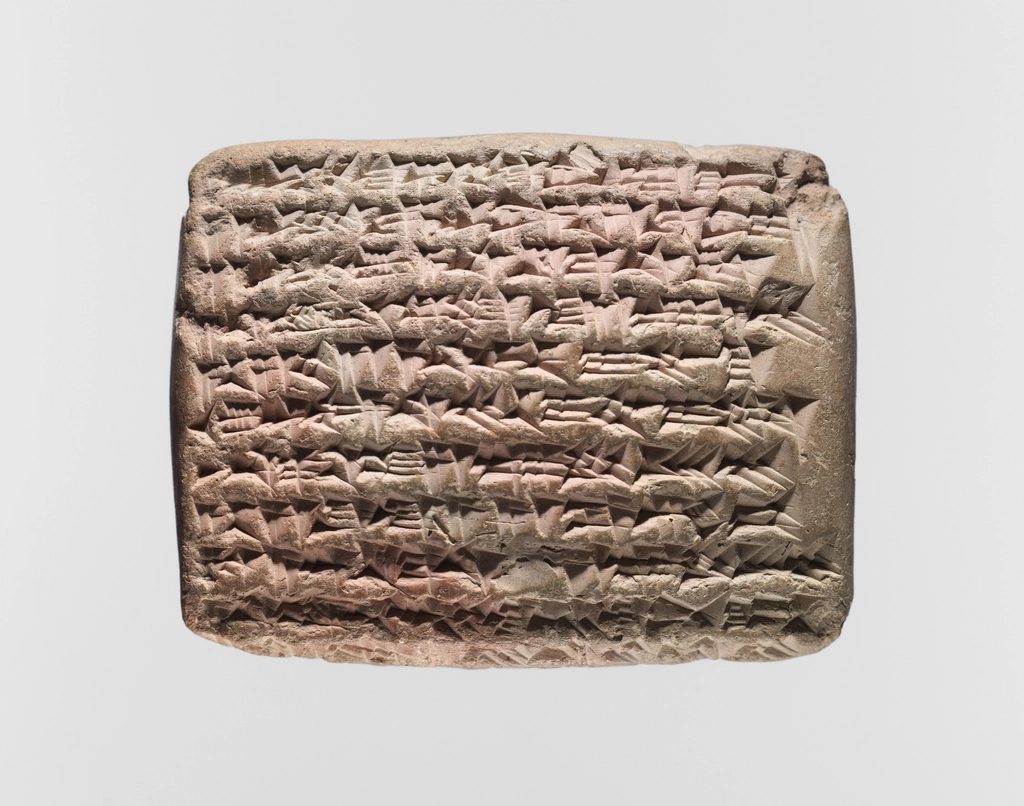
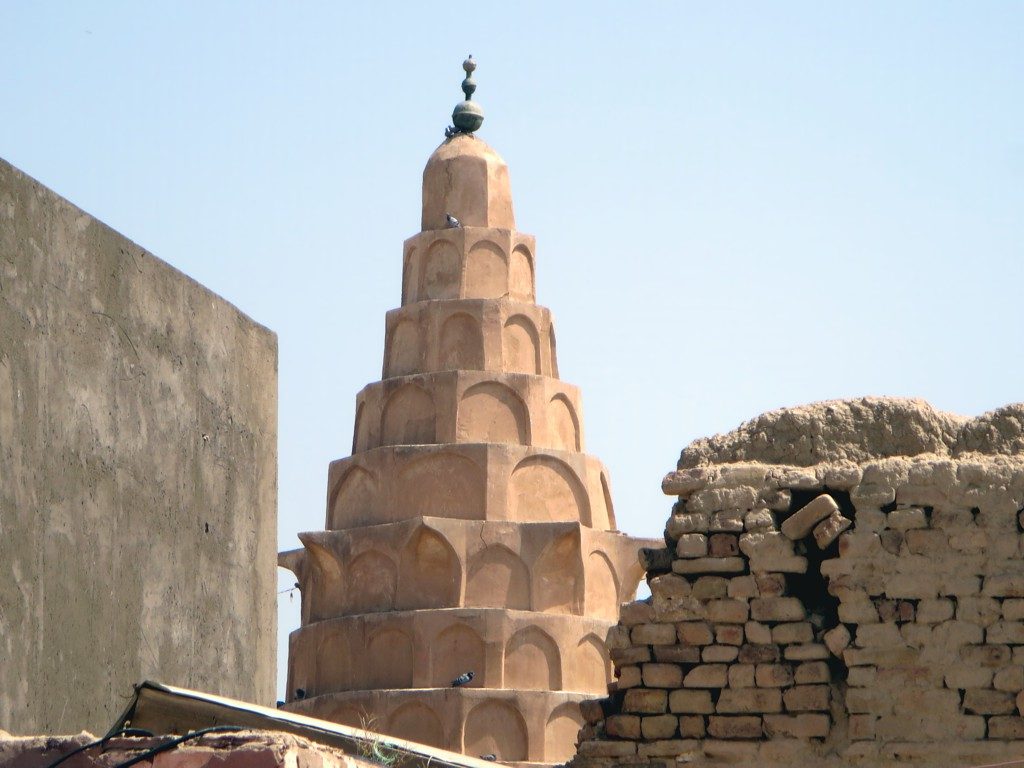
Clay tablets from a village called al-Yahudu, “Judah-town”, record Judean exiles living and trading in Babylonia in the 6th and 5th centuries BCE. The al-Kifl shrine has Hebrew inscriptions and a later minaret.

Gallery

The world of Dhul-Kifl

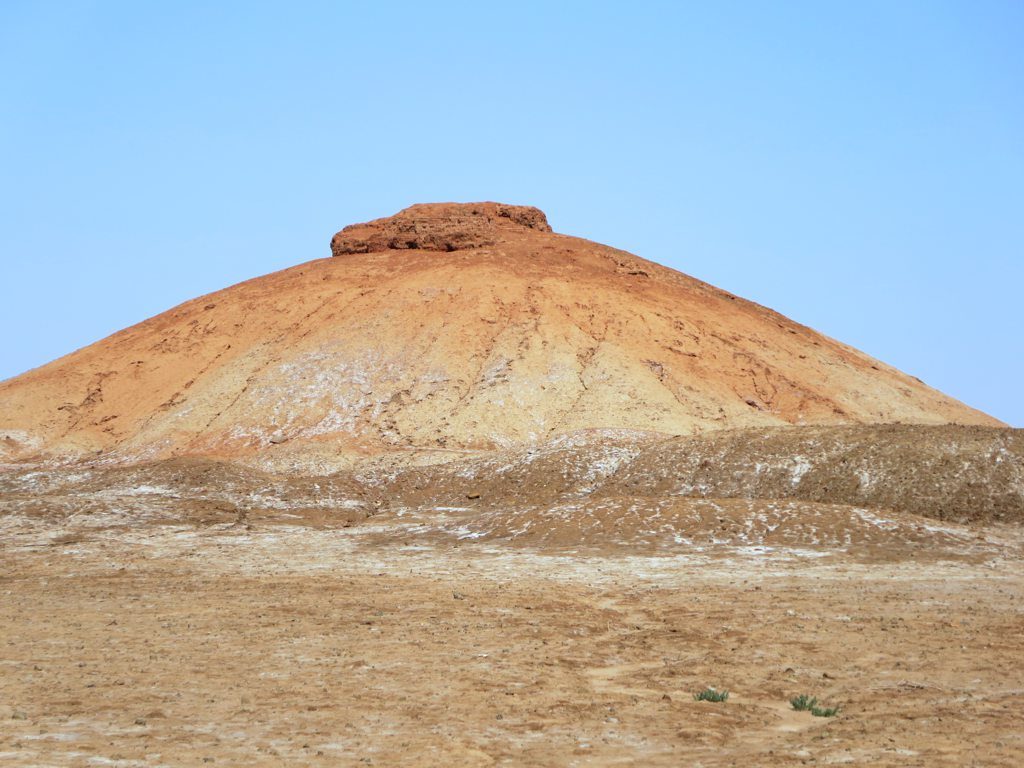
The ziggurat of Kish, near Babylon
The ziggurat of Kish, near BabylonZiggurat of Kish, D-Stanley, CC BY 2.0
A cuneiform contract tablet: the paperwork of daily life in Babylonia
A cuneiform contract tablet: the paperwork of daily life in BabyloniaCuneiform tablet: proxy contract purchase, themet, CC0 1.0
The shrine of Dhul-Kifl at al-Kifl, Iraq, honoured as Ezekiel's tomb
The shrine of Dhul-Kifl at al-Kifl, Iraq, honoured as Ezekiel's tombDhul Kifl Shrine, D-Stanley, CC BY 2.0
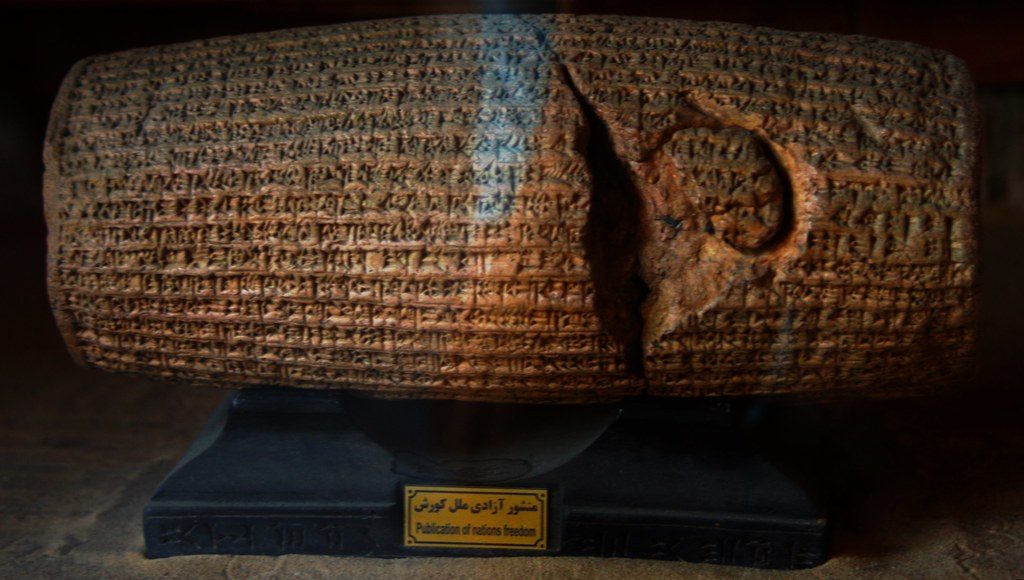
The Cyrus Cylinder (539 BCE), which speaks of exiles returning home
The Cyrus Cylinder (539 BCE), which speaks of exiles returning homeThe Cyrus Cylinder, blondinrikard, CC BY 2.0

Go deeper

Go deeper

Jewish tradition (Ezekiel)

Ezekiel's vision of the chariot-throne (Ezekiel 1) became the root of Jewish mystical thought. His vision of dry bones (Ezekiel 37) is a promise of return and renewal.

Christian tradition

The New Testament does not name Dhul-Kifl. Revelation 4 and 21–22 echo Ezekiel's visions of the throne and of the new Jerusalem.

Tafsir and hadith

Ibn Kathir, on 21:85, reports the story of the pledge and the scholars' different views. The name is read as “he of the portion” or “he of the guarantee”.

Read the passages Qur'an 21:85

Qur'an 21:85 · The Qur'an · Pickthall (1930)

85

وَإِسْمَٰعِيلَ وَإِدْرِيسَ وَذَا ٱلْكِفْلِ ۖ كُلٌّۭ مِّنَ ٱلصَّٰبِرِينَ

And (mention) Ishmael, and Idris, and Dhu'l-Kifl. All were of the steadfast.

Sources and further reading
Picture credits

Watch more: Dhul-Kifl

3 films and talks, chosen for this page. They play here.

  • The Book of Prophets: Class 5: Ezekiel

    myjewishlearning · 59 min

  • Incarnation in the Old Testament | Ezekiel 34:23-24 | N.T. Wright Online

    N.T. Wright Online · 6 min

    N.T. Wright Online: Ezekiel 34, the shepherd prophecy.

  • A Song of Ezekiel

    The Church of England · 3 min

    The Church of England: a song of Ezekiel.

  • More films and talks on F-ILMWatch free