More space between lines and letters, plain font for headings, no italics.
Calm mode
No moving backgrounds or animations; softer images.
Save data
No background video and no card photos: good on a slow or capped connection.
Saved on this device only. Nothing is sent to us.
Menu
The friend of God
Abraham
(peace be upon him)
אַבְרָהָםإبراهيمAvraham · Ibrāhīm
He left his homeland at God's call. Jews, Christians and Muslims all call him father.
▶ Watch the three tellingsc. 2000–1700 BCE · as tradition places it
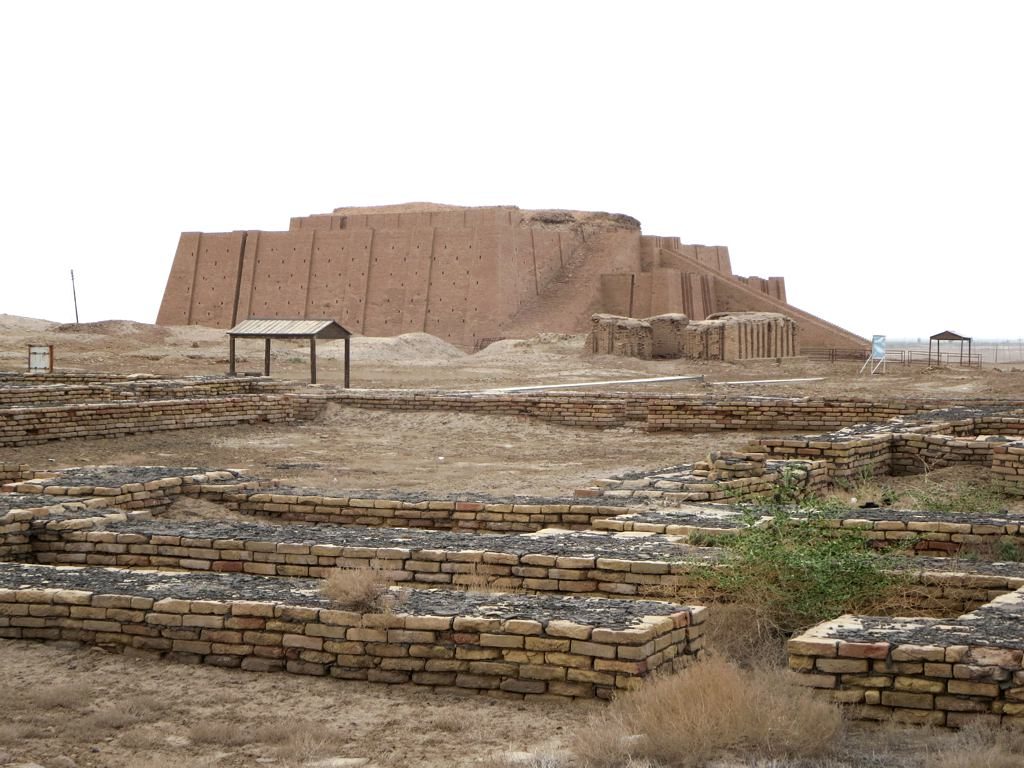
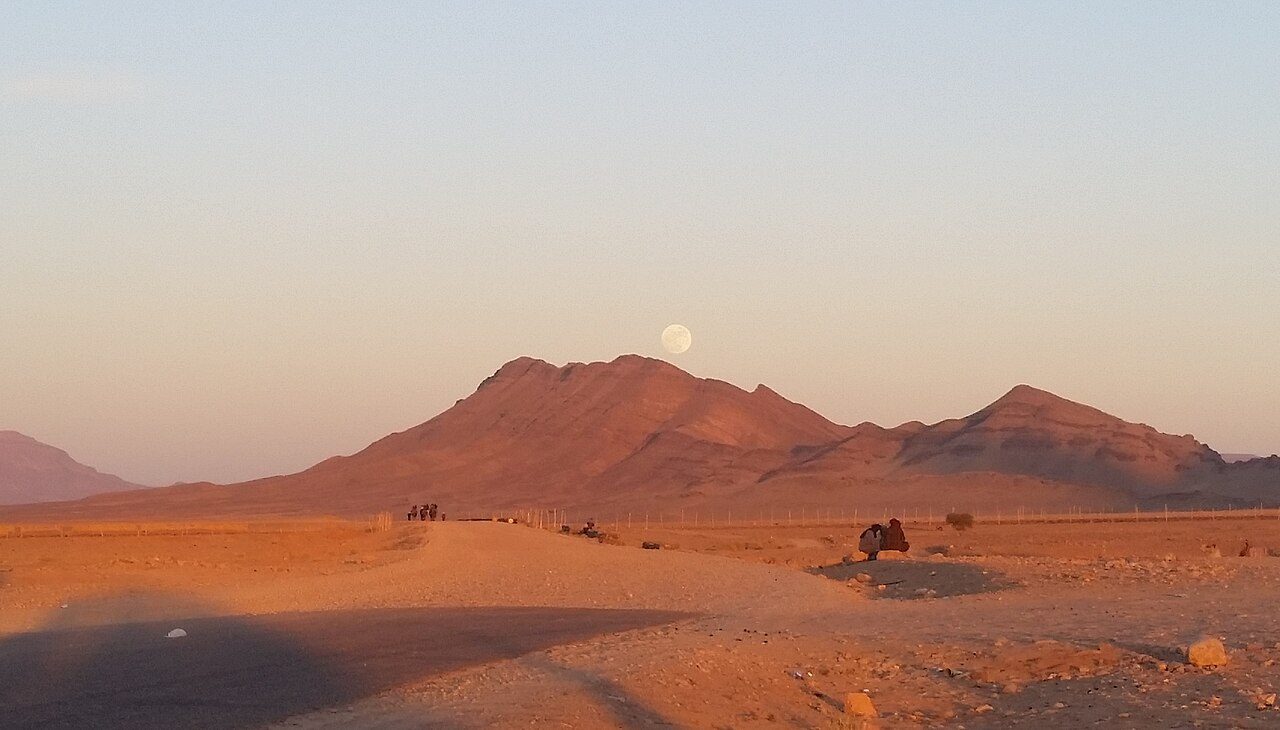
Stand-in photograph: D-Stanley · CC BY 2.0
The name in three scripts
HebrewאַבְרָהָםAvrahamfirst Avram; “father of many”
GreekἈβραάμAbraamGreek
ArabicإبراهيمIbrāhīmtitle Khalīl Allāh, “the Friend of God”
One-minute snapshot
In a minute
c. 2000–1700 BCERead time 1 min TorahGospelQur'an
Abraham (peace be upon him) is the father figure Jews, Christians and Muslims share. He left his homeland at God's call, trusted God's promise of descendants when he and his wife were old, welcomed strangers, and was tested to the limit with his son. Jews see in him the beginning of the covenant people. Christians see the model of faith. Muslims honour him as the upright believer in One God who broke the idols and, with Ishmael (peace be upon him), raised the Ka'bah. All three call him God's friend.
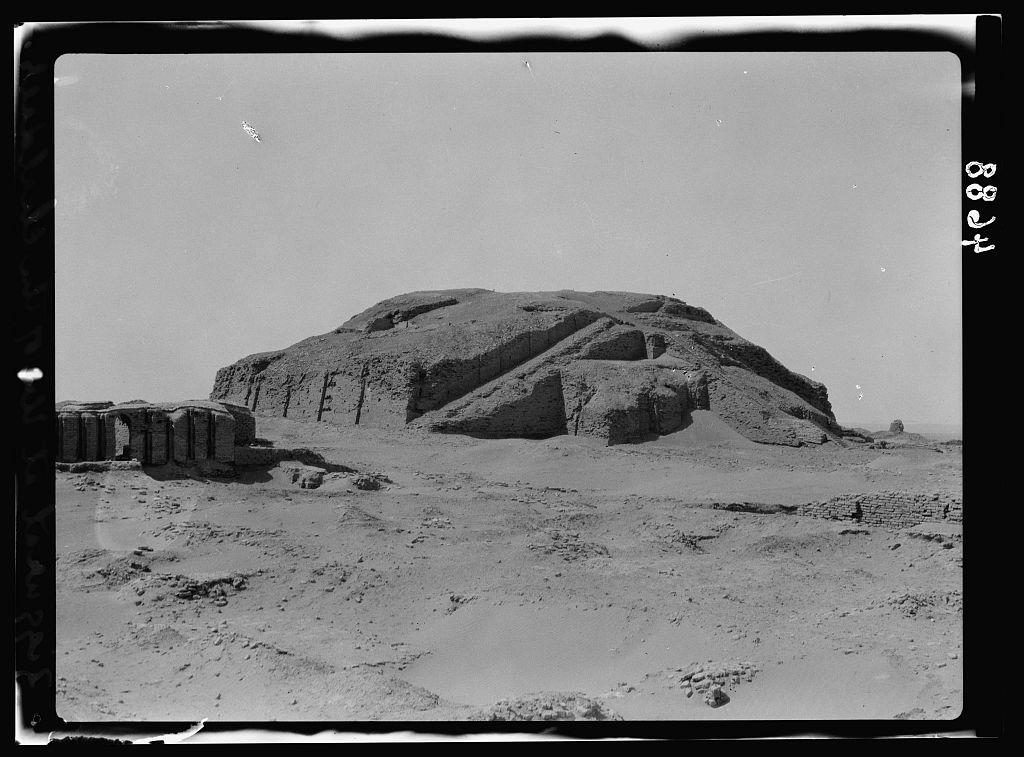
The ziggurat of Ur from the south-east, 1930s. American Colony (Jerusalem) Photo Dept. / Matson Photo Service, Library of Congress (public domain)
The story
The first to reason his way to the One God. Jews, Christians and Muslims all call him father, and all three call him the friend of God.
Picture a boy in a shop full of statues. His father makes them and sells them. Customers come in, choose a god, pay for it and take it home. One day the boy is left in charge. An old man comes in to buy one. The boy asks him how old he is. “Sixty,” says the man. “Sixty years old,” says the boy, “and you want to bow down to something made yesterday?” The man leaves, embarrassed.
That is how the rabbis of the early centuries CE told the childhood of Abraham (peace be upon him). The Qur’an tells a story with the same bold shape: a young man who questions the idols, breaks them and is thrown into a fire. Genesis begins later, with a voice that tells him to leave home. More than half the world today traces its faith to this one man.
“When the night grew dark over him, he saw a star. He said, “This is my Lord.” But when it set, he said, “I do not love things that set.” When he saw the moon rising, he said, “This is my Lord.” But when it set, he said, “If my Lord does not guide me, I will be one of those who go astray.” When he saw the sun rising, he said, “This is my Lord; this is greater.” But when it set, he said, “And when it set he exclaimed: O my people! Lo! I am free from all that ye associate (with Him). Lo! I have turned my face toward Him Who created the heavens and the earth, as one by nature upright, and I am not of the idolaters.”
Surah al-An’am (The Cattle) tells how Abraham looked at the brightest things in the sky and reasoned past them to their Maker. Muslim commentators debate whether he was genuinely searching or leading his people step by step to see their mistake. Either way, the lesson is the same: whatever rises and sets is not God.
The world behind the story
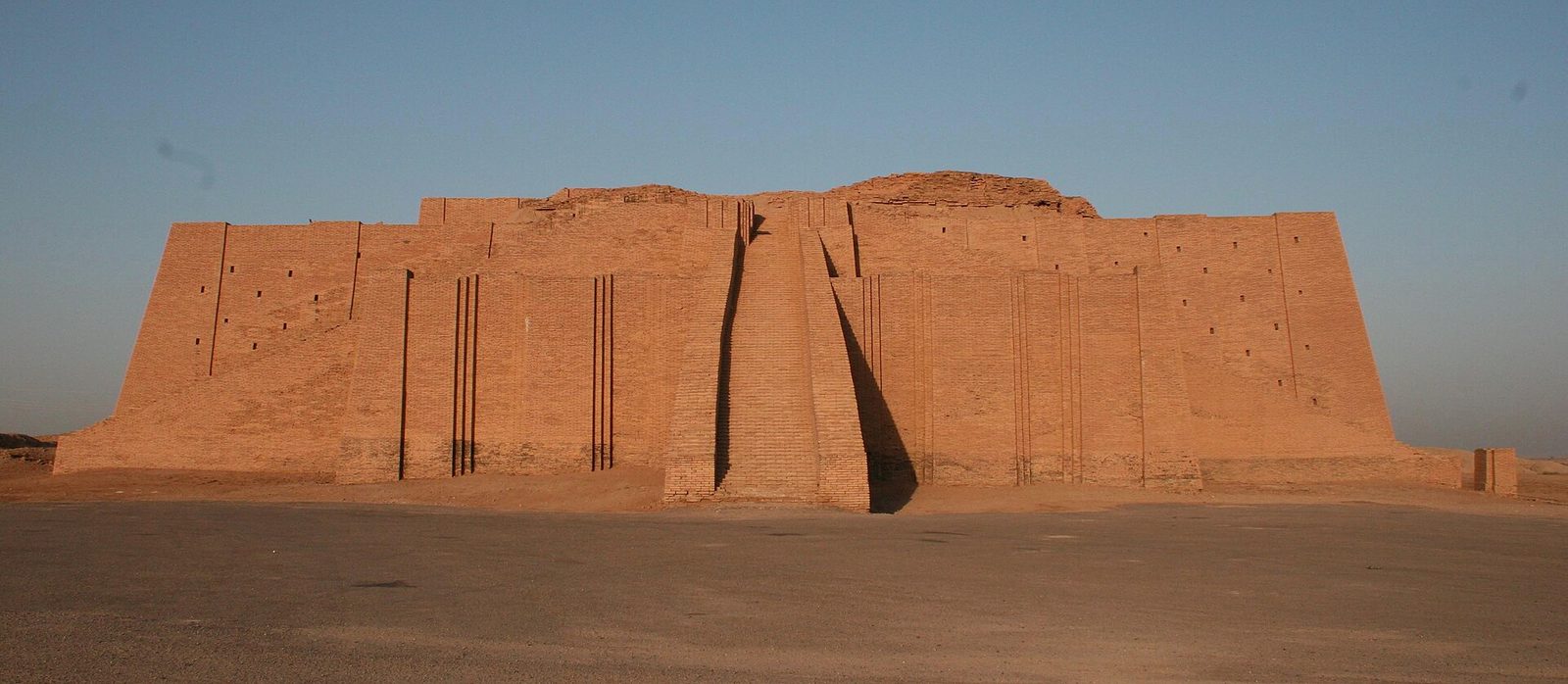
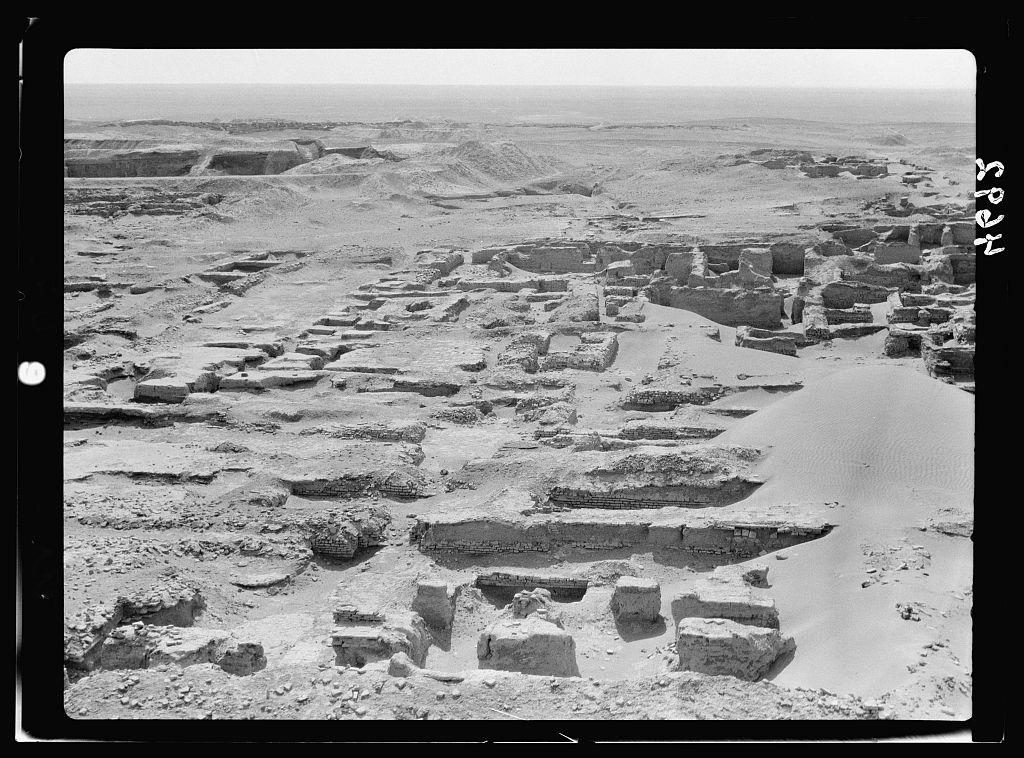
Genesis says Abraham’s family came from “Ur of the Chaldees” (Genesis 11:31) and moved to Haran before he set out for Canaan. Most scholars connect Ur with Tell el-Muqayyar in southern Iraq, a great Sumerian city. Sir Leonard Woolley excavated it for the British Museum and the Penn Museum between 1922 and 1934. Woolley found the Royal Cemetery, with treasures such as the Standard of Ur and the famous Ram in a Thicket, now in the British Museum and in Philadelphia. Haran (modern Harran in south-east Turkey) was a real ancient city, famous for its temple to the moon god Sin.
Ziggarat of Ur 001. Tla2006 at English Wikipedia / Public domain (via Wikimedia Commons)
That is a striking backdrop for a story about a man who turns from the moon and stars to their Maker. Both Ur and Haran were centres of moon worship. Whether that link is historical memory or a later storyteller’s choice, no one can say for certain.
What archaeology cannot do is find Abraham himself. No inscription outside scripture mentions him, and scholars disagree about when, or whether, the stories reflect a real person. Some date the setting to the early second millennium BCE; many critical scholars think the stories were written down much later, in the first millennium BCE. Some details, such as camels used by Abraham’s household, look to some historians like later additions, since camels were probably not widely domesticated in the region until around 1000 BCE.
For believers in all three faiths, Abraham is a historical person and a prophet, and the lack of outside evidence is no surprise: shepherds rarely leave inscriptions. For historians, the stories are precious evidence of how ancient people thought about God. Both can visit the British Museum’s Mesopotamia rooms and stand in front of objects from Ur, made around the time the stories are set.
1922–34Leonard Woolley’s excavations at Ur for the British Museum and Penn Museum
4.3bnChristians and Muslims today, who with Jews call Abraham father
69times the Qur’an names Abraham (Ibrahim)
What each faith says
Read:
Judaism
“Now the LORD said unto Abram: ‘Get thee out of thy country, and from thy kindred, and from thy father’s house, unto the land that I will show thee. And I will make of thee a great nation, and I will bless thee, and make thy name great; and be thou a blessing.”
In the Torah, Abraham’s story starts with a call: “Get thee out of thy country” (Genesis 12:1). God promises to make him a great nation and a blessing. Abraham, first called Abram, leaves everything and walks into the unknown. He argues with God over Sodom, welcomes three strangers to his tent with water and bread, and is called God’s “friend” (Isaiah 41:8, 2 Chronicles 20:7). The rabbis counted ten trials that Abraham passed (Pirkei Avot 5:3).
The midrash fills in his childhood. In Genesis Rabbah 38:13, Abraham smashes the idols in his father Terah’s shop and puts the stick in the hand of the biggest one. When his father returns, Abraham says the idols fought. “Do they know anything?” asks Terah. “Then listen to what your own mouth is saying,” says Abraham. Brought before King Nimrod, he is thrown into a furnace and saved. In another midrash he is like a traveller who sees a palace lit up and asks, “Is it possible that it has no owner?” (Genesis Rabbah 39:1).
The Torah also gives the women of the family their own voices. Sarah laughs at the promise of a son in her old age, and names him Isaac, “laughter”. Hagar, her Egyptian servant, runs into the wilderness, and an angel finds her by a spring. She becomes the first person in the Torah to give God a name: El-roi, “Thou art a God of seeing” (Genesis 16:13). In synagogues the opening blessing of the Amidah, the standing prayer, praises God as “Shield of Abraham”. Many Reform and Masorti prayer books now add Sarah, and the other mothers, beside him.
Christianity
“By faith, Abraham, when he was called, obeyed to go out to the place which he was to receive for an inheritance. He went out, not knowing where he went.”
For Christians, Abraham is above all the man of faith. Paul writes that “Abraham believed God, and it was accounted to him for righteousness” (Romans 4:3, quoting Genesis 15:6). He calls him “the father of all those who believe” (Romans 4:11). The letter to the Hebrews praises the trust that made him set out without knowing where he was going.
In Christian worship Abraham is remembered as an ancestor of Jesus, whose family tree in Matthew’s Gospel begins with him (Matthew 1:1–2). Orthodox Christians honour the scene of Abraham welcoming three visitors at Mamre as a picture of hospitality; Rublev’s famous icon of the Trinity is based on it. Many Christians today see in Abraham a shared father who can bring Jews, Christians and Muslims to the same table.
Hagar has her own place in Christian thought. African American women theologians have read her story as their own: a woman enslaved, cast out with her child, and met by God in the wilderness. Delores S. Williams built a whole book on it, Sisters in the Wilderness (1993), and Hagar’s “God who sees” is preached from many Black-majority pulpits in Britain and America.
Islam
“Who is better in religion than he who surrendereth his purpose to Allah while doing good (to men) and followeth the tradition of Abraham, the upright? Allah (Himself) chose Abraham for friend.”
In the Qur’an, Abraham (Ibrahim) is a model of pure monotheism, “Lo! Abraham was a nation obedient to Allah, by nature upright, and he was not of the idolaters.” (16:120, Pickthall), neither Jew nor Christian but hanif, one who turns to God alone (3:67). He questions his father Azar and his people: “When he said unto his father and his folk: What are these images unto which ye pay devotion?” (21:52, Pickthall). He breaks the idols, all but the largest, and when accused says, “He said: But this, their chief hath done it. So question them, if they can speak.” (21:63, Pickthall). Thrown into a fire, he hears God say: “We said: O fire, be coolness and peace for Abraham.” (21:69, Pickthall).
Muslims remember Abraham five times a day in prayer, asking God to bless Muhammad as He blessed Abraham (peace be upon them both). He and his son Ishmael (peace be upon him) raise the foundations of the Ka’bah in Makkah (2:127), and the Hajj pilgrimage retraces the steps of his family. The Qur’an gives him the title khalīl, “close friend”: “Who is better in religion than he who surrendereth his purpose to Allah while doing good (to men) and followeth the tradition of Abraham, the upright? Allah (Himself) chose Abraham for friend.” (4:125, Pickthall). Hebron, where Abraham is buried, is called al-Khalil, “the Friend”, after it.
Muslims also remember Hajar, Ishmael’s mother, who is honoured in hadith as a woman of courage and trust. Left with her baby in a dry valley, she ran seven times between the hills of Safa and Marwa looking for water. At last a spring broke out at her son’s feet: the well of Zamzam (Bukhari 3364). Every pilgrim on Hajj and Umrah walks that same path seven times. Millions of people each year retrace the steps of a mother.
Same and different
All three call Abraham the father of faith and the friend of God, and all three tell of his trust in the One God and his welcome to strangers. The rabbis and the Qur’an share the bold story of the boy who breaks the idols. Genesis itself starts with the call to leave home, and Christians, following Paul, focus on his faith. The faiths differ on his family line. Jews trace the covenant through Isaac; Christians trace it through Isaac to Jesus and then to all who believe. Muslims honour both Isaac and Ishmael, with Ishmael as ancestor of the Prophet Muhammad. Hagar, or Hajar, is remembered differently too. In Genesis she is the servant God sees and saves. In Islam she is the mother whose running every pilgrim repeats. In Black Christian theology she is a sister in the wilderness. In Hebron, both sons are said to have buried Abraham together (Genesis 25:9), and the site is holy to Jews, Christians and Muslims still.
A moment to reflect
What are the “things that set” in our lives: things people trust that don’t last?
Abraham left home without knowing where he was going. When have you had to trust without knowing?
Who set out first in your family or community, so that others could follow? What did it cost them?
What would it take for Abraham’s children today to sit at one table?
Hagar was a stranger with no power, and she gave God a name: “the God who sees”. When have you felt truly seen?
Check yourself
Three quick questions. No score, nothing saved.
1. In the rabbis' story, what does the boy ask the old customer?
2. In Qur'an 6:76–79, what does Abraham see rise and set?
3. Ur and Haran, his family's cities, were centres of what?
Sources (6)
Woolley excavated Ur 1922–34 for the British Museum and Penn Museum: Penn Museum, Ur project
Quotations: Torah and Hebrew Bible, JPS 1917 · New Testament, World English Bible (British Edition) · Qur'an, Pickthall (1930). Translations and sources
THebrew Bible · Torah
In Jewish tradition's own words.
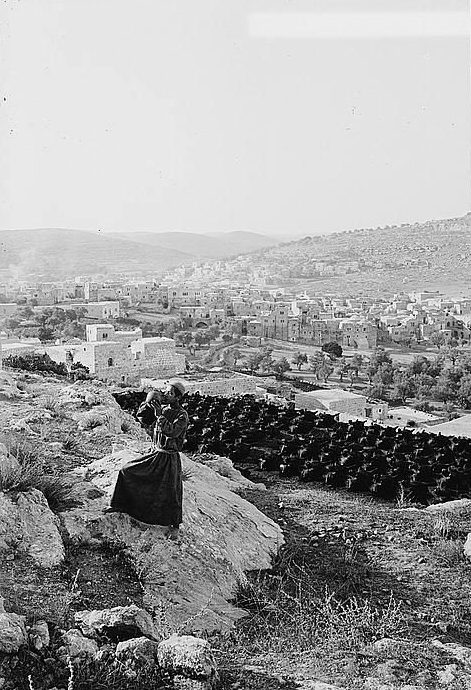
Hebron, early 20th century: where Genesis places Abraham's tomb at Machpelah. American Colony (Jerusalem) Photo Dept. / Matson Photo Service, Library of Congress (public domain)
The call from Haran and the covenant “between the pieces”.
Hagar and Ishmael; circumcision as the sign of the covenant.
Three visitors at Mamre; pleading for Sodom.
The birth of Isaac; the binding (Akedah); the cave of Machpelah.
In the midrash Abraham smashes his father's idols (Genesis Rabbah 38:13). He faces ten trials (Pirkei Avot 5:3), and his tent is open on all four sides for guests (Avot de-Rabbi Natan 7).
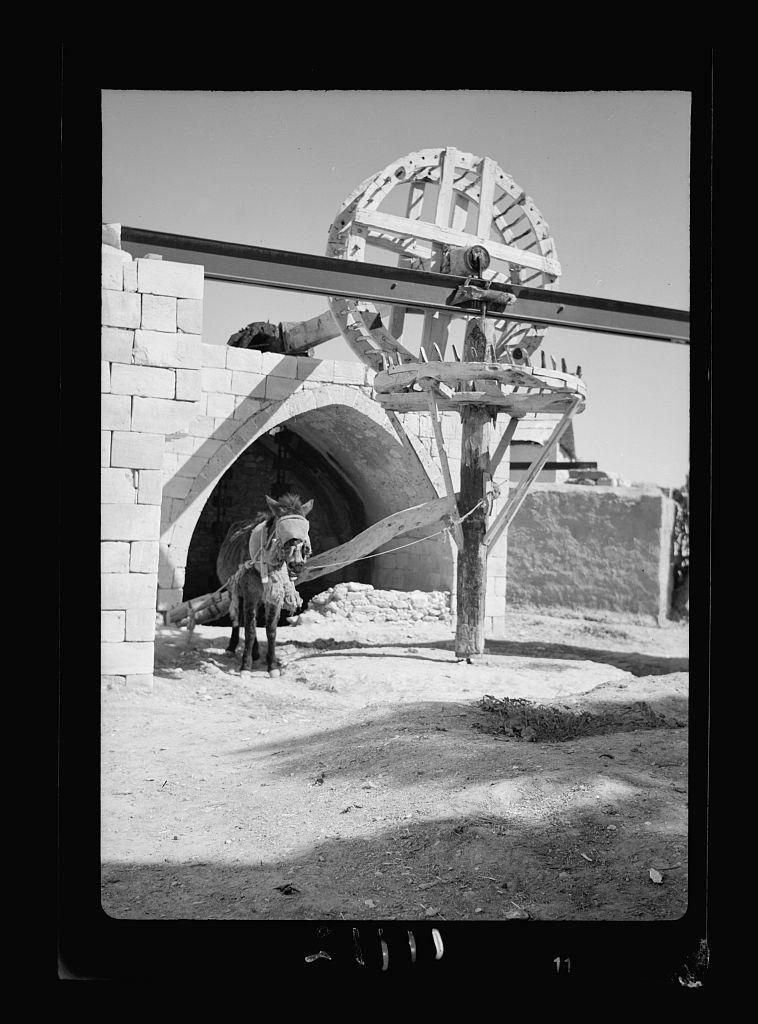
One of the wells of Abraham at Beersheba, with its water-wheel (Genesis 21:25–31). American Colony (Jerusalem) Photo Dept. / Matson Photo Service, Library of Congress (public domain)
Abraham is the father of all who believe; his faith “was accounted to him as righteousness”.
The promise to his descendants is fulfilled in Christ.
The binding of Isaac is read as a sign pointing to the cross.
“So the Scripture was fulfilled which says, “Abraham believed God, and it was accounted to him as righteousness,” and he was called the friend of God.”James 2:23 · WEB (British Edition)
The Orthodox icon of the Hospitality of Abraham, best known in Rublev's form, shows the three visitors at Mamre.
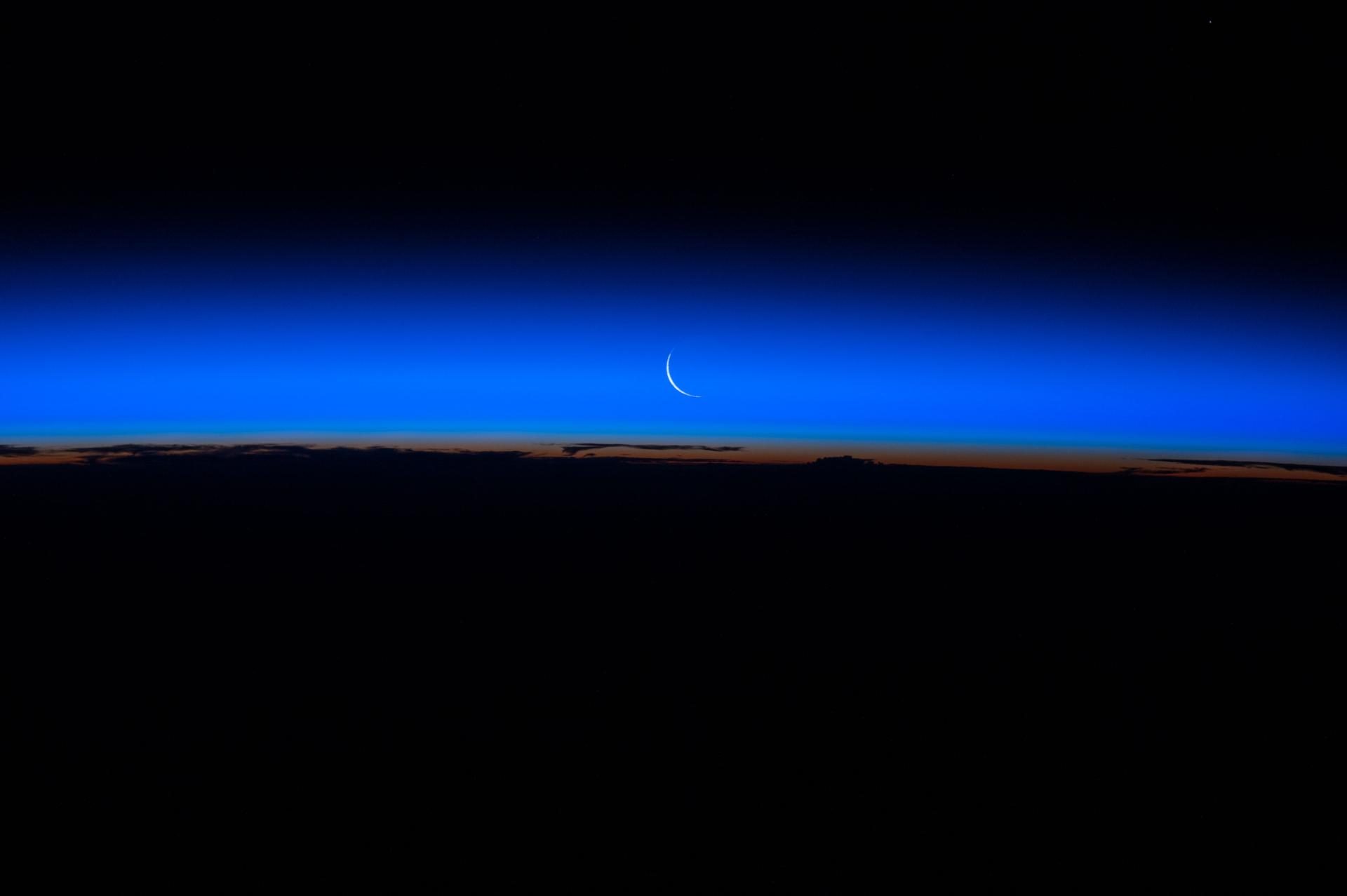
A crescent moon setting, seen from the International Space Station: “When he saw the moon uprising, he exclaimed: This is my Lord” (Qur'an 6:77). NASA / JSC / Terry Virts (public domain)
He reasons from the star, the moon and the sun to the One God, and breaks the idols.
He is saved from the fire.
He leaves Hagar and Ishmael (peace be upon him) in the valley of Makkah; with Ishmael he raises the Ka'bah.
The sacrifice; the visiting angels. He is a ḥanīf, an upright believer.
Hagar runs between Safa and Marwa and Zamzam springs up (a long narration in Bukhari 3364): the origin of the saʿy rite of the Hajj.
Muslims send blessings on Abraham (peace be upon him) in every prayer. The Qur'an calls him “neither a Jew nor a Christian” but upright (3:67), a verse to read in its context.
Didst not Thou, O our God, drive out the inhabitants of this land before Thy people Israel, and gavest it to the seed of Abraham Thy friend for ever?
Read the passages The Christian telling · 5
Matthew 1:1 · New Testament · WEB British Edition
1
The book of the genealogy of Jesus Christ, the son of David, the son of Abraham.
John 8:56–58 · New Testament · WEB British Edition
56
Your father Abraham rejoiced to see my day. He saw it and was glad.”
57
The Jews therefore said to him, “You are not yet fifty years old! Have you seen Abraham?”
58
Jesus said to them, “Most certainly, I tell you, before Abraham came into existence, I AM.”
Galatians 3:6–29 · New Testament · WEB British Edition
6
Even so, Abraham “believed God, and it was counted to him for righteousness.”
7
Know therefore that those who are of faith are children of Abraham.
8
The Scripture, foreseeing that God would justify the Gentiles by faith, preached the Good News beforehand to Abraham, saying, “In you all the nations will be blessed.”
9
So then, those who are of faith are blessed with the faithful Abraham.
10
For as many as are of the works of the law are under a curse. For it is written, “Cursed is everyone who doesn’t continue in all things that are written in the book of the law, to do them.”
11
Now that no man is justified by the law before God is evident, for, “The righteous will live by faith.”
12
The law is not of faith, but, “The man who does them will live by them.”
13
Christ redeemed us from the curse of the law, having become a curse for us. For it is written, “Cursed is everyone who hangs on a tree,”
14
that the blessing of Abraham might come on the Gentiles through Christ Jesus, that we might receive the promise of the Spirit through faith.
15
Brothers, speaking of human terms, though it is only a man’s covenant, yet when it has been confirmed, no one makes it void or adds to it.
The passage continues; open it in the player or your own Bible or Qur'an.
Hebrews 11:8–19 · New Testament · WEB British Edition
8
By faith Abraham, when he was called, obeyed to go out to the place which he was to receive for an inheritance. He went out, not knowing where he went.
9
By faith he lived as an alien in the land of promise, as in a land not his own, dwelling in tents with Isaac and Jacob, the heirs with him of the same promise.
10
For he was looking for the city which has foundations, whose builder and maker is God.
11
By faith even Sarah herself received power to conceive, and she bore a child when she was past age, since she counted him faithful who had promised.
12
Therefore as many as the stars of the sky in multitude, and as innumerable as the sand which is by the sea shore, were fathered by one man, and him as good as dead.
13
These all died in faith, not having received the promises, but having seen them and embraced them from afar, and having confessed that they were strangers and pilgrims on the earth.
14
For those who say such things make it clear that they are seeking a country of their own.
15
If indeed they had been thinking of that country from which they went out, they would have had enough time to return.
16
But now they desire a better country, that is, a heavenly one. Therefore God is not ashamed of them, to be called their God, for he has prepared a city for them.
17
By faith, Abraham, being tested, offered up Isaac. Yes, he who had gladly received the promises was offering up his only born son,
The passage continues; open it in the player or your own Bible or Qur'an.
James 2:21–23 · New Testament · WEB British Edition
21
Wasn’t Abraham our father justified by works, in that he offered up Isaac his son on the altar?
22
You see that faith worked with his works, and by works faith was perfected.
23
So the Scripture was fulfilled which says, “Abraham believed God, and it was accounted to him as righteousness,” and he was called the friend of God.
Who is better in religion than he who surrendereth his purpose to Allah while doing good (to men) and followeth the tradition of Abraham, the upright? Allah (Himself) chose Abraham for friend.
And (remember) when his Lord tried Abraham with (His) commands, and he fulfilled them, He said: Lo! I have appointed thee a leader for mankind. (Abraham) said: And of my offspring (will there be leaders)? He said: My covenant includeth not wrong-doers.
And when We made the House (at Makka) a resort for mankind and sanctuary, (saying): Take as your place of worship the place where Abraham stood (to pray). And We imposed a duty upon Abraham and Ishmael, (saying): Purify My house for those who go around and those who meditate therein and those who bow down and prostrate themselves (in worship).
And when Abraham prayed: My Lord! Make this a region of security and bestow upon its people fruits, such of them as believe in Allah and the Last Day, He answered: As for him who disbelieveth, I shall leave him in contentment for a while, then I shall compel him to the doom of Fire - a hapless journey's end!
And when Abraham and Ishmael were raising the foundations of the House, (Abraham prayed): Our Lord! Accept from us (this duty). Lo! Thou, only Thou, art the Hearer, the Knower.
Our Lord! And make us submissive unto Thee and of our seed a nation submissive unto Thee, and show us our ways of worship, and relent toward us. Lo! Thou, only Thou, art the Relenting, the Merciful.
Our Lord! And raise up in their midst a messenger from among them who shall recite unto them Thy revelations, and shall instruct them in the Scripture and in wisdom and shall make them grow. Lo! Thou, only Thou, art the Mighty, Wise.
And who forsaketh the religion of Abraham save him who befooleth himself? Verily We chose him in the world, and lo! in the Hereafter he is among the righteous.
The same did Abraham enjoin upon his sons, and also Jacob, (saying): O my sons! Lo! Allah hath chosen for you the (true) religion; therefore die not save as men who have surrendered (unto Him).
Or were ye present when death came to Jacob, when he said unto his sons: What will ye worship after me? They said: We shall worship thy god, the god of thy fathers, Abraham and Ishmael and Isaac, One God, and unto Him we have surrendered.
The passage continues; open it in the player or your own Bible or Qur'an.
Bethink thee of him who had an argument with Abraham about his Lord, because Allah had given him the kingdom; how, when Abraham said: My Lord is He Who giveth life and causeth death, he answered: I give life and cause death. Abraham said: Lo! Allah causeth the sun to rise in the East, so do thou cause it to come up from the West. Thus was the disbeliever abashed. And Allah guideth not wrongdoing folk.
Or (bethink thee of) the like of him who, passing by a township which had fallen into utter ruin, exclaimed: How shall Allah give this township life after its death? And Allah made him die a hundred years, then brought him back to life. He said: How long hast thou tarried? (The man) said: I have tarried a day or part of a day. (He) said: Nay, but thou hast tarried for a hundred years. Just look at thy food and drink which have not rotted! Look at thine ass! And, that We may make thee a token unto mankind, look at the bones, how We adjust them and then cover them with flesh! And when (the matter) became clear unto him, he said: I know now that Allah is Able to do all things.
And when Abraham said (unto his Lord): My Lord! Show me how Thou givest life to the dead, He said: Dost thou not believe? Abraham said: Yea, but (I ask) in order that my heart may be at ease. (His Lord) said: Take four of the birds and cause them to incline unto thee, then place a part of them on each hill, then call them, they will come to thee in haste, and know that Allah is Mighty, Wise.
And when he saw the moon uprising, he exclaimed: This is my Lord. But when it set, he said: Unless my Lord guide me, I surely shall become one of the folk who are astray.
And when he saw the sun uprising, he cried: This is my Lord! This is greater! And when it set he exclaimed: O my people! Lo! I am free from all that ye associate (with Him).
His people argued with him. He said: Dispute ye with me concerning Allah when He hath guided me? I fear not at all that which ye set up beside Him unless my Lord willeth aught. My Lord includeth all things in His knowledge. Will ye not then remember?
How should I fear that which ye set up beside Him, when ye fear not to set up beside Allah that for which He hath revealed unto you no warrant? Which of the two factions hath more right to safety? (Answer me that) if ye have knowledge.
My Lord! Lo! they have led many of mankind astray. But whoso followeth me, he verily is of me. And whoso disobeyeth me - Still Thou art Forgiving, Merciful.
Our Lord! Lo! I have settled some of my posterity in an uncultivable valley near unto Thy holy House, our Lord! that they may establish proper worship; so incline some hearts of men that they may yearn toward them, and provide Thou them with fruits in order that they may be thankful.
I shall withdraw from you and that unto which ye pray beside Allah, and I shall pray unto my Lord. It may be that, in prayer unto my Lord, I shall not be unblest.
And afterward We inspired thee (Muhammad, saying): Follow the religion of Abraham, as one by nature upright. He was not of the idolaters.
Common ground
Where they agree
He worshipped one God and left his home at God's call.
He received a covenant or promise for his descendants.
He was tested by the command to sacrifice his son.
He is God's friend.
Said plainly, ranked never
Where they differ
Which son: Isaac (peace be upon him) in Genesis; most later Muslim opinion says Ishmael (peace be upon him), and early scholars held both views.
Makkah and the Ka'bah are central in Islam and absent from the Bible.
The breaking of the idols is midrash in Judaism and scripture in the Qur'an.
Paul reads Abraham (peace be upon him) as faith before law.
Era and place
The world of Abraham
Where
Ur of the Chaldees (Tell el-Muqayyar, southern Iraq; some scholars prefer a northern Ur near Urfa) → Haran → Canaan (Shechem, Bethel, Hebron, Beersheba) → Egypt and back. Islamic tradition adds the journey to Makkah.
When
Early in the 2nd millennium BCE, as tradition places it.
What archaeology can and cannot say
No inscription names him. The world described fits pastoral life of the Middle Bronze Age in some details and later periods in others, and scholars debate this. The Cave of the Patriarchs in Hebron is a Herodian enclosure of the 1st century BCE over the traditional tomb.
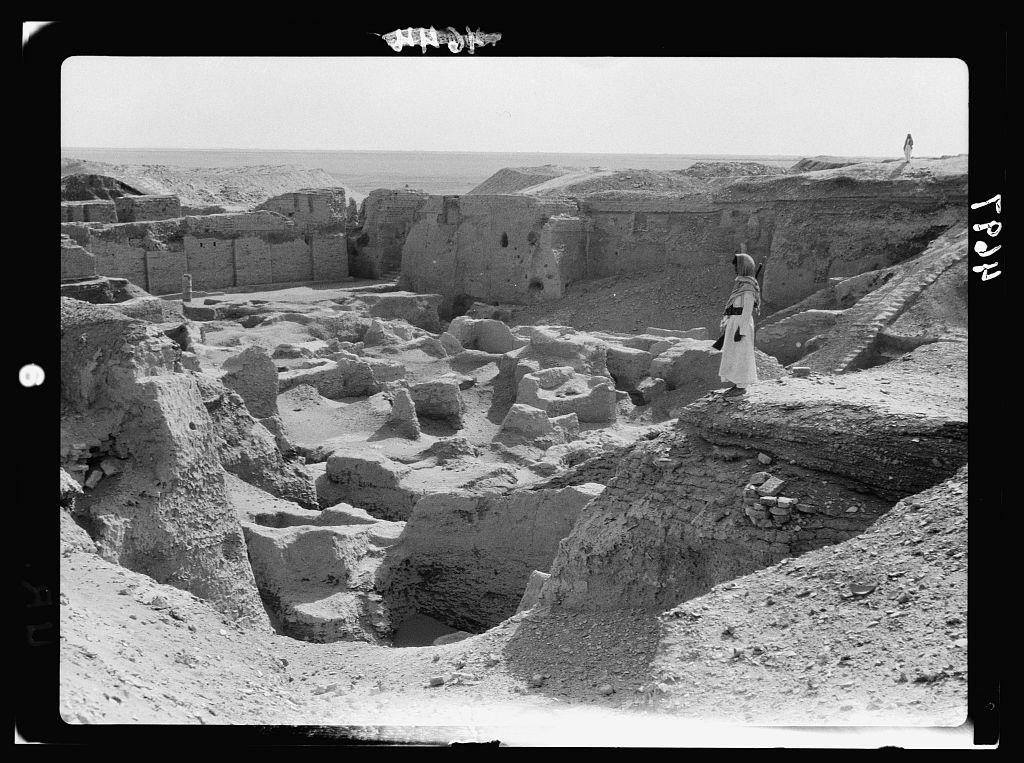
The ruins of Ur, southern Iraq, 1930s. American Colony (Jerusalem) Photo Dept. / Matson Photo Service, Library of Congress (public domain)
Delores S. Williams, Sisters in the Wilderness: The Challenge of Womanist God-Talk (Orbis Books, 1993) · book
Abraham and the idols: the story told in full, with the three tellings side by side.
Abraham's sacrifice: the story told in full, with the three tellings side by side.
Midrash and Jewish tradition
Genesis Rabbah 38:13 tells of Abraham in his father's idol shop. Pirkei Avot 5:3 counts ten trials. Avot de-Rabbi Natan 7 describes his tent open on four sides so that no traveller had to search for the door.
Christian tradition
Paul (Romans 4; Galatians 3) makes Abraham the father of all who believe, Jew and Gentile. Hebrews 11 places him among the heroes of faith.
Tafsir and hadith
Ibn Kathir, on 6:76, reads Abraham (peace be upon him)'s watching of the star, moon and sun as an argument with his people. The story of Hagar and Zamzam is narrated at length in Bukhari 3364.
Karl-Josef Kuschel, Abraham (peace be upon him): A Symbol of Hope for Jews, Christians and Muslims (1995)
Reference works: Encyclopaedia Judaica (2nd ed.); The Oxford Dictionary of the Christian Church; Encyclopaedia of Islam (3rd ed.); Ibn Kathir, Qisas al-Anbiya.