A soldier's helmet, in Arabic, is a mighfar, from the same root as forgiveness. Both mean to cover. A helmet covers your head from the blow; forgiveness covers a wrong so that it no longer strikes you.
Al-Ghaffār is the One who forgives, and the shape of the word means again and again, as often as it takes. Most of us have a limit. Even the best forgiving we know has a limit. Al-Ghaffār has none.
Start with what we know
Start with something we know. Then take away everything it needs. What is left is not a bigger version of us: it is the Name.
Episode 1
In us
In July 2005, 18-year-old Anthony Walker was murdered in a racist attack in Huyton, near Liverpool. At the end of the trial his mother, Gee Walker, stood outside the court and said she forgave the killers: “I can't hate. Hate is what killed my son” (BBC News). Her words travelled around the world, and she later set up a foundation in his name. But she has also said, many times since, that forgiveness is a choice she has to make again each day, and that the grief does not go. Human forgiveness can be heroic; it is also hard won, and it carries the memory with it.
Episode 2
In nature
In 1979 the primatologist Frans de Waal reported something surprising from the chimpanzee colony at Arnhem Zoo in the Netherlands. Shortly after a fight, the two rivals would often seek each other out, kiss and embrace (de Waal and van Roosmalen, 1979). Since then, peacemaking after conflict has been seen in many primates, dolphins and even some birds. But researchers found that animals reconcile most with partners they need, for food, grooming or alliance. Forgiveness in nature is real, and it usually has a reason.
Episode 3
At our best
Every day the DNA in each of your cells is damaged thousands of times, by sunlight, by chemicals and by simple copying mistakes. The 2015 Nobel Prize in Chemistry went to Tomas Lindahl, Paul Modrich and Aziz Sancar for showing how cells repair it. One system alone, mismatch repair, cuts copying errors by about a thousand times (Nobel Foundation). It is forgiveness written into biology. Yet repair sometimes fails. Errors slip through and build up; that is part of why we age, and one way cancers begin.
Episode 4
The Break
Lift off the daily effort, the memory that stays, the partner we need, the repair that sometimes fails. Every forgiving we know has a limit and a reason. Al-Ghaffār is not forgiveness that tries one more time. It is forgiveness with no count, that covers again and again for whoever turns back. “And lo! verily I am Forgiving toward him who repenteth and believeth and doeth good, and afterward walketh aright.” (Qur'an 20:82, Pickthall).
The Prophet Muhammad ﷺ (peace be upon him) told this story as words from God Himself.
A servant committed a sin, and said: “O God, forgive me my sin.” God said: “My servant has sinned, and he knows that he has a Lord who forgives sins and holds to account for them.”
Then the servant sinned again, and said: “My Lord, forgive me my sin.” And God said the same: “My servant has sinned, and he knows that he has a Lord who forgives sins and holds to account for them.”
Then he sinned a third time, and again asked: “My Lord, forgive me.” And God said: “My servant has sinned, and he knows that he has a Lord who forgives sins and holds to account. Do what you will; I have forgiven you” (Muslim 2758; Bukhari 7507).
Scholars were careful to explain that the story is not permission to sin. The servant is sincere each time; each time he truly turns back. The point is that the door does not close after the second or third return. The Prophet himself said: “By God, I ask God's forgiveness and turn to Him more than seventy times a day” (Bukhari 6307).
What each faith says
Read:
Judaism
“Who is a God like unto Thee, that pardoneth the iniquity, and passeth by the transgression of the remnant of His heritage? He retaineth not His anger for ever, because He delighteth in mercy.”
When God describes Himself to Moses on Sinai, the list includes “forgiving iniquity and transgression and sin”. The same verse adds that He “will by no means clear the guilty”: forgiveness in the Torah is real, but it does not pretend wrong did not happen.
On Yom Kippur, the Day of Atonement, Jews fast and pray for forgiveness through a whole day. Before it, the tradition requires people to ask forgiveness from anyone they have wronged. God forgives sins against Him, but sins against people must first be put right with them. The prophet Micah's words are read on Yom Kippur afternoon.
In many prayer books, the bedtime Shema opens by forgiving anyone who has hurt me that day. And the Talmud remembers Beruriah, one of its few women sages, correcting her husband Rabbi Meir when he prayed against some men who were tormenting him. Pray that the sins end, she told him, not the sinners. He did, and they turned back (Berakhot 10a).
Christianity
“If we confess our sins, he is faithful and righteous to forgive us the sins, and to cleanse us from all unrighteousness.”
Peter asked Jesus how many times he should forgive. Seven times seemed generous. Jesus answered: not seven, but seventy times seven, meaning without counting.
Christians pray in the Lord's Prayer, “forgive us our debts, as we also forgive our debtors”, and believe that God's forgiveness is offered through Christ to everyone who confesses. The first letter of John promises that God is faithful to forgive.
After Coventry Cathedral was bombed in November 1940, the words ‘Father forgive’ were inscribed behind the altar of the ruins. The Anglican cathedral's Litany of Reconciliation is still prayed there every weekday at noon, and its Cross of Nails has been given to partner churches around the world, including in Germany.
Islam
“And I have said: Seek pardon of your Lord. Lo! He was ever Forgiving.”
The Qur'an has three related Names. Al-Ghaffār forgives again and again. Al-Ghafūr's forgiveness is complete. Al-ʿAfuww erases the wrong altogether. Al-Ghazālī said al-Ghaffār is the One who shows what is beautiful and covers what is ugly, in this life and the next.
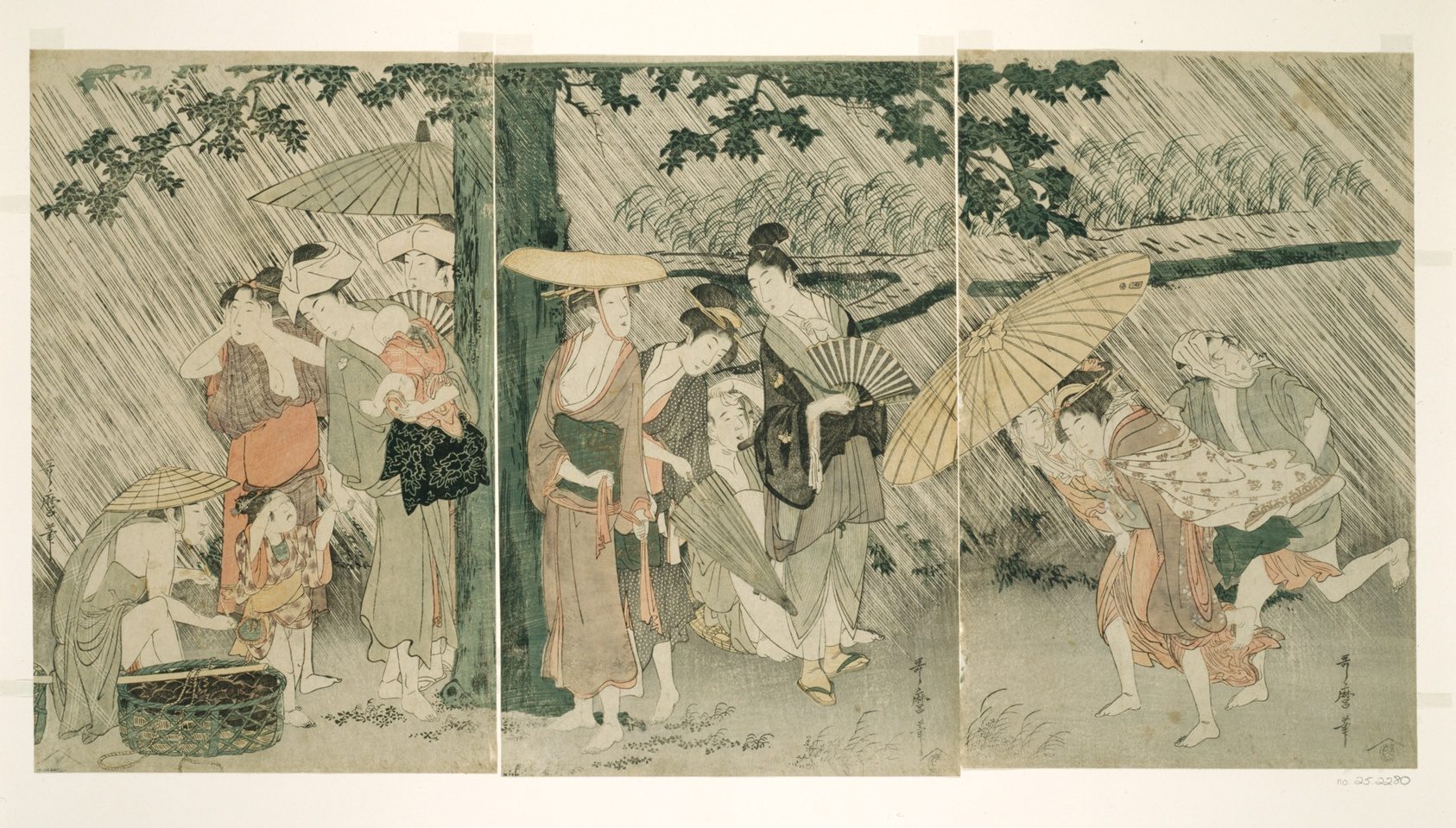
The prophet Noah (peace be upon him) told his people: “And I have said: Seek pardon of your Lord. Lo! He was ever Forgiving. He will let loose the sky for you in plenteous rain.” (71:10-11, Pickthall). Forgiveness, in the Qur'an, is pictured as rain on dry ground.
Same and different
All three faiths teach that God forgives again and again, and all three insist that forgiveness is not the same as pretending nothing happened. Judaism requires putting things right with the person wronged before Yom Kippur. Christianity teaches that forgiveness comes through Christ and must be passed on to others. Islam teaches direct repentance to God, with sincere intention not to return, and restoring what was taken from others. They agree that no one should despair of being forgiven.
A moment to reflect
Is there someone you have forgiven more than once? What made it possible?
What is the difference between covering someone's fault and hiding the truth?
Is there something you find it hard to believe you could be forgiven for?
Watch
The Nobel committee on the 2015 prize for DNA repair: the ‘At our best’ rung.
Tomas Lindahl's Nobel lecture on how fragile DNA is, and how it is mended.
TED-Ed: Frans de Waal on moral behaviour in animals, including reconciliation.
Do it together
schools / faith groupsThe helmet and the cover
Bring a cycle helmet. Explain the mighfar link between covering and forgiving. Ask: what would it look like to ‘cover’ a friend's mistake kindly, without lying for them?
families / neighboursBefore the new start
Before a festival, new year or fresh term, give everyone a quiet moment to think of one person to say sorry to, or to forgive. Jewish families do this before Yom Kippur; Muslims often do it before Ramadan.
faith groups / schoolsFather forgive
Read Coventry Cathedral's Litany of Reconciliation together; it names greed, envy, pride and indifference rather than any enemy, and each line ends ‘Father forgive’. Better still, visit the ruins and the new cathedral side by side.
 Episode 1