Who is Allah?

Reading settings

Text size

Easier reading

More space between lines and letters, plain font for headings, no italics.

Calm mode

No moving backgrounds or animations; softer images.

Save data

No background video and no card photos: good on a slow or capped connection.

Saved on this device only. Nothing is sent to us.

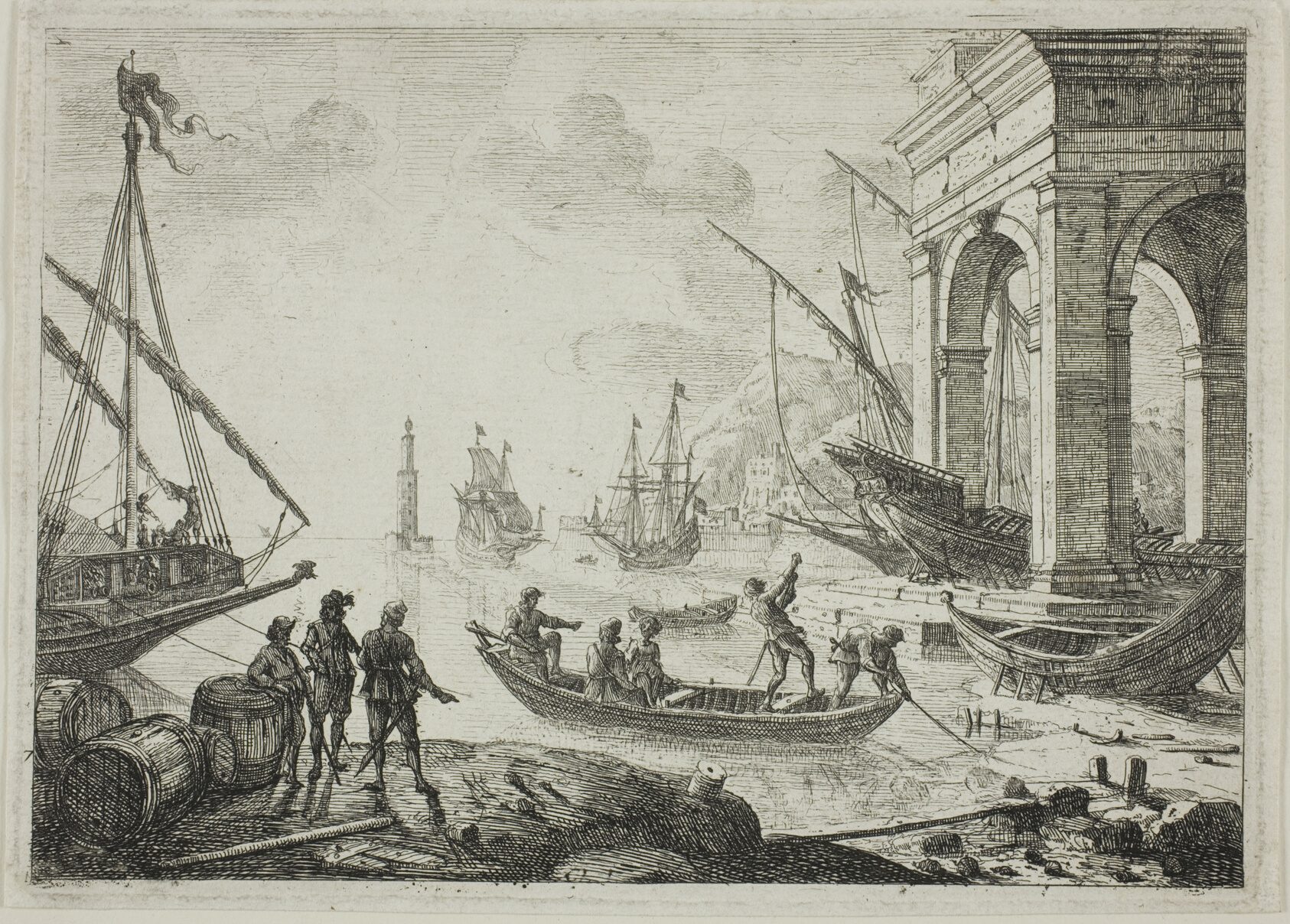
Harbor Scene with a Lighthouse

The 99 Names · Name 6 of 99 · Act

The Giver of security and faith

al-Muʾmin الْمُؤْمِنُ

The One who keeps His word.

Start with what we know ↓

Recited as it sounds in the Qur'an, 59:23.

Harbor Scene with a Lighthouse. Claude Lorrain. Art Institute of Chicago · CC0 1.0

Heard together with: al-Muʾmin / al-Muhaymin

The young Muhammad ﷺ (peace be upon him) had a nickname in Mecca before he ever spoke of God. It was al-Amīn, the Trustworthy. People who later fought him still left their valuables in his keeping.

Al-Muʾmin is one of the Names of God built from that same root, ʾ-m-n. The root gives Arabic and Hebrew their words for safety, trust and faith, and gives the whole world the word amen. It means the One who gives safety, and the One whose word is true. It is a strange, double Name: in people, muʾmin means ‘believer’. In God, it means the One who can be believed.

Start with what we know

Start with something we know. Then take away everything it needs. What is left is not a bigger version of us: it is the Name.

Episode 1

In us

On 1 September 1939, two days before Britain declared war, Operation Pied Piper began. In the first few days around 1.5 million people, most of them children, were moved from cities to the countryside to be safe from bombing. They often travelled with a label tied to their coat and a gas mask in a box (Imperial War Museums). Thousands of strangers opened their homes, and many children were loved. But not all. Some hosts were cruel or cold, some children were split from brothers and sisters, and many drifted back to the cities before the Blitz began. Human safety depends on who you are given to.

Episode 2

In nature

A meerkat group feeds with its heads down in the sand, open to eagles and jackals. So one meerkat climbs a mound or a bush and keeps watch, giving a different alarm call for danger from the air and danger on the ground. It looks like self-sacrifice. But studies in the Kalahari found that sentinels usually go on duty once they have eaten their fill, and take turns. They are often the first to reach a burrow when danger comes (Clutton-Brock and others, Science, 1999). The guard needs food, rest and a way out.

Episode 3

At our best

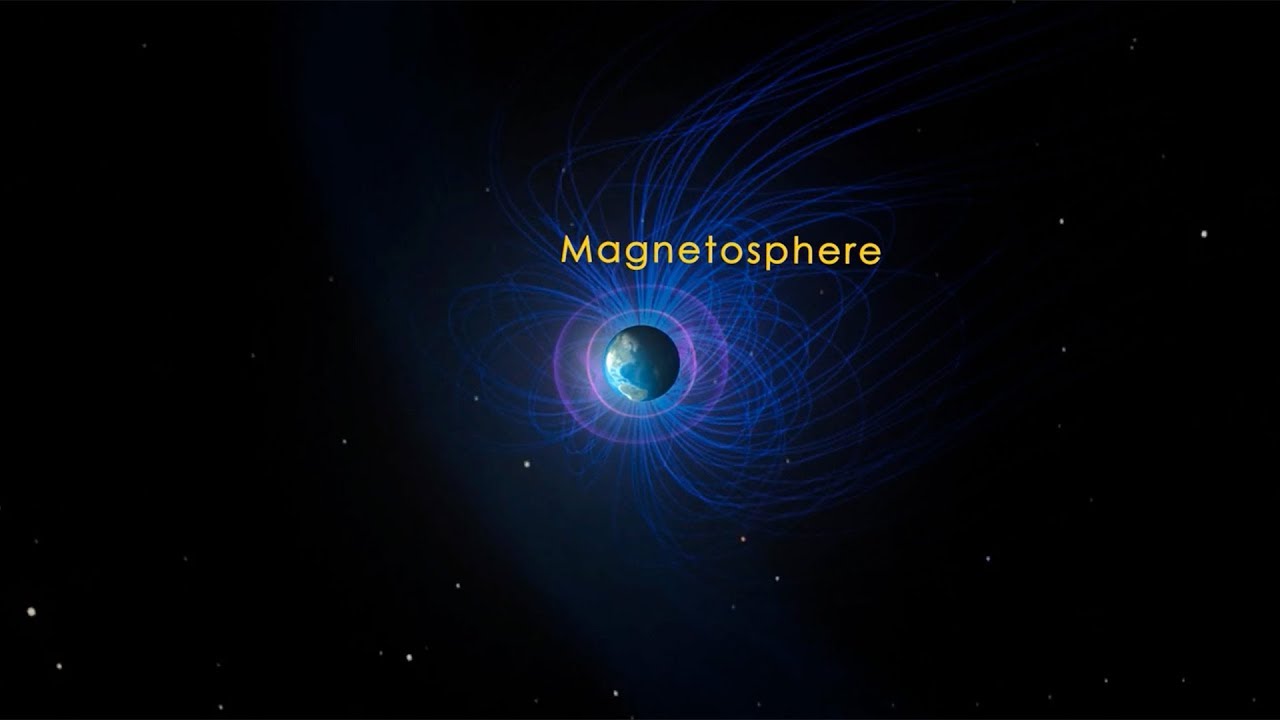
Earth carries its own shield. Molten iron churning in the outer core makes a magnetic field that reaches far into space and deflects the solar wind, protecting our atmosphere from being stripped away (NASA). Without it, Earth might look like Mars. But the shield wavers. On 13 March 1989 a solar storm squeezed it so hard that Quebec's power grid collapsed in about 90 seconds, leaving six million people without electricity for nine hours (NASA). The best guard we have is strong, invisible and still breakable.

Episode 4

The Break

Peel away the stranger's mood, the full stomach, the turns on duty, the escape route, the storm that can bend the shield. Every safety we know depends on a guard who might fail. Al-Muʾmin is not a stronger shield. He is the safety that does not depend on any shield, and the One whose promise is never broken. He is the God “Who hath fed them against hunger and hath made them safe from fear.” (Qur'an 106:4, Pickthall).

Read: Q 59:23

From the tradition: al-Muʾmin has two classical senses: the One who grants safety, and the One who confirms the truth of His word and His messengers

Watch and listen

Films, documentaries and voices that reach towards this Name. Each links out to where you can watch it.

On screen

A label asks strangers to look after a small bear. Al-Muʾmin is the One no one has to ask.

Where it shows up

In scripture
Q 59:23; 106:4. Deut 32:4; Psalm 121:4 'the guardian of Israel neither slumbers nor sleeps'
The same thread in Jewish and Christian scripture
Deut 32:4 'A faithful God, never false'; shared root ʾ-m-n (amen, emunah)
In the universe
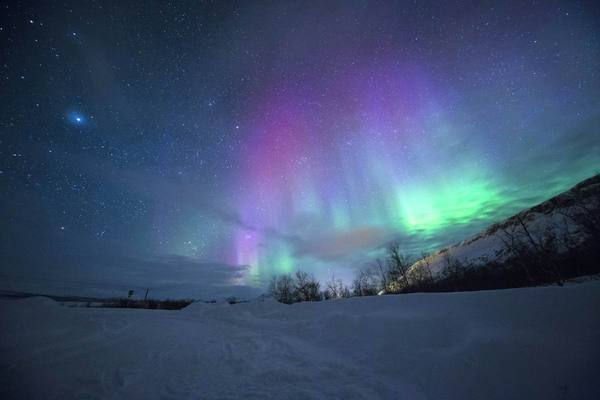
NASA: Earth's magnetosphere shields life from solar wind; auroras are where it is struck (science.nasa.gov heliophysics)
In nature
Frozen Planet II (BBC 2022), iPlayer; emperor penguins (BAS page)
In people
WWII evacuees taken in by strangers; the 'Please look after this bear' label
In science
Earth science: the geodynamo in the liquid outer core generates the magnetic field

Living it

Be trustworthy: the Prophet (peace be upon him)'s title al-Amīn; let others feel safe from your hands and tongue

Its kind

Act: something done: mercy shown, provision given, a prayer answered.

In the Qur'an: 59:23

Al-Amīn and the stone

Around the year 605, the tribes of Mecca rebuilt the Kaʿbah after a flood damaged it. When the walls were high enough, they reached the moment of setting the Black Stone back in its corner. Every clan wanted the honour. Tempers rose; some clans dipped their hands in blood and swore to fight. Finally an old man suggested: let the next person to walk through the gate decide.

The next person was Muhammad, then about thirty-five years old. When they saw him, they said: “This is al-Amīn, the trustworthy one. We are content.” He asked for a cloak, spread it on the ground and placed the stone on it. Then he asked one leader from each clan to take hold of the edge, and together they lifted it. He set the stone in place with his own hands. No one was shamed, and no blood was shed.

Years later, when he was forced to leave Mecca in secret, people who opposed him still held deposits with him. He left his cousin ʿAlī behind to give every one of them back.

He taught: “The believer is the one from whom people's lives and property are safe” (Tirmidhi 2627). The Name al-Muʾmin and the word ‘believer’ meet in that sentence.

What each faith says

Read:

Judaism

“Behold, He that keepeth Israel doth neither slumber nor sleep.”

Psalm 121:4 · JPS 1917

The Hebrew root ʾ-m-n gives emunah, faithfulness, and amen, ‘so be it, it is firm’. In Deuteronomy, Moses calls God “a God of faithfulness”. Faith in Judaism is less about holding ideas and more about trusting the One who keeps His covenant.

Psalm 121, often said for travellers and at times of fear, promises that Israel's guardian never sleeps. Many Jewish families say it before a journey or for a new baby.

Many observant Jews begin each day, before they even get out of bed, with Modeh Ani: thanks to the living King for returning their soul with compassion. It ends with two words from the same root, rabbah emunatekha, ‘great is Your faithfulness’.

Christianity

“But the Lord is faithful, who will establish you, and guard you from the evil one.”

2 Thessalonians 3:3 · WEB

The New Testament repeats a short creed: “God is faithful” (1 Corinthians 1:9). Christians speak of God keeping His promises through history, and the letter to the Hebrews urges believers to hold on “for he who promised is faithful” (Hebrews 10:23).

Christians end prayers with ‘amen’, the same root. They believe God's faithfulness is shown above all in Christ, through whom they trust they are kept safe in this life and the next.

Anglican Evensong ends the day with an old collect, still said in cathedrals: “Lighten our darkness, we beseech thee, O Lord; and by thy great mercy defend us from all perils and dangers of this night” (Book of Common Prayer).

Islam

“So let them worship the Lord of this House, Who hath fed them against hunger and hath made them safe from fear.”

Qur'an 106:3-4 · Pickthall (1930)

Al-Muʾmin is in the list of Names in Qur'an 59:23. Classical scholars gave it two senses. The first is the Giver of safety, who makes people secure from fear. The second is the One who confirms the truth, who keeps His word and confirms His messengers. Both meet in trust.

The Qur'an's short chapter Quraysh reminds the people of Mecca that their trade journeys and their safety were a gift. For people, the Name becomes a duty: be someone others can trust with their secrets, their property and their good name.

Same and different

Hebrew and Arabic share the root of this Name, and all three faiths say ‘amen’. All three teach that God is faithful and keeps His promises, and that believers should be trustworthy in return. They differ in where they see God's faithfulness most clearly: in His covenant with Israel, in Christ, or in the Qur'an and the messengers He confirmed. In Islam, the believer (muʾmin) carries a small share of the Name: people should be safe from them.

A moment to reflect

  1. Who would you trust with your house keys, and why them?
  2. Can you remember a promise someone kept when it would have been easy to break?
  3. What would it take for people to feel completely safe from your words and hands?

Watch

Cambridge University research on how meerkat sentinels keep watch: the ‘In nature’ rung.

NASA explains Earth's magnetosphere, the invisible shield: the ‘At our best’ rung.

A meerkat's-eye view of life in the Kalahari, watching for danger.

Do it together

families / schoolsWho looks after you?

Make luggage labels like those the 1939 evacuees wore. On one side write who keeps you safe; on the other, someone you could keep safe this week. Hang them on a string across the room.

schools / faith groupsThe cloak lift

Tell the story of the Black Stone, then do it. Lay a blanket on the floor with a heavy book on it and ask four people to lift it together from the corners. Talk about how a fair solution makes everyone safe.

familiesThe traveller's prayer

Jewish tradition has Tefillat HaDerech, the Traveller's Prayer, said at the start of a journey. Before your next family trip, each say one short wish for everyone's safe going out and coming back, and notice who keeps you safe on the way.

neighbours / faith groupsEvensong

Go to Choral Evensong at a cathedral or college chapel: it is free and open to everyone. Listen for the closing prayer for safety through the night, then talk over a cup of tea about who you trust to keep watch for you.
Go deeper

Sources (6)
  1. Operation Pied Piper began 1 September 1939; about 1.5 million evacuated in first days: Imperial War Museums
  2. Meerkat sentinels go on guard after feeding and are among first to reach burrows: Clutton-Brock and others, Science 284:1640, 1999
  3. Earth's magnetic field is made by the geodynamo and deflects the solar wind: NASA Science
  4. 13 March 1989: Quebec grid collapsed in 90 seconds; 6 million without power for 9 hours: NASA, ‘The Day the Sun Brought Darkness’, 2009
  5. Rebuilding of the Kaʿbah and the Black Stone; ʿAlī returns deposits: Ibn Hishām, Sīrah (tr. Guillaume, The Life of Muhammad, 1955)
  6. ‘The believer is the one from whom people's lives and property are safe’: Jamiʿ at-Tirmidhi 2627
الْمُهَيْمِنُ
Up next · Name 7 of 99The Ever-Watchful Guardian over all thingsal-Muhaymin
Next →

Watch more: The Giver of security and faith

8 films and talks, chosen for this page. They play here.

  • Feeling Safe In A Broken World | Allah's Names | Dr. Omar Suleiman | Ep. 12

    Yaqeen Institute · 17 min

  • The Beautiful Names of Allah (Part 10): Al-Mu'min

    Yasir Qadhi · 14 min

  • Does Your Presence Bring Peace? | The Names Class 42: Al-Mumin | Shaykh Mikaeel Smith

    Qalam Institute · 48 min

  • Al-Mu'min | Rahmah Weekly Halaqa With Shaykha Dr. Rania Awaad

    Rania Awaad Official · 10 min

  • Faith & Insecurity (Pt 1 of 3 | Elul 5780 Lecture Series) | Rabbi Jonathan Sacks

    The Rabbi Sacks Legacy · 17 min

    The Rabbi Sacks Legacy: faith and insecurity, a Jewish reflection on trust.

  • Human Failure and the Faithfulness of God | Psalms for Advent | N.T. Wright Online

    N.T. Wright Online · 5 min

  • NASA ScienceCasts: Earth's Magnetosphere

    NASA Science · 4 min

  • How does your immune system work? - Emma Bryce

    TED-Ed · 5 min

    TED-Ed: how your immune system works, the body's own guard.

  • More films and talks on F-ILMWatch free