Young Explorers · ages 7–11
Where does rain come from?
Young Explorers · Where does rain come from?
Next: What is DNA? →Pitter, patter. Pitter, patter. It is raining.
You put on your wellies and splash in a puddle. Splosh. But have you ever wondered where the rain comes from, and where it goes?
Let’s follow one tiny drop of water.
Our drop is in the sea. The sun shines down and warms it. Slowly, the drop turns into something you cannot see, called water vapour, and floats up into the sky. This is called evaporation. The same thing happens when a puddle dries up on a sunny day.
High up in the sky it is cold. Our drop cools down and joins millions of other tiny drops, clinging to specks of dust. Together they make a cloud. Clouds look fluffy and light, but a single big cloud can hold as much water as hundreds of elephants weigh.
Clouds come in different shapes. Fluffy white ones that look like cotton wool are called cumulus. Thin, wispy ones high up are called cirrus. Big, dark, heavy ones that often bring rain are called nimbus clouds. You can learn to spot them.
The tiny drops bump into each other and join up. They grow bigger and heavier, until the cloud cannot hold them any more. Down they fall. Rain.
And here is a surprise. Raindrops are not shaped like teardrops at all. Small ones are round, like little balls. Bigger ones are squashed flat on the bottom as they fall, like a tiny burger bun.
Our drop lands on a hill. It trickles into a stream, then a river, and the river carries it all the way back to the sea. Then the sun warms it again, and up it goes.
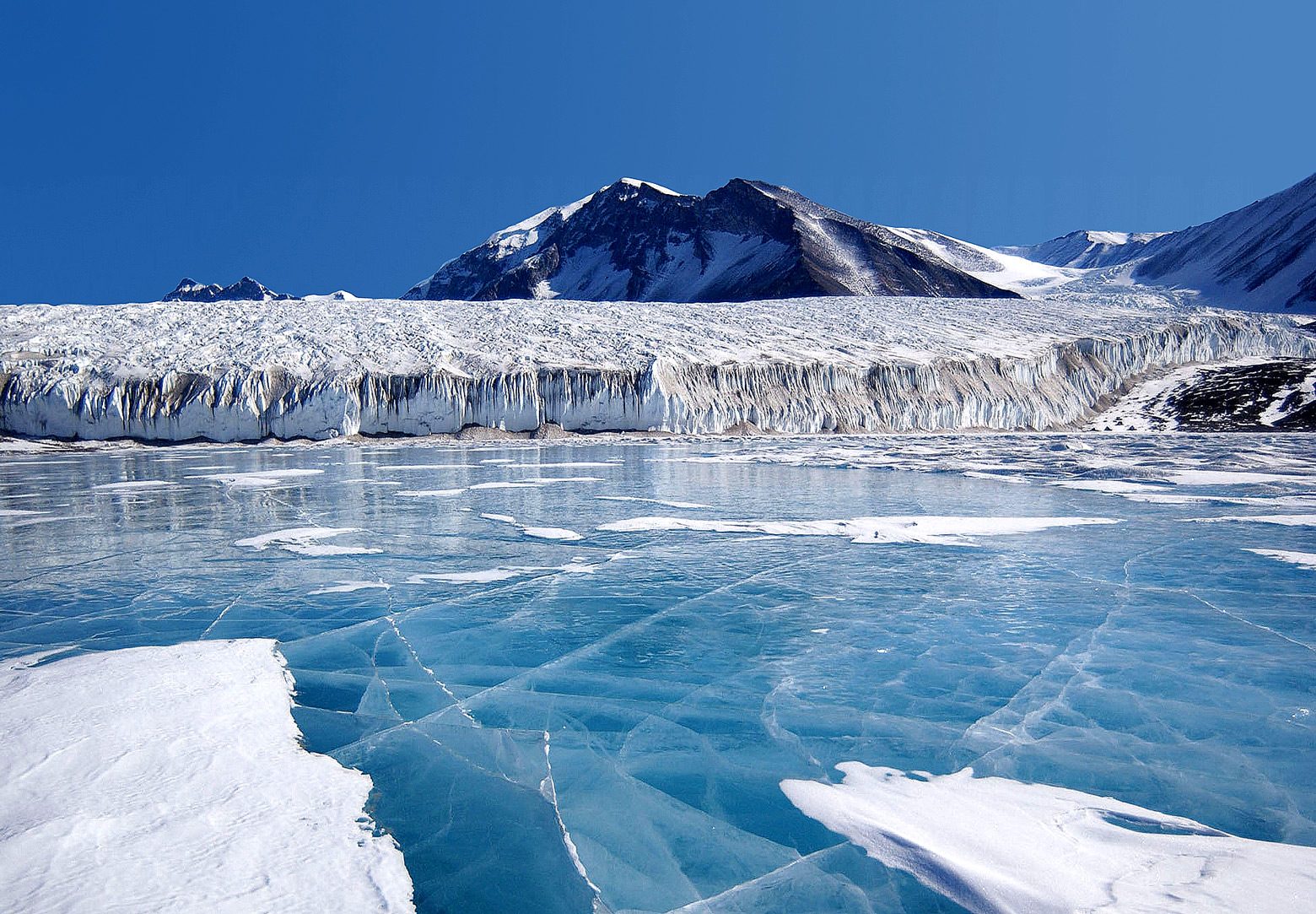
Not all water goes straight back to the sea. Some soaks into the ground and is drunk by tree roots. Some is frozen in ice for thousands of years. And some is in you: more than half of your body is water.
Round and round, for millions of years. The water in your glass today might once have been a drop of rain on a dinosaur.
Rain makes the plants grow. Seeds that have been sleeping in dry ground wake up and sprout. Grass turns green. Farmers smile.
Muslims read in the Qur’an that God sends down blessed water from the sky. With it He makes gardens and grain grow, and brings dead land back to life. When it rains, many Muslims say a short prayer, asking God to make it a helpful rain.
Jewish people sing a Psalm that praises God, “Who covereth the heaven with clouds, Who prepareth rain for the earth”. From autumn to spring, their daily prayers praise God who makes the wind blow and the rain fall.
Christians remember that Jesus said God sends rain on everyone, good and bad alike.
So next time it rains, do not grumble. Listen to it. Watch the drops race down the window. Every one of them has been on a very long journey.
Wonder with us
Rain falls on everyone, whoever they are. What good things could you share with everyone?
Fill a clear jar most of the way with water. Squirt a layer of shaving foam on top: that is your cloud. Drip drops of water coloured with food colouring onto the foam with a spoon or dropper. Watch: when the cloud gets too full, it starts to rain.
Watch together
Water’s amazing journey round the water cycle, for children.
NASA shows how water moves around our whole planet.
For grown-ups
The verses are Qur’an 50:9–11, Psalm 147:8 (JPS 1917) and Matthew 5:45 (World English Bible). The Muslim rain prayer, “O God, a beneficial rain”, is in Sahih al-Bukhari 1032. The Jewish line is the winter phrase added to the Amidah, the daily standing prayer, from Shemini Atzeret to Passover. The water cycle explanation follows NASA and Met Office materials. The “burger bun” raindrop shape is well established: drops under about 1 mm across are nearly spherical, while larger drops flatten as they fall. A typical cumulus cloud holds a few hundred tonnes of water, so “hundreds of elephants” is a fair comparison for a big one. The Met Office’s education pages have more weather activities. Talk about it: what is your favourite kind of weather, and why?
Watch more: Where does rain come from?
8 films and talks, chosen for this page. They play here.
Geography | KS1 | KS2 | The water cycle | BBC Teach
BBC Bitesize for Teachers · 2 min
BBC Bitesize: the water cycle, from sea to cloud to rain.
What Are Clouds Made Of?
SciShow Kids · 4 min
SciShow Kids: what clouds are made of.
How Do We Know When It Will Rain? | Weather Science | SciShow Kids
SciShow Kids · 4 min
4 Types of Clouds & How to Spot Them☁️🔎 | The Wonder List | Earth Month 🌎 | @natgeokids
Nat Geo Kids · 4 min
Nat Geo Kids: four types of cloud and how to spot them.
Earth's water cycle
European Space Agency, ESA · 3 min
ESA: the Earth's water cycle seen from space.
Why Are There Clouds?
MinuteEarth · 3 min
What Causes Thunder and Lightning? | Weather Science | SciShow Kids
SciShow Kids · 4 min
Lions and elephants relish the arrival of the rains
Earth Touch · 3 min
Lions and elephants enjoy the first rains.